Abstract
Adzuki bean (Vigna angularis [Willd.] Ohwi & Ohashi) has recently become widely cultivated in Asia. Generally, it is sensitive to flooding stress. Wild relatives of adzuki bean have shown higher tolerances to abiotic stressors than cultivars, but their responses to flooding are not well understood. In this study, the waterlogging tolerance levels of 202 accessions from two cultivated Vigna species including V. angularis var. angularis (cultivated adzuki bean), V. umbellata (rice bean), and two wild ones consisting of V. angularis var. nipponensis (wild adzuki bean), and V. nakashimae, were evaluated at the early vegetative stage using a foliar damage score. Additionally, the responses of 119 accessions from V. angularis var. nipponesis bean and V. nakashimae to submergence at the germination stage were evaluated using germination-related traits. Among the tested species, cultivated adzuki bean showed the lowest tolerance to waterlogging, while V. nakashimae showed the greatest. At the germination stage, seeds of V. nakashimae were more tolerant of submergence than seeds of V. angularis var. nipponesis, exhibiting significantly higher normal seedling indexes. There was no significant correlation between the early vegetative-stage index and either germination-stage index for both V. angularis var. nipponensis and V. nakashimae, suggesting that the genetic bases regulating flooding stress responses at the two growth stages differ. However, we identified four V. nakashimae accessions that exhibited tolerant or very tolerant responses to flooding at both stages, suggesting their potential for use in breeding flood-tolerant adzuki bean varieties.
-
Key words: Vigna, Adzuki bean, Flooding, Waterlogging, Germination
Introduction
The
Vigna genus, a member in
Fabaceae family, comprises more than 100 species distributed in the tropical and subtropical regions over the world. Subgenus
Ceratotropis is considered one of the most economically important and essential groups in this genus, as many species in this group are commonly used in food and as forage cover crops (
Tomooka et al. 2012). Cultivated adzuki bean (
Vigna angularis var. angularis [Willd.] Ohwi & Ohashi) and rice bean (
Vigna umbellata) are cultivated species in this subgenus, along with their wild relatives, wild adzuki bean (
Vigna angularis var.
nipponensis) and
Vigna nakashimae, are widely distributed in southern Asia (
Wang et al. 2019). Adzuki beans contain a high nutrient composition as fibers, proteins, and phenolic compounds and are easily digested due to a low phytate content (
Shahrajabian et al. 2019;
Wang et al. 2019;
Padhi et al. 2023). Notably, its affordable production cost makes it an economical and promising crop for addressing food security in low socioeconomic status areas (
Islam et al. 2024). In Asia, adzuki bean cultivation is practiced mainly in Korea, China, Japan, and India (
Hisanori et al. 2010;
Rawal et al. 2019;
Pandiyan et al. 2021). In Korea, cultivated adzuki bean is one of the most important crops, and adzuki beans are used in traditional Korean dishes, such as porridge, noodles, and dessert pastes (Lestari et al. 2014). Unlike adzuki beans, the cultivation and role of rice beans have thus far been largely neglected (
Pattanayak et al. 2019), with cultivation limited mainly to Southeast Asia, where it is largely associated with certain ethnic groups and used as a vegetable or intercrop (
Tomooka 2009).
The cultivation season of adzuki bean and the rainy season overlap, resulting in a situation in which crops may be exposed to flooding stress during the plant’s early vegetative stage (
Xiang et al. 2021). Research has examined the response of cultivated adzuki bean and its relatives, rice bean, wild adzuki bean, and
V. nakashimae, to many abiotic stressors, including drought, salt, cold, and metal toxicity, but there is currently limited information regarding their responses to flooding (
Atta et al. 2022;
Takahashi et al. 2023;
Wang et al. 2023). Flooding inhibits plant growth and productivity by reducing germination and affecting seedling morphology during germination, decreasing chlorophyll content in leaves, limiting nutrient absorption by roots, increasing the accumulation of toxic substances, and accelerating cell membrane deterioration during disease progression (
Xiang et al. 2022;
Manghwar et al. 2024). Cultivated adzuki bean is considered to be susceptible to flooding (
Chun et al. 2016). Waterlogging reduced the yield of an adzuki bean cultivar by 15%, a reduction greater than that seen in soybean and cowpea (
Hodgson et al. 1989). Additionally, the chlorophyll contents and root weights of cultivated adzuki bean plants were decreased significantly by waterlogging at the two-leaf stage (
Jeong et al. 2022). Although the responses of rice bean and the wild relatives of adzuki bean to flooding stress have not been fully elucidated, the wild relatives of adzuki bean have been reported to be more tolerant to abiotic stressors than cultivated accessions (
Yoshida et al. 2016). Due to the high genetic diversity of wild species and the cross-compatibility of wild relatives and cultivated
Vigna species, the selection and utilization of tolerant wild species accessions in breeding is a promising strategy for improving the resistance of cultivated adzuki bean (
Ogiso-Tanaka et al. 2024). In this study, we identify flooding stress-tolerant lines of adzuki bean and its relatives by screening accessions for their tolerance to waterlogging at the early vegetative stage, using a foliar damage score (FDS), and submergence at the germination stage, using a normal seedling index and other germination-related traits.
Materials and Methods
Plant materials
A total of 226 accessions representing adzuki bean and two Vigna relatives were provided by the Kyungpook National University Legume Germplasm Collection. Of these, 202 accessions consisting of 68 cultivated adzuki bean accessions, 27 rice bean accessions, 70 wild adzuki bean accessions, and 37 V. nakashimae accessions were used for waterlogging screening at the two-leaf stage. For submergence screening at the germination stage, 67 and 52 accessions were used for wild adzuki bean and V. nakashimae, respectively, with 63 wild adzuki bean accessions and 32 V. nakashimae accessions overlapping between the two experiments.
Screening for waterlogging tolerance at the vegetative stage (two-leaf stage)
This experiment was conducted in the greenhouse at Kyungpook National University (35°53′42″ N, 128°36′45″ E) in four different tests from June 2020 to October 2020 (
Table S1). Seeds were sown in 50-hole trays with an upper hole diameter of 4.9 cm and a lower hole diameter of 2.2 cm (10 holes in length × 5 rows in width, 46 × 23 × 11 cm) filled with horticulture soil (Hanareum; Shinsung Mineral, Goesan, South Korea). For wild adzuki bean and
V. nakashimae, seeds were scarified by creating a small incision in the region of the seed coat opposite the hilum. Four seeds per accession were sown in each hole of the tray. When plants had two unifoliate leaves, they were thinned, keeping only two plants in each hole, and watered regularly until they were subjected to waterlogging treatment. The waterlogging treatment started when around 80% of the plants reached the two-leaf stage (i.e., when plants had two tri-foliated leaves). Trays were submerged in a box containing water for 2 weeks, with the water level maintained at 2–3 cm higher than the soil. A week after the waterlogging treatment ended, the responses of the plants to waterlogging stress were rated using the FDS.
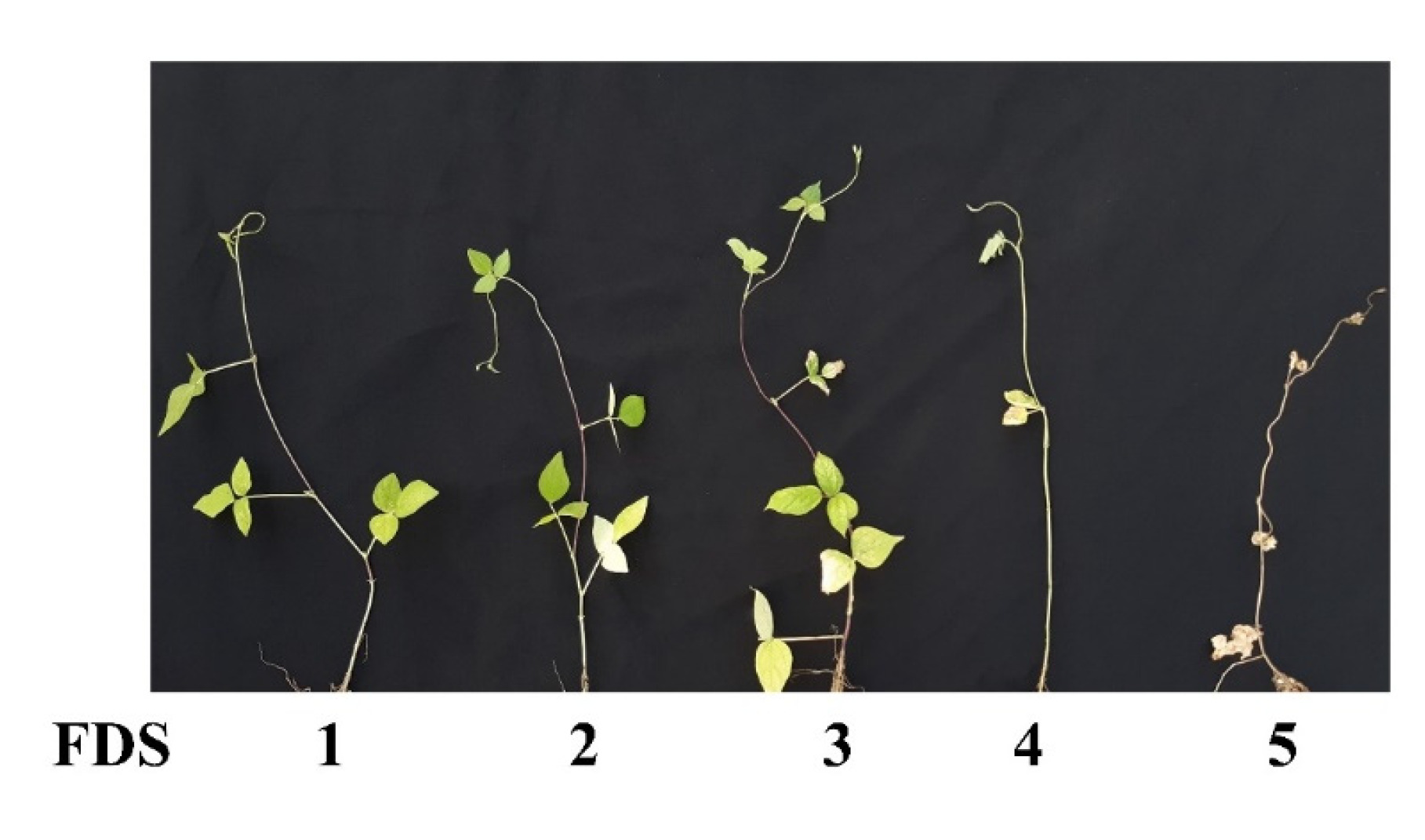
The FDS was evaluated using a scale of 1 to 5 based on the injury levels of leaves after waterlogging, assessing symptoms including yellowish coloration, wilting, and necrotic spots (
Fig. 1). Plants with 0–25% of the total leaf area showing symptoms were rated as 1, those with 25–50% of the total leaf area showing symptoms were rated as 2, those with symptoms present on 50–75% of the total leaf area were rated as 3, those showing symptoms covering 75–100% of the total leaf area were rated as 4, and completely dead plants were rated as 5. The average FDS of four replications was used to classify each accession into one of five tolerance groups: 1.0 ≤ very tolerant (VT) ≤ 1.5 < tolerant (T) < 2.5 ≤ moderately tolerant (MT) ≤ 3.5 < sensitive (S) < 4.5 ≤ very sensitive (VS) ≤ 5.0.
Seeds of 67 wild adzuki bean accessions and 52
V. nakashimae accessions were used in the submergence test at the germination stage. The experiment was conducted under laboratory conditions at a room temperature of 23℃ with two different tests in August 2020 and September 2020, each test contained two replications (
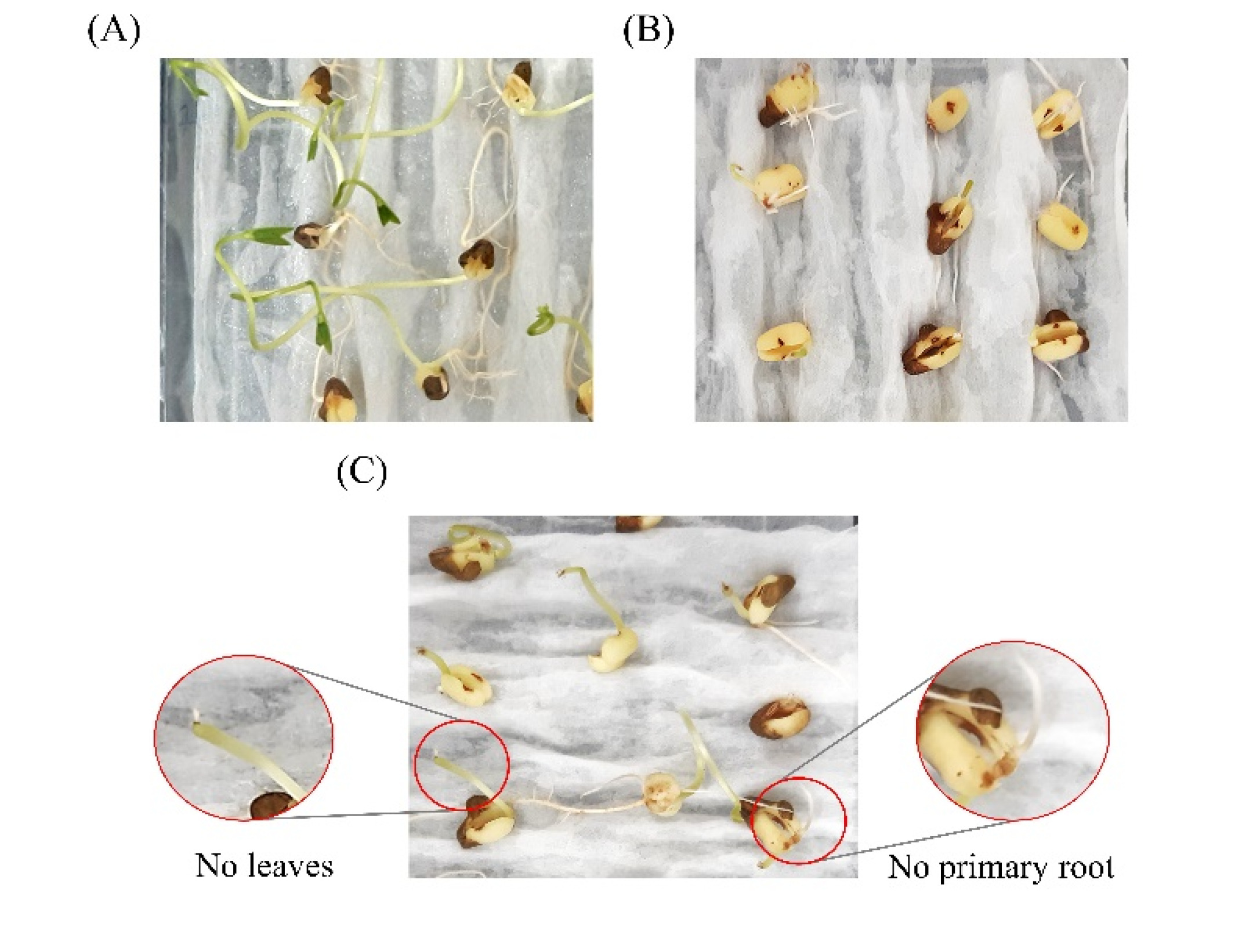
Table S2). After scarification, 10 seeds per accession were sterilized using 70% ethanol. Then, the seeds were submerged in a conical tube containing 50 ml of water for 9 days and sown in Petri dishes with wet towels. As a control treatment, 10 seeds per accession were sterilized and directly sown in a Petri dish with a wet towel. Germination was evaluated on the 5th day after sowing. Seeds with an emerging radicle and epicotyl longer than 1 cm were considered normal germinated seeds. Seeds with stunted primary roots and/or no true leaves after emergence were considered abnormal (
Fig. 2).
The germination and normal seedling rates and their indexes were calculated as
Germination rate (%) = Number of germinated seeds/Number of seeds sown × 100,
Normal seedling rate (%) = Number of normal seedlings/Number of seeds sown × 100,
Germination index = Germination rate after submergence/Germination rate of the control, and
Normal seedling index = Normal seedling rate after submergence/Normal seedling rate of the control.
Data analysis
Statistical analysis was conducted using the tools of SPSS 20.0 (SPSS Inc., Chicago, IL, USA). Pearson’s correlations between flooding response measurements were analyzed and visualized using package
corrplot in R software (
Wei et al. 2017).
Results
Response of cultivated adzuki bean and its relatives to waterlogging at the two-leaf stage
Plants of adzuki beans and its relatives were evaluated using an FDS after a waterlogging treatment at the two-leaf stage, and the average FDS from four replications was calculated and used to classify them into different tolerance groups (
Tables 1,
S3). The average FDSs of accessions in the four species/varieties ranged from 3.41 to 4.44, indicating that adzuki bean and its relatives were moderately sensitive or sensitive to waterlogging stress. However, there were significant differences in FDS between species/varieties (
p < 0.05). Accessions of
V. nakashimae showed the lowest FDS, with an average value of 3.41, followed by wild adzuki bean (4.04) and rice bean (4.14). Cultivated adzuki bean plants showed the highest sensitivity to waterlogging among the species/varieties, with an average FDS of 4.44.
In this study, the tolerances to waterlogging stress of the accessions varied with each Vigna species/variety. Among all 202 evaluated accessions, only one, KLG20132, in V. nakashimae, was classified as very tolerant, and four other V. nakashimae accessions, KLG20025, KLG20125, KLG20128, and KLG20029, were considered tolerant. On the other hand, for all cultivated adzuki bean, rice bean, and wild adzuki bean accessions, responses to waterlogging stress ranged from moderately tolerant to very sensitive. The number of accessions in the moderately tolerant group for cultivated adzuki bean, rice bean, wild adzuki bean, and V. nakashimae were 2, 1, 16, and 15, respectively, accounting for around 2.94%, 3.70%, 22.86%, and 40.54% of the total accessions. For cultivated adzuki bean, 97.06% of accessions displayed FDSs higher than 3.5, which suggests that it is the species/variety most sensitive to waterlogging stress at the two-leaf stage. In addition, wild adzuki bean and rice bean showed sensitive responses to waterlogging, with a high proportion of accessions classified as sensitive or very sensitive (96.29% for wild adzuki bean and 77.14% for rice bean).
Responses of wild adzuki bean and V. nakashimae to submergence at the germination stage.
The responses to submergence during germination of accessions belonging to wild adzuki bean and
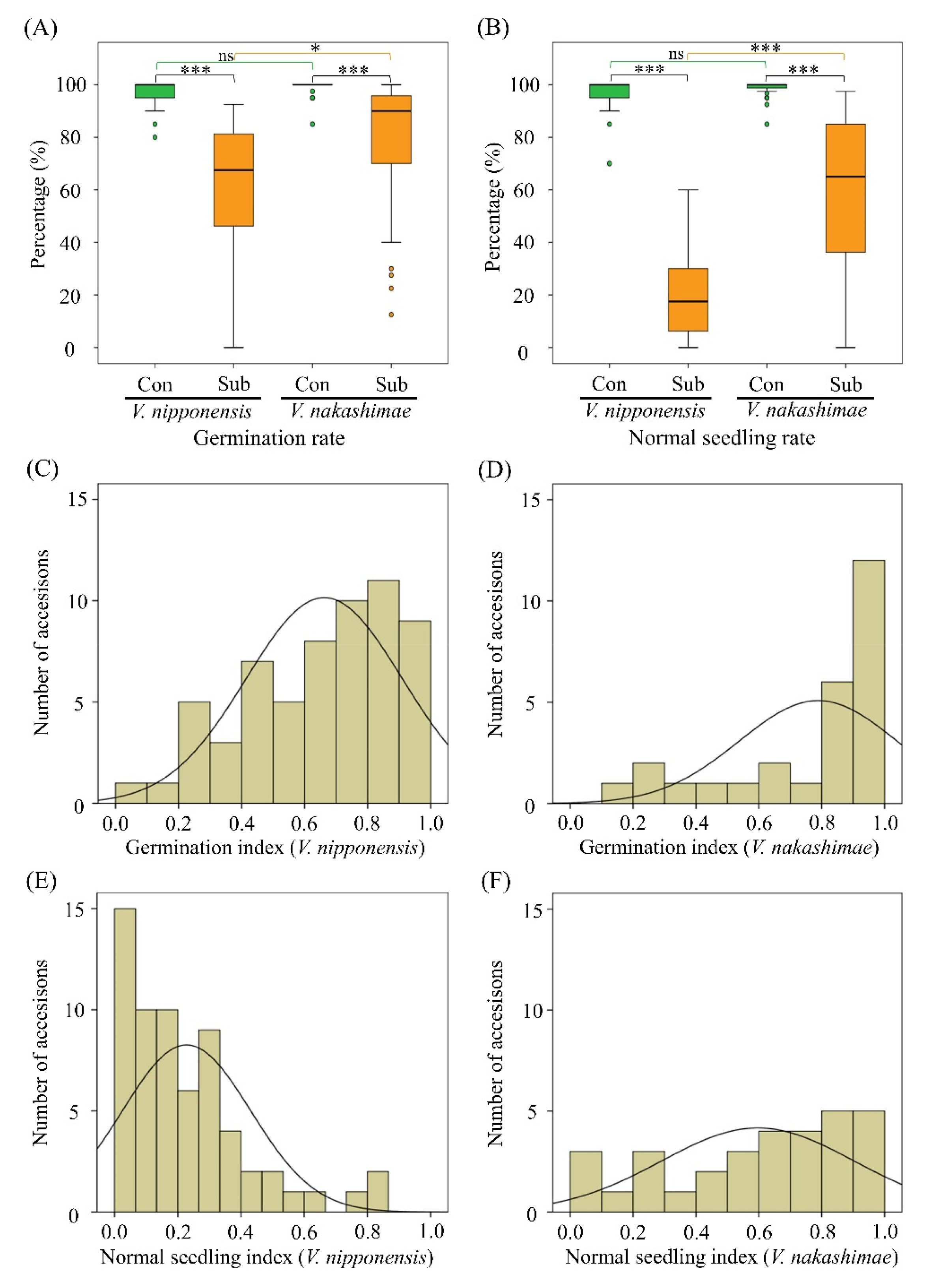
V. nakashimae were evaluated based on their germination and normal seedling rates under control and submergence conditions, and these traits were compared between stressed and control conditions using their germination index (GI) and normal seedling index (NI). The averages of four replications are illustrated in
Fig. 3 and
Table S4. Under control conditions, the average germination and normal seedling rates of accessions in both species were higher than 97%. However, the germination and normal seedling rates decreased significantly under submergence conditions, dropping to 65.56% and 24.38%, respectively, for wild adzuki bean and to 81.63% and 65.58%, respectively, for
V. nakashimae (
Figs. 3A,
3B).
Under control conditions, accessions of
V. nakashimae showed a significantly higher mean germination rate than wild adzuki bean (
p < 0.05), but their normal seedling rates did not differ. However, after 9 days of submergence, the germination and normal seedling rates of
V. nakashimae were both significantly higher than those of wild adzuki bean (
p < 0.01). Accessions with higher GI and NI values were more prevalent in
V. nakashimae than in wild adzuki bean (
Figs. 3C,
3D,
3E,
3F), and the average GI and NI of
V. nakashimae were higher than those of wild adzuki bean. According to their average NI, 0.66,
V. nakashimae accessions showed a moderately tolerant response, while wild adzuki bean accessions, with an average NI of 0.25, were generally sensitive to submergence at the germination stage. In this study, we categorized accessions with NIs no less than 0.9 as very tolerant and accessions with NI values from 0.75 to less than 0.9 as tolerant. Out of the tested accessions, one (1.5%) and four (6.0%) wild adzuki bean accessions were identified as very tolerant and tolerant to submergence, respectively, while 15 (28.8%) and 12 (23.1%)
V. nakashimae accessions were very tolerant and tolerant, respectively. Overall, after submergence,
V. nakashimae showed better performance than wild adzuki bean, with significantly higher germination and normal seedling rates and indexes (
p < 0.05). Interestingly, four
V. nakashimae accessions, KLG20029, KLG20132, KLG20025, and KLG20128, displayed tolerant or very tolerant responses to both waterlogging at the two-leaf stage and submergence at the germination stage (
Fig. 3).
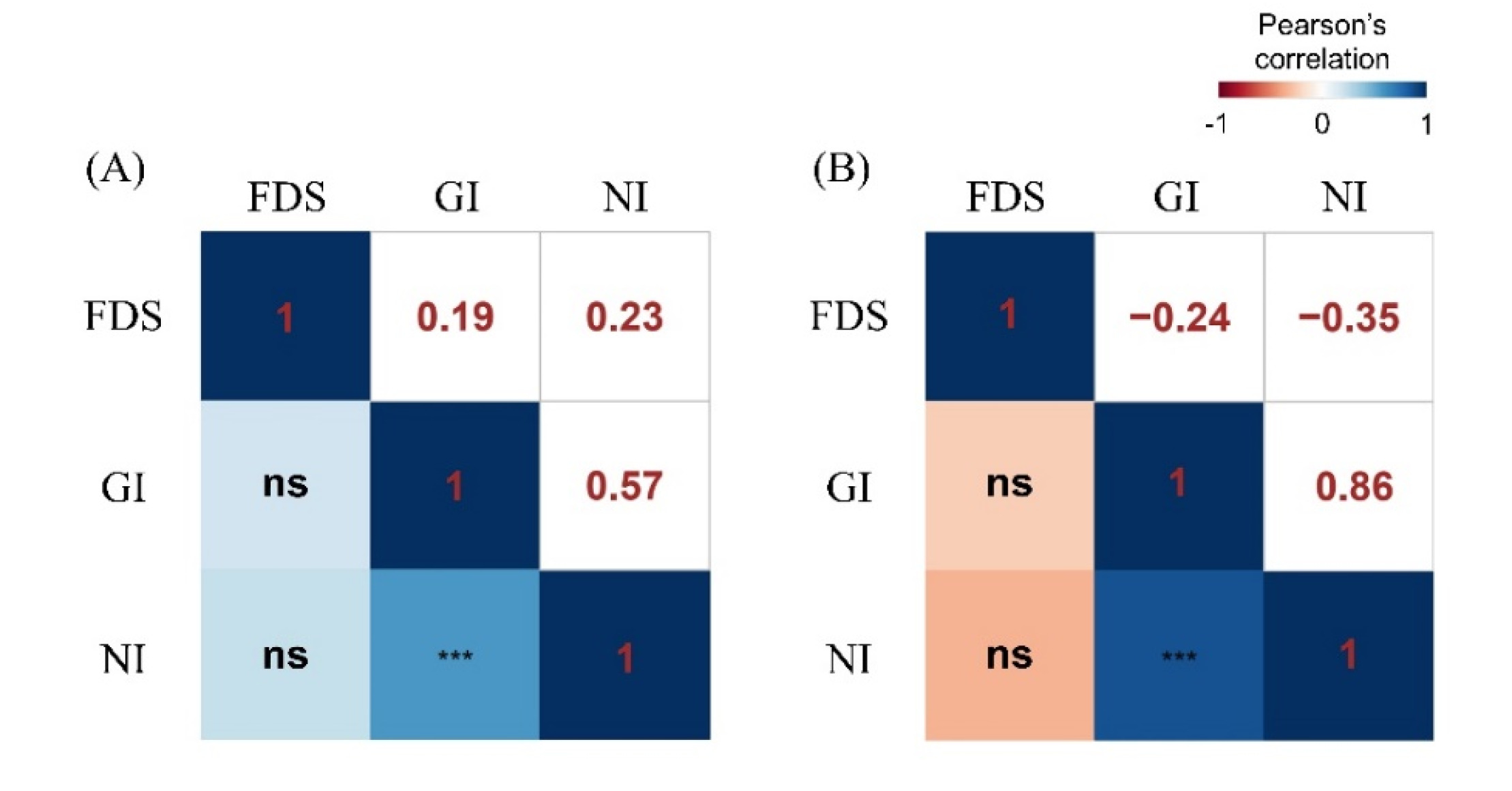
Fig. 4 shows the results of Pearson’s correlation analyses comparing the FDSs, GIs, and NIs of 63 wild adzuki bean accessions and 32
V. nakashimae accessions evaluated after experiencing flooding conditions during the vegetative and the germination stages. There were nonsignificant associations between the FDS and the GI or NI for wild adzuki bean and
V. nakashimae. However, a significant positive correlation between the GI and NI was detected for both species, at the moderate level,
r = 0.57, for wild adzuki bean and at the strong level,
r = 0.86, for
V. nakashimae.
Discussion
Adzuki bean has recently become widely cultivated in Asia. However, Adzuki bean and its relatives’ responses to flooding stress are not fully clear. An FDS was determined based on the yellowing, necrosis, and wilting symptoms of leaves after plants were subjected to waterlogging stress (
Wu et al. 2017;
Shi et al. 2023). In previous studies, waterlogging stress during the early vegetative stage caused a chlorophyll content reduction in cultivated adzuki bean and rice bean leaves (
Jeong et al. 2022;
Kumar et al. 2024). In our study, adzuki bean and its relatives showed moderate to sensitive responses to waterlogging during the two-leaf stage, with mean FDSs ranging from 3.41 to 4.44. Cultivated adzuki bean was the most susceptible to waterlogging, showing the highest FDS, and
V. nakashimae exhibited the highest tolerance. The wide variation of FDSs between accessions within species/varieties and between species suggests that flooding stress tolerance is controlled by genetic factors (
Table 1).
Submergence stress has been shown to inhibit seed germination, producing low germination and normal seedling rates in soybean and field pea (
Wuebker et al. 2001;
Zaman et al. 2019). In the current study, based on the FDS, wild adzuki bean and
V. nakashimae showed better performances than cultivated adzuki bean and rice bean at the vegetative stage, as higher proportions of their accessions were very tolerant, tolerant, and moderately tolerant to waterlogging stress. Generally, wild plant species or varieties have higher genetic variabilities than cultivated crop species. Thus, we focused on the responses of the wild plant types, wild adzuki bean and
V. nakashimae, to submergence during the germination stage. A decrease in germination and normal seedling rates was observed, with greater reductions in wild adzuki bean than in
V. nakashimae. Although the average germination rates of both
Vigna species were higher than 65%, high percentages of abnormal seedlings in some accessions led to a dramatic decrease in the mean value of the normal seedling rate (
Fig. 3). Such decreases might be due to nitrogen deprivation under excess water conditions. The low nitrogen availability during flooding stress at the germination stage was reported to result in the inhibition of the leaf development of seedlings in groundnut (
Song et al. 2023). Wild adzuki bean and
V. nakashimae exhibit hypogeal germination, during which the storage of resources in cotyledons plays an important role in supplying resources for epicotyl emergence of and first leaf emergence and development (
Kabeya et al. 2003,
Yi et al. 2014). However, during submergence stress, the leakage of substances from cotyledons and the seed coat increases, leading to the deprivation of energy for germination (
Zaman et al. 2019;
Zhou et al. 2021). Our findings indicated that
V. nakashimae accessions possessed greater submergence tolerance than accessions of other
Vigna species. While there is limited information on the flooding tolerances of adzuki bean, rice bean, and related species,
V. nakashimae strains were shown to be more tolerant to salt stress than cultivated adzuki bean (
Ogiso-Tanaka et al. 2023).
The tolerances of the wild adzuki bean and
V. nakashimae accessions to flooding stress at the germination and early vegetative stages seem not to be correlated, as evidenced by low, nonsignificant Pearson’s correlation coefficients (
Fig. 4). Low correlations between flooding tolerance indicators at the germination and the vegetative stages have been reported in wild soybean (
Tran et al. 2024). This suggests that a different genetic basis underlies the regulation of plant stress responses at different growth stages (
Foolad et al. 2001;
Tran et al. 2024). However, this study identified four
V. nakashimae accessions showing tolerant or very tolerant responses to flooding stress at both growth stages: KLG20029, KLG20132, KLG20025, and KLG20128. These accessions are promising breeding materials for the development of flooding-tolerant cultivars and could be valuable for genetic research on adzuki bean. Breeding materials of adzuki bean with diverse agronomic traits under field conditions will be essential to advance breeding efforts and to provide a foundation for future studies.
Conclusion
Adzuki bean has been reported to be sensitive to flooding stress, but our knowledge of adzuki bean and rice bean’s responses to flooding is currently limited. This study is an initial step into understanding these responses, providing foundational data on the effects of waterlogging during the vegetative stage and submergence during the germination stage on adzuki bean and its relatives. Among examined accessions, cultivated adzuki bean was the most sensitive to flooding stress at the early vegetative stage, while V. nakashimae showed the greatest tolerance at both growth stages. At the germination stage, the GIs and NIs of wild adzuki bean and V. nakashimae accessions were positively correlated with each other, but neither was significantly associated with the FDSs, which were used to assess waterlogging responses at the two-leaf stage. However, four V. nakashimae lines with low FDSs and high NIs were identified as flooding stress tolerant at both growth stages. Given the cross-compatibility of cultivated and wild Vigna species, these flood-tolerant V. nakashimae accessions could be valuable assets in breeding programs aimed at improving the resistance of cultivated adzuki bean to flooding stress.
Acknowledgments
The authors greatly appreciate the help of Dr. Jiwon Lee and Fu Zhenyu of Kyungpook Nation University.
Fig. 1Example adzuki bean plants illustrating the visual scoring scale used to classify all species/varieties after the waterlogging treatment at the two-leaf stage. A foliar damage score (FDS) was used to rate plants from 1 to 5.
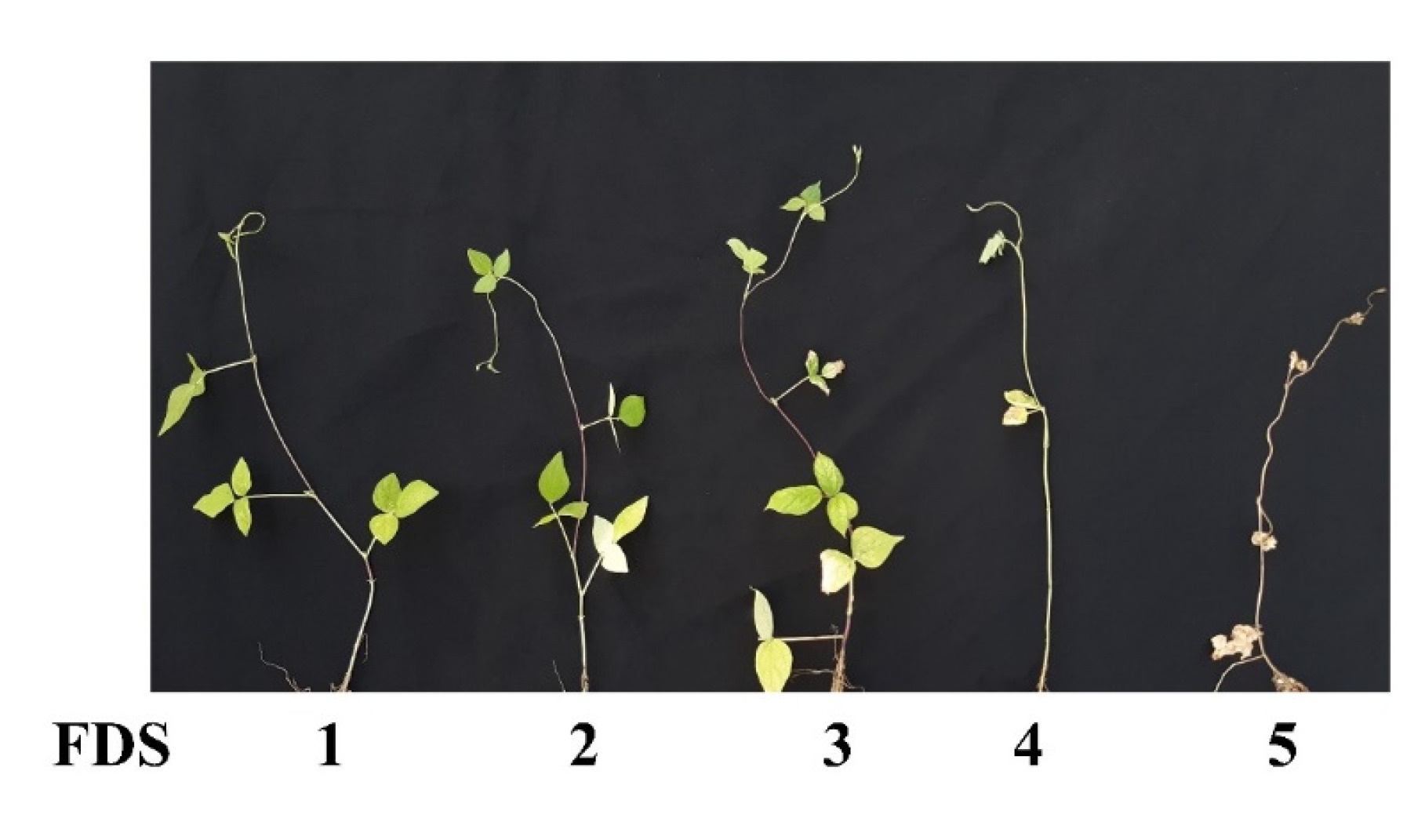
Fig. 2Examples of wild adzuki bean and V. nakashimae seeds illustrating the normal germination phenotype (A), failure to germinate (B), and abnormal germination phenotypes (C). Higher magnification views of abnormal seedlings with no leaf or no primary root are shown in the red circles in (C).
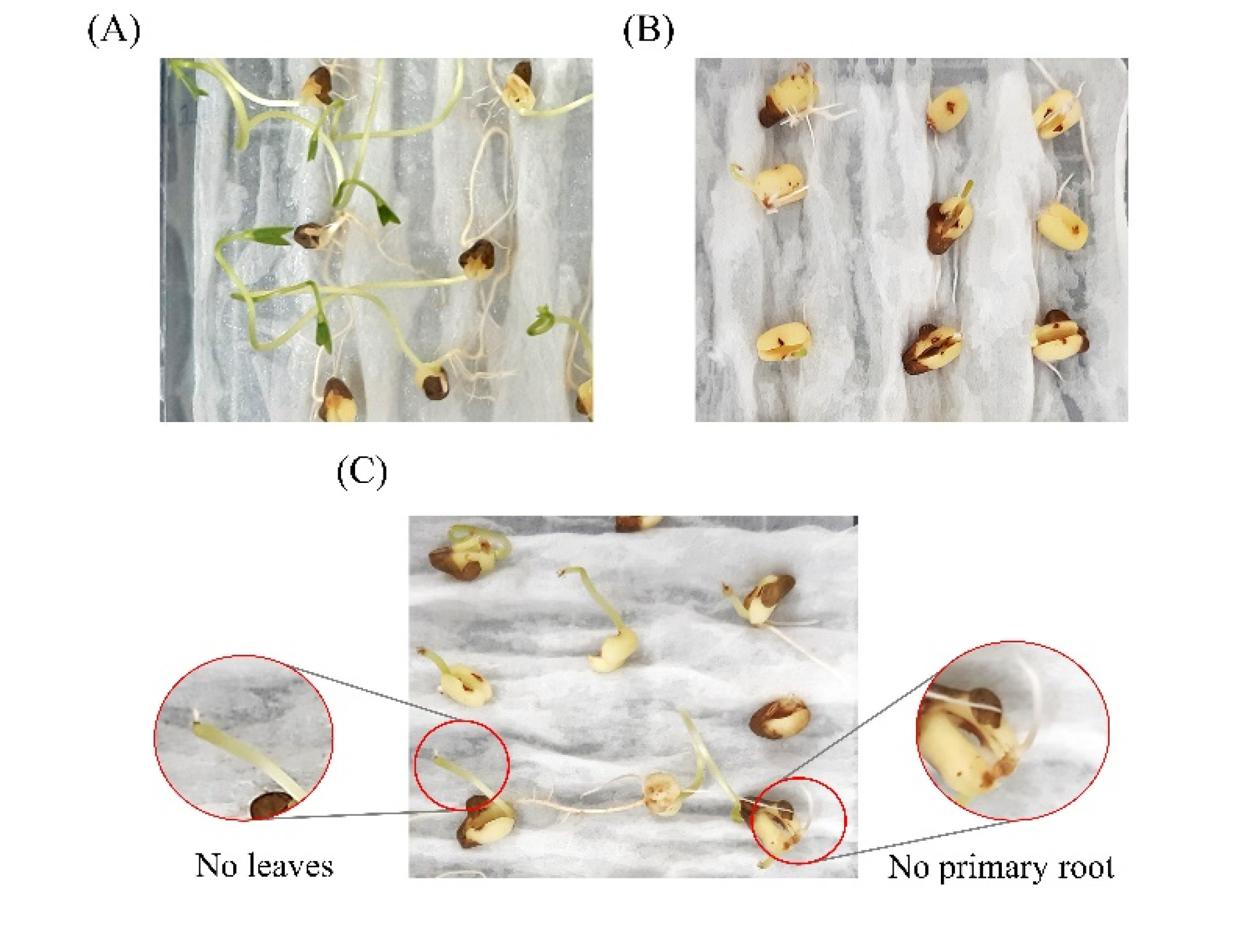
Fig. 3Box plots of the germination and normal seedling rates and frequency distributions of the germination and normal seedling indexes of two Vigna species at the germination stage. (A) The germination rates of wild adzuki bean (V. nipponensis) and V. nakashimae following control (Con; green bars and lines) or submergence (Sub; orange bars and lines) treatment. (B) Normal seedling rates of wild adzuki bean (V. nipponensis) and V. nakashimae following Con (green bars and lines) and Sub (orange bars and lines) treatments. Asterisks indicate the significance levels of differences among treatment and species means based on t-tests: ***, p < 0.001; **, p < 0.01; *, p < 0.05 (ns indicates a nonsignificant difference) (C and D). The frequency distributions of the germination indexes of wild adzuki bean (V. nipponensis) (C) and V. nakashimae (D). (E and F) The frequency distributions of the normal seedling indexes of wild adzuki bean (V. nipponensis) (E) and V. nakashimae (F).
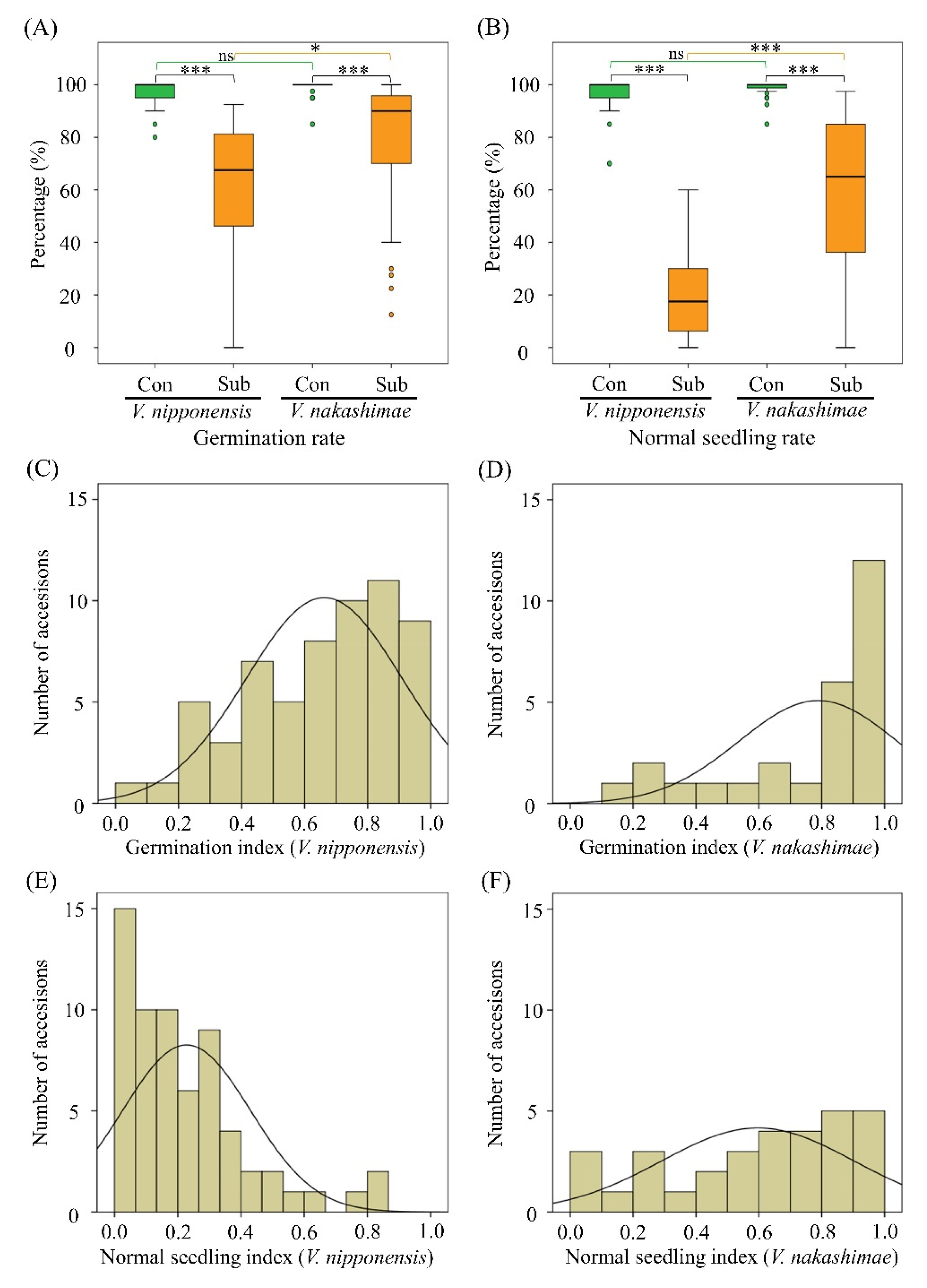
Fig. 4Pearson’s correlation coefficients for the relationships among the foliar damage scores (FDSs) resulting from waterlogging during the two-leaf stage and the germination indexes (GIs) and normal seedling indexes (NIs) after submergence during the germination stage of (A) 63 wild adzuki bean accessions and (B) 32 V. nakashimae accessions. Correlation coefficient values are presented in the upper right cells and the lower left cells include a heatmap and indicators of the significance level: ***, p < 0.001, and ns, p ≥ 0.05.
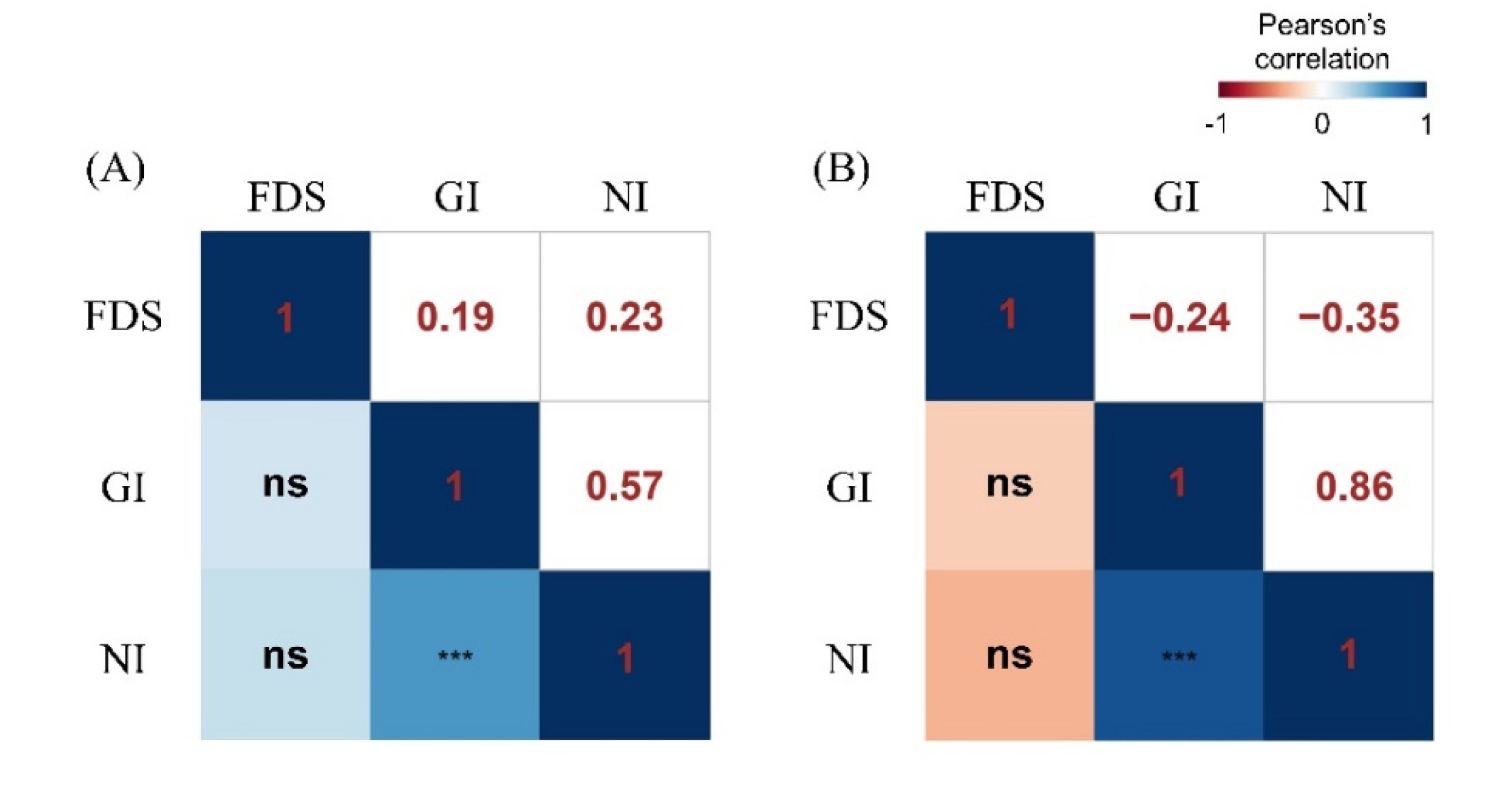
Table 1Tolerance levels of accessions from four Vigna species/varieties based on their foliar damage scores (FDSs) after waterlogging at the two-leaf stage.
Table 1
|
Tolerance groupz
|
Number of accessions |
|
|
V. angularis var. angularis
(cultivated adzuki bean) |
V. umbellata
(rice bean) |
V. angularis var. nipponensis
(wild adzuki bean) |
V. nakashimae
|
|
VT |
- |
- |
- |
1 |
|
T |
- |
- |
- |
4 |
|
MT |
2 |
1 |
16 |
15 |
|
S |
29 |
25 |
35 |
14 |
|
VS |
37 |
1 |
19 |
3 |
|
|
Total number of accessions |
68 |
27 |
70 |
37 |
|
|
Mean ± SD |
4.44 ± 0.48a
|
4.14 ± 0.29b
|
4.04 ± 0.59b
|
3.41 ± 0.77c
|
References
- Atta K, Adhikary S, Mondal S, Mukherjee S, Pal A, Mondal S, et al. 2022. A review on stress physiology and breeding potential of an underutilized, multipurpose legume: Rice bean (Vigna umbellata). Developing climate resilient grain and forage legumes. Springer Nature. London:
- Chun HC, Jung KY, Choi YD, Lee SH, Kang HW. 2016. The growth and yield changes of foxtail millet (Setaria italic L.), proso millet (Panicum miliaceum L. L.) as affected by excessive soil-water. Korean J. Agric. Sci. 43: 547-559.
- Foolad M, Lin G. 2001. Relationship between cold tolerance during seed germination and vegetative growth in tomato: analysis of response and correlated response to selection. J. Am. Soc. Hortic. Sci. 126: 216-220.
- Hisanori S, Tazawa A, Sato H. 2010. Azuki bean cultivation in Hokkaido and breeding at Tokachi Agr. Exp. Station. Proceedings of the 14th NIAS International Workshop on Genetic Resources, Genetics and Comparative Genomics of Legumes (Glycine and Vigna).
- Hodgson A, Holland J, Rayner P. 1989. Effects of field slope and duration of furrow irrigation on growth and yield of six grain-legumes on a waterlogging-prone vertisol. Field Crops Res. 22: 165-180.
- Islam SS, Adhikary S, Mostafa M, Hossain MM. 2024. Vegetable beans: Comprehensive insights into diversity, production, nutritional benefits, sustainable cultivation and future prospects. Online J. Biol. Sci. 24(3): 477-493.
- Jeong HR, Kwon SJ, Yun SH, Park MY, Boo HO, Kim HH, et al. 2022. Growth characteristics and comparative proteome analysis of adzuki bean leaves at the early vegetative stage under waterlogging stress. Korean J. Crop Sci. 67(4): 211-221.
- Kabeya D, Sakai S. 2003. The role of roots and cotyledons as storage organs in early stages of establishment in Quercus crispula: a quantitative analysis of the nonstructural carbohydrate in cotyledons and roots. Ann. Bot. 92: 537-545.
- Kumar S, Singh CM, Kumar M, Purwar S, Kumar H, Mishra A, et al. 2024. Identification and characterization of potential sources of waterlogging tolerance in Vigna species as revealed by physiological, biochemical and gene expression profiling. J. Plant Biochem. Biotechnol. 33: 657-673.
- Manghwar H, Hussain A, Alam I, Khoso MA, Ali Q, Liu F. 2024. Waterlogging stress in plants: Unraveling the mechanisms and impacts on growth, development, and productivity. Environ. Exp. Bot. 224: 105824
- Ogiso-Tanaka E, Chankaew S, Isemura T, Marubodee R, Kongjaimun A, Baba-Kasai A, et al. 2024. Diversity of salt tolerance in Vigna nakashimae, wild related species of the azuki bean (Vigna angularis). Breed. Sci. 74: 166-172.
- Ogiso-Tanaka E, Chankaew S, Yoshida Y, Isemura T, Marubodee R, Kongjaimun A, et al. 2023. Unique salt-tolerance-related QTLs, evolved in Vigna riukiuensis (Na+ Includer) and V. nakashimae (Na+ Excluder), shed light on the development of super-salt-tolerant azuki bean (V. angularis) cultivars. Plants. 12: 1680
- Padhi SR, Gore PG, Tripathi K, Katral A, Chandora R, Abhishek G, et al. 2023. Nutritional potential of adzuki bean germplasm and mining nutri-dense accessions through multivariate analysis. Foods. 12: 4159
- Pandiyan M, Sivakumar P, Krishnaveni A, Sivakumar C, Radhakrishnan V, Vaithiyalingam M, et al. 2021. Adzuki bean. The Beans and the Peas. Woodhead Publishing, Cambridge. pp.89-103.:
- Pattanayak A, Roy S, Sood S, Iangrai B, Banerjee A, Gupta S, et al. 2019. Rice bean: a lesser known pulse with well-recognized potential. Planta. 250: 873-890.
- Rawal V, Navarro DK. 2019. The global economy of pulses. FAO. Rome..
- Shahrajabian MH, Sun W, Khoshkharam M, Zandi P, Cheng Q. 2019. Adzuki beans (Vigna angularis), a traditional Chinese legume for sustainable agriculture and food production. JBES. 13(38): 79-84.
- Shi F, Pan Z, Dai P, Shen Y, Lu Y, Han B. 2023. Effect of waterlogging stress on leaf anatomical structure and ultrastructure of Phoebe sheareri seedlings. Forests. 14: 1294
- Song I, Jeon H, Priatama RA, Gayathri S, Ko K, Lee YK. 2023. Effect of plasma-activated water on peanut seed germination and vegetative growth in a hydroponic system. Plant Biotechnol. Rep. 17: 573-583.
- Takahashi Y, Nasu H, Nakayama S, Tomooka N. 2023. Domestication of azuki bean and soybean in Japan: From the insight of archeological and molecular evidence. Breed. Sci. 73: 117-131.
- Tomooka N. 2009. The origin of rice bean (Vigna umbellata) and azuki bean (V. angularis): the evolution of two lesser-known Asian beans. An illustrated eco-history of the Mekong River Basin. White Lotus Co. Bangkok.
- Tomooka N, Vaughan D, Moss H, Maxted N. 2012. The Asian Vigna: genus Vigna subgenus ceratotropis genetic resources. Springer Nature. London.
- Tran HA, Jo H, Nguyen TC, Lee J-D, Seo HS, Song JT. 2024. Genome-wide association analysis for submergence tolerance at the early vegetative and germination stages in wild soybean (Glycine soja). Agriculture. 14: 1627
- Wang L, Wang J, Cheng X. 2019. Adzuki bean (Vigna angularis (Willd.) Ohwi & Ohashi) breeding. Advances in Plant Breeding Strategies: Legumes. 7: 1-23.
- Wang X, Choi Y-M, Jeon Y-A, Yi J, Shin M-J, Desta KT, et al. 2023. Analysis of genetic diversity in adzuki beans (Vigna angularis): insights into environmental adaptation and early breeding strategies for yield improvement. Plants. 12: 4154
- Wei T, Simko V, Levy M, Xie Y, Jin Y, Zemla J. 2017. Package 'corrplot'. Stat. 56: e24.
- Wu C, Zeng A, Chen P, Florez‐Palacios L, Hummer W, Mokua J, et al. 2017. An effective field screening method for flood tolerance in soybean. Plant Breed. 136: 710-719.
- Wuebker EF, Mullen RE, Koehler K. 2001. Flooding and temperature effects on soybean germination. Crop Sci. 41: 1857-1861.
- Xiang H-T, Li W, He N, Wang Q, Wang M-L, Yang C-J, et al. 2022. Physiological response and effect of S3307 on water stress of adzuki bean root. J. Agric. Sci. Technol. 24(9): 39-49.
- Xiang H, Wan L, Xueyang W, Ning H, Davei C, Manli W, et al. 2021. Exogenous ABA foliar spray treatment alleviates flooding stress in adzuki bean (Vigna angularis) during the seedling stage. Not. Bot. Horti. Agrobot. Cluj. Napoca. 49(4): 12210
- Yi X, Liu C. 2014. Retention of cotyledons is crucial for resprouting of clipped oak seedlings. Sci. Rep. 4: 5145
- Yoshida Y, Marubodee R, Ogiso-Tanaka E, Iseki K, Isemura T, Takahashi Y, et al. 2016. Salt tolerance in wild relatives of adzuki bean, Vigna angularis (Willd.) Ohwi et Ohashi. Genet. Resour. Crop Evol. 63: 627-637.
- Zaman MSU, Malik AI, Kaur P, Ribalta FM, Erskine W. 2019. Waterlogging tolerance at germination in field pea: variability, genetic control, and indirect selection. Front. Plant Sci. 10: 953
- Zhou W, Yang Y, Zheng C, Luo X, Chandrasekaran U, Yin H, et al. 2021. Flooding represses soybean seed germination by mediating anaerobic respiration, glycometabolism and phytohormones biosynthesis. Environ. Exp. Bot. 188: 104491