Abstract
Eleusine indica (goosegrass) is a widespread invasive species that poses a significant threat to global agriculture, particularly due to its evolving resistance to glyphosate. While resistance mechanisms such as the Pro106 mutation in the 5-enolpyruvyl-shikimate-3-phosphate synthase (EPSPS) gene are well-characterized, mechanisms can vary significantly by geography. This study investigated the molecular basis of glyphosate resistance in a Korean genotype of E. indica. Unlike genotype reported in other regions, such as Mexico, no Pro106 mutation was detected in the EPSPS gene of the Korean samples. However, Target Site Resistance (TSR) was suggested to be mediated by significant overexpression of EPSPS in glyphosate-treated plants compared to controls. Concurrently, Non-Target Site Resistance (NTSR) mechanisms played a critical role; differential expression analysis revealed the upregulation of key detoxification gene families, including Cytochrome P450s (CYP450), Glutathione S-transferases (GST), and Glycosyltransferases (GT). Furthermore, Gene Ontology (GO) and KEGG pathway analyses indicated a metabolic shift involving the activation of glutathione metabolism and MAPK signaling, coupled with a suppression of photosynthesis-related pathways, suggesting an energy reallocation strategy for survival. These findings demonstrate that glyphosate resistance in Korean E. indica is likely mediated by a complex interplay of EPSPS overexpression and metabolic adaptation, underscoring the importance of understanding regional genetic diversity for developing effective weed management strategies.
-
Key words: Goosegrass, Glyphosate resistance, Differential gene expression, Herbicide stress response, Gene copy number variation, Non-target-site resistance
Introduction
Eleusine indica, or goosegrass, is a pervasive weed species that poses a significant challenge to agricultural systems worldwide due to its ability to compete with crops for essential resources such as water, light, and nutrients. Although native to tropical and subtropical regions, E. indica has spread globally, thriving as an invasive species in diverse agricultural landscapes. It has adapted to modern cropping systems, particularly in rice, corn, and sugarcane fields, where its presence poses a challenge for weed management strategies. This adaptability, combined with high seed production and tolerance to environmental stressors, makes E. indica a persistent problem in crop management.
Glyphosate, a widely used herbicide, targets 5-enolpyruvyl-shikimate-3-phosphate synthase (EPSPS), a key enzyme in the shikimate pathway responsible for aromatic amino acid biosynthesis in plants. However, extensive reliance on glyphosate has driven the evolution of glyphosate resistance in E. indica. Glyphosate resistance mechanisms include the well-characterized Pro106 mutation in the EPSPS gene, where an amino acid substitution at this position reduces glyphosate binding, thereby conferring resistance. Other mechanisms, such as EPSPS gene amplification and non-target site resistance (NTSR) pathways, have also been identified, highlighting the complexity of resistance evolution.
In this study, we investigated glyphosate resistance in a Korean genotype of E. indica to identify its underlying mechanisms. Specifically, we focused on determining the presence of the Pro106 mutation, assessing EPSPS gene copy number variation (CNV), and analyzing gene expression changes in response to glyphosate treatment. To gain a broader perspective, we integrated Gene Ontology (GO) and Kyoto Encyclopedia of Genes and Genomes (KEGG) pathway analyses to explore the role of NTSR-related mechanisms in resistance. These findings provide a comprehensive understanding of how the Korean genotype of E. indica adapts to herbicide pressure, offering valuable insights into the molecular strategies employed by this species. This study not only sheds light on regional glyphosate resistance but also contributes to foundational research for future global initiatives, such as the E. indica pan-genome project.
Materials and Methods
Plant Growth Conditions and Herbicide Treatment
The seeds of E. indica used in this experiment were collected from the Geumneung area in Jeju, South Korea (33'23"18.72, 126'13"37.02) and are stored in a refrigerator in the Plant Computational Genomics Lab, Department of Agriculture, Chungnam National University. The sampling area is well-known for existing resistant goosegrass genotypes to glyphosate herbicide. The seeds were sown in pots (40 cm in width and 30 cm in length) filled with horticultural soil in a greenhouse. Seeds germinated approximately one week after sowing. When the plants reached the multi-tiller stage (approximately the 5- to 6-leaf stage, 30 days after sowing), they were treated with glyphosate (Hyroad®, ADAMA) at a rate of 840 g ae ha-1 using a sprayer. Young leaves from untreated plants and glyphosate-treated plants were collected at the following time points: control (untreated) and treatment group (14 days after treatment). This time point was specifically selected because distinct morphological symptoms, such as wilting, became evident, allowing for the analysis of transcriptional responses corresponding to visible herbicide injury. The collected young leaves were immediately frozen in liquid nitrogen and stored in a deep freezer at -80℃.
Dose-Response Analysis and GR50 Estimation
To estimate the phenotypic response of
E. indica to glyphosate, a dose-response assay was conducted based on canopy cover reduction. Plants were treated with glyphosate at doses of 0, 420, 840, and 3075 g ae ha
-1. At 14 days after treatment (DAT), green canopy cover was quantified using the Canopeo application (
Patrignani et al. 2015). The raw canopy cover data were normalized and expressed as a percentage of the untreated control.
Non-linear regression analysis was performed using the drc package in the R statistical software environment (
R Core Team 2024;
Ritz et al. 2015). The data were fitted to a four-parameter log-logistic model (LL.4;
Seefeldt et al. 1995) to estimate the GR50 value (the dose required to reduce canopy cover by 50% relative to the control).
Leaves from the control and treated groups, each with three biological replicates, were used for RNA sequencing. RNA was extracted using the Qiagen Plant Mini RNA Extraction Kit (Qiagen, Hilden, Germany) according to the manufacturer's protocol. The concentration and purity of the extracted RNA were measured using a Nano-MD spectrophotometer (Scinco, Seoul, South Korea), while RNA integrity was confirmed by observing distinct 28S and 18S ribosomal RNA bands via agarose gel electrophoresis. Libraries for RNA sequencing were prepared using the KAPA mRNA Kit, and sequencing was performed on the NovaSeq 6000 platform (Illumina, San Diego, CA, USA). The raw RNA-Seq reads generated in this study have been deposited in the NCBI Sequence Read Archive (SRA) under the accession numbers SRX32226267 to SRX32226272.
Transcriptome Assembly
First, we used FastQC (
Andrews 2010) software to evaluate the quality of the raw reads and Trimmomatic v0.4.0 (
Bolger et al. 2014) software to filter out low-quality reads and remove adapter sequences. This preprocessing step was performed to ensure clean reads. We then used HISAT2 (
Kim et al. 2019) software to align all the preprocessed clean reads (three control samples and three treated samples) to the
E. indica genome that was previously constructed (
Lee et al. 2025). This reference assembly is available in the NCBI database under the accession number GCA_040549725.1 (BioProject PRJNA1118439). Crucially, this reference genome was constructed using the identical
E. indica genotype as the samples used for RNA-seq analysis in this study. After alignment, the resulting SAM files were converted to BAM format using Samtools (
Danecek et al. 2021). Finally, we used Samtools flagstat to check the mapping rates.
We used the Cufflinks package (
Trapnell et al. 2012) to calculate the number of reads mapped to each gene in the gene model annotation file and to generate FPKM data for all individual genes. Cuffmerge was used to merge all annotation files into a single assembly file. Differentially expressed genes (DEGs) were identified through statistical analysis using Cuffdiff. Upregulated and downregulated DEGs were with a threshold of log2 (fold change) > 2 and
p-value < 0.05.
To identify and characterize copies of the
EPSPS gene in the genome of
E. indica, we performed a comprehensive analysis. We downloaded the known EPSPS protein (P11043) sequence from Uniprot (
Consortium 2018) and performed a BLASTX (
Camacho et al. 2009) search against the chromosome-scale
E. indica reference genome (
Lee et al. 2025). The use of this reference, which was derived from the identical Korean
E. indica genotype used in this study, ensured the precise identification of endogenous
EPSPS gene copies. The aligned sequences were then searched in the
E. indica gene annotation file to identify regions with complete gene structures.
EPSPS gene sequences of both glyphosate-susceptible and glyphosate-resistant E. indica biotypes were retrieved from UniProt. The obtained sequences were aligned with the E. indica EPSPS gene identified in this study to examine potential mutations in the Pro106 region.
GO and KEGG Enrichment Analysis
Filtered upregulated and downregulated DEGs were identified by running DIAMOND BLASTX (
Camacho et al. 2009) against the Swissprot (
Boeckmann et al. 2003) and NCBI viridiplantae databases to find matching IDs. The Swissprot gene IDs were then converted to GO IDs using Uniprot. Subsequently, REVIGO (
Supek et al. 2011) was used for enhanced GO term analysis. The top 20 categories with the highest enrichment for both upregulated and downregulated genes were filtered. KEGG (
Kanehisa et al. 2011) pathways for the DEGs were identified using KEGG Mapper (
Kanehisa et al. 2020) to search for enriched pathways.
To confirm the absolute copy number of the
EPSPS gene in the
E. indica under study, the sequences of 12 known EPSPS proteins from
E. indica were downloaded from UniProt. These 12 sequences were used as query sequences, and a BLASTP search was conducted against the full protein sequence database derived from the chromosome-scale
E. indica reference genome (
Lee et al. 2025). The BLASTP analysis was performed with default parameters, with the following additional options applied: --id 70 (minimum sequence identity of 70%), --query-cover 80 (minimum query coverage of 80%), --evalue 1e-6 (e-value cutoff of 1e-6), and --ultra-sensitive to increase alignment sensitivity.
The copy number of the
EPSPS gene relative to
eIF4A was detected using the qRT-PCR method. Genomic DNA (gDNA) was extracted from young leaves of
E. indica using the SmartGene DNA (Ⅲ) Extraction Kit (Daejeon, Korea). The concentration and quality of gDNA were determined using a Nano-MD spectrophotometer (Scinco, Seoul, South Korea). Eukaryotic initiation factor 4A (
eIF4A;
Chen et al. 2017b) was used as the reference gene for normalization, based on prior studies that identified
eIF4A as the most stable reference gene in
E. indica. Each reaction contained 10
μL of BioFACT 2X Real-Time PCR Master Mix (Daejeon, Korea), 2
μL of primer F+R (10 pmol/
μL), 2
μL of template gDNA (< 200 ng), and 6
μL of distilled water, for a total volume of 20
μL. The PCR was performed using the CFX96 System and CFX Opus Real-Time PCR Systems with the following reaction conditions: an initial incubation at 95℃ for 15 minutes, followed by 39 cycles of 95℃ for 20 seconds and 62.2℃ for 1 minute 10 seconds. This was followed by 95℃ for 10 seconds, 61℃ for 1 minute 10 seconds, 95℃ for 5 seconds, and a final cooling step at 20℃ for 5 minutes. Fluorescence readings were taken after each cycle to monitor the number of PCR products formed in each reaction. The cycle threshold (Ct), where fluorescence increased exponentially above the baseline, was recorded for each sample. Relative
EPSPS gene copy numbers were calculated using the comparative Ct method as 2^ΔCt (ΔCt = Ct
elF4A - Ct
EPSPS;
Livak et al. 2001).
The EPSPS gene and five DEGs randomly selected from the full set of DEGs were validated using quantitative real-time PCR (qRT-PCR). RNA was first extracted from E. indica using the SmartGene Plant RNA Extraction Kit (Daejeon, Korea), and its concentration and purity were measured using a Nano-MD spectrophotometer (Scinco, Seoul, South Korea). RNA was then converted to cDNA using the SmartGene Compact cDNA Synthesis Kit (Daejeon, Korea) according to the manufacturer's instructions. qRT-PCR analysis was performed using cDNA from three biological replicates on the CFX96 System and CFX Opus Real-Time PCR Systems.
Amplification reactions included 10
μL of BioFACT 2X Real-Time PCR Master Mix (Daejeon, Korea), 2
μL of primer F+R (10 pmol/
μL), 4
μL of template cDNA (< 200 ng), and 4
μL of distilled water, for a total volume of 20
μL. The qRT-PCR parameters were as follows: initial incubation at 95℃ for 15 minutes, followed by 39 cycles of 95℃ for 20 seconds and 62.2℃ for 1 minute 10 seconds. Afterward, the reactions included denaturation at 95℃ for 10 seconds, cooling at 61℃ for 1 minute 10 seconds, gradual heating at 95℃ for 5 seconds, and a final cooling step at 20℃ for 5 minutes. For normalization,
eIF4A was used as an additional reference gene along with acetolactate synthase (ALS), based on previous studies demonstrating its stability in
E. indica (
Chen et al. 2017b). Data from the qRT-PCR experiment were analyzed using a modified relative quantification method (2^-ΔΔCt;
Livak et al. 2001).
Results
Dose-Response Analysis of Glyphosate Effects on Canopy Cover
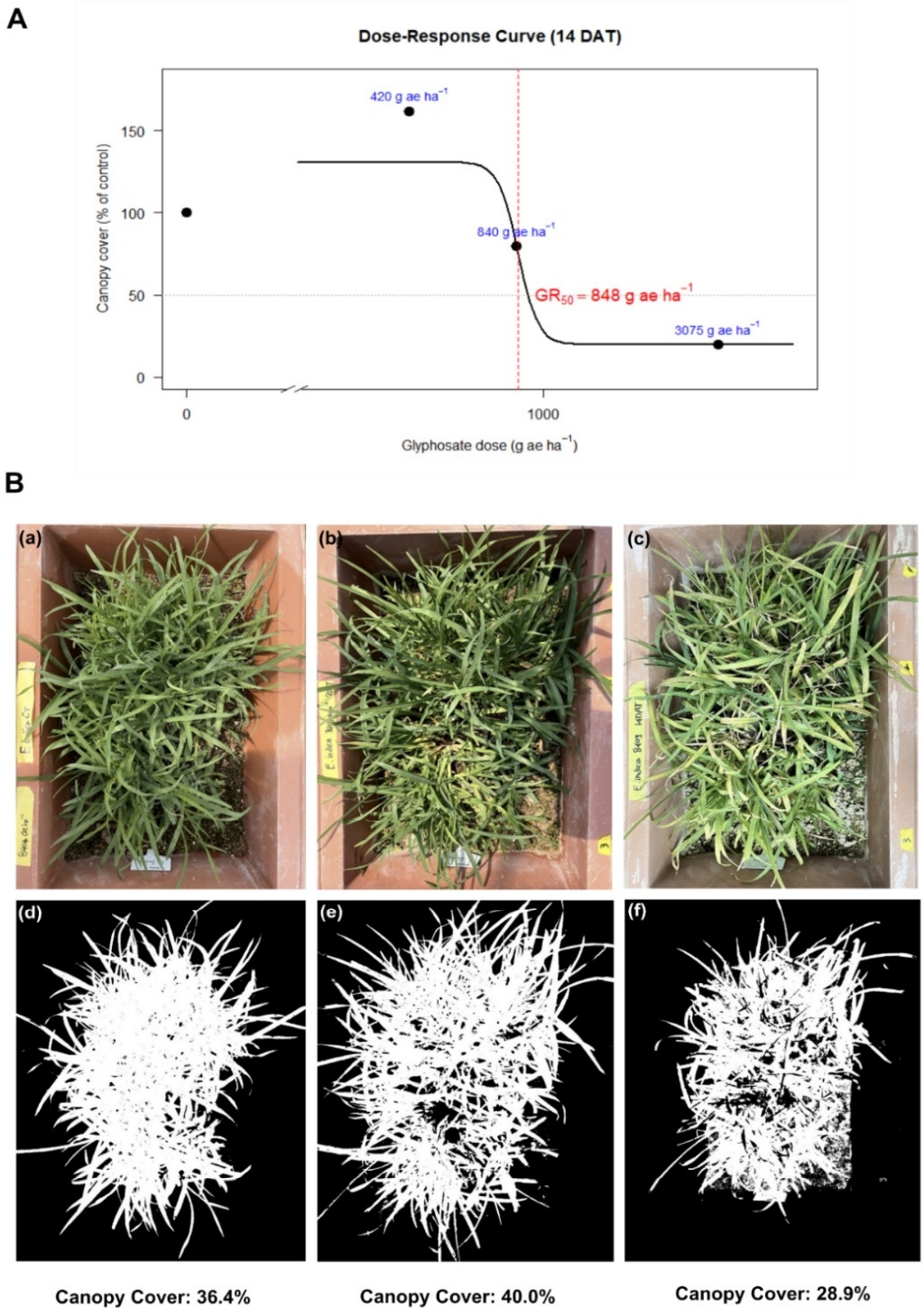
To estimate the phenotypic response of the E. indica genotype to glyphosate, a dose-response analysis was performed based on canopy cover percentages measured using the Canopeo application. Plants were treated with glyphosate at doses of 0, 420, 840, and 3075 g ae ha-1, and canopy cover was monitored at 14 days after treatment (DAT).
As shown in
Fig. 1A, canopy cover decreased with increasing glyphosate dose. Based on a log-logistic regression analysis, the GR50 value, defined as the dose required to reduce canopy cover by 50% relative to the control, was estimated to be approximately 848 g ae ha
-1. Given that this experimental value is highly comparable to the commonly applied dose of 840 g ae ha
-1 (
Chen et al. 2017b;
Chen et al. 2020), the 840 g ae ha
-1 dose was selected for the subsequent RNA-Seq analysis to investigate transcriptional responses associated with glyphosate resistance.
To examine changes in gene expression following glyphosate treatment in
E. indica, the Canopeo application was used to measure leaf density in plants at 7 and 14 days after treatment with 840 g ae ha
-1 of glyphosate and in control plants. Compared to the control group, the treated plants showed minimal visible injury at 7 days after treatment. However, by 14 days post-treatment, leaf density decreased relative to the control group, consistent with the general observation that herbicide effects typically manifest around two weeks after application (
Fig. 1B).
Based on this trend, control and 14 day post-treatment plants were selected for further analysis. RNA was extracted from the leaves of three biological replicates, and sequencing was performed to analyze the gene expression profile. The total raw reads obtained were as follows (
Table 1): 46,248,947 (Treatment-1), 49,790,165 (Treatment-2), 45,671,976 (Treatment-3), 47,338,133 (Control-1), 53,876,801 (Control-2), and 50,109,286 (Control-3). After trimming, high-quality reads were mapped to the
E. indica genome, achieving an average mapping rate of 77.69%.
To investigate the impact of glyphosate treatment on gene expression in
E. indica, differential gene expression analysis was conducted comparing RNA samples from the glyphosate-treated group at 14 days after treatment (GT) with those from the untreated control group (CT). The analysis identified DEGs based on a fold change threshold of ≥ 2 (log2FC ≥ 1) and a
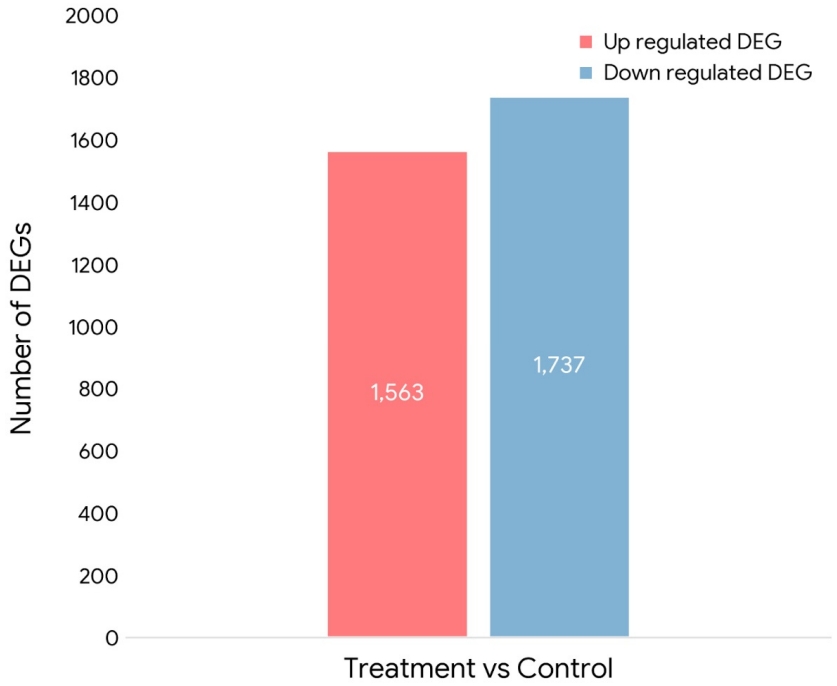
p-value ≤ 0.05, ensuring that the results reflected significant changes in gene expression between the GT and CT groups. As a result, a total of 1,563 upregulated DEGs were identified, indicating genes whose expression levels increased in the GT group compared to the CT group. Additionally, 1,737 downregulated DEGs were identified, representing genes whose expression levels decreased in response to the treatment. These DEGs provide insights into the molecular mechanisms underlying
E. indica's response to glyphosate stress. A summary of these findings (GT vs. CT) is shown in
Fig. 2.
Mutation at the Pro106 Site of the EPSPS Gene
As part of our investigation into Target-Site Resistance (TSR) mechanisms, we examined whether a mutation occurred at the Pro106 position in the
EPSPS gene sequence, which is known to confer increased herbicide resistance. To compare with the
E. indica under study, the EPSPS sequences of glyphosate-susceptible and glyphosate- resistant
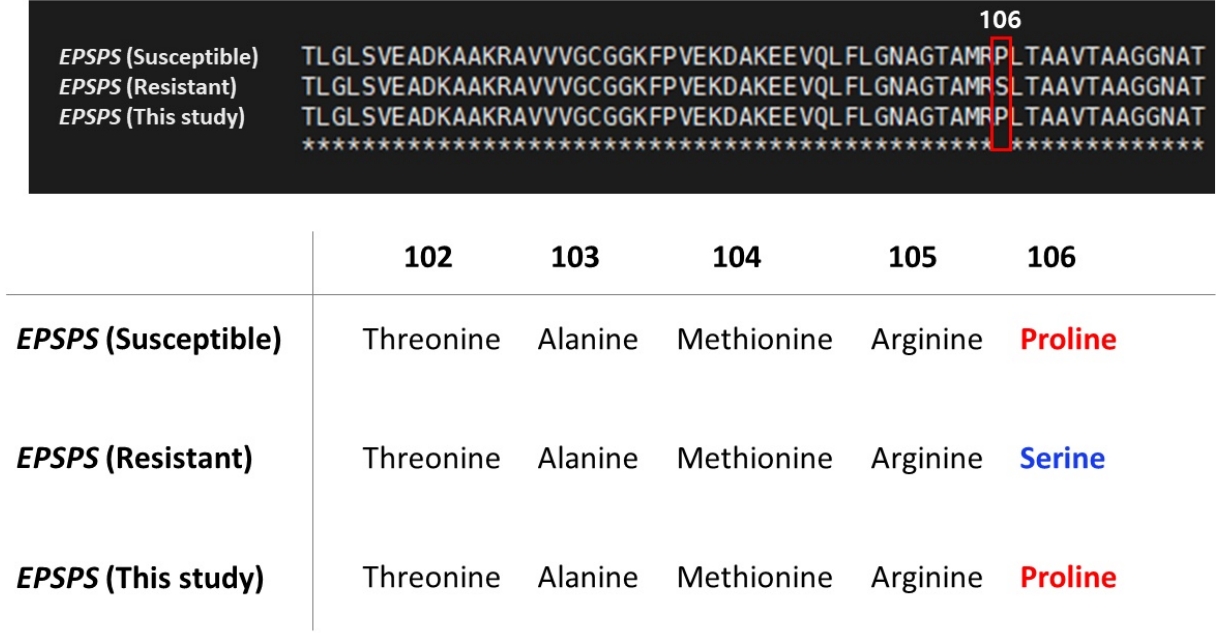
E. indica were aligned (
Fig. 3).
The results showed that there was no mutation at the Pro106 position in the EPSPS sequence of the studied E. indica, which was consistent with the EPSPS sequence of glyphosate-susceptible E. indica. However, in the EPSPS gene of glyphosate-resistant E. indica, proline at position 106 was substituted with serine.
In the E. indica genotype under study, herbicide resistance does not appear to be linked to the Pro106 mutation, suggesting the involvement of other resistance mechanisms.
Copy Number of the EPSPS Gene
As part of the TSR mechanism, we investigated whether glyphosate resistance is associated with an increased copy number of the EPSPS gene by determining its absolute and relative copy numbers. Alignment of the E. indica protein sequences with 12 known EPSPS proteins identified a single corresponding locus among 185 BLAST hits on chromosome 3, indicating that the EPSPS gene is present as a single copy in this genotype.
To determine the relative copy number of the
EPSPS gene, we used
eIF4A, a single-copy gene in
E. indica known to serve as a stable reference gene. The analysis revealed that the
EPSPS gene was present at 1.05 times the copy number of
eIF4A (
Table 2). Based on these findings, it is likely that glyphosate resistance in this genotype is not driven by
EPSPS gene amplification but may be attributed to other resistance mechanisms.
Expression Level of the EPSPS Gene
We investigated whether glyphosate resistance was enhanced due to the high expression level of the
EPSPS gene, a phenomenon closely associated with target-site regulatory responses. The DEG analysis conducted in this study identified that the
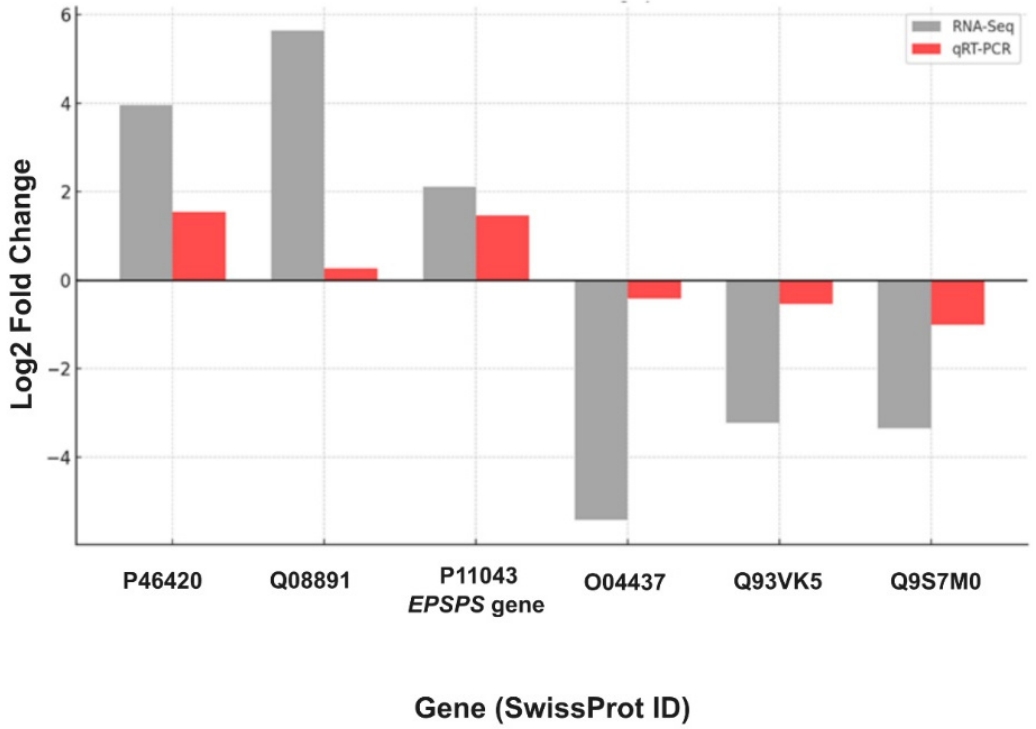
EPSPS gene (P11043) was among the DEGs upregulated in the treatment group compared to the control group. The log
2FC value for P11043 was 2.11 (
Fig. 4), indicating that the expression of the
EPSPS gene was approximately 4.3 times higher in the treatment group than in the control group. This suggests that the
E. indica in the current study responds to glyphosate treatment by increasing the activity of EPSPS, the target enzyme of glyphosate, as a defense mechanism. These findings indicate that inducible EPSPS expression may be associated with glyphosate stress adaptation in
E. indica.
To investigate the herbicide resistance mechanisms influenced by the NTSR mechanism in
E. indica, we annotated DEGs using the SwissProt database. The results revealed that genes encoding key enzymes associated with glyphosate resistance, such as CYP450, GST, and GT, and ABC transporters, showed higher expression in the glyphosate-treated group compared to the control group (
Table 3). Plant detoxification of herbicides is fundamentally governed by a sequential Phase I-II-III metabolic model (
Gaines et al. 2020;
Yuan et al. 2007). In this framework, CYP450 monooxygenases catalyze Phase I oxidative metabolism, introducing reactive functional groups to the herbicide molecules. Following this, Phase II enzymes further detoxify these compounds: GST conjugates glutathione to the oxidized molecules, while GT attaches sugar moieties (glycosylation), significantly reducing their herbicidal activity. Finally, in Phase III, these conjugated metabolites are transported and sequestered into intracellular vacuoles by specific transporters. Consistent with this model, our transcriptomic analysis identified the significant upregulation of multiple ABC transporters in the glyphosate-treated group (
Table 3). This confirms the active engagement of Phase III vacuolar sequestration in
E. indica, perfectly complementing the upstream detoxification processes mediated by CYP450, GST, and GT. Collectively, these enzymes reduce herbicide toxicity and enhance resistance. They all contribute to the detoxification of herbicides or adjust metabolism in a way that enables
E. indica to withstand stress, thereby functioning as part of the NTSR mechanism to increase herbicide resistance. Notably, specific isoforms within these families, particularly GST (e.g., SwissProt ID Q03664) and GT (e.g., SwissProt ID Q7XT97), and ABC transporters (e.g., SwissProt ID Q9C8T1) exhibited the most pronounced induction levels following glyphosate treatment, suggesting they play a pivotal role in the rapid detoxification response. This observation is highly consistent with the findings of
Chen et al. (2017a) and
Deng et al. (2022), who similarly identified through transcriptomic profiling that the pronounced induction of GSTs and related metabolic enzymes acts as a primary driver of NTSR in glyphosate-resistant
E. indica populations.
To further elucidate the systemic influence of NTSR mechanisms on
E. indica, we conducted Gene Ontology (GO) enrichment and KEGG pathway analyses on highly stringent, pre-filtered DEGs (log2FC ≥ 4.0 or ≤ -4.0,
p≤0.05). The top functional categories from each analysis are summarized in
Table 4, with the comprehensive profiling provided in Supplementary Tables S1 and S2. To further visualize the functional distribution and hierarchical organization of the top 20 enriched GO terms, REVIGO-based summary bar charts were generated for both down- and up-regulated DEGs (Supplementary Fig. S1 and S2, respectively). The GO and KEGG analyses revealed that the drastically upregulated genes in the treatment group were heavily concentrated in active stress mitigation and signaling pathways (
Table 4). Key enriched functional terms included defense response (GO:0006952), phosphorylation (GO:0016310), metabolic pathways (map01100), and biosynthesis of secondary metabolites (map01110). The strong induction of these specific pathways indicates that
E. indica triggers an intensive physiological alarm system, actively reprogramming its metabolism to counteract systemic herbicide toxicity. Conversely, the significantly downregulated genes were primarily associated with structural growth and photosynthetic functions (
Table 4). Most notably, explicit pathways governing photosynthesis, such as general photosynthesis (GO:0015979) and Photosynthesis - antenna proteins (map00196), along with cell wall organization (GO:0071555), experienced severe transcriptional suppression. The decreased expression of genes related to these specific photosynthetic components provides definitive molecular evidence of energy redistribution. Based on these results, the coordinated upregulation of robust defense mechanisms and the simultaneous shutdown of critical light-harvesting components strongly indicate an energy reallocation strategy. It appears that the
E. indica under study adapts to extreme glyphosate stress by altering its metabolism, sacrificing energy-intensive growth and photosynthesis to prioritize immediate defense responses and survival.
To validate the reliability of the RNA-seq data, a total of six genes were selected for qRT-PCR analysis. Among them, the EPSPS gene was identified as one of the upregulated DEGs, while the remaining five genes were randomly selected from all DEGs two from the upregulated group and three from the downregulated group. These genes were analyzed to compare their expression levels between the glyphosate-treated and control plants.
As shown in
Fig. 4, the qRT-PCR results closely mirrored the RNA-seq findings, with all six genes exhibiting consistent expression trends between the two methods. This reasonable concordance between RNA-seq and qRT-PCR results confirms the accuracy and reliability of the transcriptomic data.
Discussion
Target-Site-Related Resistance and the Boundary of Transcriptional Induction
The repeated use of herbicides over an extended period has driven the evolution of several herbicide-resistant weed species. Effective management of these weeds is crucial for improving crop productivity. Our study focused on understanding the dual mechanisms of herbicide resistance—target-site-related responses and NTSR—in glyphosate- resistant E. indica native to Korea.
Our findings revealed that glyphosate resistance in
E. indica involves both target-site-directed regulatory mechanisms and NTSR pathways. While no Pro106 mutation in the glyphosate target EPSPS was observed and the gene was confirmed to exist essentially as a single copy, the glyphosate-treated group exhibited significantly higher expression of the
EPSPS gene compared to the control group at 14 DAT. It is critical to acknowledge the interpretive boundary of classifying this phenomenon strictly as conventional Target-Site Resistance (TSR). Conventionally, TSR is characterized by target-site mutations or constitutive gene amplification. For example, while (
Gherekhloo et al. 2017) documented EPSPS overexpression co-occurring with a Pro106-Ser mutation,
Zhang et al. (2018) demonstrated that alterations in the 5' UTR regulatory element of the
EPSPS gene underlie constitutive overexpression- based TSR in
E. indica without target-site mutation. In contrast, the EPSPS overexpression observed in our study is inducible—driven by transcriptional upregulation following herbicide application rather than structural gene amplification or constitutive promoters. Therefore, this inducible overexpression occupies an ambiguous position at the TSR/NTSR boundary; while it directly increases the availability of the target enzyme to sequester the herbicide, it is fundamentally a systemic transcriptional stress response. Indeed, as previously highlighted in the literature, increased gene expression can serve as the fundamental basis for both target-site and non-target-site resistance (
Yuan et al. 2007), further demonstrating that
E. indica leverages a complex, integrated gene regulatory network to survive herbicide stress.
Interestingly, previous studies have reported different TSR mechanisms for
E. indica. For instance, a 2017 study in Mexico (
Gherekhloo et al. 2017) found that
E. indica genotype from that region exhibited glyphosate resistance due to both Pro106-Ser mutation and EPSPS overexpression. In contrast, our study provides the first report elucidating the resistance mechanisms in a Korean
E. indica genotype, where such target-site mutations were absent. These findings, although differing from our results, underscore the genetic diversity within
E. indica, which can lead to varied and complex resistance mechanisms influenced by genetic variation and geographical context. Consequently, developing comprehensive genomic resources for
E. indica across diverse geographical regions is essential to better understand its resistance dynamics.
Our study also delved into the NTSR mechanisms, which confer resistance by modulating metabolic pathways rather than directly altering herbicide-targeted genes. Among the differentially expressed genes (DEGs) between control and treatment groups, we identified key genes encoding enzymes such as CYP450, GST, and GT, which play pivotal roles in reducing herbicide toxicity and enhancing plant tolerance. These genes were significantly upregulated under glyphosate treatment, demonstrating that E. indica adjusts its metabolism and activates detoxification pathways to respond to herbicide stress.
Metabolic Reprogramming under Glyphosate Stress
Pathway-level analyses further revealed that NTSR is associated with substantial metabolic reprogramming under glyphosate stress. These analyses revealed that pathways associated with glutathione metabolism and MAPK signaling (well established mechanisms of NTSR) were significantly upregulated in response to glyphosate. It is important to note that while these pathway shifts were observed under glyphosate treatment, they largely reflect a general plant stress and detoxification response often triggered by herbicide-induced oxidative stress rather than a glyphosate-specific mechanism. These metabolic adjustments illustrate how E. indica prioritizes survival under stress. Concurrently, pathways related to plant growth, such as photosynthesis and light reactions, were suppressed, suggesting a physiological trade-off, where metabolic resources are prioritized for stress defense mechanisms at the expense of primary growth processes
Integrated Resistance Mechanisms and Implications
Taken together, our results demonstrate that glyphosate resistance in E. indica is governed by an integrated network of TSR and NTSR mechanisms. While TSR contributes through EPSPS gene overexpression, NTSR complements this resistance by activating detoxification pathways and metabolic adjustments. This multifaceted strategy enables E. indica to adapt and thrive under glyphosate treatment.
Ultimately, our findings highlight the importance of a comprehensive weed management approach targeting both TSR and NTSR mechanisms. Developing control strategies that address the dual resistance pathways can enhance the effectiveness of weed management practices. Furthermore, this study provides insights into the evolutionary dynamics driving herbicide resistance in different populations and environments. By understanding the diverse mechanisms underlying glyphosate resistance, we can develop targeted and sustainable solutions to mitigate the spread of resistant weeds, ensuring long-term agricultural productivity
Notes
-
Acknowledgments
This work was supported by the National Research Foundation of Korea (NRF) grant funded by the Korea government (MSIT) (RS-2025-24535664).
Fig. 1.(A) Dose-response curve based on canopy cover reduction at 14 days after treatment (14 DAT). The log-logistic regression model indicates the estimated GR50 value of 848 g ae ha-1 (red dashed line). (B) Visual assessment of glyphosate-induced injury at the recommended field dose of 840 g ae ha-1. (a-c) Representative original images of untreated control, 7 DAT, and 14 DAT plants, respectively. (d-f) Corresponding binary images generated from (a-c) using the Canopeo application. White pixels represent living green tissue, while black pixels indicate necrotic tissue or background. The percentage of green canopy cover is displayed below each binary image.
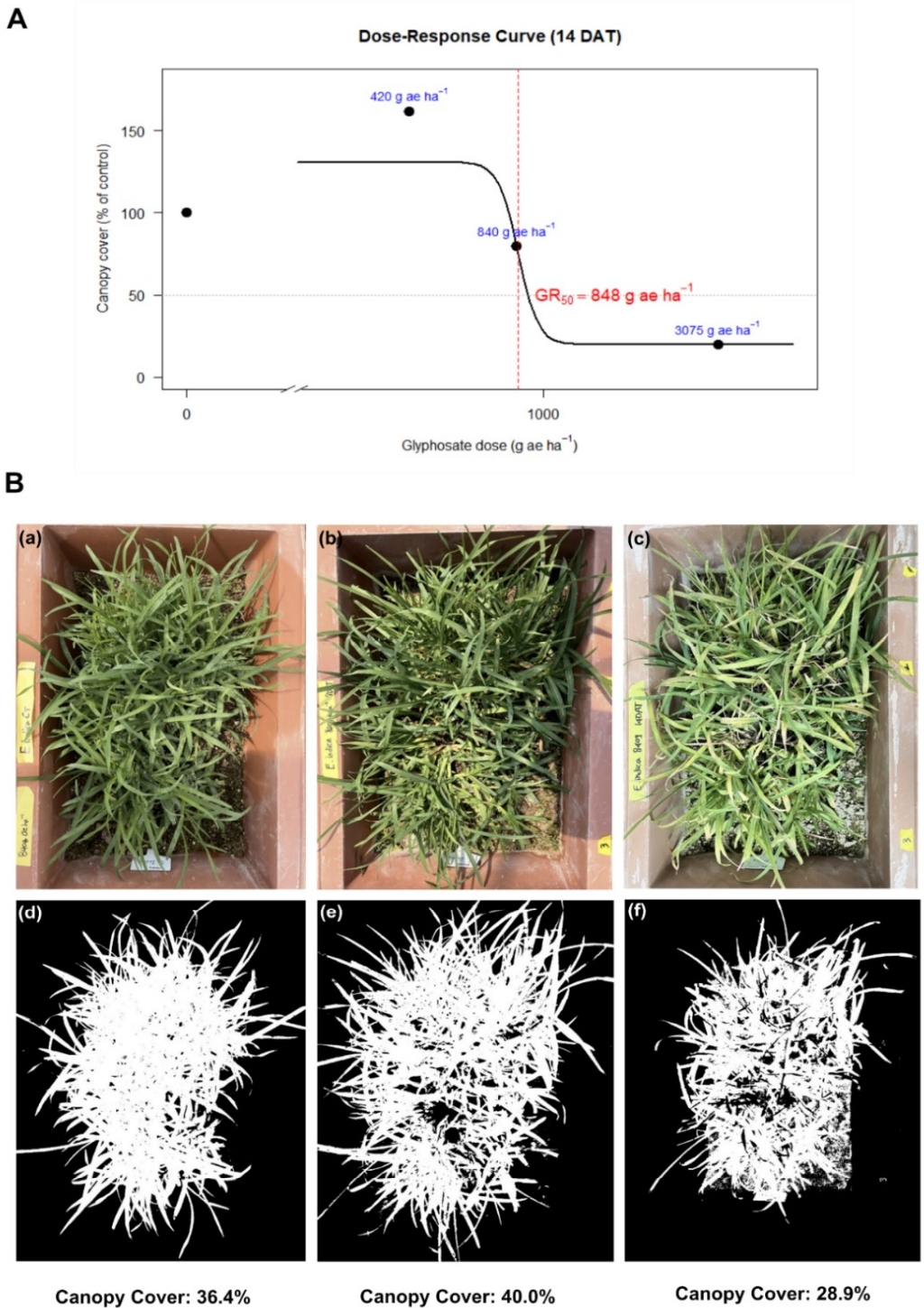
Fig. 2.Number of differentially expressed genes (DEGs) between the glyphosate treatment group (GT) and the untreated control group (CT) in Eleusine indica. The bar chart represents the total count of up-regulated (red) and down-regulated (blue) genes at 14 days after treatment (14 DAT).
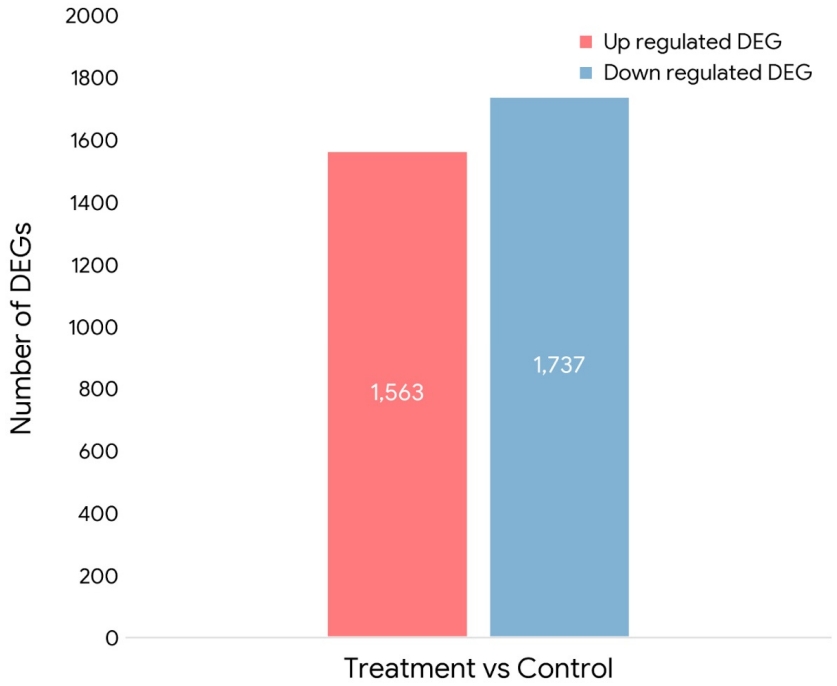
Fig. 3.Comparison of deduced amino acid sequences of the EPSPS gene in Eleusine indica. The alignment focuses on the conserved region surrounding codon 106. (Top) Multiple sequence alignment showing the absence of the Pro-106-Ser (P106S) mutation in the E. indica genotype used in this study. The red box indicates position 106. (Bottom) Detailed comparison of amino acid residues from positions 102 to 106.
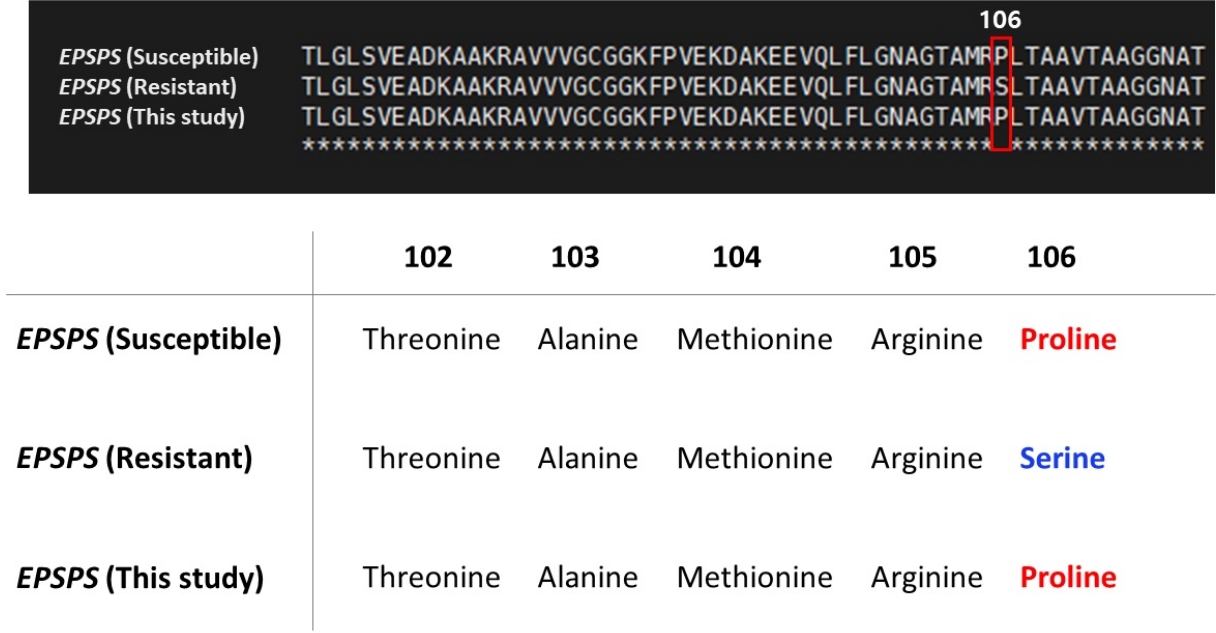
Fig. 4.Expression levels and validation of herbicide-responsive DEGs using qRT-PCR. The expression levels of six differentially expressed genes (DEGs), including EPSPS (P11043), were compared between RNA-Seq (gray bars) and qRT-PCR (red bars) results. The Y-axis represents the log2 fold change (Log2FC) in the glyphosate-treated group (14 DAT) compared to the control group. The qRT-PCR data represent the mean of three biological replicates. Note the consistent expression patterns between the two platforms, confirming the reliability of the transcriptome analysis.
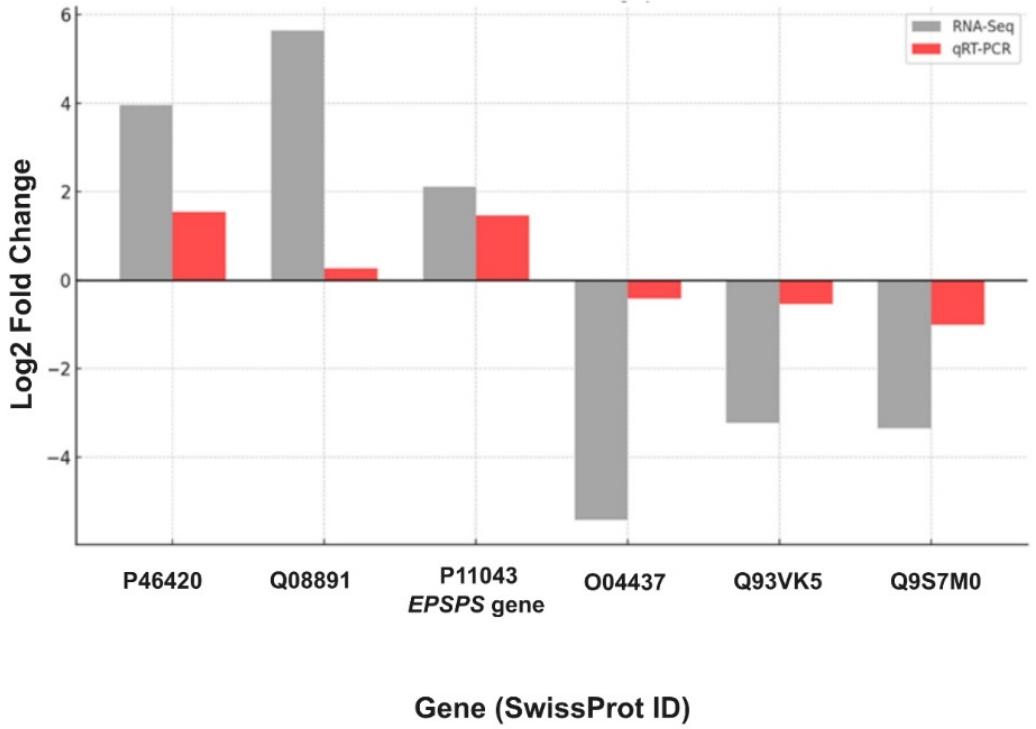
Table 1.Total RNA sequencing reads from control and glyphosate-treated Eleusine indica samples.
Table 1.
|
Replication |
Control |
Treatment |
|
1 |
47,338,133 |
46,248,947 |
|
2 |
53,876,801 |
49,790,165 |
|
3 |
50,109,286 |
45,671,976 |
Table 2.Estimation of EPSPS gene copy number in Eleusine indica using quantitative real-time PCR (qPCR).
Table 2.
|
Biological Replicate |
EPSPS average Ct |
eIF-4 average Ct (Reference) |
ΔCt (Ct eIF-4 -Ct EPSPS) |
Relative EPSPS Copy Number (2ΔCt) |
|
1 |
26.88 |
26.77 |
-0.11 |
0.93 |
|
2 |
26.54 |
26.39 |
-0.15 |
0.9 |
|
3 |
27.02 |
27.41 |
0.39 |
1.31 |
Table 3.Annotation of differentially expressed genes (DEGs) associated with non-target-site resistance (NTSR) mechanisms using the SwissProt databse.
Table 3.
|
Enzyme |
SwissProt ID |
FPKM (GT) |
FPKM (CT) |
|
Cytochrome P450 |
O64697 |
4.72 |
0.69 |
|
Q2MJ19 |
5.09 |
0.58 |
|
A0A517FNC7 |
4.72 |
0.32 |
|
Q6YTF5 |
3.80 |
0.86 |
|
O81970 |
3.24 |
0.48 |
|
Q43257 |
7.56 |
1.49 |
|
Q7X7X4 |
1.52 |
0.18 |
|
A0A1D6HSP4 |
78.69 |
18.86 |
|
Q9FVS9 |
23.61 |
3.18 |
|
A0A517FNC4 |
10.48 |
1.26 |
|
Glutathione S-transferase (GST) |
Q03664 |
129.2 |
23.00 |
|
O65857 |
6.67 |
0.31 |
|
Q8L7C9 |
32.30 |
4.89 |
|
P46420 |
50.74 |
8.24 |
|
Q84TK0 |
4.48 |
0.99 |
|
Glycosyltransferase (GT) |
Q8H0F2 |
11.05 |
0.19 |
|
Q66PF2 |
3.42 |
0.62 |
|
Q65XS5 |
14.94 |
1.70 |
|
Q9SKA3 |
1.134 |
0.22 |
|
F8WKW1 |
8.85 |
0.62 |
|
Q9LY62 |
3.60 |
0.55 |
|
Q7XT97 |
81.92 |
7.73 |
|
Q10I20 |
7.87 |
1.19 |
|
B3VI56 |
6.23 |
0.82 |
|
Q9SGA8 |
35.83 |
6.94 |
|
ABC transporter |
Q9FWX7 |
67.25 |
1.39 |
|
Q8GU89 |
6.22 |
0.33 |
|
O80725 |
86.80 |
9.32 |
|
H9BZ66 |
13.00 |
0.03 |
|
Q9LJX0 |
19.91 |
0.79 |
|
Q9LZJ5 |
3.81 |
0.39 |
|
Q9FF46 |
1.43 |
0.28 |
|
Q8GU83 |
1.53 |
0.35 |
|
A2WSH0 |
80.18 |
10.11 |
|
Q8LGU1 |
3.21 |
0.26 |
|
Q9M0M2 |
47.59 |
7.90 |
|
Q9C8T1 |
113.03 |
6.46 |
|
Q8GU84 |
5.02 |
1.19 |
|
Q9STT5 |
19.66 |
0.87 |
Table 4.Summary of the top 20 functional categories and pathways of highly significant differentially expressed genes (DEGs) associated with glyphosate resistance in Eleusine indica.
Table 4.
|
Regulation |
Category |
Term/Pathway ID |
Description |
Gene Count (%) |
Representative Gene Identifiersz)
|
|
Up |
GO:BP |
GO:0006952 |
Defense response |
17 |
Q2R2D5, Q0JHU5, Q9FHJ2 .etc |
|
GO:BP |
GO:0016310 |
Phosphorylation |
16 |
Q2R2D5, Q0D5R2, C0LGP4 .etc |
|
GO:BP |
GO:0050832 |
Defense response to fungus |
11 |
Q9SS31, P29062, Q6JN47 .etc |
|
GO:BP |
GO:0009651 |
Response to salt stress |
10 |
P27777, P24631, Q9FMU6 .etc |
|
GO:BP |
GO:0009737 |
Response to abscisic acid |
8 |
O80888, Q9LKA1, Q8LD98 .etc |
|
GO:CC |
GO:0005886 |
Plasma membrane |
39 |
Q2R2D5, Q6JN47, Q0D5R2 .etc |
|
GO:CC |
GO:0005634 |
Nucleus |
36 |
Q7X7A4, Q9LVC3, Q2R2D5 .etc |
|
GO:CC |
GO:0016020 |
Membrane |
23 |
Q9SA63, Q8GXB4, Q8GU89 .etc |
|
GO:CC |
GO:0005737 |
Cytoplasm |
18 |
Q9LVC3, P27777, O65857 .etc |
|
GO:CC |
GO:0009507 |
Chloroplast |
14 |
Q9ZU46, B8A7A3, Q93VD5 .etc |
|
GO;MF |
GO:0005524 |
ATP binding |
35 |
Q2R2D5, Q0D5R2, P0DH86 .etc |
|
GO;MF |
GO:0046872 |
Metal ion binding |
25 |
Q89703, Q8S0S6, Q0JHU5 .etc |
|
GO;MF |
GO:0106310 |
Protein serine kinase activity |
16 |
Q2R2D5, P0DH86, Q9ZU46 .etc |
|
GO;MF |
GO:0004674 |
Protein serine/threonine kinase activity |
16 |
Q2R2D5, Q0D5R2, P0DH86 .etc |
|
GO;MF |
GO:0003677 |
DNA binding |
13 |
Q8H7M1, Q9XEF0, Q89703 .etc |
|
KEGG |
map01100 |
Metabolic pathways |
22 |
A0A0P0XCU3, F4IAX0, F4J0A8 .etc |
|
KEGG |
map01110 |
Biosynthesis of secondary metabolites |
17 |
A0A0P0XCU3, F4IAX0, O49485 .etc |
|
KEGG |
map04141 |
Protein processing in endoplasmic reticulum |
5 |
P27777, Q10P60, Q67X83 .etc |
|
KEGG |
map04626 |
Plant-pathogen interaction |
4 |
P59220, Q2R2D5, Q6JN47 .etc |
|
KEGG |
map00500 |
Starch and sucrose metabolism |
4 |
A0A0P0XCU3, Q0J0G2, Q60DX8 .etc |
|
Down |
GO:BP |
GO:0016310 |
Phosphorylation |
8 |
Q9ZNQ8, Q0WUY1, I1Z695 .etc |
|
GO:BP |
GO:0015979 |
Photosynthesis |
7 |
P36886, P13194, P80883 .etc |
|
GO:BP |
GO:0071555 |
Cell wall organization |
7 |
Q9LD07, Q7PC76, Q9AV71 .etc |
|
GO:BP |
GO:0050832 |
Defense response to fungus |
6 |
Q42580, Q9FMM3, Q8L5C6 .etc |
|
GO:BP |
GO:0009416 |
Response to light stimulus |
6 |
P14278, Q570B4, Q9LVB9 .etc |
|
GO:CC |
GO:0005634 |
Nucleus |
27 |
Q9S9N6, Q7XIM7, Q9LP65 .etc |
|
GO:CC |
GO:0005886 |
Plasma membrane |
25 |
H9BZ66, Q9ATM5, Q9LP65 .etc |
|
GO:CC |
GO:0005737 |
Cytoplasm |
24 |
Q6ZJK7, O48791, Q94LP4 .etc |
|
GO:CC |
GO:0016020 |
Membrane |
20 |
Q0D5P3, Q9XF63, Q9ATM5 .etc |
|
GO:CC |
GO:0009535 |
Chloroplast thylakoid membrane |
19 |
P27521, F4JIK2, Q9S9N6 .etc |
|
GO;MF |
GO:0046872 |
Metal ion binding |
33 |
P27521, Q7F8T6, Q42580 .etc |
|
GO;MF |
GO:0005524 |
ATP binding |
19 |
H9BZ66, Q9ZNQ8, Q0WUY1 .etc |
|
GO;MF |
GO:0003729 |
mRNA binding |
7 |
P27521, Q9SQZ1, Q9FMM3 .etc |
|
GO;MF |
GO:0020037 |
Heme binding |
7 |
Q42580, P27337, M1KXD0 .etc |
|
GO;MF |
GO:0003677 |
DNA binding |
6 |
Q7XIM7, Q10CH5, A6BLW4 .etc |
|
KEGG |
map01100 |
Metabolic pathways |
25 |
A0A072VDF2, A0A0P0VI36, B6TRH4 .etc |
|
KEGG |
map01110 |
Biosynthesis of secondary metabolites |
17 |
A0A072VDF2, A0A0P0VI36, B6TRH4 .etc |
|
KEGG |
map00196 |
Photosynthesis - antenna proteins |
5 |
P12329, P14278, P27497 .etc |
|
KEGG |
map04016 |
MAPK signaling pathway - plant |
4 |
I1Z695, Q658G7, Q65XG6 .etc |
|
KEGG |
map04814 |
Motor proteins |
3 |
F4K5J1, P53492, Q43695 |
References
- Andrews S. 2010. FastQC: A quality control tool for high throughput sequence data. https://www.bioinformatics.babraham.ac.uk/index.html
- Boeckmann B, Bairoch A, Apweiler R, Blatter M-C, Estreicher A, Gasteiger E, et al. 2003. The SWISS-PROT protein knowledgebase and its supplement TrEMBL in 2003. Nucleic Acids Res. 31(1): 365-370.
- Bolger AM, Lohse M, Usadel B. 2014. Trimmomatic: A flexible trimmer for Illumina sequence data. Bioinformatics. 30(15): 2114-20.
- Camacho C, Coulouris G, Avagyan V, Ma N, Papadopoulos J, Bealer K, et al. 2009. BLAST+: Architecture and applications. BMC Bioinform. 10(1): 421.
- Chen J, Huang H, Wei S, Cui H, Li X, Zhang C. 2020. Glyphosate resistance in Eleusine indica: EPSPS overexpression and P106A mutation evolved in the same individuals. Pestic. Biochem. Physiol. 164: 203-208.
- Chen J, Huang H, Wei S, Huang Z, Wang X, Zhang C. 2017a. Investigating the mechanisms of glyphosate resistance in goosegrass (Eleusine indica (L.) Gaertn.) by RNA sequencing technology. Plant J. 89(2): 407-415.
- Chen J, Huang Z, Huang H, Wei S, Liu Y, Jiang C, et al. 2017b. Selection of relatively exact reference genes for gene expression studies in goosegrass (Eleusine indica) under herbicide stress. Sci. Rep. 7(1): 46494.
- Consortium TU. 2018. UniProt: A worldwide hub of protein knowledge. Nucleic Acids Res. 47(D1): D506-D515.
- Danecek P, Bonfield JK, Liddle J, Marshall J, Ohan V, Pollard MO, et al. 2021. Twelve years of SAMtools and BCFtools. GigaScience. 10(2): giab008.
- Deng W, Duan Z, Li Y, Peng C, Yuan S. 2022. Multiple resistance mechanisms involved in glyphosate resistance in eleusine indica. Plants. 11(23): 3199.
- Gaines TA, Duke SO, Morran S, Rigon CAG, Tranel PJ, Küpper A, et al. 2020. Mechanisms of evolved herbicide resistance. J. Biol. Chem. 295(30): 10307-10330.
- Gherekhloo J, Fernández-Moreno PT, Alcántara-de la Cruz R, Sánchez-González E, Cruz-Hipolito HE, Domínguez-Valenzuela JA, et al. 2017. Pro-106-Ser mutation and EPSPS overexpression acting together simultaneously in glyphosate-resistant goosegrass (Eleusine indica). Sci. Rep. 7(1): 6702.
- Kanehisa M, Goto S, Sato Y, Furumichi M, Tanabe M. 2011. KEGG for integration and interpretation of large-scale molecular data sets. Nucleic Acids Res. 40(D1): D109-D114.
- Kanehisa M, Sato Y. 2020. KEGG Mapper for inferring cellular functions from protein sequences. Protein Sci. 29(1): 28-35.
- Kim D, Paggi JM, Park C, Bennett C, Salzberg SL. 2019. Graph-based genome alignment and genotyping with HISAT2 and HISAT-genotype. Nat. Biotechnol. 37(8): 907-915.
- Lee S, Kim C. 2025. Chromosome-scale genome assembly of Korean goosegrass (Eleusine indica). Sci. Data. 12(1): 156.
- Livak KJ, Schmittgen TD. 2001. Analysis of relative gene expression data using real-time quantitative PCR and the 2-ΔΔCT method. Methods. 25(4): 402-408.
- Patrignani A, Ochsner TE. 2015. Canopeo: A powerful new tool for measuring fractional green canopy cover. Agron. J. 107(6): 2312-2320.
- R Core Team. 2024. R: A language and environment for statistical computing. R Foundation for Statistical Computing.
- Ritz C, Baty F, Streibig JC, Gerhard D. 2015. Dose-response analysis using R. PloS One. 10(12): e0146021.
- Seefeldt SS, Jensen JE, Fuerst EP. 1995. Log-logistic analysis of herbicide dose-response relationships. Weed Technol. 9(2): 218-227.
- Supek F, Bošnjak M, Škunca N, Šmuc T. 2011. REVIGO summarizes and visualizes long lists of gene ontology terms. PloS One. 6(7): e21800.
- Trapnell C, Roberts A, Goff L, Pertea G, Kim D, Kelley DR, et al. 2012. Differential gene and transcript expression analysis of RNA-seq experiments with TopHat and Cufflinks. Nat. Protoc. 7(3): 562-578.
- Yuan JS, Tranel PJ, Stewart CN Jr. 2007. Non-target-site herbicide resistance: A family business. Trends Plant Sci. 12(1): 6-13.
- Zhang C, Feng L, Tian X-S. 2018. Alterations in the 5′ untranslated region of the 5-enolpyruvylshikimate-3-phosphate synthase (EPSPS) gene influence EPSPS overexpression in glyphosate-resistant Eleusine indica. Pest Manag. Sci. 74(11): 2561-2568.