Abstract
Elaeis guineensis is a tropical oil plant with the highest oil yield per unit area in the world. The Tenera hybrid is the most valuable variety for cultivation compared to the parent varieties Dura and Pisifera. It is difficult to select for the morphological characteristics of the oil palm cultivar in oil palm seedlings at the nursery stage; thus, the development of a molecular marker is necessary. In the present study, a sequence characterized amplified region (SCAR) marker was developed that yields 159-bp and 195-bp fragments specific for female and male parents, respectively. Sequence alignment revealed that the 159-bp fragment has a 36-bp deletion. Molecular characterization of the fragments reveals that the sequence is identical to the ALBINO3-like protein 2 (EgALB3.2) and is localized on chromosome 16 of the E. guineensis genome with expression noted in the kernel/endosperm of Tenera fruits only. These markers help in the selection of oil palm hybrids codominantly expressing both fragments; thus, heterozygous individuals can be distinguished from homozygous individuals. The SCAR-specific marker could therefore be used to distinguish oil palm hybrids from their parents by PCR. Moreover, these specific SCAR primers can be used directly to identify the oil palm hybrids without the need for postprocessing steps, and the specific fragments can be detected using an automated sequencer and real-time PCR. This marker-assisted selection is sensitive and suitable for the identification of oil palms in breeding programs.
-
Key words: Elaeis guineensis, SCAR-specific marker, Tenera, Fragment analysis, Real-time PCR technique, ALBINO3-like protein 2
Introduction
The oil palm is a monocotyledonous plant that belongs to the Arecaceae family. One high-yielding species is
Elaeis guineensis Jacq (African oil palm; 2
n=32), and the oil palm is a tropical tree crop with an economic lifespan that ranges from 25 to 30 years. African oil palm trees are cross-pollinated and classified into three groups on the basis of fruit morphology. Oil palm hybrid breeding involves the development of the Dura (D;
Sh+Sh+) female parent, which has large fruits with thick shell, and a small proportion of oil bearing a mesocarp. Pisifera (P;
Sh-Sh-) is usually a male parent and has no shell, whereas Tenera (T;
Sh+Sh-) is a high-yield hybrid that has a thin shell, smaller kernels and a larger mesocarp and oil storage tissue than the parent (Dura× Pisifera). Moreover, its production per planted area is greater than that of Dura and Pisifera (
Moretzsohn et al. 2000;
Mortensen 2005). The worldwide demand for palm oil has been continuously increasing in recent years, and specialists are among the major sources for biodiesel production.
The use of high-yielding planting material is one of the most important factors in increasing the productivity of oil palm, and it is important to disseminate the elite genotypes obtained in breeding programs to increase the yield of oil palm and meet the increasing global demand (
Billotte et al. 2010;
Lin et al. 2009). One of the approaches to reduce the process of plant improvement is the use of marker-assisted selection to select high-yielding oil palm varieties in oil palm breeding programs (
Tester et al. 2010). Among the most promising are molecular markers that breeders can use to detect the presence or absence of certain interesting alleles in experimental plants and thus use them as selection tools (
Mayes et al. 2008). Molecular markers can be used to predict the genetic distance of progeny and are useful in predicting potentially good hybrid crosses of crops, reducing the labor required for experimentation. In addition, suitable parents with elite genetic information can be identified to produce hybrids with higher yield performance (
Abdullah et al. 2011;
Collard et al. 2008). Therefore, the best method to distinguish an oil palm hybrid (F1) from its parents could be the use of molecular markers.
Molecular markers can be used to identify clones or the legitimacy of progenies, and they can also be used in studies of genetic diversity (
Mayes et al. 2000). Various molecular PCR-based methods have been developed and shown to be valuable and suitable for genetic polymorphism studies, including random amplification of polymorphic DNA (RAPD) (
Moretzsohn et al. 2000), PCR-restriction fragment length polymorphisms (RFLPs) (
Jack et al. 1995;
Mayes et al. 1997), and simple sequence repeats (SSR) (
Billotte et al. 2001;
Billotte et al. 2005;
Singh et al. 2009). Moreover, DNA-based markers for the study of plant genetics can be developed on the basis of the conserved regions of nuclear genes with low copy numbers, and primer sets designed for DNA-based markers can be used to study plant evolution in dicots and monocots (
Strand et al. 1997). Therefore, as molecular markers for crop improvement and identification, DNA sequencing technology will be useful for generating specific molecular markers that will enable more effective and efficient use of DNA markers in agricultural plant breeding (
Amiteye 2021). More specific markers have been applied, such as the sequence characterized amplified region (SCAR) PCR-based technique, which is a more reliable method for developing discriminatory markers for different plants. The SCAR is a molecular marker designed on the basis of the sequence information of the fragments of interest for which specific primers have been developed to amplify a target locus to obtain linked markers for a specific target in a short period of time. The SCAR marker technique has been developed for band amplification; this technique involves identifying polymorphisms at specific loci and converting them into codominant SCAR markers. Codominant SCAR markers can be used for screening genetic variants via the PCR technique and provide more information concerning the specificity of loci that are suitable for relationship analysis between related plants (
Agarwal et al. 2008).
SCAR markers were developed for trait selection in safflower and revealed linkages to Li and Ms loci, which controlled high linoleic acid content and nuclear male sterility, respectively. This SCAR marker contributed to the implementation of MAS strategies for safflower breeding (
Hamdan et al. 2008). Additionally, the SCAR-based PCR technique is a stable method that can be used in genetic studies to differentiate between species and biological cultivars (
Xiao et al. 2014). The SCAR marker was subsequently developed from the 762-bp sequence of the RAPD fragment to identify Rosa species, and the SCAR marker was found to be specific only for
Rosa centifolia (
Riaz et al. 2012). Moreover, automated capillary sequencers and real-time PCR have emerged as advantageous tools that are used for rapid identification, especially for large-scale testing in the field. These developments led to the discovery of a SCAR-based RAPD marker, which was developed and established via real-time PCR for the rapid detection of saffron (
Babaei et al. 2014).
Our preliminary research was performed with three nuclear DNA-based markers that were designed from
alcohol dehydrogenase (Adh: ADHX2F/ADHX4R),
calmodulin (Cam: CAMX1F/CAMX2R), and
glyceraldehyde 3-phosphate dehydrogenase (G3pdh: GPDX7F/GPDX9R) (
Strand et al. 1997). Thus, only the CAMX1F/CAMX2R primer set produced a segregated band between the parental and hybrid Tenera strains. In this study, we analyzed DNA fingerprints from healthy parental oil palms via nuclear DNA-based markers to develop the SCAR marker for selected hybrids and parental oil palms. This marker allows the detection of a specific allele via an ABI sequencer and real-time PCR to reduce the time required for the selection of oil palm cultivars, and then the molecular characterization of the fragments were analyses. This approach could also enable accurate prediction of hybrid Tenera of oil palm cultivars, which would help plant breeders design oil palm breeding programs.
Materials and Methods
Plant materials
Three healthy oil palm leaves of the parental oil palms Dura and Pisifera and the hybrid Tenera cultivar were collected and used for DNA fingerprint analysis. The healthy parental palms of four hybrids were subsequently crossed, such as cross 105 [778×777], cross 132 [366×110]; cross 137 [366×777]; and cross 58 [366×72], and their F1 [DP] hybrid progeny were collected for sequence characterized amplified region (SCAR) analysis. The hybrid progeny of cross 105 consisted of nine samples across 58 of the five samples, whereas those of crosses 132 and 137 consisted of six samples. Additionally, oil palm leaf samples from Dura (n=12), Pisifera (n=17) and the Tenera cultivar (n=22) were also provided by Prof. Dr. Theera Eksomtramage from the Agricultural Research Station, Klong Hoi Khong, Songkhla, Thailand. The collected samples were immediately freeze-dried in liquid nitrogen and stored at -80°C until they were used for the development of the SCAR marker analysis.
Genomic DNA extraction
Total genomic DNA for fragment analysis was extracted from healthy oil palm leaves. Fifty milligrams of each leaf sample was homogenized with liquid nitrogen. Then, genomic DNA was extracted via a DNeasy Plant Mini Kit (QIAGEN). DNA was quantified via 1.0% agarose gel electrophoresis and stored at -20°C before use.
Sequence characterized amplified region (SCAR) marker development
The DNA fingerprints of individual healthy parental oil palm, Dura and Pisifera, and hybrid Tenera cultivars were obtained via the CAMX1F and CAMX2R primer sets (
Strand et al. 1997). The PCR parameters were initially 94°C for 5 minutes; followed by 35 cycles of 94°C for 30 seconds, 46°C for 1 minute, and 72°C for 1 minute; and then a final extension was performed for 10 minutes at 72°C. The products were analyzed using 6% polyacrylamide gel electrophoresis (PAGE) and stained with ethidium bromide. The image was captured with a camera under UV light. The polymorphisms of the DNA fingerprints were observed, and the specific segregated fragment between the parental and hybrid varieties was selected and extracted from the polyacrylamide gel using acrylamide gel extraction buffer and purified according to the instructions of the manufacturer of the QIAquick Gel Extraction Kit (QIAGEN). The DNA fragments were subsequently purified, cloned and inserted into pGEM-T easy (Promega) for sequencing analysis. The nucleotide sequence was subsequently used to further develop the SCAR marker for the detection of fragments in oil palm hybrids and parents in the oil palm breeding program.
The total genomic DNA from four individual healthy parental oil palm cross-oil palm leaves (865, 777, 778, 366, and 72) was used for validation of the oil palm SCAR marker, namely, 181 and the TAM primer set (Table S1), with two replicates.The following PCR conditions were used: a pre-denaturation step at 94°C for 5 minutes; followed by 35 cycles of 94°C for 30 seconds, annealing at 50°C for 30 seconds, and extension at 72°C for 30 seconds; and a final extension step at 72°C for 10 minutes. A specific segregated fragment in F
1 hybrids and their parental palm samples were subsequently analyzed via 6% polyacrylamide gel electrophoresis (PAGE). The specific segregated fragments of the parental and hybrid progeny of cross #105 via the 181-primer set were purified via a QIAquick Gel Extraction Kit (QIAGEN) and sequenced. The nucleotide sequences were obtained, and multiple alignments were performed via CLUSTAL X2 and GENEDOC software to identify the conserved sequences (
KB 1997;
Larkin et al. 2007).
The nucleotide sequence of the SCAR fragments was analyzed via BLAST (
http://www.ncbi.nlm.nih.gov/BLAST/) to identify the genes linked to the SCAR fragments, which were mapped to the unplaced genomic scaffold EG5 p5_sc01687 (NW_011552315) of the
E. guineensis genome database, and specific primers were designed (SCAR-ATG and SCAR-Stop; Table S1). Thus, the full-length SCAR fragment-linked gene was cloned as described in Supplementary Methods 1S. The sequence of the SCAR fragment-linked gene was subsequently used for molecular characterization via BLAST and the NCBI spliced-alignment tool (
https://www.ncbi.nlm.nih.gov/suti ls/splign/splign.cgi). The nucleotide and putative amino acid sequences of the SCAR fragment-linked gene were characterized via the bioinformatics tool ExPASy (
https://www.expasy.org/), and the subcellular localization of the SCAR fragment-linked gene was predicted using Plant-PLoc: Predicting plant protein subcellular location (
http://www.csbio.sjtu.edu.cn/bioinf/plant/). In addition, the untranslated regions of the SCAR fragment-linked gene were analyzed with the GenomeWalker™ Universal Kit via specific primers designed on the basis of the exon 1 nucleotide sequence of the SCAR fragment-linked gene (SCAR-GSP1 and SCAR-GSP2; Table S1) following the manufacturer’s protocol. The solubility of and transmembrane helices in proteins were predicted using Protein-sol (
https://protein-sol.manchester.ac.uk/) and DeepTMHMM (
https://dtu.biolib.com/DeepTMH MM), respectively. The tertiary structure of the peptides was predicted via the I-TASSER server (
https://zhanggroup.org/I-TASSER/). Semiquantitative PCR (semi- qRT-PCR) gene expression analysis was performed on total RNA extracted from the leaves and fruit of oil palm via the RNeasy Plant Mini Kit (Qiagen) following the manufacturer’s instructions. First-strand cDNA was synthesized from each sample via the SuperScript II First-Strand Synthesis System (Invitrogen) according to the manufacturer’s instructions, and gene expression analysis was performed via Phire Hot Start II DNA Polymerase (Thermo Fisher Scientific) as described in Supplementary Methods 2S. The specific primers
EgALB3.2 (Alb3F3/Alb3R1) and
18S rRNA (18SrRNAF/18SrRNAR) were used as internal controls, with three biological replicates and three technical replicates, as described previously (
Nakkaew et al. 2008;
Nakkaew et al. 2014).
PCR fragment analysis was performed via a GeneAmp PCR System 2700 (Applied Biosystems, Tokyo, Japan) in a 5-μL reaction mixture under the following conditions: 95°C for 12 minutes; followed by 35 cycles with a denaturation step at 95°C for 30 s, an annealing step at 50°C for 30 s and an extension step at 72°C for 30 s; and a final extension at 72°C for 10 minutes. Each reaction mixture contained 1X Master Mix Taq, 0.3 µM FAM®*181F, 0.3 µM 181R and 25 ng of genomic DNA as a template. The fragment was expected to be amplified. Each PCR product was added to 25 μL of nuclease-free water and 1.0 μL of the GeneScan 500 LIZ size standard (Applied Biosystems, Tokyo, Japan). The PCR products were denatured at 95°C for 3 minutes and cooled for 3 minutes. Electrophoresis was performed via an ABI Prism 310 capillary electrophoresis genetic analyzer (Applied Biosystems, Tokyo, Japan), and the results were analyzed via GeneScan analysis software to assign specific alleles to each analyzed fragment.
SCAR fragment analysis via real-time PCR
The real-time PCR assay was set up using 25 ng of genomic DNA from oil palm cross 105. These reactions were performed in 5 µL of total volume via 2XSsoFast EvaGreen Supermix (Bio-Rad) according to the manufacturer's instructions, and the reaction included 0.2 μM SCAR-specific primers (Table S1). Real-time PCR was performed on a CFX96 fluorometric thermal cycler Real-time PCR Detection System (Bio-Rad Laboratories, Hercules, CA, USA) under initial denaturation at 98°C for 2 minutes, followed by 40 cycles of denaturation for 5 s at 98°C and annealing/elongation for 30 s at 50°C. Detection of the fluorescence signal was performed at the end of each cycle. Then, a melting curve was generated from 65°C to 95°C with an increase of 0.5°C per 0.05 s. The fluorescence data were measured at the end of the melting temperature cycle using Bio-Rad CFX Manager 3.0 software (Bio-Rad Laboratories, Hercules, CA, USA). The fluorescence data were measured at the end of the melting temperature cycle and further processed via precision melt analysis software (Bio-Rad Laboratories, Hercules, CA, USA) to generate a melting temperature curve and another curve for visual identification of clusters.
Assessment of F1 hybrid progeny and screening of the allele genotypes of oil palm cultivars via 181 SCAR markers
The genomic DNA of the four-hybrid progeny (cross 105, cross 58, cross 132, and cross 137) and their parents was obtained from two replicates. Additionally, healthy leaves of a seventeen-year-old palm of Dura, Pisifera, or Tenera cultivar from the field of the Agricultural Research Station, Klong Hoi Khong, Songkhla, Thailand, were collected for allele genotype analysis via 181 SCAR markers. The PCR analysis was performed under optimized conditions, and the PCR products were analyzed via 6% polyacrylamide gel electrophoresis (PAGE) and stained with ethidium bromide. The gel image was captured under UV light with a camera. The polymorphisms of the DNA fingerprints were observed.
Results
Development of a sequence characterized amplified region (SCAR) marker
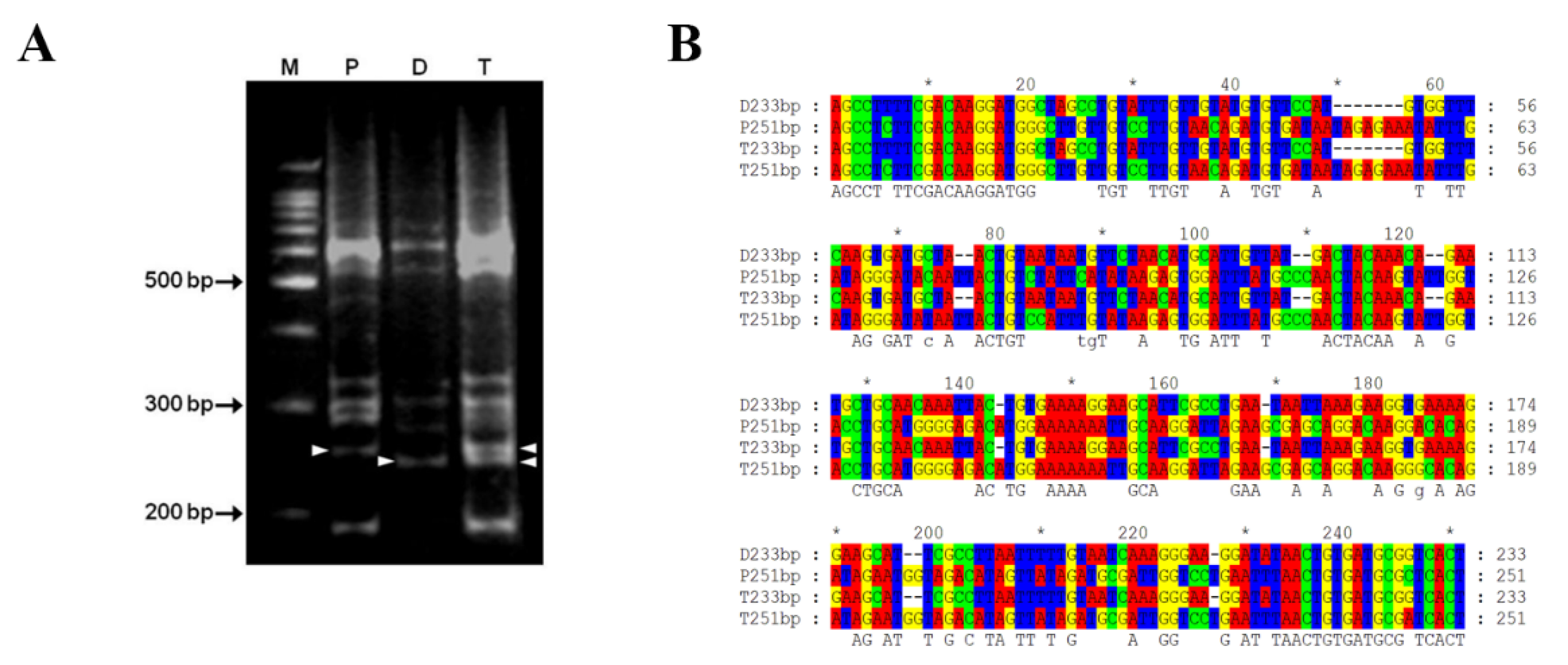
Fragments from the DNA polymorphism fragments of the amplified oil palm samples were amplified with the CAMX primer set (
Strand et al. 1997) (Table S1,
Fig. 1A), and the resulting DNA fragments were subsequently cloned and sequenced. Nucleotide fragments of 233 and 251 bp (
Fig. 1B) were subsequently chosen for the design of the SCAR marker based on the 181 and TAM primer sets (Table S1).
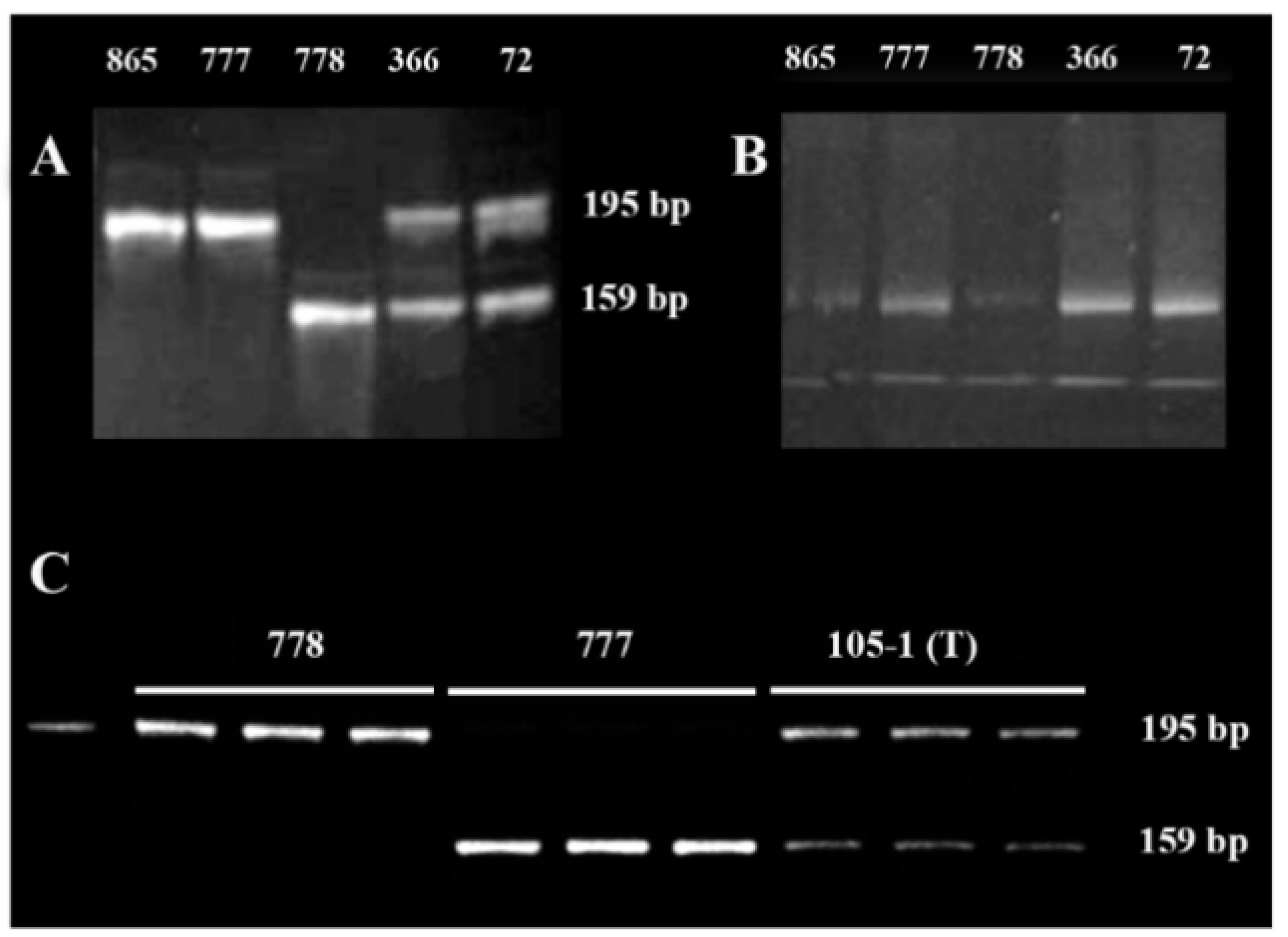
The results of primer validation for DNA polymorphism analysis of the parental oil palm sample revealed that only the 181-primer produced codominant fragments consisting of two alleles, 195-bp and 159-bp DNA fragments (
Fig. 2A), whereas the TAM primer showed no differences (
Fig. 2B). The two alleles of the specific segregated fragments of the parental oil palm from four oil palm crosses (865, 777, 778, 366 and 72) were subsequently sequenced and found to share 100% sequence identity (
Fig. 1S). The 181 SCAR markers were subsequently selected for SCAR marker analysis, and amplification was observed in the hybrid F1 progeny of cross 105 (105-1, Tenera) and the parental oil palm samples (778 and 777). The results for Tenera (105-1) revealed codominant fragments of two alleles with 195- and 159-bp DNA fragments, as found in the parental oil palm samples 778 and 777, respectively (
Fig. 2C).
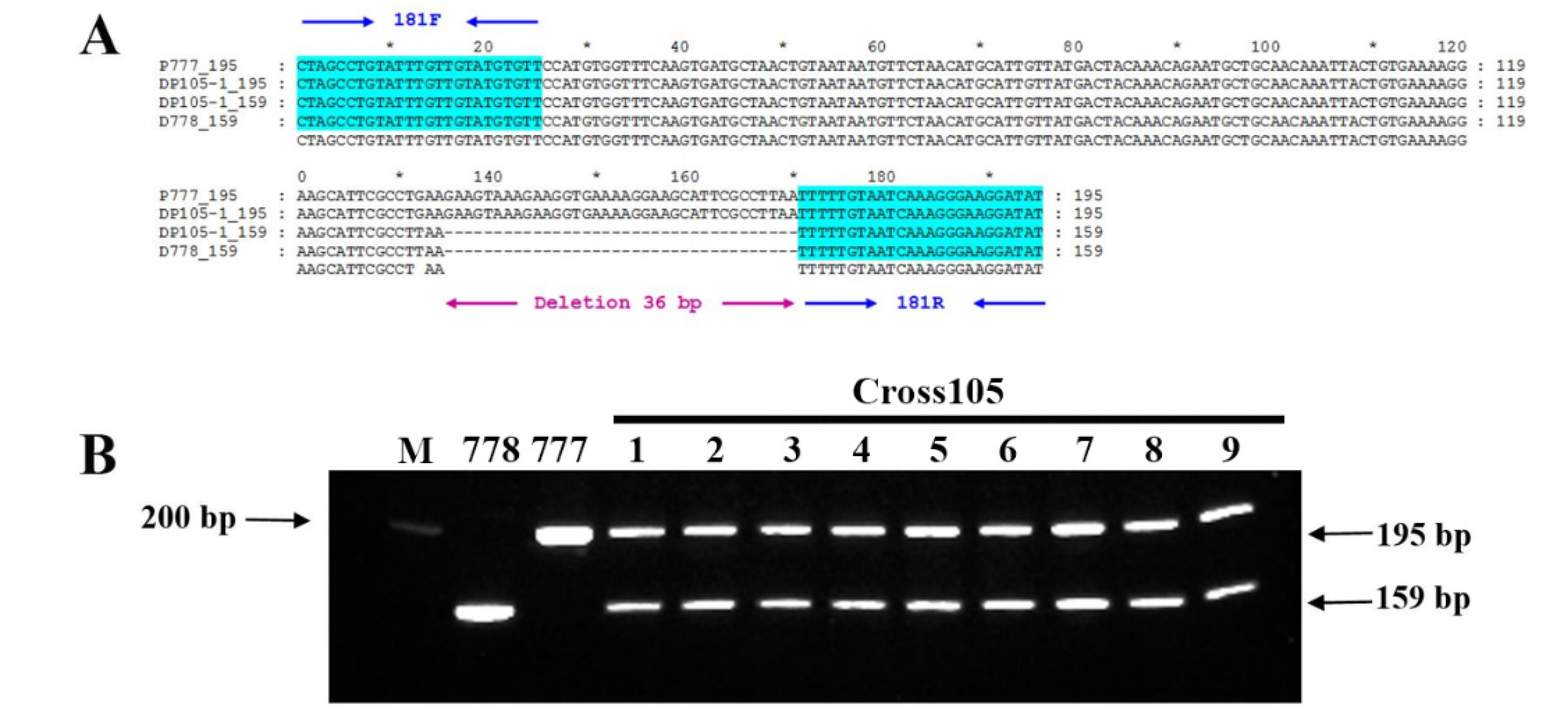
The alleles of the 195- and 159-bp DNA fragments were subsequently cloned and sequenced. The results of the sequence alignment of the 159-bp and 195-bp fragments from the F1 progeny showed 100% identity with the allele sequences of parents 778 and 777, respectively (
Fig. 3). All allelic sequences were aligned, resulting in the identification of an insertion/deletion (INDEL) at position 135-170 and a single nucleotide polymorphism (SNP) at position 132 (G>T) in the 159-bp fragments (
Fig. 3A), which can be used as molecular markers in genetic studies of oil palm progeny. The 181 SCAR markers were tested in nine samples of F1 hybrid progeny from cross 105. The results revealed that the makers of both alleles were present in all samples of F1 hybrid progeny in cross 105 (
Fig. 3B). The hybrid progeny of cross 105 have a thin shell and are classified as Tenera oil palm with 100% morphological identity.
The nucleotide sequences of two alleles, 195 and 159 bp from the SCAR fragments, were analyzed via BLASTN, which revealed that the sequences of the SCAR fragments have 100% identity with
ALBINO3-like protein 2 (
EgALB3.2) from
E. guineensis (XM_010911416.3) and 86% identity with ALBINO
3-like protein 2 (
PdALB3.2) from
Phoenix dactylifera (XP_038976017.1). Therefore, two alleles of the SCAR fragments were analyzed via BLAST and compared with the
E. guineensis genome database (EG5 reference annotation release 102). First, both alleles were predicted to be localized at the locus of the
ALBINO3-like protein 2 (
EgALB3.2) gene in
E. guineensis with an unplaced genomic scaffold, EG5 p5_sc01687 (NW_011552315). Then, genome walking analysis was used to clone the 5’ untranslated regions (UTRs) of
EgALB3.2 and 706 bp of the 5’ UTR, which were analyzed via BLAST Genomes and located on chromosome 16 of the
E. guineensis genome. In addition, the genomic organization of
EgALB3.2 was determined via comparison with NW_011552315 of
E. guineensis using Splign.
EgALB3.2 has exon-intron structures consisting of 14 exons and 13 introns, as shown in Table S2. The open reading frame (ORF) was cloned from oil palm fruit, and
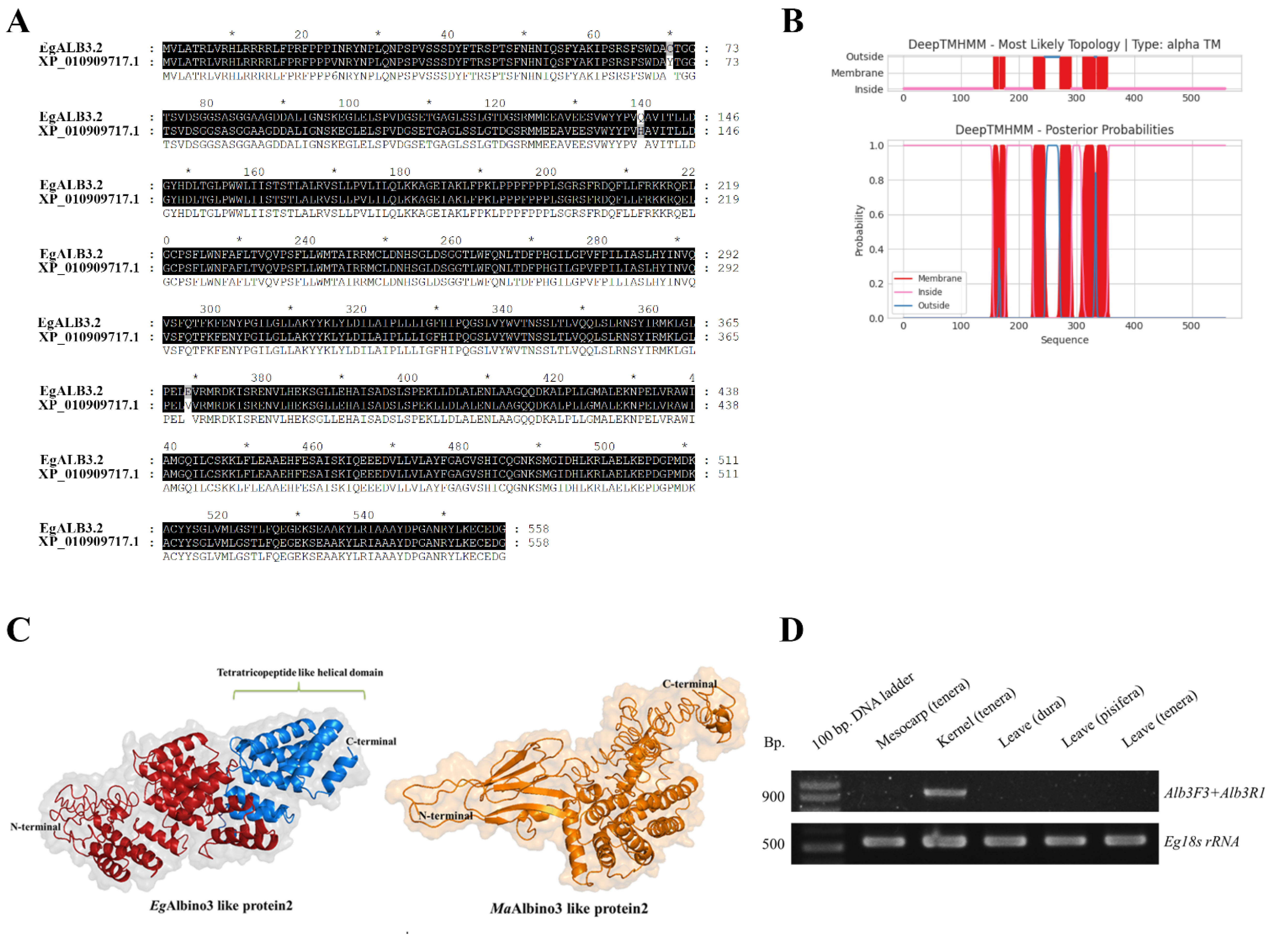
EgALB3.2 was 99% identical to ALBINO3-like protein 2, chloroplastic isoform X1 (XP_010909717.1) (
Fig. 4A).
EgALB3.2 consists of 1,676 bp and encodes 558 amino acids, resulting in a protein with a calculated molecular weight of 61.96 kDa and a calculated pI of 6.65. Protein localization was predicted, revealing that EgALB3.2 is subcellularly localized in the chloroplast and is classified as a transmembrane protein consisting of six TM-helix domains (
Fig. 4B). The tertiary structure of EgALB3.2 includes a helical domain and a tetratricopeptide-like helical domain structure at the C-terminus (
Fig. 4C). Finally, gene expression analysis revealed that EgALB3.2 is expressed only in the kernel tissue (endosperm) of oil palm fruits (
Fig. 4D).
The previous result revealed that the 181 SCAR markers can be used to identify F1 hybrid oil palm and parent plants via conventional PCR, which requires postprocessing of the PCR product. Fluorescence-based genetic analysis is a powerful technique with high sensitivity and specificity. The F1 hybrid oil palm and parental oil palm from 105 cross samples were amplified via the newly developed fluorescently labeled primers (FAM
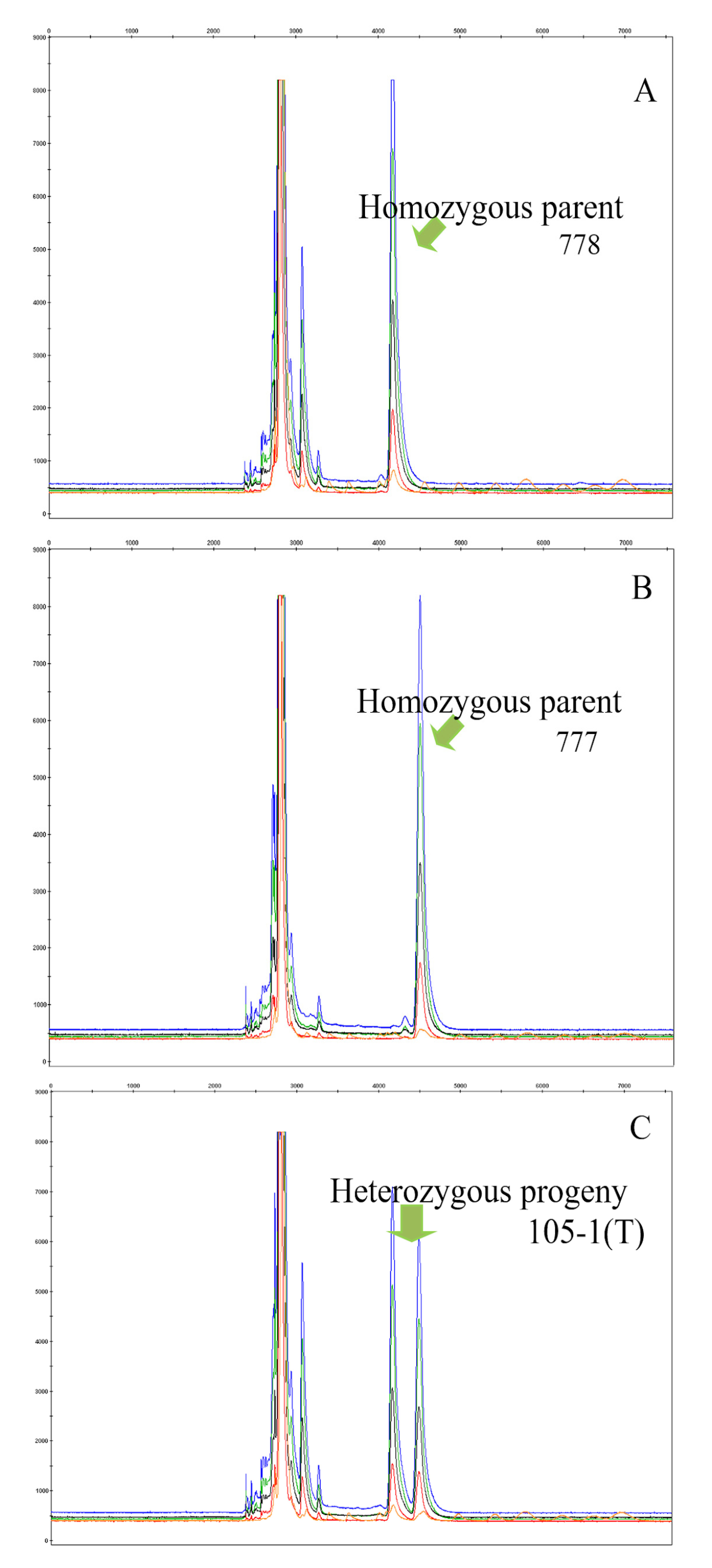
®*181F) and separated via capillary electrophoresis on the ABI Prism 310 Genetic Analyzer. The specific allele sizes of 195 and 159 bp were calculated using the GeneScan program via comparison with a GeneScan™ 500 LIZ
® size standard. Thus, the parents both have a homozygous allele of 159 bp and 195 bp (
Figs. 5A-
5B), which illustrates how these fragments were segregated in the F1 progeny and resulted in heterozygous alleles with fragment sizes of 159 bp and 195 bp (
Fig. 5C). The parental origin of the fragments amplified in the F1 progeny can be determined by examining the parental fragment sizes and the observed allelic segregation in the progeny. These results show that the genetic analyzer system offers a faster method of analysis that does not require ethidium bromide staining.
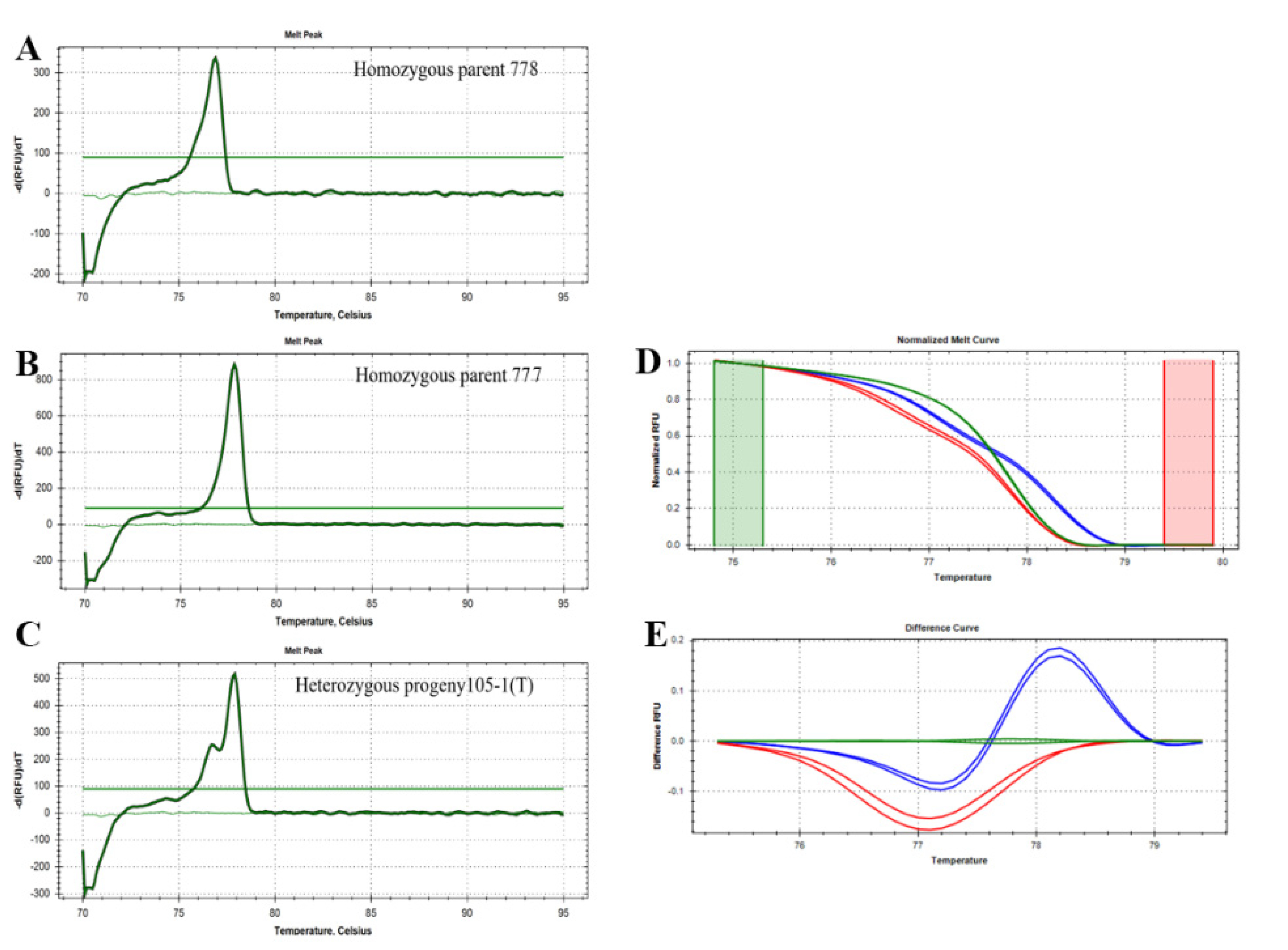
The real-time PCR approach can be useful to distinguish the melting peak specificity of the allele in genomic DNA. The melting peak specificity of the female parent showed a homologous allele of the 159-bp fragment in the acceptable range of 76.9°C (
Fig. 6A) that differed from the melting peaks of the homozygous allele of the 195-bp fragment in the male parent (77.8°C) (
Fig. 6B), and the hybrid oil palm cross 105 showed two melting peaks at 76.92±0.23°C and 78.1±0.2°C, indicating the presence of the heterozygous allele in the hybrid oil palm (
Fig. 6C). Melting and difference curves were analyzed, and specific normalized melting and difference curves of homozygous parental D777 and P778 (red and green lines, respectively) and hybrid progeny 105-1(T)) (blue line) were generated (
Figs. 6D-
6E). These results show that real-time PCR is a sensitive and fast technique for the detection of valuable oil palm hybrids that enables the identification of genotype-specific alleles in oil palm breeding and high-throughput populations.
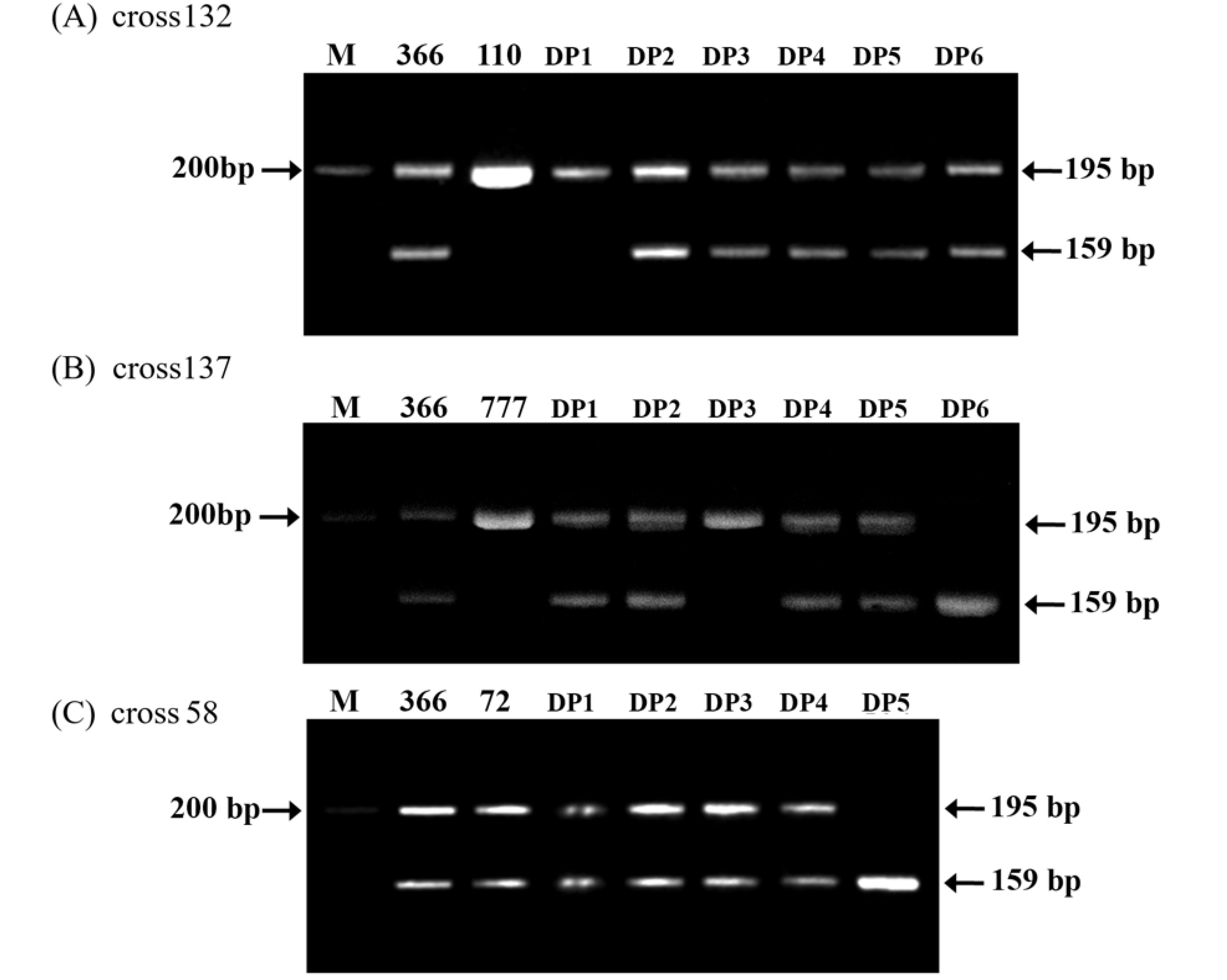
The SCAR marker was validated in three oil palm breeding crosses at the Agricultural Research Station, Klong Hoi Khong, Hat Yai, and Songkhla (Southern,Thailand). The DNA of the parents and progenies (crosses 132, 137 and 58) was extracted and analyzed for the genotype of the hybridity alleles. The SCAR allele patterns of the progeny revealed three genotype configurations in oil palm cross 105 of Tenera oil palm. The results of the three crosses revealed that the highest allele genotype is heterozygous, with 83.4% in the F1 hybrid progeny. This finding indicates that both alleles of the 181 SCAR marker are present in all samples of the F1 hybrid progeny (
Fig. 7).
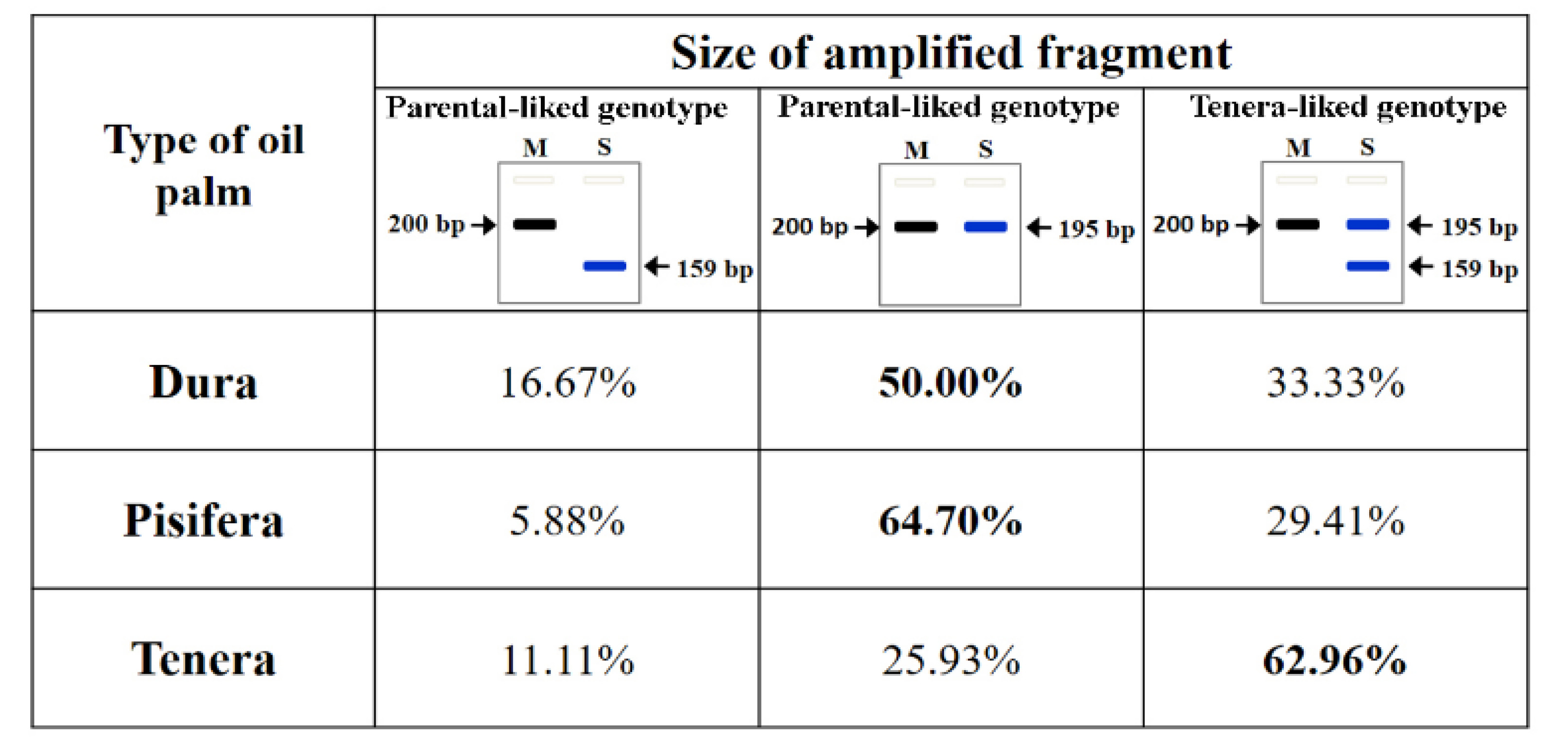
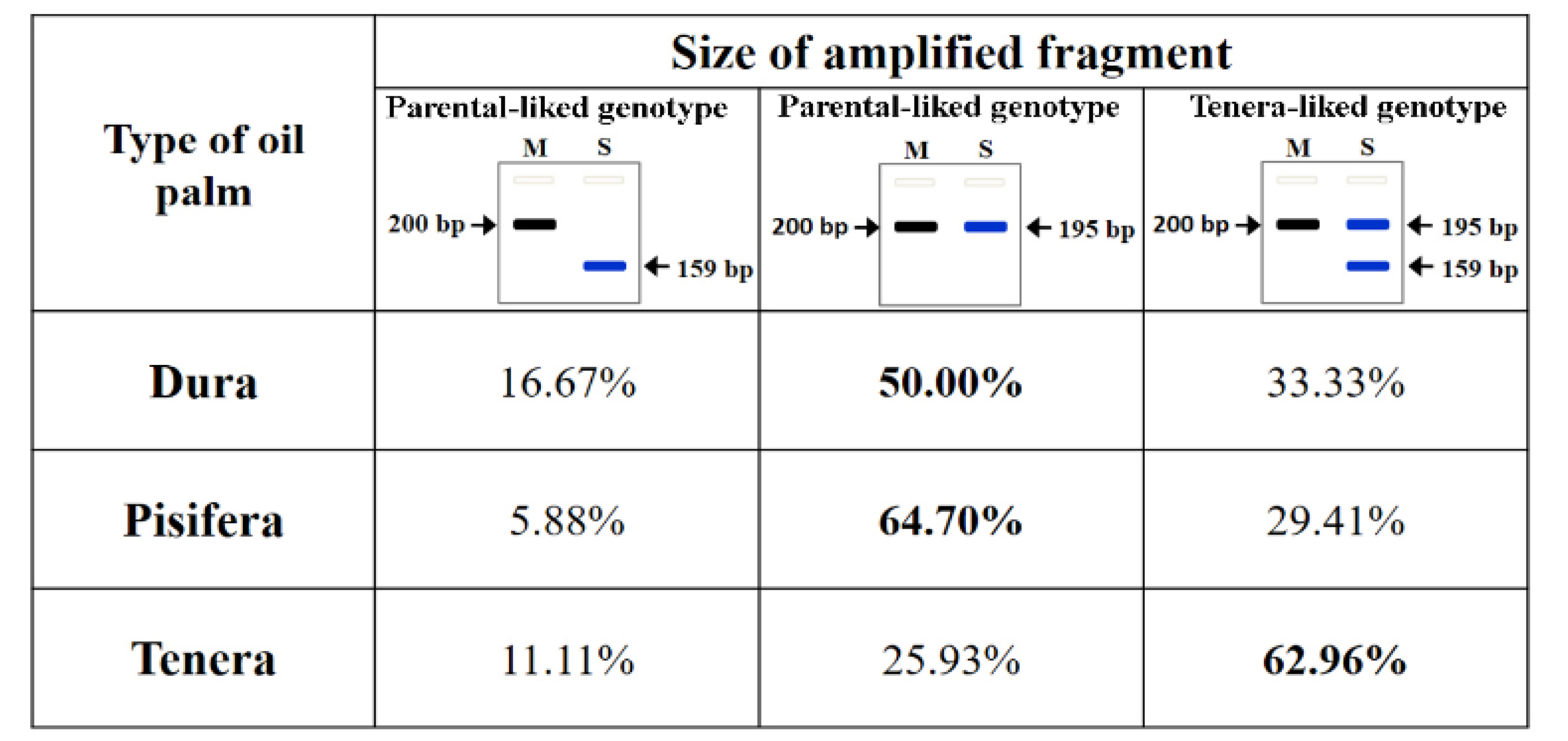
The specific marker 181 SCAR was used to study the allele genotype of three oil palm cultivars (Dura, Pisifera and Tenera), which were provided by Prof. Dr. Theera Eksomtramage (Table S3). On the basis of the PCR technique, the genotypes of the SCAR allele with the 195-bp DNA fragments were detected in 50% and 64.7% of the samples of the Dura and Pisifera cultivars as parental-like genotypes, respectively. In contrast, the codominant fragments of two alleles with 195- and 159-bp DNA fragments were detected in 62.96% in the Tenera cultivar, which can be distinguished as a Tenera-like genotype (
Fig. 8). The correlation between genotypes and cultivars will be a useful tool for marker-assisted selection of oil palm cultivars in the future.
Discussion
The hybrid Tenera is a variety with a greater yield than the parent varieties, but the identification of these varieties in the vegetative phase is difficult because of the morphological characteristics of the nurse plant. DNA marker-assisted breeding is recommended for the improvement of oil palm breeding and is used for population and genetic diversity analyses to study the genetic mapping of oil palm varieties, especially the presence of fragments in RFLP and RAPD analysis, including simple sequence repeat (SSR) and exon-primed intron crossing (EPIC), as PCR-based nuclear markers (
Billotte et al. 2005;
Mayes et al. 1997;
Mayes et al. 2008;
Sathish et al. 2007;
Tay et al. 2008). A major goal of the Thai oil palm breeding program is to accelerate the process of plant improvement and to identify good hybrids from oil palm germplasm at an early stage. In the present study, the SCAR marker was developed from PCR-based nuclear markers, namely, the CAMX primer set (
Strand et al. 1997), and used for the detection of polymorphisms in oil palm species. A polymorphic fragment of 233 bp was subsequently identified and successfully cloned and sequenced. This fragment was used for the development of SCAR primers that were named the 181 SCAR primer set. These primers can easily be used for the early identification of oil palm varieties. The results revealed an allele of 159 bp in the female parental variety and 195 bp in the male parental variety. Interestingly, two alleles of 159 and 195 bp were also found in the samples of the F1 progeny of the oil palm (cross 105). Moreover, molecular characterization analysis of the SCAR fragments revealed that both alleles from the parental oil palm and progeny of the oil palm were sequenced and found to share are identical to the
ALBINO3-like protein 2 (
EgALB3.2) gene of
E. guineensis. Thus, the results of the genome walking analysis revealed that
EgALB3.2 was localized to chromosome 16 of the
E. guineensis genome. Including, analysis of the physical properties revealed that EgALB3.2 is a transmembrane protein and is localized subcellularly in the chloroplast. In particular,
EgALB3.2 is expressed only in the kernel tissue (endosperm) of the fruits of the hybrid Tenera. These findings suggest that
EgALB3.2 is an expression-imprinted gene with a predominance of paternally inherited alleles that are related to endosperm formation during seed development (
Gehring et al. 2017).
Recently, SCAR primers have been used in many plants, such as the RAPD-SCAR primer sets in coconut palm, which was developed and used to evaluate the purity of hybrid seedlings of the cross Dwarf×Tall (
Rajesh et al. 2013), including the male-specific SCAR marker in date palm (
Phoenix dactylifera L.) (
Dhawan et al. 2013). The developed SCAR marker could be used to identify the biotypes of Indian gamboge (
Garcinia morella (Gaertn.) Desr.). The SCAR marker MOR-634 was developed for sex determination in
G. Morella based on the RAPD fragment from the OPN-15 primer. The SCAR marker, which is a highly reliable molecular marker for sex determination at the early juvenile stage, can be used for specific amplification in male
G. morella (
Joseph et al. 2014). The results of the oil palm SCAR marker also provide the basis for the identification of other oil palm cultivars and for the assessment of their fingerprints in PAGE analysis. In addition, this SCAR marker can be used for the development of rapid detection techniques using an automated DNA capillary sequencer and real-time PCR for genotyping analysis. This allows fragments to be detected directly during DNA amplification without the need for postprocessing, thereby reducing the operating time and achieving high specificity and accuracy. In addition, real-time PCR approaches represent the fastest and most cost-effective technique for the reliable detection of oil palm hybrids from oil palm breeding and are suitable for high-throughput field work. For the detection of genotype mutations in 2 mutant plant populations of
Solanum lycopersicum, two adapted techniques, conformation-sensitive capillary electrophoresis (CSCE) and real-time PCR, were used. Capillary electrophoresis and real-time PCR are rapid and sensitive techniques for the detection of variants in DNA pools and for the identification of new allelic variants in a population (
Gady et al. 2009).
Birrer et al. (2014) developed a real-time PCR method to identify contaminants in Italian and perennial ryegrass seeds by differentiating the high-resolution melting curves of DNA sequence polymorphisms. This technique is excellent for differentiating grass species and serves as a useful tool for the seed industry and grass breeders for tracing paternal inheritance and distinguishing closely related species (
Birrer et al. 2014).
In this study, we developed a SCAR marker, the 181 SCAR marker, which is suitable as a marker of selection in oil palm production. These reports provide information on technological adaptations and basic knowledge for the optimization of the SCAR marker to implement a rapid method for discriminating closely related cultivars in oil palm breeding. In addition, we introduce a rapid technique involving a capillary sequencer and real-time PCR that eliminates the need for postprocessing using ethidium bromide with conventional PCR. The main advantage of real-time PCR is that it is fast, sensitive, and very accurate for identifying F1 hybrid oil palms and their parents. This technique will be helpful for oil palm breeders to identify and select seeds efficiently for use in oil palm breeding. Given that real-time PCR is available in 96-well and 384-well formats, this method is suitable for high-throughput applications for marker-assisted selection and identification of oil palm progeny in the field.
Acknowledgments
This work was supported by the Government Budget Fund (NRCT) of the Prince of Songkla University Fund (SCI600218S) and the Thailand Research Fund (grant NO. TRF RDG 5420022 and MRG6080140). Kiattisak Inchan was supported by the Development and Promotion of Science and Technology Talents Project. Moreover, the authors are thankful to the Head of the Center for Genomics and Bioinformatics Research, the Faculty of Science, Prince of Songkla University. We gratefully acknowledge Prof. Dr. Theera Eksomtramage of the Agricultural Research Station, Klong Hoi Khong, Songkhla, Thailand, for kindly helping and providing samples for this research. We thank Mr. Thomas Duncan Coyne for assistance with the English and valuable comments.
Fig. 1(A) The amplified product shows the DNA polymorphism analysis of the parental oil palm samples (P; Pisifera and D; Dura) and hybrid Tenera (T) via 6% polyacrylamide gel electrophoresis, and a specific band at the white arrow was cloned and sequenced. (B) Nucleotide sequence alignment of the specified band in the parental oil palm samples (P; Pisifera and D; Dura) and hybrid Tenera (T).
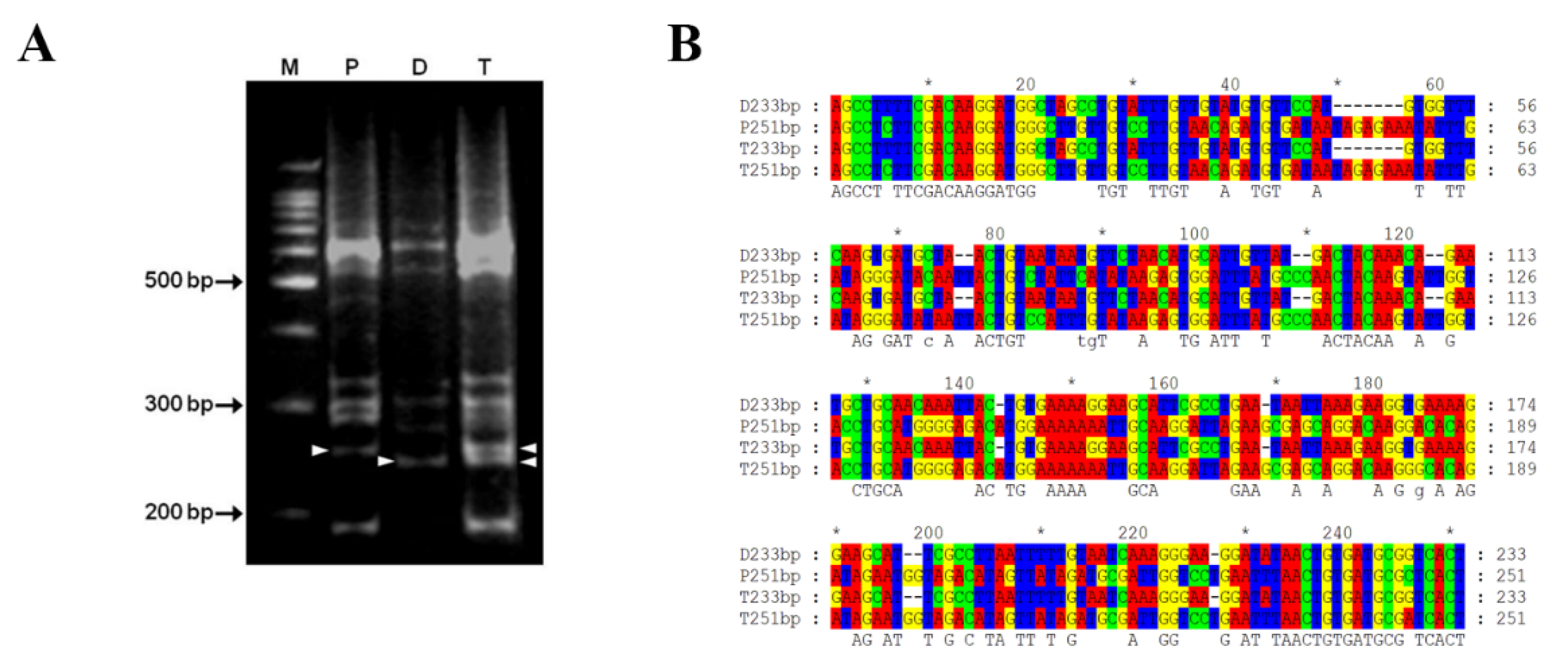
Fig. 2(A) The amplified product shows the results of primer validation for DNA polymorphism analysis of the parental oil palm samples (865, 777, 778, 366 and 72) via TAM (A) and 181 primer sets (B). (C) Amplified 181 SCAR products from the parental oil palms cross 105 (778 and 777) and F1 hybrid progeny (105-1(T)) with three technical replicates assessed via 6% polyacrylamide gel electrophoresis.
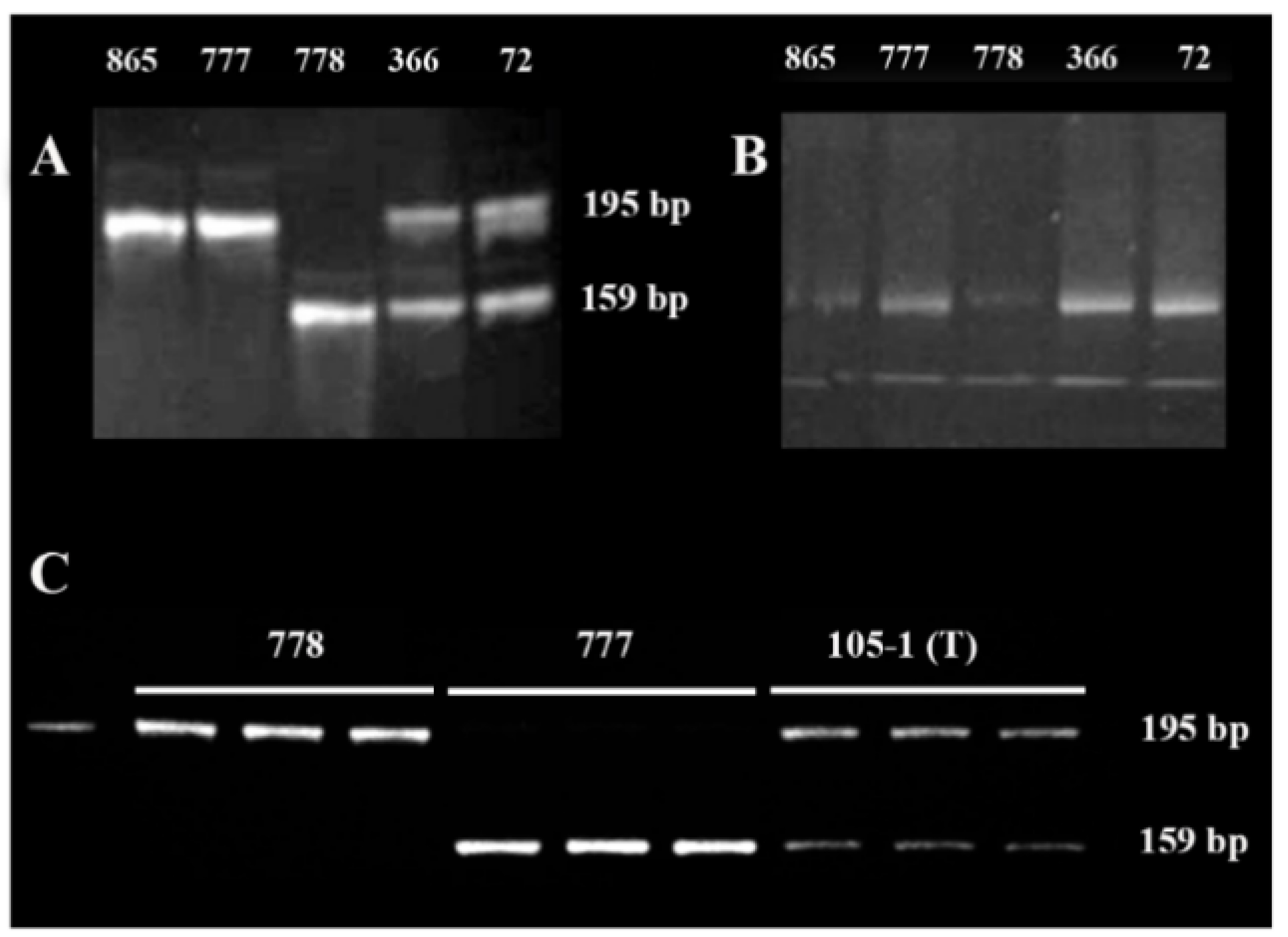
Fig. 3(A) The alignment of multiple 181 SCAR-amplified nucleotide sequences from the parents, 778_159 and P777_195, and two sequences from F1 hybrid progeny (DP105-1_195 and DP105-1_159). (B) 181 SCAR products amplified from parental oil palms across 105 (778 and 777) and nine hybrid progenies (cross 105 1-9) were assessed via 6% polyacrylamide gel electrophoresis.
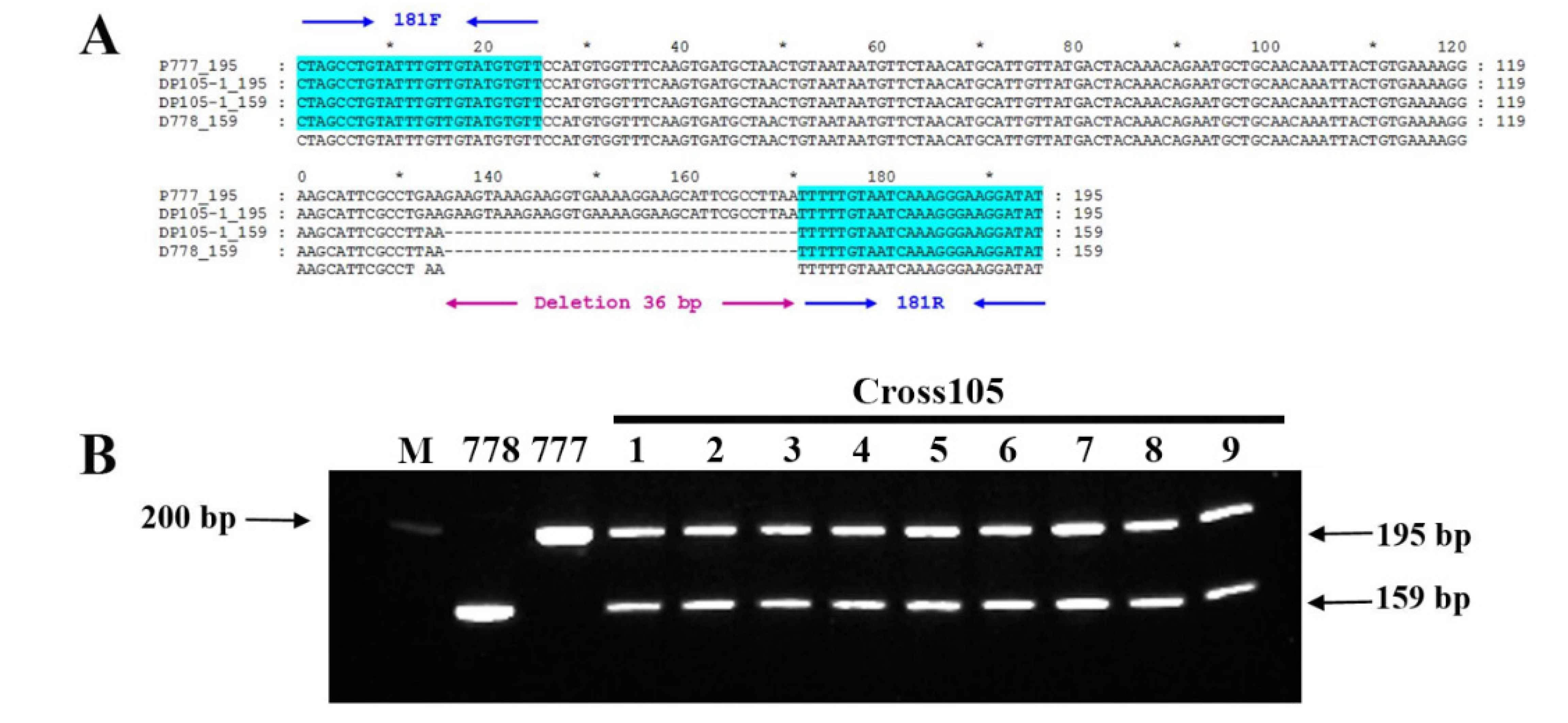
Fig. 4(A) Multiple amino acid sequence alignments of EgALB3.2 compared with XP_010909717.1: EgAlb3L2x1 of E. guineensis. (B) Transmembrane domain prediction of EgALB3.2. (C) 3D structures of Albio3-like protein 2 (EgALB3.2) and MaAlbio3-like protein 2 (MaALB3.2) from E. guineensis and Musa acuminata subsp Malaccensis, respectively, and (D) EgALB3.2 gene expression analysis in the leaves and fruits of E. guineensis.
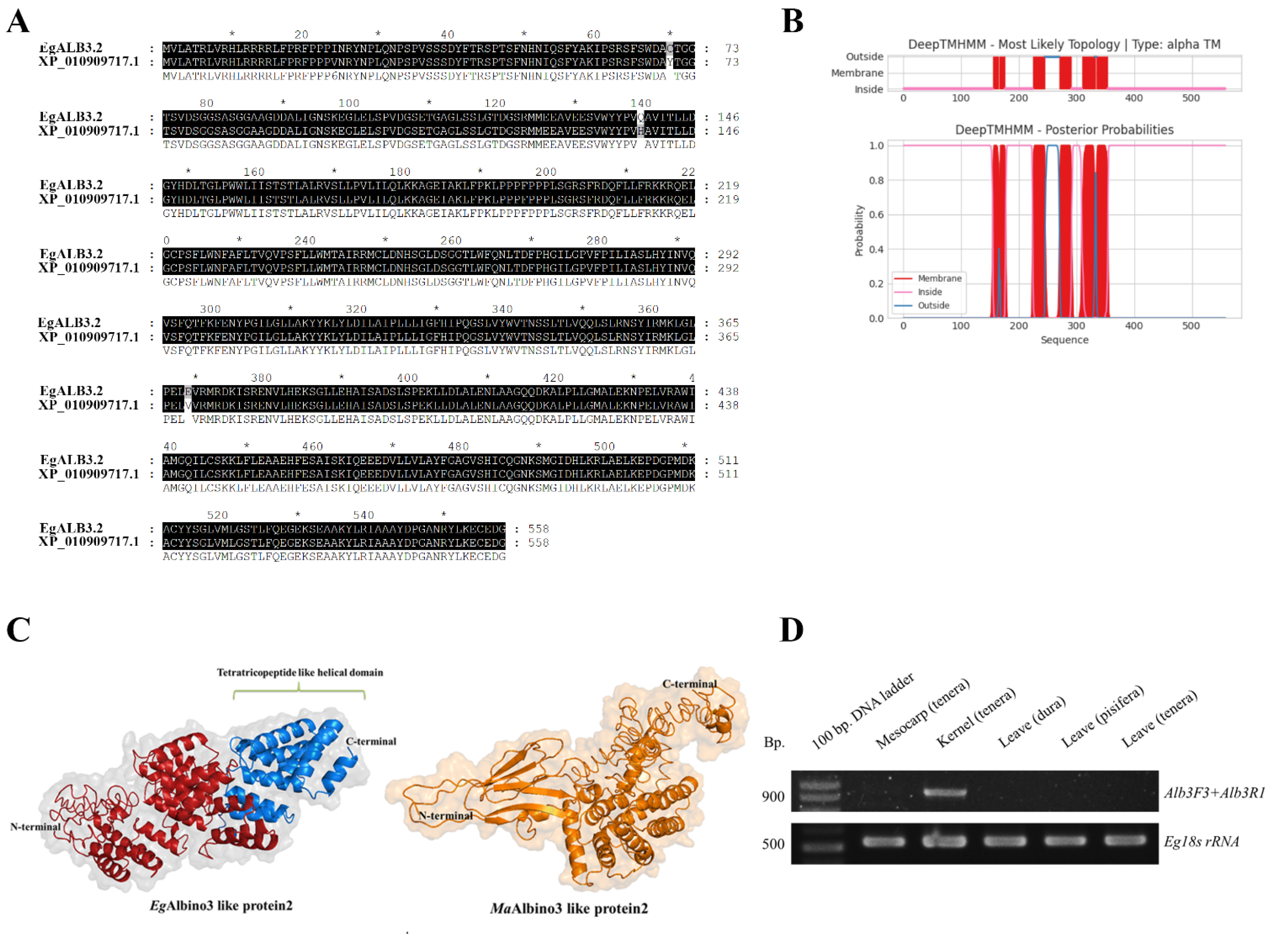
Fig. 5Electropherograms from ABI 310 capillary sequencer showing each homozygosity (3A and 3B) in the parental oil palms (778 and 777) and heterozygosity in the F1 hybrid 105-1 (T) of cross 105.
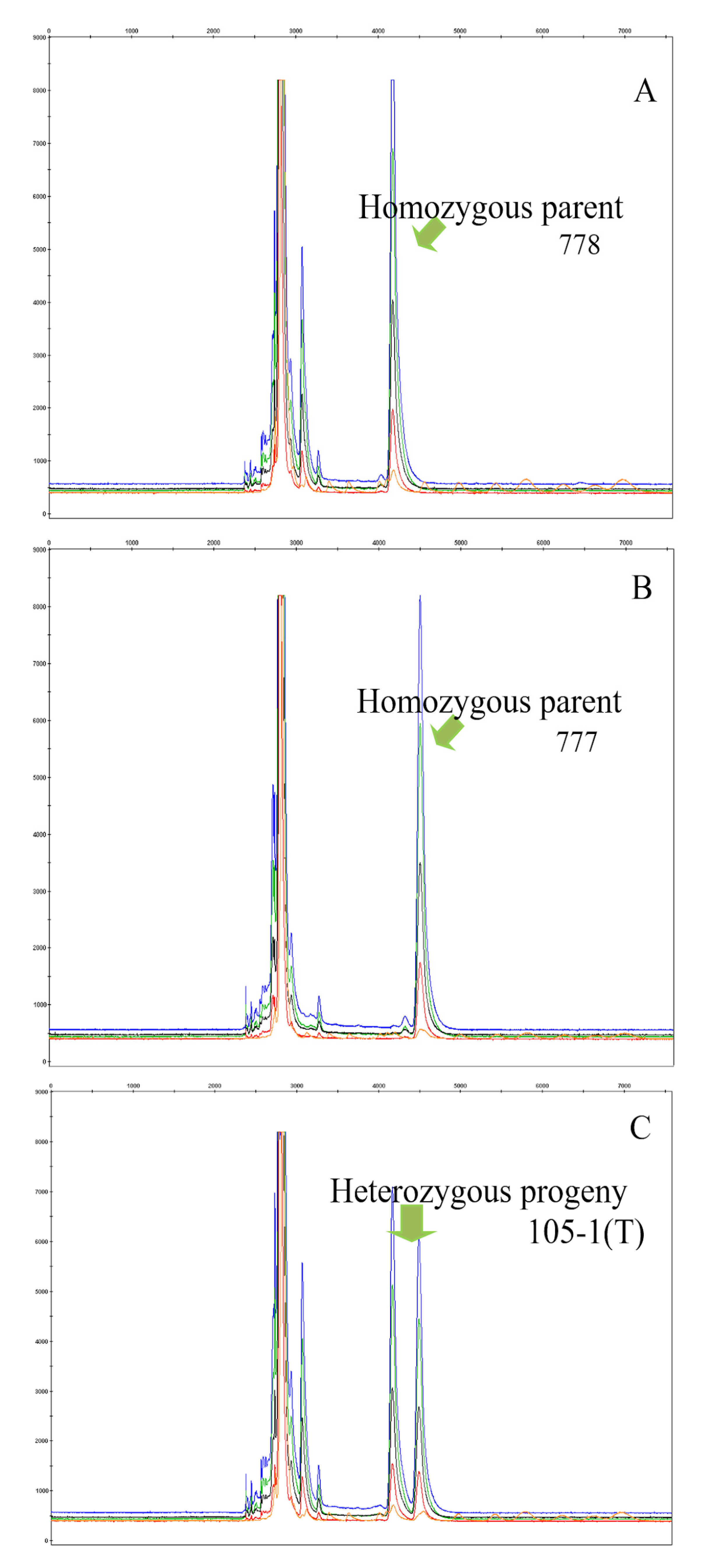
Fig. 6Melting peak-specific profiles for real-time PCR using 181 SCAR products and the curves obtained from the homozygous parents D777 and P778 (A and B) and two melt peaks of the heterozygous allele in hybrid progeny 105-1(T) (C). Specific normalized melt and difference curves (D-E) of the homozygous parents D777 and P778 (red and green lines, respectively) and hybrid progeny 105-1(T) (blue line).
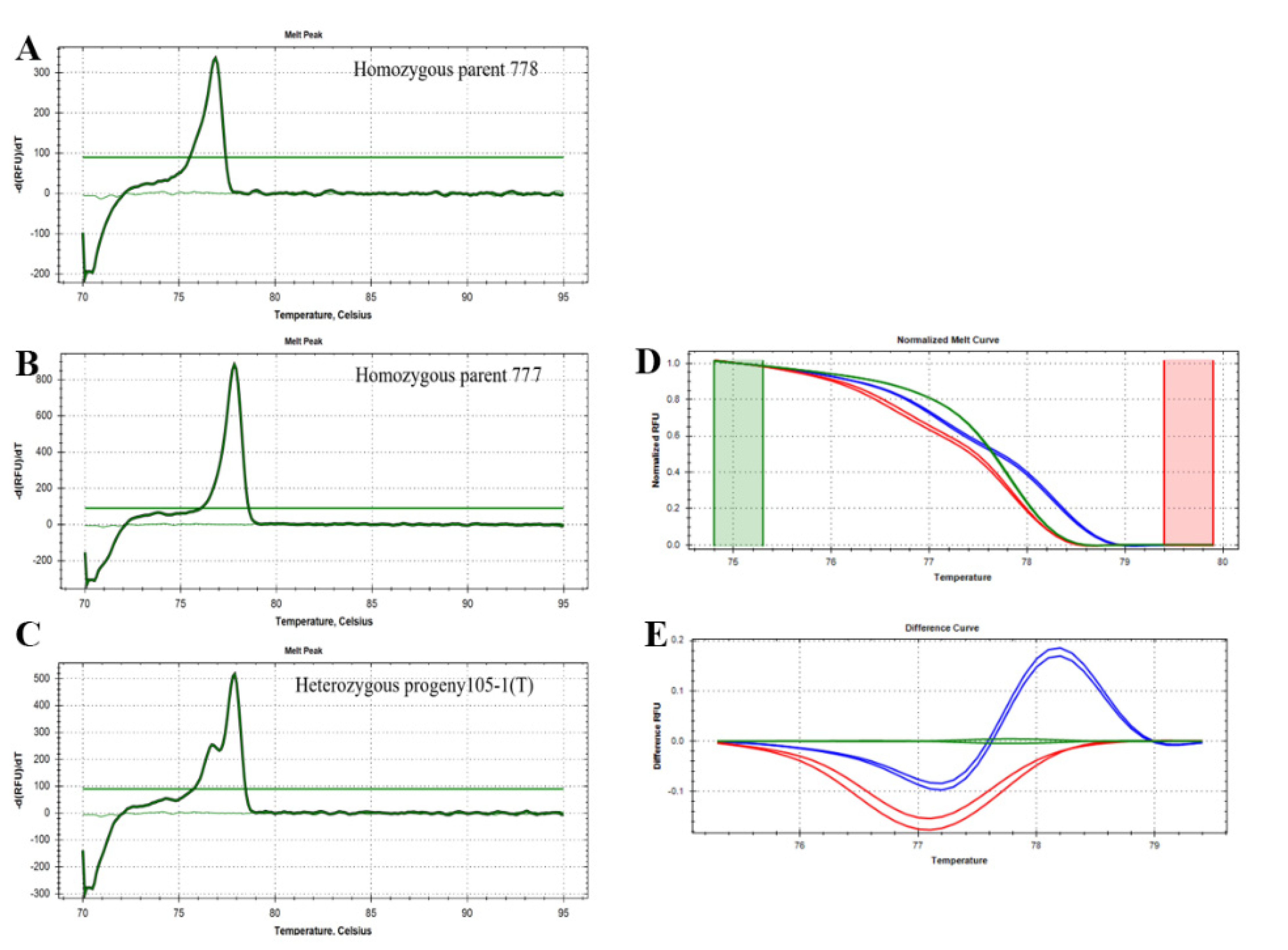
Fig. 7PCR identification of three hybrids and their parents using the 181 SCAR marker. (A) cross 132 [parents 366×110]; (B) cross 137 [parents 366×777]; (C) cross 58 [parents 366×72] and DP: F1 hybrid progeny of each cross.
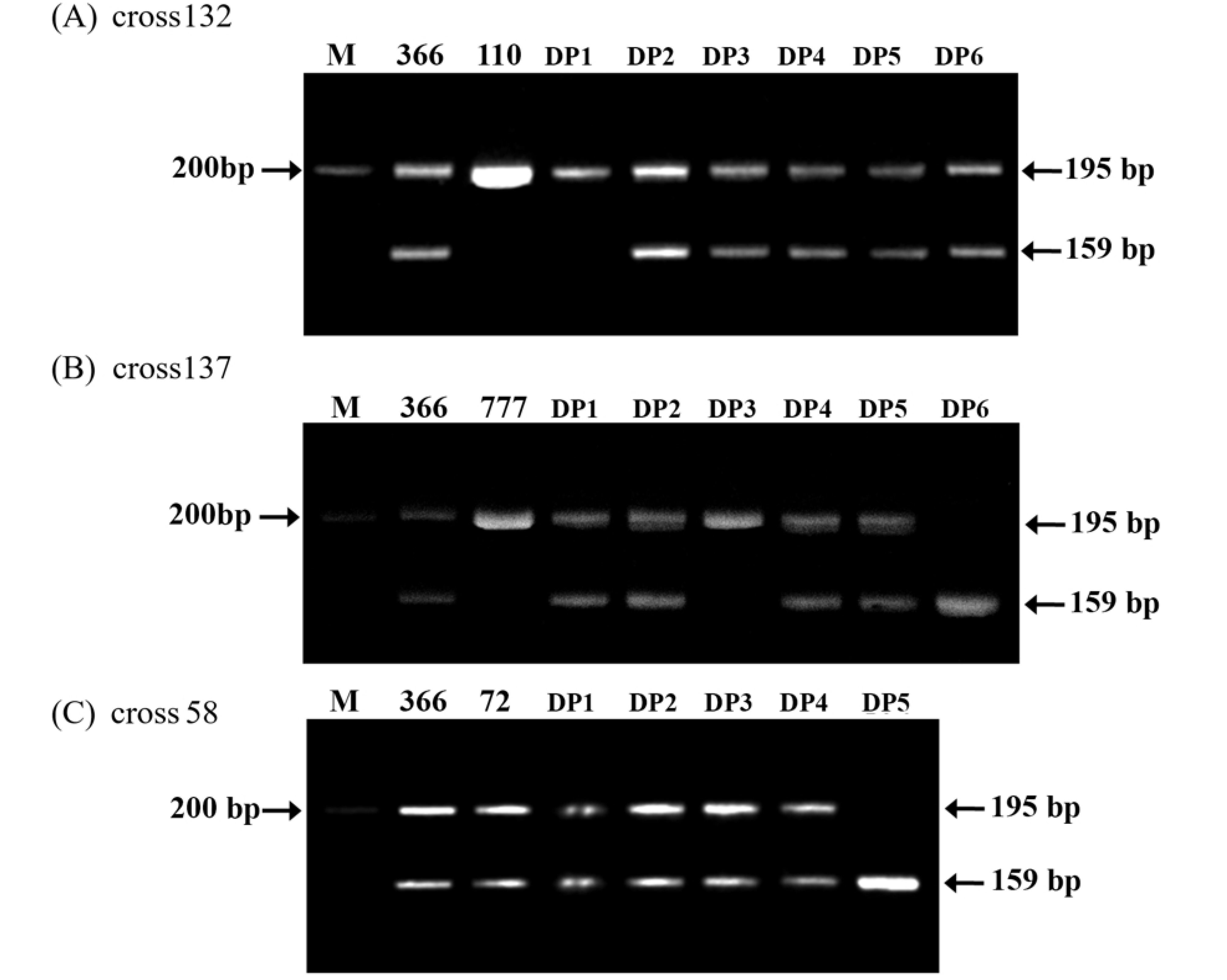
Fig. 8Patterns and percentages of allele genotype results of oil palm leaves using the 181 SCAR marker in Dura, Pisifera, and the hybrid Tenera cultivar.
References
- Abdullah N, Yusop MR, Ithnin M, Saleh G, Latif M. 2011. Genetic variability of oil palm parental genotypes and performance of its' progenies as revealed by molecular markers and quantitative traits. C R Biol. 334: 290-299.
- Agarwal M, Shrivastava N, Padh H. 2008. Advances in molecular marker techniques and their applications in plant sciences. Plant Cell Rep. 27: 617-631.
- Amiteye S. 2021. Basic concepts and methodologies of DNA marker systems in plant molecular breeding. Heliyon. 7: e08093
- Babaei S, Talebi M, Bahar M. 2014. Developing an SCAR and ITS reliable multiplex PCR-based assay for safflower adulterant detection in saffron samples. Food Control. 35: 323-328.
- Billotte N, Jourjon M-F, Marseillac N, Berger A, Flori A, Asmady H, et al. 2010. QTL detection by multi-parent linkage mapping in oil palm (Elaeis guineensis Jacq.). Theor Appl Genet. 120: 1673-1687.
- Billotte N, Marseillac N, Risterucci A-M, Adon B, Brottier P, Baurens F-C, et al. 2005. Microsatellite-based high density linkage map in oil palm (Elaeis guineensis Jacq.). Theor Appl Genet. 110: 754-765.
- Billotte N, Risterucci A-M, Barcelos E, Noyer J-L, Amblard P, Baurens F-C. 2001. Development, characterisation, and across-taxa utility of oil palm (Elaeis guineensis Jacq.) microsatellite markers. Genome. 44: 413-425.
- Birrer S, Zellweger-Fischer J, Stoeckli S, Korner-Nievergelt F, Balmer O, Jenny M, et al. 2014. Biodiversity at the farm scale: A novel credit point system. Agric. Ecosyst Environ. 197: 195-203.
- Collard BC, Mackill DJ. 2008. Marker-assisted selection: an approach for precision plant breeding in the twenty-first century. Philos Trans R Soc B Biol Sci. 363: 557-572.
- Dhawan C, Kharb P, Sharma R, Uppal S, Aggarwal RK. 2013. Development of male-specific SCAR marker in date palm (Phoenix dactylifera L.). Tree Genet and Genomes. 9: 1143-1150.
- Gady AL, Hermans FW, van Loo EN, Visser RG, Bachem CW. Van de Wal MH2009. Implementation of two high through-put techniques in a novel application: detecting point mutations in large EMS mutated plant populations. Plant Methods. 5: 13
- Gehring M, Satyaki P. 2017. Endosperm and imprinting, inextricably linked. Plant Physiol. 173: 143-154.
- Hamdan YA, Velasco L, Pérez-Vich B. 2008. Development of SCAR markers linked to male sterility and very high linoleic acid content in safflower. Molecular Breeding. 22: 385-393.
- Jack P, Dimitrijevic T, Mayes S. 1995. Assessment of nuclear, mitochondrial and chloroplast RFLP markers in oil palm (Elaeis guineensis Jacq.). Theor Appl Genet. 90: 643-649.
- Joseph K, Murthy H, Ravishankar K. 2014. Development of male-specific SCAR marker in Garcinia morella (Gaertn.) Desr. J Genet. 93: 875-878.
- KB N. 1997. GeneDoc: Analysis and visualization of genetic variation. EMBnet news. 4: 1-4.
- Larkin MA, Blackshields G, Brown NP, Chenna R, McGettigan PA, McWilliam H, et al. 2007. Clustal W and Clustal X version 2.0. Bioinformatics. 23: 2947-2948.
- Lin H-C, Morcillo F, Dussert S, Tranchant-Dubreuil C, Tregear JW, Tranbarger TJ. 2009. Transcriptome analysis during somatic embryogenesis of the tropical monocot Elaeis guineensis: Evidence for conserved gene functions in early development. Plant Mol Biol. 70: 173-192.
- Mayes S, Hafeez F, Price Z, MacDonald D, Billotte N, Roberts J. 2008. Molecular research in oil palm, the key. Genomics of tropical crop plants: Springer. pp. 371-404.
- Mayes S, Jack P, Corley R. 2000. The use of molecular markers to investigate the genetic structure of an oil palm breeding programme. Heredity. 85: 288-293.
- Mayes S, Jack P, Corley R, Marshall D. 1997. Construction of a RFLP genetic linkage map for oil palm (Elaeis guineensis Jacq.). Genome. 40: 116-122.
- Moretzsohn MdC, Nunes CDM, Ferreira ME, Grattapaglia D. 2000. RAPD linkage mapping of the shell thickness locus in oil palm (Elaeis guineensis Jacq.). Theor Appl Genet. 100: 63-70.
- Mortensen A. 2005. Analysis of a complex mixture of carotenes from oil palm (Elaeis guineensis) fruit extract. Food Res Int. 38: 847-853.
- Nakkaew A, Chotigeat W, Eksomtramage T, Phongdara A. 2008. Cloning and expression of a plastid-encoded subunit, beta-carboxyltransferase gene (accD) and a nuclear-encoded subunit, biotin carboxylase of acetyl-CoA carboxylase from oil palm (Elaeis guineensis Jacq.). Plant Sci. 175: 497-504.
- Nakkaew A, Phongdara A, Eksomtramage T, Chotigeat W. 2014. Over expression and application of the β-carboxyltransferase (EgaccD) gene in oil palm (Elaeis guineensis Jacq). Songklanakarin J Sci Technol. 36: 57-64.
- Rajesh M, Jerard B, Preethi P, Thomas RJ, Fayas T, Rachana K, et al. 2013. Development of a RAPD-derived SCAR marker associated with tall-type palm trait in coconut. Sci Hortic. 150: 312-316.
- Riaz S, Sadia B, Awan F, Khan I, Sadaqat H, Khan I. 2012. Development of a species-specific sequence-characterized amplified region marker for roses. Genet Mol Res. 11: 440-447.
- Sathish D, Mohankumar C. 2007. RAPD markers for identifying oil palm (Elaeis guineensis Jacq.) parental varieties (dura & pisifera) and the hybrid tenera. Indian J Biotechnol. 6: 354-358.
- Singh R, Tan SG, Panandam JM, Rahman RA, Ooi LC, Low E-TL, et al. 2009. Mapping quantitative trait loci (QTLs) for fatty acid composition in an interspecific cross of oil palm. BMC Plant Biol. 9: 114
- Strand A, Leebens-Mack J, Milligan B. 1997. Nuclear DNA-based markers for plant evolutionary biology. Mol Ecol. 6: 113-118.
- Tay W, Behere G, Heckel D, Lee S, Batterham P. 2008. Exon-primed intron-crossing (EPIC) PCR markers of Helicoverpa armigera (Lepidoptera: Noctuidae). Bull Entomol Res. 98: 509-518.
- Tester M, Langridge P. 2010. Breeding technologies to increase crop production in a changing world. Science. 327: 818-822.
- Xiao Y, Zhou L, Xia W, Mason AS, Yang Y, Ma Z, et al. 2014. Exploiting transcriptome data for the development and characterization of gene-based SSR markers related to cold tolerance in oil palm (Elaeis guineensis). BMC Plant Biol. 14: 384