Abstract
Gene editing technologies such as transcription activator-like effector nucleases (TALENs) and clustered regularly interspaced short palindromic repeats (CRISPR)/CRISPR-associated 9 (Cas9) systems have been developed to create targeted DNA mutagenesis in many crop plants. This report describes application of the TALEN system to generate bialaphos resistance (bar)-knockout null segregants in herbicide-tolerant rice (Ba15) and microarray analysis on transcriptome changes of mutated lines, to identify unexpected effects resulting from off-targets. We generated 41 T0 plants and identified TALEN-mediated bar sequence mutations in 14 of them. Non-target site single nucleotide polymorphisms (SNPs) and small insertion/deletions (InDels) accounted for a large proportion of the mutations. Segregations of phosphinothricin acetyltransferase (PAT) protein expression levels were observed in T1 generations of two lines, R6 and R9. In addition, most T1 offspring harbored the TALE-R expression cassette and acquired some de novo mutations that were not inherited from their T0 parents. Three bar-knockout T1 lines were tested for PAT protein expression in progeny seedlings, and their T2 plants possessed inactive bar. We selected three bar-knockout T2 plants that were TALE-DNA-free for microarray analysis, aiming to understand the transcriptome differences between mutated null segregants and their recipient line. Only 31 differentially expressed genes (DEGs) were identified in the bar-knockout rice lines, possibly resulting from somaclonal variations from the in vitro cell culture process. Taken together, TALEN-mediated bar mutations have little effect on the whole transcriptome profile of rice. We believe our results will be helpful to study unexpected consequences in gene-edited crops.
-
Key words: TALEN-editing, bar, Knockout, Transcriptome profiling
INTRODUCTION
Transcription activator-like effector nucleases (TALENs) are fusion proteins, which combine a TAL effector DNA-binding domain and the DNA-cleavage domain of the FokI restriction enzyme. TALENs can introduce targeted DNA double-strand breaks (DSBs) in the plant genome (
Christian et al. 2010;
Char et al. 2015). DSBs are repaired by non-homologous end joining or homologous recombination pathways, which result in deletions, insertions, or substitutions at the break site to knock out or knock in target genes (
Waterworth et al. 2011). TALEN technology for genome editing has been utilized for many crop species such as maize, rice, wheat, and soybean with a wide variety of targeted traits (reviewed by
Malzahn et al. 2017 and
Zhang et al. 2018). TALENs are considered to have some advantages over the clustered regularly interspaced short palindromic repeats (CRISPR)/CRISPR-associated 9 (Cas9) system, such as specificity of binding to target DNA with fewer off-target effects and a less restrictive requirement of target DNA sequences (
Nishizawa-Yokoi et al. 2016). Several successful TALEN-mediated null segregants with desirable mutations were able to be created in T
1 and T
2 generations (
Haun et al. 2014;
Char et al. 2015;
Shan et al. 2015). A study aimed to increase the oleic acid content of soybeans was carried out by introducing mutations in two fatty acid desaturase 2 genes (
FAD2-1A and
FAD2-1B) using TALEN technology (
Haun et al. 2014). These investigators obtained three mutant lines with heritable
FAD2-1 mutations and absence of the TALEN transgene, thereby increasing oleic acid content to 80%.
Shan et al. (2015) edited the betaine aldehyde dehydrogenase gene (
BADH2) using TALENs to generate six
BADH2 mutations in the T
1 generation, and four of them were confirmed to have efficiently transmitted to the T
2 generation. However, some undesirable effects may be encountered during TALEN editing in plants, such as multiple copy numbers of TALENs, position effects of TALEN integration sites, partial deletions of TALENs, variable expression of TALEN arms, mosaic patterns, and mutation chimerism. These potential effects can produce unpredictable results, which can lead to low selection efficiencies and increased time to obtain desirable targeted mutagenesis (
Li et al. 2012;
Christian et al. 2013;
Char et al. 2015;
Shan et al. 2015;
Nishizawa-Yokoi et al. 2016).
We not only face many technical challenges with genome-editing tools, but also public acceptance of the technology and government regulatory policies for its adoption. As of 2019, 24 gene-edited crops covering 16 crop species have been ruled outside the scope of traditional genetic-modification policies by the US Department of Agriculture. Cultivation of a high oleic acid soybean created by the Calyxt seed company using TALENs technology began in 2018, and its high oleic acid soybean oil was commercially marketed in the United States (reviewed by
Park et al. 2019). In contrast, the Court of Justice of the European Union has ruled that gene-edited crops should be subjected to the same stringent regulations as conventional genetically modified (GM) organisms (
Callaway 2018). On the one hand, they were concerned that genome-edited crops could be involved in such potential risks as increased weediness or gene flow, resistance evolution, and herbicide carryover to rotational crops, which has been observed on herbicide-resistant GM rice in some regions of the US, Brazil, and Italy (reviewed by
Lassoued et al. 2019). On the other hand, the importance of potential unintended effects of the modifications with adverse consequences may have been overstated, considering more than 20 years of experience on the safety assessment of GM crops (reviewed by
Kleter et al. 2019). Some genome-editing technologies create small mutations in the host genome that might also be achieved by traditional breeding and mutagenesis. The critical argument for risk assessment of new plant breeding technologies (NPBTs) mainly concentrates on detection methods for unintended consequences; thus, untargeted metabolomics could be incorporated as part of the assessment protocols for future biotech crops (
Christ et al. 2018). Genome editing provides an invaluable tool for high-precision molecular breeding of crops. However, it requires a large amount of scientific research and data collection involving technical applications and omics data outputs for edited events, which helps alleviate public concerns regarding food and environmental safety due to gene-editing technology.
Here, we report the development of
bialaphos resistance (
bar)-knockout rice from a herbicide-resistant rice line (Ba15) via targeted knockout of
bar using the TALEN method. We selected
bar-mutated null segregants and examined transcriptome changes in these lines compared with their donor variety. The resistance gene,
bar, which has been isolated from
Streptomyces hygroscopicus, encodes the enzyme phosphinothricin acetyltransferase (PAT) that inactivates L-phosphinothricin (L-PPT) by transferring the acetyl group from acetyl-coenzyme A to the free amino group of L-PPT, yielding N-acetyl-L-PPT (
Abdeen and Miki 2009). We targeted
bar not only because glufosinate herbicide-resistant GM crops account for approximately 46% of the total cultivation area of GM crops worldwide (
James 2018), but also because it is the most extensively used selectable marker gene in scientific literature. Through vector construction, transformation methods, progeny selection, and transcriptome analysis of TALEN-mediated
bar mutant lines, we hope that our results can highlight potential problems in the application of this technique, and provide an approach to identify unintended effects resulting from both predictable and unpredictable off-targets.
MATERIALS AND METHODS
Binary vector construction
The TALEN-encoding binary vector pPZP-TaleLR was constructed targeting the herbicide resistant gene bar in this work. The T-DNA construct consisted of the TALE-L and TALE-R expression cassettes, which were both driven by a double CaMV 35S (2 × P35S) promoter with nopaline synthase (Tnos) terminator for TALE-L and potato protease inhibitor II (TPinII) terminator for TALE-R, respectively. A plasmid pTOPO-35SBAR was cloned and digested by EcoRI, and then inserted the expression cassette of P35S:: bar::Tnos into pPZP-TaleLR to construct pPZP-TaleLR-bar binary vector.
Plant materials and biolistic rice transformation
A herbicide-resistant transgenic fixed rice line (Ba15) was used as the recipient variety for the TALEN vector transformation. The Ba15 rice line was developed by Dr. Myung-Ho Lim's group and confirmed to have a single copy of T-DNA harboring the CaMV 35S:: bar :: Tnos expression cassette inserted into an intergenic site on chromosome 4 downstream of the 2.912-kb Os04g0553300 gene in the Dongjin rice variety (Oryza sativa L.).
The sterilized mature rice seeds were sown on N6 medium containing 2,4-D herbicide in a dark room at 28℃. After four weeks, the compact embryogenic calli were transformed using a PDS1000/He particle bombardment system (Bio-Rad, Hercules, CA, USA) with a particle diameter of 0.6 mm and helium pressure of 1100 psi. The plasmid DNA of TALEN-encoding T-DNA binary vector (pPZP-TaleLR-bar) was mixed at 1:1 molar ratio prior to bombardment. After bombardment, medium containing a low dose of 2 ppm PPT was used for selection, but PPT-free medium was used for plantlet regeneration. After 3-4 months of cultivation, T0 transgenic seedlings were transferred into soil at the GMO greenhouse of the National Institute of Agricultural Sciences, and T1 seeds were harvested from each line.
TALEN construct and bar mutation analyses
Genomic DNA was extracted from young leaves by the CTAB method. PCR strategies were designed for TALEN construct confirmation using two sets of PCR primers, namely a forward primer F1 (5′-CTACAGCGGTGGGTA CAATCT-3′) and reverse primer R1 (5′-CCCGATCTA GTAACATAGATGACAC-3′) for TALE-L, and F1 and a reverse primer R2 (5′-GCAGGGATAAAAGCAATCTA TGTAA-3′) for TALE-R. The F1 primer was used for both TALE-L and TALE-R detection because the two nuclease cassettes possess regions of identical nucleotide sequence. R1 and R2 were designed to anneal to specific sequences in TPinII and Tnos terminators, respectively. The predicted PCR product sizes are 600 bp and 778 bp for TALE-L and TALE-R, respectively. PCR was performed following the procedures provided with the Ex Taq DNA polymerase (Takara BIO, Japan).
The bar sequence containing the TALEN-target site was amplified by PCR using Phusion High Fidelity DNA Polymerase (Thermo Fisher Scientific, Inc., Waltham, MA, USA) and the following primers: bar-F-5′-ATGAGCC CAGAACGACGCC-3′ and bar-R-5′-TCAGATCTCGG TGACGGGC-3′. To confirm the presence of sequence mutations, eluted and 3′-A-tailed PCR products were subcloned into the pGEM-T vector (Promega), and ten positive clones per line were then sequenced by Sanger sequencing. Furthermore, PAT protein expression in T0, T1, and T2 plants was evaluated by Immuno-strip tests (Agdia Inc. USA).
Microarray and differential expression analyses
For two transgenic
bar-mutated rice lines (R6 and R9), the T
1 generations were reproduced and three lines (R6-2, R9-15, and R9-20) were selected for T
2 plant production. Finally, RNA from three TALE-free
bar-knockout lines (6-2-4, 9-15-4, and 9-20-2; T
2 generation) and the recipient herbicide-resistant Ba15 at the same growing stage was isolated for microarray analysis. RNA was isolated using TRIzol/chloroform (Invitrogen, Carlsbad, CA, USA) following the manufacturer’s protocols. DNA removal and concentration measurements were implemented using a TURBO DNA-Free DNase kit (Ambion, Austin, TX, USA) and Nanodrop ND 1000-spectrophotometer (Thermo Fisher Scientific, Wilmington, NC, USA), respectively. Total mRNA from each sample (0.5 mg each) was subjected to microarray analysis following the description by
Chae et al. (2017).
The platform-formatted microarray data processing was carried out on the CLC genomic workbench software, version 9.0 (
www.qiagenbioinformatics.com/). Differentially expressed genes (DEGs) with an absolute value of Log2 fold-change > 2, and a false discovery rate (FDR)
P-value ≤ 0.05 were identified from each
bar-knockout line relative to the recipient Ba15. By using the “Set up experiment” function, we classified the four samples into two groups, the “
bar-knockout” group and “recipient” group. DEGs from the
bar-knockout group were extracted compared to those from the recipient group based on a filtering parameter of absolute value of Log2 fold change > 2 and FDR
P-value ≤ 0.005. Afterward, functional enrichment analysis involving gene enrichment and Kyoto Encyclopedia of Genes and Genomes (KEGG) pathways was performed to identify significantly enriched DEGs in gene ontology (GO) terms and metabolic pathways. Data were compared with the whole-transcriptome background using a gene functional annotation tool (
https://david.ncifcrf.gov/tools.jsp) at a Bonferroni-corrected
P-value ≤ 0.005.
RESULTS
TALEN design and recovery of rice plants with bar-mutations
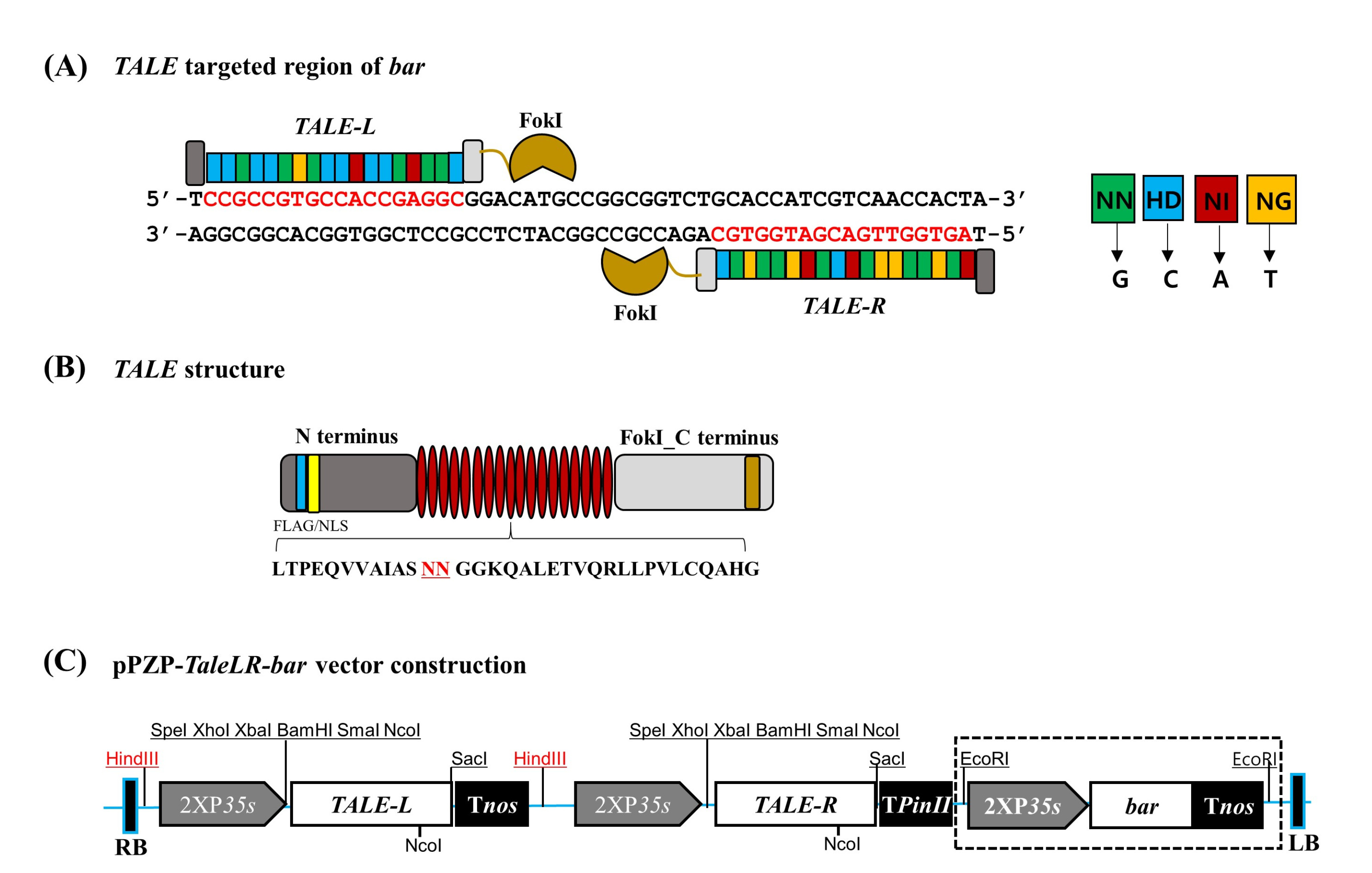
The paired
TALEs (
TALE-L and
TALE-R) with binding sequences of 5′-CCGCCGTGCCACCGAGGC-3′ and 5′-AGTGGTTGACGATGGTGC-3′ allowed
TALE-L targeting 30 bp to 47 bp (18 nt) and
TALE-R targeting 65 bp to 83 bp (18 nt) from the start codon of
bar with a 17-bp DNA spacer were designed by using the TAL Effector Nucleotide Targeter 2.0 program (
Doyle et al. 2012) as shown in
Fig. 1A. The
TALE architecture contains 136 aa of the N-terminus (truncation at residue 152 of the original 288-aa N-terminus), 17.5 repeats of RVD (repeat variable di-residues) arrays targeting the given DNA sequences, and a 231-aa C-terminus. In addition, we inserted two nucleotide sequences encoding a FLAG-tag and nuclear localization signal (NLS) upstream of the N-terminus, and the heterodimeric FokI endonuclease cleavage domain downstream of the C-terminus of the
TALEs (
Fig. 1B).
To produce TALEN-based
bar-knockout rice transgenic lines, we transformed the binary vector of pPZP-
TaleLR-
bar (
Fig. 1C) into the recipient herbicide resistant rice line Ba15 by particle bombardment. The transformed callus was grown on low-dose PPT selection medium. As a result, a total of 14
bar-mutated T
0 rice plants were recovered from 41 transgenic rice plantlets, accounted for 34.1% of TALEN editing efficiency on
bar. Most TALEN-mediated mutation sites were observed on non-target sites of the T
0 transgenic plants, such as start codon (1-3 bp) and stop codon (544-552 bp) of
bar, resulting in frameshift and deletion mutations. Single nucleotide polymorphisms (SNPs) involving A/G and G/A substitutions at 4 bp, 26 bp, 145 bp, and 437 bp of
bar were observed in the T
0 plants of R6, R33, R28, and R32, respectively (
Supplementary Table 1). In addition, we suspected a possibility that some T
0 plants harboring heterozygous or chimeric
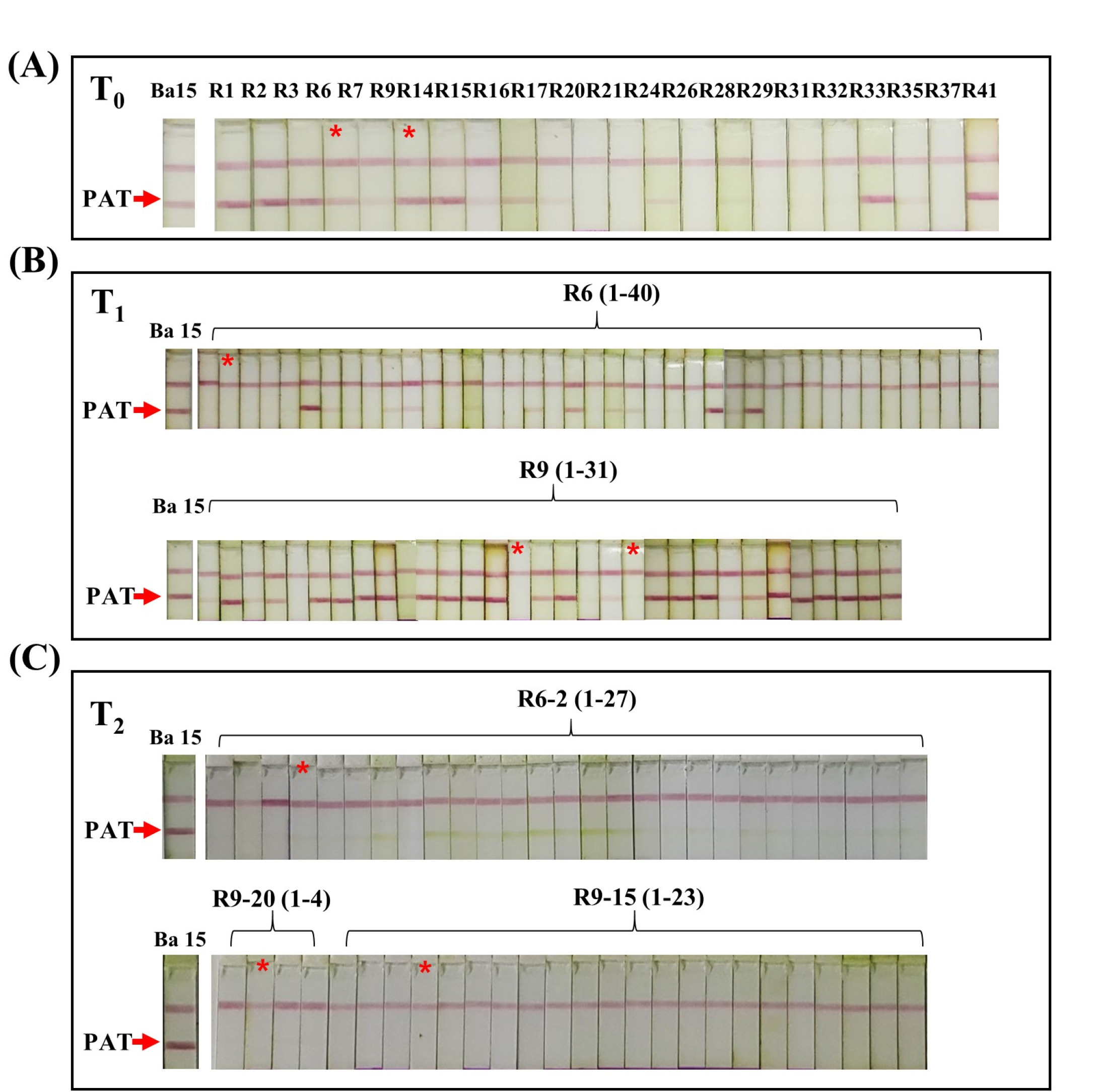
bar-mutations. Thus, immuno-strip test for PAT protein expressions were performed and results indicated that seven plants of R1-3, R9, R14, R33, and R41, three plants of R6, R7, and R16, and four plants of R17, R24, R28, and R32 showed normal, downregulated, and absent PAT protein expression among 14 of
bar-mutated T
0 plants, respectively. Furthermore, failure of PAT protein ex-pressions were also detected on other eight T
0 plants of R15, R20, R21, R26, R29, R31, R35, and R37, which were confirmed without
bar sequence mutations (
Fig. 2A).
To see whether the TALEN-mediated
bar mutations were transmitted to the next generation, we harvested 11, 13, 40, and 31 T
1 seeds from the R1, R3, R6, and R9 transgenic plants, respectively, and sowed all of them in the greenhouse. Analysis of PAT protein expression revealed changes in the T
1 plants from R6 and R9, but no differences in the T
1 plants from R1 and R3. For T
1 progenies from R6, we detected 26 plants failure in PAT protein expression, 10 plants with downregulated PAT expression, and four plants with normal PAT expression, respectively. For T
1 progenies from R9, we found three plants failure in PAT protein expression, but six and 22 plants respectively showed downregulated and normal PAT protein expression (
Fig. 2B).
In addition,
bar sequence mutations were analyzed for four T
1 populations and results indicated that a total of 16 and 13 sequence mutation types were respectively identified in nine and four T
1 progenies from R6 and R9, but no mutations in T
1 progenies from R1 and R3. To compare mutation types and sites in T
0 plants, T
1 progenies showed
de novo mutations and multi-site mutations per line (
Table 1). Among mutations in T
1 progenies, two SNPs in R6 (G to T at 58 bp and G to A at 60 bp) and one SNP in R9 (G to A at 57 bp) were identified within the spacer sequence between the two TALEN recognition sites. In addition, we found G/T and A/G substitutions with high frequencies that occurred on random sites in the
bar target.
We selected three T
1 plants of R6-2, R9-15, and R9-20 with complete disruption of PAT protein expression and high seed-setting rates for T
2 plant productions. Twenty-seven of T
2 seeds derived from R6-2, 23 seeds from R9-15, and four seeds from R9-20 were sown in the greenhouse. We analyzed PAT protein expressions by immuno-strip and results indicated that these 54 of the T
2 plants had successfully inactivated
bar gene expression (
Fig. 2C). Three T
2 lines of R6-2-4, R9-15-4 and R9-20-2 were selected for
bar sequence analysis, and results revealed each one SNP of G/T at 235 bp for R6-2-4 and G/A at 167 bp for R9-20-2, causing amino acid substitutions of Ala to Ser and Arg to His, respectively. For the R9-15-4 line, a 1-nt deletion was observed in the start codon of
bar, causing a frameshift mutation.
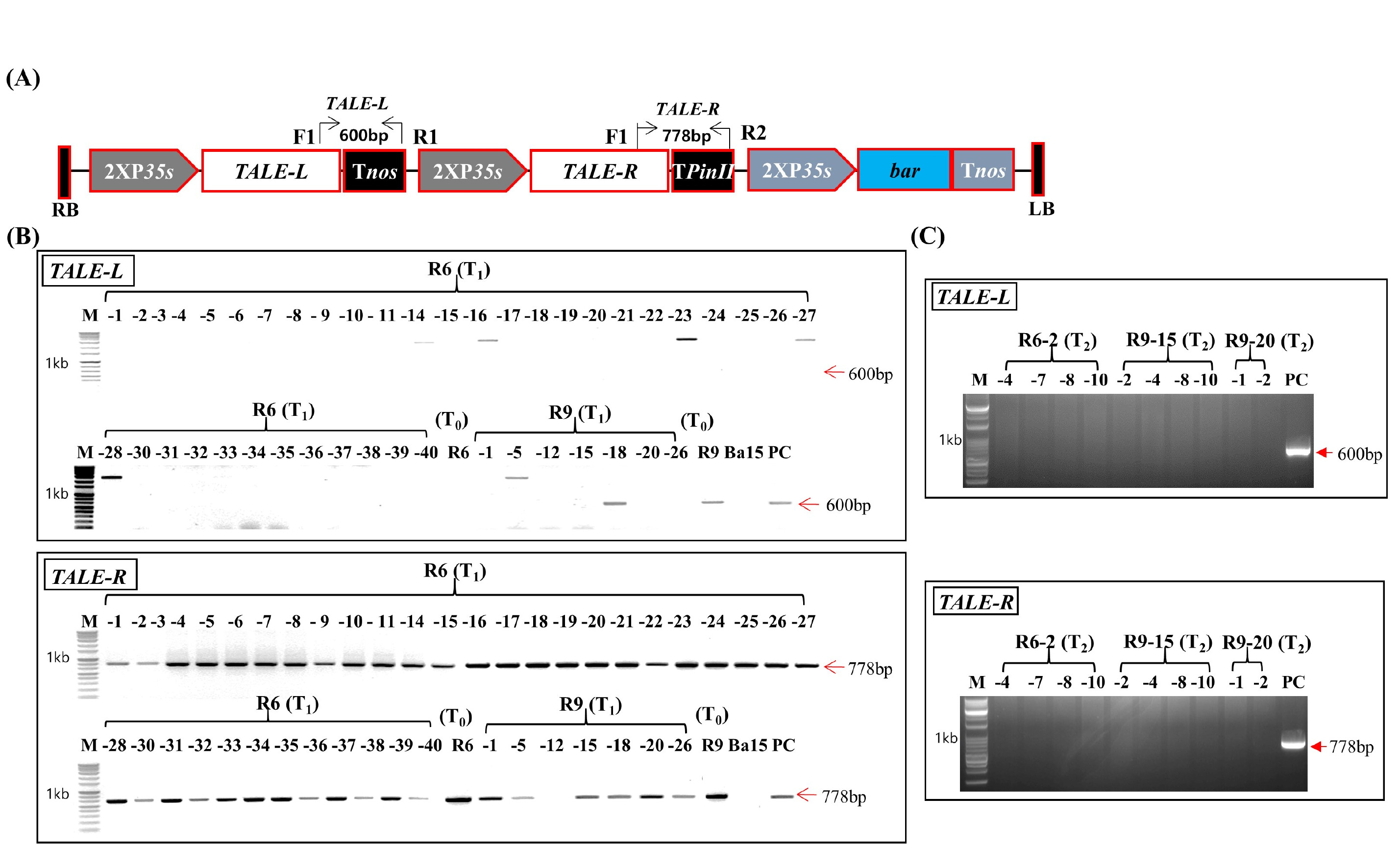
To obtain rice lines harboring the
bar mutations but not the TALEN construct, the PCR-based assay was used as follows: primer pair F1/R1 to amplify the C-terminus of
TALE-L and T-nos, F1/R2 to amplify the C-terminus of
TALE-R and T-PinII (
Fig. 3A). For R6 (T
0) and R6-1-40 (T
1) plants, only the
TALE-R construct and not the
TALE-L construct was detected. As shown in
Fig. 3B, five T
1 plants for R6 and one T
1 plant for R9 produced a single PCR product of approximately 3-4 kb, which should have been amplified by the F1 forward primer in the
TALE-R construct and the R2 reverse primer in the
Tnos of the
bar expression cassette.
TALE-L/R constructs were both confirmed in the R9 (T
0) plant. Seven T
1 plants were selected for
TALE construct confirmation, and the results indicated that one line (R9-18) contained both
TALE L/R constructs, whereas another line (R9-12) was
TALE-DNA free. Only the
TALE-R construct was detected in five other lines (
Fig. 3B). Ten T
2 plants derived from R6-2, R9-15, and R9-20 were confirmed free of
TALE-L/R DNA (
Fig. 3C), suggesting the T-DNA construct had been eliminated from T
1 to T
2 by segregations.
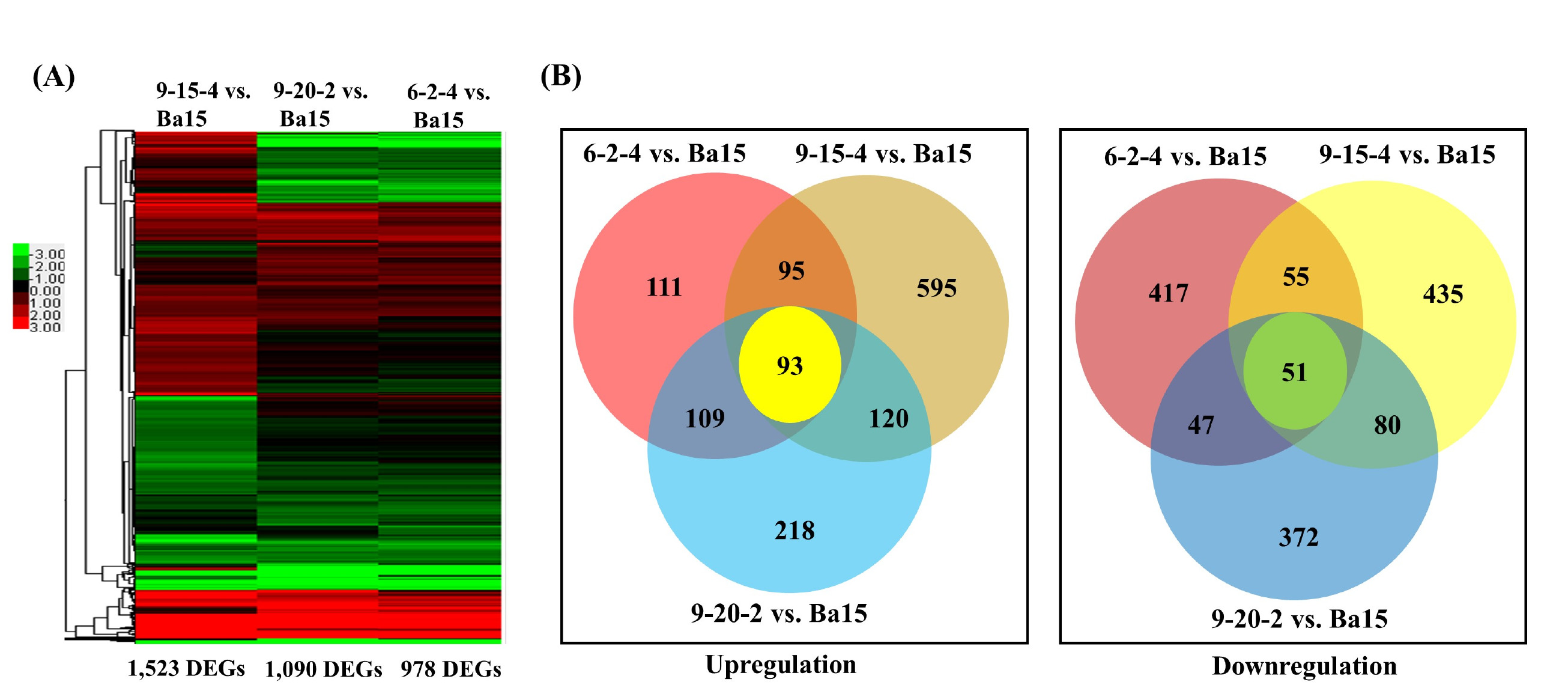
Using microarray analysis, transcriptome profiling was performed on three transgenic rice lines (R6-2-4, R9-15-4, and R9-20-2) and the recipient variety, the herbicide-resistant transgenic rice Ba15. The three lines were confirmed to be TALEN-DNA-free and to have inactive
bar expression. As shown in
Fig. 4A, we identified 1,523 DEGs from R9-15-4, 1,090 DEGs from R9-20-2, and 978 DEGs from R6-2-4, compared to their recipient line Ba15. A hierarchical clustering of all DEGs revealed that most were line-specific. To better understand transcriptome changes in the TALEN-mediated transgenic lines, line-specific DEGs overlapping in two or three TALEN-mediated
bar-knockout lines were extracted by using an adjusted
P-value cut off of
P ≤ 0.005 (
Fig. 4B). The results revealed that 144 DEGs including 93 upregulated and 51 downregulated DEGs were identified from the
bar-knockout group relative to the recipient group.
Gene set enrichment analysis revealed 72 enriched DEGs that were classified into the two GO terms “cellular component” and “molecular function.” In the cellular component category, the GO term “plasma membrane” (GO: 0005886) involved 20 DEGs, including 10 upregulated and 10 downregulated DEGs with the highest enrichment scores. Sixteen DEGs (10 upregulated and 6 downregulated DEGs) that belonged to the GO term “extracellular region” (GO: 0005576) showed significant enrichment scores. In the molecular function category, the most significantly enriched GO term was “response to polysaccharide binding” (GO: 0030247) involving five DEGs comprised of four upregulated and one downregulated DEG (
Table 2 and
Table 3). Furthermore, DEG analysis revealed significantly downregulated
bar expression with Log2 fold changes from -12.263 to -13.009 in the
bar-knockout lines R9-15-4, R9-20-2, and R6-2-4. These results were consistent with PAT protein expression levels assessed by immuno-strip tests. Furthermore, we did not detect significantly enriched DEGs which were involved in KEGG pathway and closely related to transcription factors (
Table 3).
DISCUSSION
In 2018, the first TALEN-edited high oleic acid soybean with approximately 80% oleic acid, which had been developed by Calyxt in the USA, was cultivated, and high oleic soybean oil was successful commercialized and released on the US market (Reviewed in
Park et al. 2019). However, safety assessment of gene-edited crops is still a controversial subject in Europe and most Asian countries. In the present study, we edited the herbicide-resistant gene
bar using TALENs to produce several
bar-knockout rice lines from the herbicide-resistant transgenic line Ba15, and then evaluated transcriptome changes in these rice lines. We believe these results will provide useful information on the safety assessment of GM crops obtained from NPBTs, such as those using TALENs and CRISPR-Cas9.
In this report, we identified some challenging problems. First, we generated 41 T
0 plants comprised of 14 lines with
bar sequence mutations and eight lines with inactive
bar expression but without
bar sequence mutations. Sequence analysis of the T
1 plants with inactive or reduced
bar expression indicated that only nine plants from R6 and four plants from R9 showed
bar sequence mutations. Although only a small number of positive clones were sequenced and more mutations could exist, we still suspect that there is a strong probability that off-target effects occurred within the CaMV 35S promoter in the
bar expression cassette. To support this viewpoint, we sequenced the CaMV 35S promoter of 20 T
1 progenies from the R6 line, in which
bar sequence mutations were not detected. One deletion, four SNPs, and one MNP (multiple base substitution) were observed in four of the lines (
Supplementary Fig. 1).
Second, most mutations in the T
0 and T
1 plants occurred in non-target sites of the
bar gene. Only three SNPs from R6 and R9 were detected within the spacer (48 bp to 64 bp) between the two TALE DNA-binding sites. Additionally, start and stop codon deletions in the
bar gene accounted for a large proportion of the total mutation types. TALEN-induced mutagenesis generally depends on TALEN architecture, transformation methods, and plant species. The endonuclease organization and DNA-binding domain, TALE DNA-binding orientation, and the requirement of a thymine at position zero (T
0) had been shown previously to achieve more efficient DNA cleavage in the target region (
Miller et al. 2011;
Christian et al. 2012;
Beurdeley et al. 2013). The TALE structure used in this study consisted of 17.5 RVD repeats with a 136-aa truncated N-terminus and FokI domain in the C-terminus in order to recognize the 17-bp DNA spacer of the two binding sites. The TALE: FokI fusion proteins bind to adjacent DNA sites starting at 5′ T0, with each located on the sense or antisense strand of the DNA in a tail-to-tail orientation. Such architecture has been studied for a wide range of DNA spacers of 10-35 bp with a high efficiency of cleavage and genome editing (
Juillerat et al. 2014;
Schreiber and Bonas 2014). In addition,
TALE-L and
TALE-R were both under control of the CaMV 35S promoter, with the aim to generate constitutive and equal expression of the TALENs. Hence, the TALE architecture should be able to edit the
bar gene effectively. In addition, we considered another factor that could possibly cause non-target mutations. In the early stages of this study, we used a transformation vector that only contained the
TALE expression cassette. After three days’ co-culture with
Agrobaterium harboring
TALE-DNA transgene cassette, rice calli were grown on selection-free medium. However, due to very low selection efficiency, we decided to modify the TALEN transformation vector to harbor a
bar expression cassette. We adopted a low-dose PPT selection (half the PPT concentration commonly used) to identify positive calli on the selection medium. In theory, TALE:FokI should edit all
bar binding sites in the rice genome, including the original site in the recipient line and the transformed site afterward. However, we suspect the rice calli that survived on the low-dose PPT selection medium only carried small mutations aimed to maintain partial function of the PAT protein. Rice calli with targeted mutations of
bar such as large InDels were eliminated during the selection process. These would provide only a partial representation of the
bar mutations occurring on non-target sites.
Finally, many
de novo mutations and sites were identified from self-pollination-derived T
1 progenies, but were not inherited from the T
0 plants. Most of the T
1 lines had more than one mutation site. In addition, we analyzed
bar sequence mutations in three selected
bar-knockout T
2 plants that were
TALE-DNA-free, and the results indicated that these lines were still heterozygous carrying 25-50% of the wild type
bar gene sequence. Furthermore, we failed to detect the
TALE-L construct in the T
0 plant of the R6 line. We considered the possibility of partial TALE-system transformation where only
TALE-R was transformed into the rice callus. Likewise, all of the T
1 progenies from R6 were confirmed to possess the
TALE-R structure, without segregation of the
TALE construct. The R9 line showed somewhat different results for the
TALE construct. Both
TALE-L and
TLAE-R were confirmed for the T
0 plant. An irregular segregation was observed in seven T
1 progenies in that one line (R9-18) contained both
TALE constructs one line (R9-12) contained no
TALE DNA, and the other five lines only contained the
TALE-R construct. To produce these
bar-knockout rice lines, we used particle bombardment for delivery of the vector DNA into the rice genome. We suspect that R6 and R9 contained multiple integrated copies of the
TALE-DNA cassette, and some copies had a high probability of being partial vector integrations into the recipient rice line, such as only involving the
TALE-R expression cassette. Particle bombardment remains the principle direct DNA transfer technique and has been reported to integrate T-DNA highly efficiently into plant genomes. However, the tendency to generate large transgene arrays containing rearranged and broken transgene copies is a noticeable issue (
Altpeter et al. 2005). Multi- and/or partial-copies of T-DNA integrations may generate non-target and chimeric mutations in T
0 plants. The
TALE-R expression cassette was detected in all T
1 plants from R6 and most of the T
1 plants from R9, which could cause ongoing cleavages in the T
1 progenies to produce many
de novo mutations. Likewise, heterozygous lines accounted for a large proportion of the T
2 plants.
Christian et al. (2013) reported TALEN-mediated mutations in
Arabidopsis. They found that the continuous occurrence of mutations in individual cells at various stages of plant development may cause a mosaic pattern in mutant plants. To obtain homologous plants with the desired editing, one of the challenges arises from variable nuclease expression in transgenic lines due to variations in
TALE copy number and position effects. A study on the creation of fragrant rice by TALEN technology to disrupt
OsBADH2 gene expression was reported (
Shan et al. 2015). These investigators achieved mutant segregations with TALEN-DNA-free lines in T
1 and T
2 generations. However, they found that chimeric mutations in a single target site might result from delayed cleavage in embryogenic cells that did not participate in gamete production. Moreover, some new InDel mutations among T
1 and T
2 offspring could be contributed to continued TALEN cleavage of the target. Combining our findings with those of the previous study, we believe that low copy numbers of TALEN transgene integrations and
Agrobacterium-mediated transformation methods may allow the acquisition of mutated null segregants in early generations, making it similar to the development of conventional genetically modified (GM) plants to some extent.
Many studies have focused on the possible occurrence of off-target edits in mutant plants edited by TALENs or the CRISPR/Cas9 system, which have been reported to occur at a low frequency in plants (
Zhang et al. 2014). In the present study, potential off-targets in the whole rice genome were searched using the two
TALE-DNA binding sequences on the platform of the PROGNOS online program (
Fine et al. 2013). We identified 384 potential off-target sites for the
bar gene with parameter settings of a 6-bp mismatch and 10-bp to 30-bp spacers. However, none of these hits were located in exons, introns, 3′-untranslated regions, 5′-untranslated regions, or promoter regions of the rice genome (data not shown). The predictable off-target sites can be detected by
in Silico predictions using online analysis platforms, but it still remains a challenge to identify unexpected effects which can be triggered by unpredictable off-target edits. Therefore, transcriptome profiling and comparisons should be an effective strategy for monitoring unintended consequences of gene-edited crops. Herein, we also performed microarray analysis on three
bar-knockout null segregants that were derived from T
2 generations of the two TALEN-based mutated T
0 rice plants R6 and R9. Although hierarchical clustering showed a number of DEGs, most of them were line-specific. We identified 72 enriched DEGs in the
bar-knockout group versus the recipient group. Gene set enrichment analysis indicated two GO terms (“cellular component” and “molecular function”) involving 31 DEGs that had significant enrichment scores, but the changes in expression of these DEGs were irregular in each GO term. Furthermore, these DEGs were not involved in the KEGG pathways and response to transcription factors. Hence, we conclude that the transcriptome changes in the
bar-knockout lines may have resulted from the
in vitro cell culture and transformation processes. Thus, it can be seen that TALEN-mediated editing occurred only on the
bar gene and CaMV 35S promoter and had little effect on the whole transcriptome of rice.
Supplementary Materials
ACKNOWLEDGEMENTS
This work was supported by a grant (PJ01432206 and PJ01194401) from the National Institute of Agricultural Sciences (Rural Development Administration, Republic of Korea).
Notes
-
CONFLICT OF INTEREST
The authors declare that there is no conflict of interest.
Fig. 1Schematics of TALE structure and TALE backbone transformation vector for herbicide-resistant bar gene knockout. (A) Simple diagram of TALE targeting of bar gene showing TALE-L and TALE-R with their repeat variable di-residue (RVD) encoding NN, HD, NI, and NG to recognize nucleotides G, C, A, and T, respectively. (B) The TALEN architecture. NLS, nuclear localization signal. (C) Transformation vector construction of pPZP-TaleLR-bar.
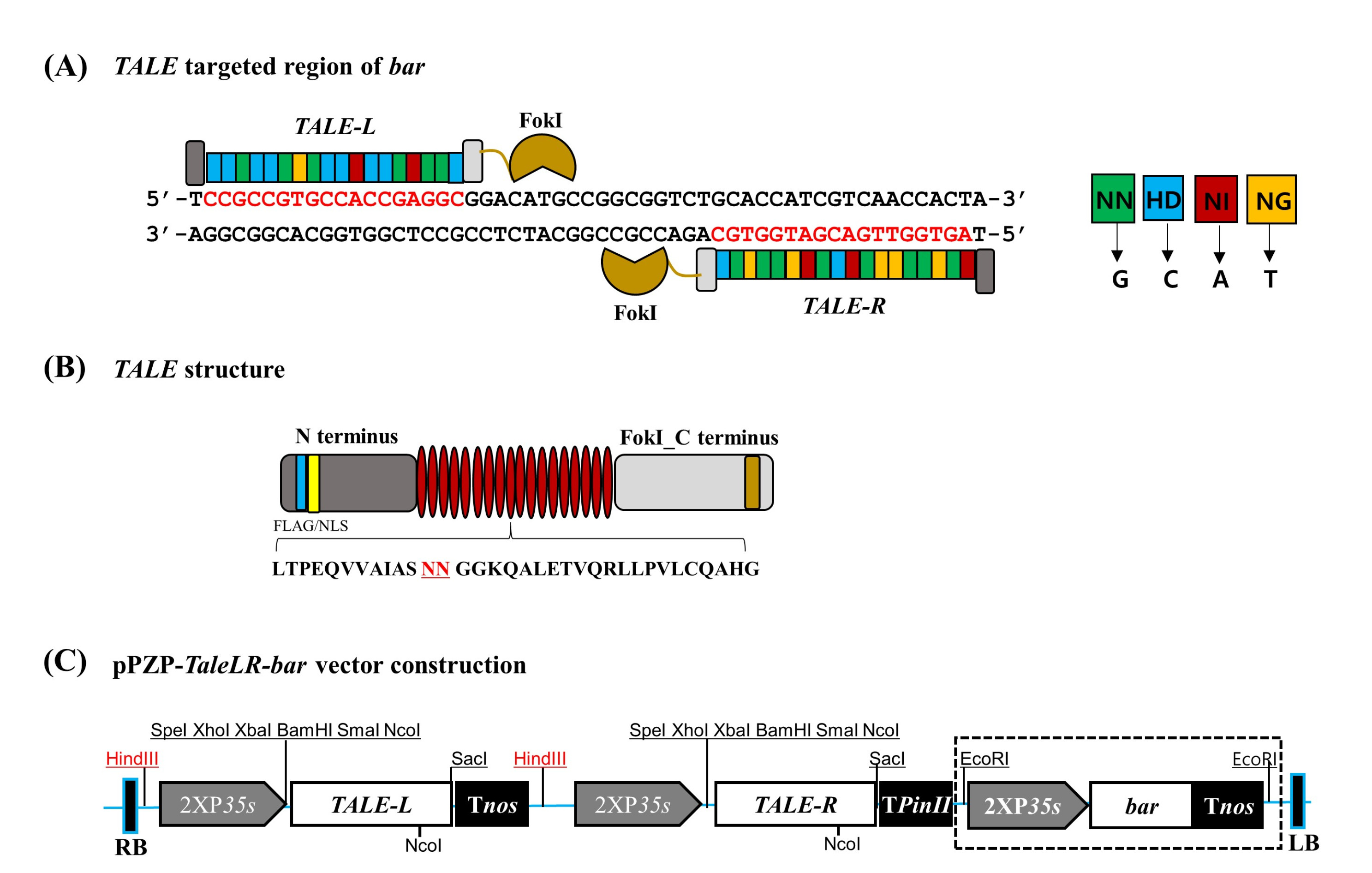
Fig. 2PAT protein expression for bar-mutated rice lines in T0 (A), T1 (B), and T2 (C) generations. Red asterisks indicate transgenic lines selected for further analysis.
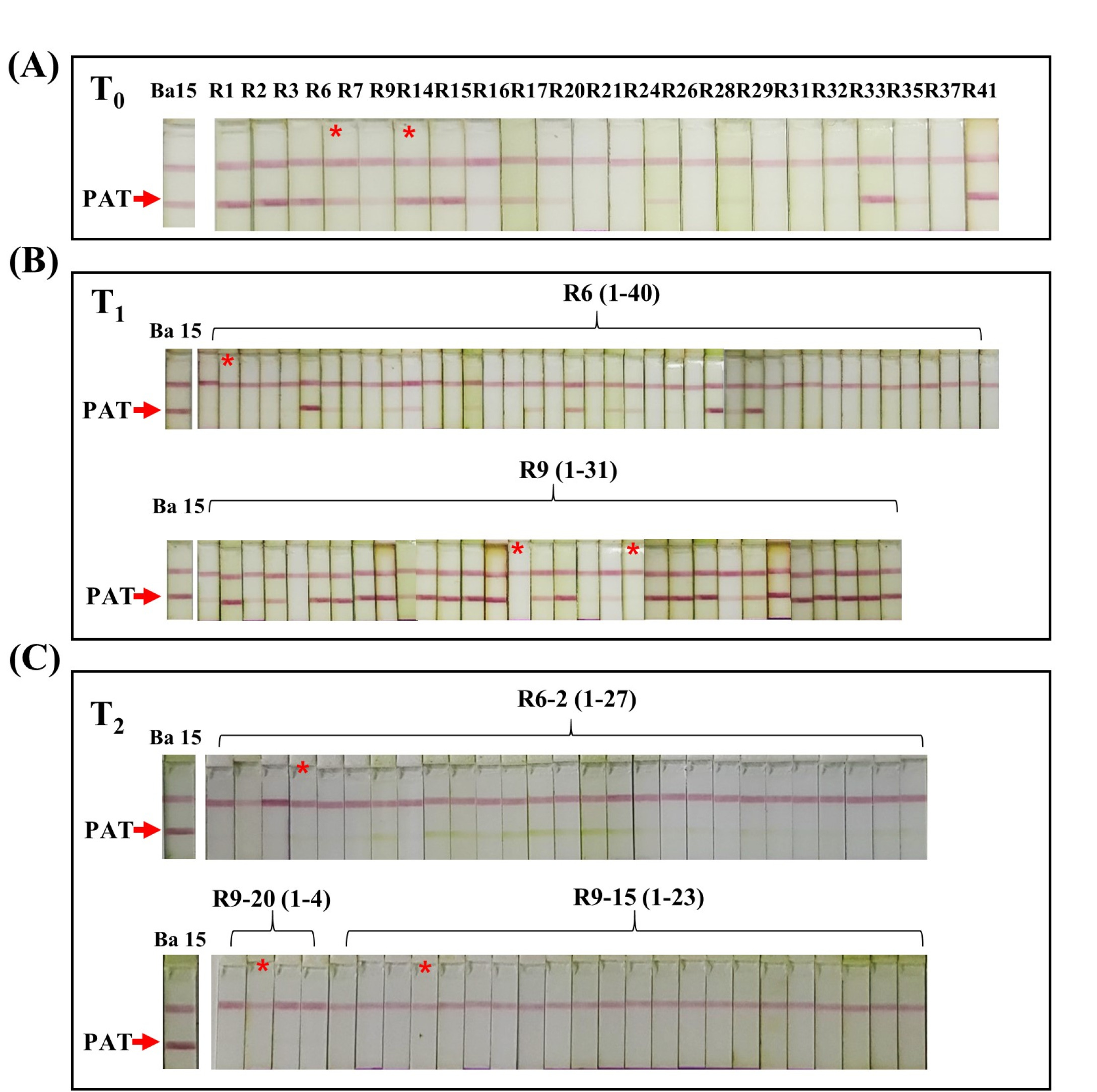
Fig. 3PCR strategy for confirmation of TALE-DNA constructs in bar-knockout transgenic rice lines R6 and T9, and their T1/T2 generations. (A) Simple diagram of TALE construct and PCR design. (B) and (C) TALE construct analysis for T0, T1, and T2 plants of R6 and R9, respectively.
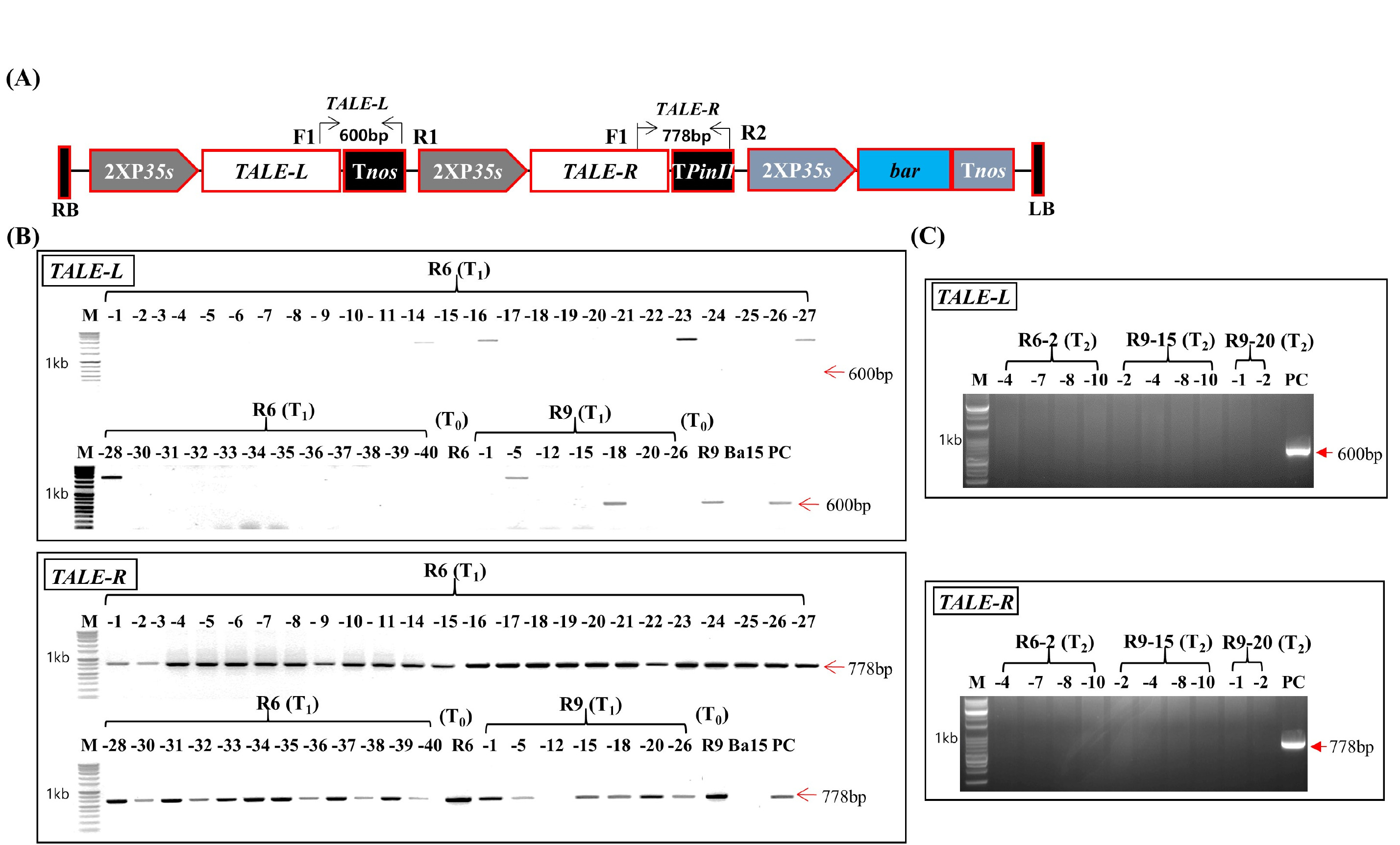
Fig. 4Differentially expressed genes (DEGs) detected from three bar-knockout lines compared to their recipient variety Ba15. (A) Hierarchical clustering of total DEGs based on a threshold of Log2 fold change > 2 and false discovery rate (FDR) P-value ≤ 0.05. (B) Upregulated and downregulated DEGs based on a threshold of Log2 fold change > 2 and FDR P-value ≤ 0.005.
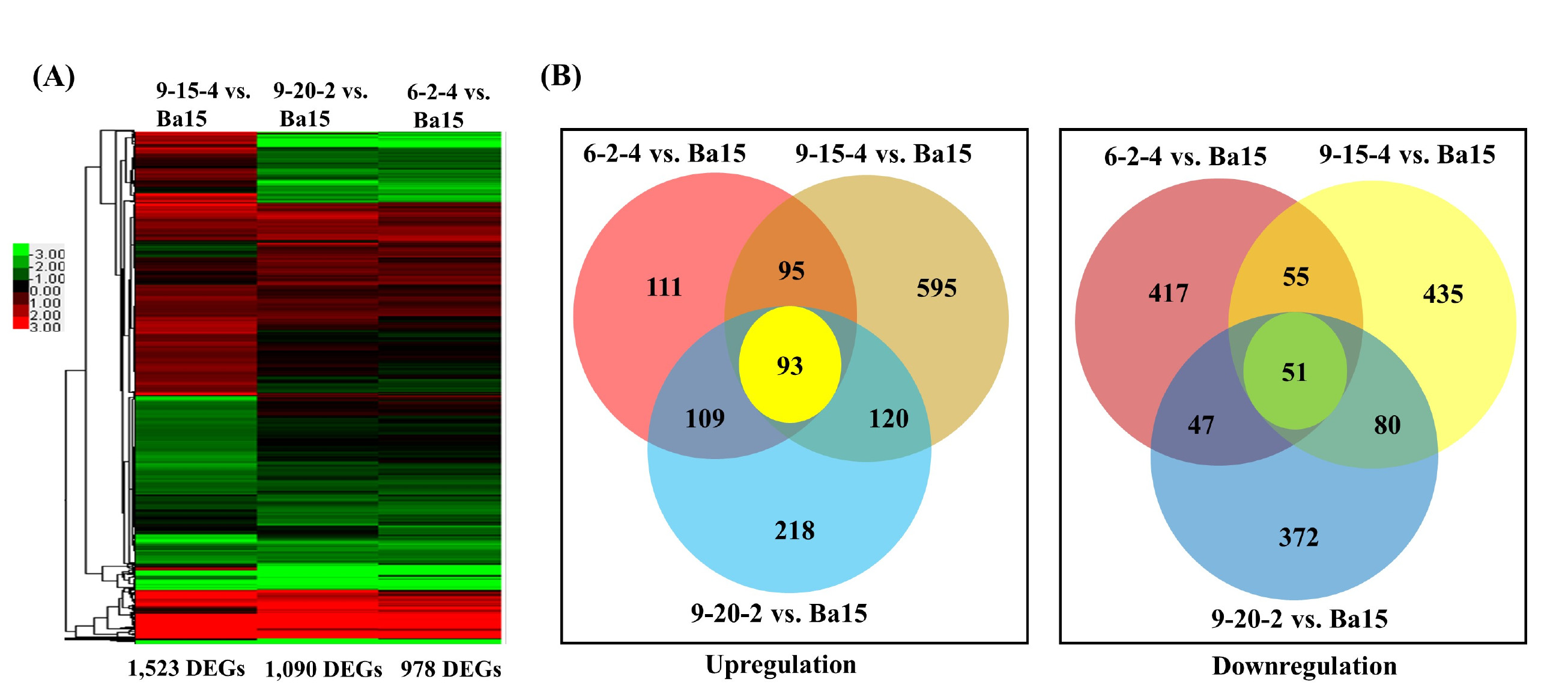
Table 1TALEN-mediated bar mutations in T0 R6 and R9 plants and their T1 generations.
Table 1
|
Mutant lines |
Generation |
Mutation types |
Mutation site (bp) |
PAT expressionz) |
TALE-L/Ry)
|
Generation |
Mutation sites (bp) |
Amino acids |
PAT expression |
TALE-L/R
|
|
R6 |
T0
|
Start codon deletion/insertion |
‒1/‒3 |
+/‒ |
‒/+ |
T1
(R6,1-40) |
+1/‒1/‒2/‒3 |
Frame shift |
+/‒ |
‒/+ |
|
|
|
SNP |
A/G (4) |
G/T (3), A/G (4), G/T (58), G/A (60)x), G/A (199), G/T (235), A/T (552) |
Substitution |
‒ |
|
|
|
Stop codon deletion |
‒ |
‒2/‒3/‒4/‒5/‒8 |
Deletion |
+ |
|
|
R9 |
T0
|
Start codon deletion/insertion |
‒1 |
+ |
+/+ |
T1
(R9, 1-31) |
‒1/‒3 |
Frame shift |
+/‒ |
+, ‒/+ |
|
|
|
SNP |
‒ |
G/T (3), G/A (22), G/A (57), G/T (137), G/A (167), G/A (219), G/A (412), T/G (550) |
Substitution |
‒ |
|
|
|
Stop codon deletion |
‒1 |
‒1/‒4/‒5 |
Deletion |
+ |
Table 2Gene Ontology (GO) annotation and GO enrichment analysis at P ≤ 0.005 of DEGs detected from the bar-knockout rice group compared to the recipient group.
Table 2
|
Gene Ontology |
Terms |
Cluster frequencyz)
|
P-value |
|
Cellular Component (CC) |
Plasma membrane (GO:0005886) |
27.78% |
0.003531717 |
|
Extracellular region (GO:0005576) |
22.22% |
0.004769093 |
|
Molecular Function (MF) |
Polysaccharide binding (GO:0030247) |
6.94% |
0.00029600 |
Table 3Enriched DEGs detected from bar-knockout transgenic rice group compared to the recipient herbicide-resistant line Ba15.
Table 3
|
SEQ_ID |
Log2 fold changes |
Descriptions |
GO termsz)
|
TAIRy)
|
|
|
R9-15-4 |
R9-20-2 |
R6-2-4 |
|
Bar
|
−12.263 |
−12.419 |
−13.009 |
A bialaphos-resistantgene
|
- |
TALEN-target |
|
Os03t0392600-01 |
−9.128 |
−8.358 |
−8.999 |
Peptidase S10, serine carboxypeptidase family protein |
CC |
AT2G27920 |
|
Os09t0358000-00 |
−8.633 |
−6.202 |
−8.516 |
Similar to OsD305 |
CC |
AT1G51890 |
|
Os11t0695000-01 |
−7.744 |
−7.639 |
−6.600 |
Similar to Leucine Rich Repeat family protein |
CC |
AT3G47570 |
|
Os09t0356800-01 |
−7.271 |
−3.446 |
−7.168 |
Protein kinase, core domain containing protein |
CC |
AT1G51850 |
|
Os11t0514500-01 |
−6.766 |
−8.222 |
−6.396 |
Sorghum bicolor leucine-rich repeat-containing extracellular glycoprotein precursor |
CC |
AT5G21090 |
|
Os02t0483000-00 |
−6.648 |
−5.603 |
−5.616 |
Similar to fasciclin-like arabinogalactan protein 8 |
CC |
AT3G12660 |
|
Os11t0641500-01 |
−4.364 |
−4.436 |
−5.929 |
Cupredoxin domain containing protein |
CC |
AT3G09220 |
|
Os03t0184550-01 |
−3.596 |
−2.900 |
−2.921 |
Similar to Dihydroflavonol-4-reductase |
CC |
AT4G33360 |
|
Os10t0343400-01 |
−3.207 |
−3.590 |
−2.886 |
Cellulose synthase family protein |
CC |
AT3G03050 |
|
Os10t0142600-00 |
−2.762 |
−3.686 |
−4.315 |
Protein kinase, catalytic domain domain containing protein |
CC, MF |
AT1G21270 |
|
Os02t0740700-01 |
−2.512 |
−3.015 |
−2.516 |
Peptidase M10A and M12B, matrixin and adamalysin family protein |
CC |
AT1G24140 |
|
Os11t0115350-01 |
−2.227 |
−3.853 |
−3.681 |
Similar to Non-specific lipid-transfer protein 2 |
CC |
AT2G38540 |
|
Os12t0228700-00 |
−2.156 |
−3.158 |
−3.029 |
Similar to 32 kDa protein |
CC |
AT1G73040 |
|
Os04t0175600-01 |
2.005 |
2.702 |
2.029 |
Similar to o-methyltransferase (EC 2.1.1.6) (Fragment) |
CC |
AT5G54160 |
|
Os12t0583300-01 |
2.390 |
2.923 |
2.099 |
Peptidase aspartic, catalytic domain containing protein |
CC |
AT2G03200 |
|
Os05t0318700-01 |
2.527 |
3.501 |
4.265 |
Similar to Resistance protein candidate (Fragment) |
CC |
AT3G51550 |
|
Os09t0339000-01 |
2.718 |
4.084 |
2.400 |
Protein kinase, core domain containing protein |
CC |
AT5G10530 |
|
Os11t0605100-01 |
3.197 |
4.683 |
5.049 |
NB-ARC domain containing protein |
CC |
AT3G14470 |
|
Os02t0111600-01 |
3.245 |
3.698 |
2.199 |
Serine/threonine protein kinase-related domain containing protein |
CC, MF |
AT1G21230 |
|
Os12t0431100-01 |
3.366 |
2.913 |
2.211 |
ATPase, AAA-type, core domain containing protein |
CC |
AT5G40010 |
|
Os07t0539900-01 |
3.497 |
3.157 |
2.956 |
Similar to Beta-1,3-glucanase-like protein |
CC, MF |
AT4G26830 |
|
Os01t0944500-00 |
3.682 |
3.588 |
3.094 |
Glycoside hydrolase, family 17 domain containing protein |
CC, MF |
AT3G57240 |
|
Os01t0660200-01 |
3.759 |
4.487 |
2.663 |
Acidic class III chitinase OsChib3a precursor (Chitinase) (EC 3.2.1.14) |
CC |
AT5G24090 |
|
Os06t0566300-00 |
3.867 |
2.056 |
2.389 |
Similar to zinc transporter 4 |
CC |
AT1G10970 |
|
Os01t0713200-01 |
4.312 |
3.960 |
2.744 |
Similar to Beta-glucanase |
MF |
AT3G57260 |
|
Os06t0143950-00 |
4.396 |
5.334 |
6.007 |
Non-protein coding transcript |
CC |
AT1G79990 |
|
Os02t0550800-01 |
4.446 |
4.496 |
3.998 |
Ammonium transporter family protein |
CC |
AT2G38290 |
|
Os12t0628600-01 |
4.760 |
3.073 |
2.335 |
Similar to Thaumatin-like pathogenesis-related protein 3 precursor |
CC |
AT4G11650 |
|
Os07t0131375-00 |
6.228 |
5.106 |
5.720 |
Protein kinase, catalytic domain domain containing protein |
CC |
AT2G37710 |
|
Os11t0214700-00 |
7.629 |
3.431 |
3.181 |
Plant disease resistance response protein domain containing protein |
CC |
AT5G42510 |
|
Os01t0382000-01 |
8.453 |
6.368 |
6.203 |
Similar to Pathogenesis-related protein PRB1-2 precursor |
CC |
AT4G33720 |
References
- Abdeen A, Miki B. 2009. The pleiotropic effects of the bar gene and glufosinate on the Arabidopsis transcriptome. Plant Biotechnol. J.. 7: 266-282.
- Altpeter F, Baisakh N, Beachy R, Bock R, Capell T, Christou P, et al. 2005. Particle bombardment and the genetic enhancement of crops: myths and realities. Mol. Breed.. 15: 305-327.
- Beurdeley M, Bietz F, Li J, Thomas S, Stoddard T, Juillerat A, et al. 2013. Compact designer TALENs for efficient genome engineering. Nat. Commun.. 4: 1-8.
- Callaway E. 2018. CRISPR plants now subject to tough GM laws in European Union. Nature. 560: 16-17.
- Chae S, Kim JS, Jun KM, Lee SB, Kim MS, Nahm BH, et al. 2017. Analysis of genes with alternatively spliced transcripts in the leaf, root, panicle and seed of rice using a long oligomer microarray and RNA-Seq. Mol. Cells. 40: 714-730.
- Char SN, Unger-Wallace E, Frame B, Briggs SA, Main M, Spalding MH, et al. 2015. Heritable site-specific mutagenesis using TALENs in maize. Plant Biotechnol. J.. 13: 1002-1010.
- Christ B, Pluskal T, Aubry S, Weng JK. 2018. Contribution of untargeted metabolomics for future assessment of biotech crops. Trends Plant Sci.. 23: 1047-1056.
- Christian M, Cermak T, Doyle EL, Schmidt C, Zhang F, Hummel A, et al. 2010. Targeting DNA double-strand breaks with TAL effector nucleases. Genetics. 186: 757-761.
- Christian ML, Demorest ZL, Starker CG, Osborn MJ, Nyquist MD, Zhang Y, et al. 2012. Targeting G with TAL effectors: a comparison of activities of TALENs constructed with NN and NK repeat variable di-residues. PLoS One. 7: e45383
- Christian M, Qi Y, Zhang Y, Voytas DF. 2013. Targeted mutagenesis of Arabidopsis thaliana using engineered TAL effector nucleases. G3 (Bethesda). 3: 1697-1705.
- Doyle EL, Booher NJ, Standage DS, Voytas DF, Brendel VP, VanDyk JK, et al. 2012. TAL Effector-Nucleotide Targeter (TALE-NT) 2.0: tools for TAL effector design and target prediction. Nucleic Acids Res.. 40: W117-W122.
- Fine EJ, Cradick TJ, Zhao CL, Lin Y, Bao G. 2013. An online bioinformatics tool predicts zinc finger and TALE nuclease off-target cleavage. Nucleic Acids Res.. 42: e42
- Haun W, Coffman A, Clasen BM, Demorest ZL, Lowy A, Ray E, et al. 2014. Improved soybean oil quality by targeted mutagenesis of the fatty acid desaturase 2 gene family. Plant Biotechnol. J.. 12: 934-940.
- James C. 2018. Global status of commercialized biotech/GM crops. ISAAA Brief No.54. ISAAA: Ithaca. NY, U. S. A.
- Juillerat A, Dubois G, Valton J, Thomas S, Stella S, Marechal A, et al. 2014. Comprehensive analysis of the specificity of transcription activator-like effector nucleases. Nucleic Acids Res.. 42: 5390-5402.
- Kleter GA, Kuiper HA, Kok EJ. 2019. Gene-edited crops: towards a harmonized safety assessment. Trends Biotechnol.. 37: 443-447.
- Lassoued R, Macall DM, Smyth S, Phillips PWB, Hesseln H. 2019. Risk and safety considerations of genome edited crops: expert opinion. Curr. Res. Biotechnol.. 1: 11-21.
- Li T, Liu B, Spalding MH, Weeks DP, Yang B. 2012. High-efficiency TALEN-based gene editing produces disease-resistant rice. Nat. Biotechnol.. 30: 390-392.
- Malzahn A, Lowder L, Qi YP. 2017. Plant genome editing with TALEN and CRISPR. Cell Biosci.. 7: 1-8.
- Miller JC, Tan S, Qiao G, Barlow KA, Wang J, Xia DF, et al. 2011. A TALE nuclease architecture for efficient genome editing. Nat. Biotechnol.. 29: 143-148.
- Nishizawa-Yokoi A, Cermak T, Hoshino T, Sugimoto K, Saika H, Mori A, et al. 2016. A defect in DNA Ligase4 enhances the frequency of TALEN-mediated targeted mutagenesis in rice. Plant Physiol.. 170: 653-666.
- Park SC, Joung YH, Kim KM, Kim JK, Koh HJ. 2019. Gene-edited crops: Present status and their future. Korean J. Breed. Sci.. 51: 175-183.
- Schreiber T, Bonas U. 2014. Repeat 1 of TAL effectors affects target specificity for the base at position zero. Nucleic Acids Res.. 42: 7160-7169.
- Shan Q, Zhang Y, Chen K, Zhang K, Gao C. 2015. Creation of fragrant rice by targeted knockout of the OsBADH2 gene using TALEN technology. Plant Biotechnol. J.. 13: 791-800.
- Waterworth WM, Drury GE, Bray CM, West CE. 2011. Repairing breaks in the plant genome: the importance of keeping it together. New Phytol.. 192: 805-822.
- Zhang H, Zhang JS, Wei PL, Zhang BT, Gou F, Feng ZY, et al. 2014. The CRISPR/Cas9 system produces specific and homozygous targeted gene editing in rice in one generation. Plant Biotechnol. J.. 12: 797-807.
- Zhang Y, Massel K, Godwin ID, Gao CX. 2018. Applications and potential of genome editing in crop improvement. Genome Biol.. 19: 1-11.