Abstract
Knowledge of genetic resources is essential for breeders to create new crop varieties with improved characteristics. In this respect, mutant populations may conveniently provide a powerful tool for identifying new functional genes. Therefore, we used the Micro-Tom tomato variety, which has a reduced size and a relatively short life-cycle compared to other commercial tomato cultivars, to construct a mutant population using gamma-ray radiation as a mutagen. To determine the optimal mutagenic intensity of gamma rays for tomato, dry seeds of Micro-Tom were irradiated with gamma-ray intensities from 0 to 1000 gray (Gy) with increments of 100 Gy. The germination rate of mutagenized seeds (M1 seeds) on MS media was not affected by the tested gamma-ray intensity range. However, seedling growth was severely reduced with increasing irradiation. Seedling growth rate at eight days after germination showed that the median gamma-ray doses for hypocotyl and root elongation were 600 and 300-400 Gy, respectively. The survival test for 300, 400, and 500 Gy-treated M1 seeds showed that survival rates significantly decreased with increasing irradiation. The survival rate of 400 Gy-radiated seeds was 48%, while that of 500 Gy-radiated seeds was only 25%, compared with the control treatment. Therefore, we concluded that gamma-ray irradiation at 300-400 Gy is best for tomato mutagenesis. To find new mutants, M2 seeds produced by M1 plants were grown. We found several mutants, including plants with varying cotyledon number, variegated or red leaves, and green hypocotyls.
-
Key words: Gamma ray, Genetic resource, Micro-Tom, Mutagenesis, Tomato
INTRODUCTION
The Solanaceae is a major plant family comprising more than 3000 species including tomato, potato, tobacco, eggplant, and pepper. Many solanaceous species contri-bute to the human diet and provide useful pharmaceutical re-sources. Among solanaceous crops, tomato (
Solanum lycopersicum) is the most important horticultural crop worldwide, with an annual production of over 180 million tons (FAOSTAT,
http://www.fao.org/faostat/en/#home).
In addition to its economic value and significance as a food source, tomato has many important agronomic characteristics, such as fleshy fruits, sympodial branches, compound leaves, multicellular glandular trichomes, and high nutritional value (
Giuliano 2014;
Wu et al. 2018;
Bar and Shtein 2019). Moreover, tomato has a relatively short life-span, a small genome, and simple diploid genetics, and is readily and stably transformed by genetic engineering technology, which makes the species a good plant model for both basic and applied research (
Ranjan et al. 2012;
Gerszberg et al. 2015). However, tomato is vulnerable to various biotic and abiotic stress conditions that ultimately affect fruit yield and quality. While addressing these problems, breeders have exploited a diversity of genetic resources to develop varieties with desirable traits, such as stress tolerance and higher yield (
Kennedy 2003;
Foolad et al. 2008). Thus, several approaches have been used to increase genetic variability in tomato. For example, wild tomato species have been crossed with cultivated tomato (
Perez-Fons et al. 2014;
Pailles et al. 2020). In addition, transgenic tomato plants with genes originating from other species have been developed (
Pereira et al. 2018;
Mayta et al. 2019), and the clustered-regularly-interspaced-short-palindromic-repeat (CRISPR)/CRISPR-associated 9 endonuclease (CRISPR/Cas9) system has been used successfully to generate mutant tomato lines (
Li et al. 2018;
Zhang et al. 2019). Unfortunately, the small number of available wild-tomato species and prevailing concerns over genetically modified organisms hinder their use as genetic and agronomic tools. Alternatively, induced mutagenesis can be used to generate mutant pools exhibiting wide phenotypic variability. For example, chemical mutagenesis using ethyl methanesulfonate (EMS), which causes single-nucleotide polymorphisms (SNP), or physical mutagenesis using gamma rays and proton beams, which causes insertion-deletion (indels) mutations, has been widely used in several plant species (
Sagan et al. 1995;
Jander et al. 2003;
Matsukura et al. 2007;
Till et al. 2007;
Watanabe et al. 2007;
Lee et al. 2008). Chemically induced mutagenesis can be a powerful method for creating a broad mutant pool with high mutation frequency. In contrast, physical mutagenesis is preferred to chemical mutagenesis in terms of distinct mutant phenotypes. Unlike SNP generated by chemical mutagenesis, which creates subtle changes in sequences and seldom changes the phenotype, physical mutagenesis leads to larger indels that can change the phenotype comparatively more easily (
Granier et al. 2015).
Gamma-radiation is the most commonly used physical mutagenic source and is ideal for generating breeding materials in diverse plant species. For example, in cowpea, drought-resistance, seed color, or grain yield-related mutants have been developed (
Horn et al. 2016). Similarly, in rice and blackberries, salt-tolerance, and grain or fruit with high anthocyanin mutants have been developed (
Lee et al. 2003;
Ryu et al. 2017;
Purwanto et al. 2019). As for tomato, some mutants obtained by irradiation with gamma rays are available from TOMATA (
http://tomatoma.nbrp.jp/ indexAction.doand), and the C.M. Rick Tomato Genetics Resource Center (
https://tgrc.ucdavis.edu/). Further, drought-tolerant and growth-related mutants have been successfully employed in tomato breeding (
Ayan et al. 2017;
Pulungan et al. 2018).
In general, chromosomal mutations increase as the gamma-ray dose incrases; however, plant growth and sur-vival commonly decrease concomitantly. Therefore, in order to successfully generate a mutant population with diverse, potentially valuable traits induced by gamma-irradiation, it is important to use an adequate radiation dose, which in the case of tomato, has not been reported to date. Here, we examined the effects of various intensities of gamma-ray radiation on the germination rate, seedling growth, and survival rate of Micro-Tom tomato plants to determine the optimal dose for developing a mutant population that might be used as a valuable genetic resource for the analysis of gene function and for exploring desirable agronomic traits for breeding.
MATERIALS AND METHODS
Plant material and growth conditions
Seeds of Solanum lycopersicum ‘Micro-Tom’ (LA3911) sourced from the C.M. Rick Tomato Genetics Resource Center (University of California, Davis, CA, USA) were germinated on half strength Murashige and Skoog (MS) with Gamborg’s B5 medium (#M0231, Duchefa, Haarlem, Netherlands) containing 0.8% agar and 3% sucrose, at 25℃, in a growth chamber under a 16/8 hour light/dark cycle and a light intensity of 50 μE/m2s. One week after germination, 300 seedlings were transplanted onto pots 11 cm in diameter and grown in a greenhouse to seed (M0) maturity. M0 seeds were used to determine the optimal gamma-ray intensity for mutagenesis in Micro-Tom.
Generation of M1 seeds by gamma irradiation
For gamma-ray treatment, batches of 1000 seeds (M0 seeds) were irradiated with 100, 200, 300, 400, 500, 600, 700, 800, 900, or 1000 Gy of gamma rays for 24 hours. Irradiation was provided by a 60Co gamma irradiator (150 TBq capacity; Atomic Energy of Canada Limited, Ottawa, Canada) at the Korea Atomic Energy Research Institute.
Germination rate and seedling growth of M1 seeds
One-hundred M1 seeds from each irradiation treatment were sown on half strength MS plates containing Gamborg’s B5 vitamins, 0.8% agar, and 3% sucrose. The plates were incubated under the conditions described above. Germinated seeds were counted from day five to day eight after germination to calculate the germination rate. Additionally, eight days after germination, hypocotyl and root lengths were measured for evaluation of seedling growth.
Survival test of M1 seedlings and harvesting M2 seeds
Fifty M1 seeds from each irradiation treatment were sown directly into pots 11 cm in diameter and grown in the greenhouse under natural light and average day/night temperatures of 25/20℃. Independently another fifty M1 seeds from each irradiation treatment were sown and grown under the conditions described above. The survival rate of M1 seedlings was determined six weeks after germination by counting live plants with green leaves. The M1 plants that survived were grown to full maturity. Fruits and M2 seeds were harvested and used to generate new mutant populations.
RESULTS
Germination rate of M1 seeds
The Micro-Tom tomato cultivar was used in this study because it does not require much space to grow so many more plants can be grown within the same area than common tomato plants (
Supplementary Fig. S1). Furthermore, since the process takes several generations, the 50-60-day life cycle of Micro-Tom makes it an ideal model for generating and screening a mutant population in a relatively short period of time. To estimate the lethal dose (LD) effect of gamma-irradiation on Micro-Tom seeds, we examined the germination rates of M
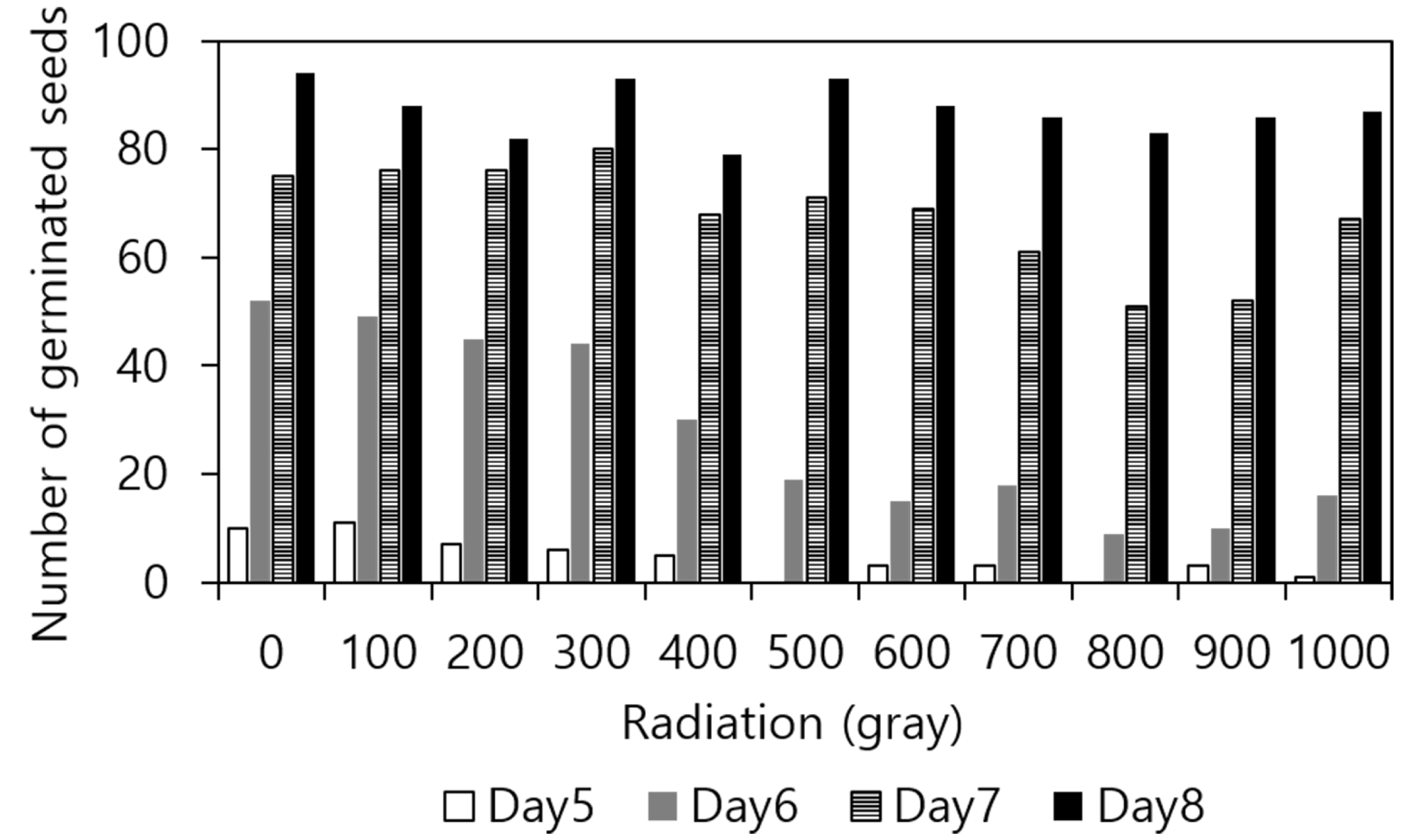
1 seeds irradiated with gamma-ray intensities from 0 to 1000 Gy with 100 Gy increments. Control (0 Gy) and most gamma-irradiated seeds began to germinate five days after sowing. At six days after sowing, the germination rate for control seeds was 52%, while it decreased from 49% to 9% as the radiation dose increased. However, eight days after germination, the control and radiation-treated seeds showed similar germination rates ranging from 79% to 94% (
Fig. 1). Since the germination rate of M
1 seeds was not radiation-dependent, LD could not be determined.
Although control and M
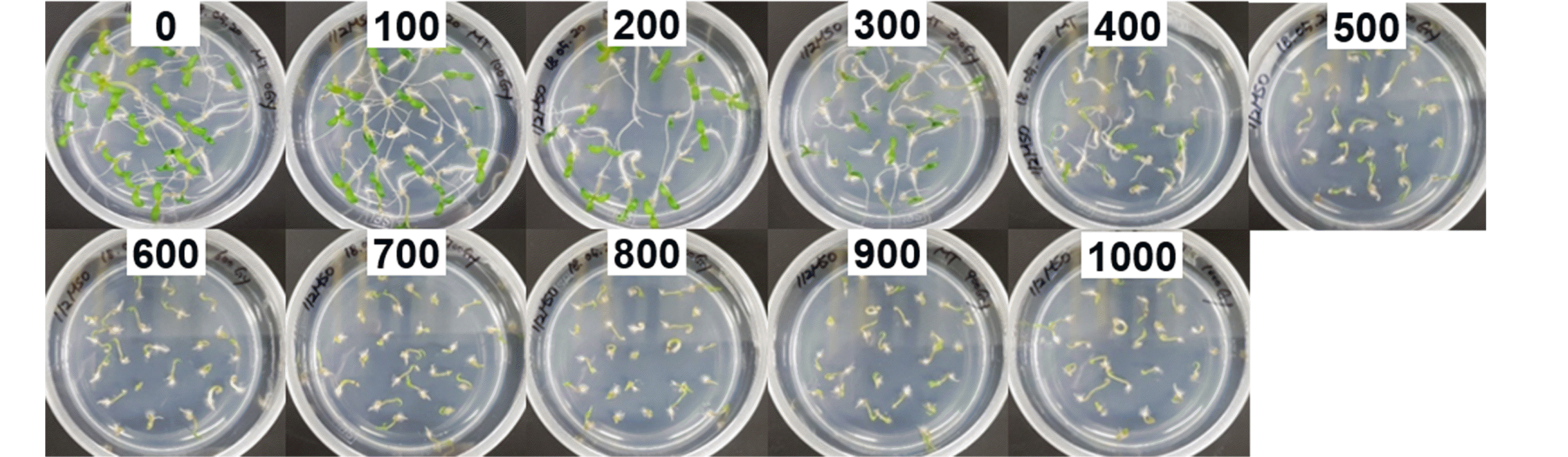
1 seeds did not differ for germination rate at eight days after germination, seedling growth decreased as radiation dose increased (
Fig. 2 and
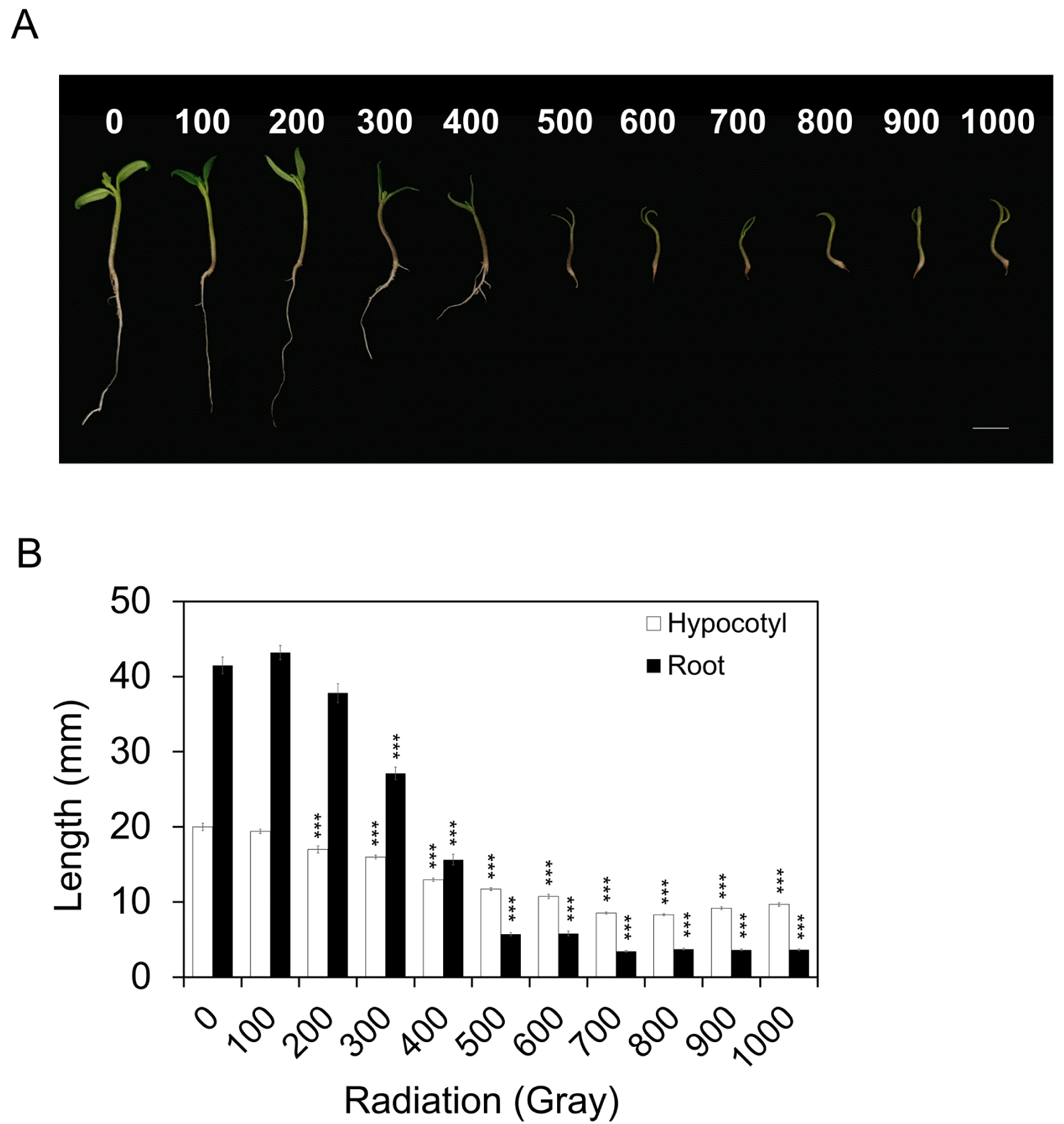
Fig. 3A). We measured hypocotyl and root lengths of eight-day-old M
1 seedlings grown on MS media to determine the optimal intensity of gamma rays for muta-genesis. Seedlings raised from 100 Gy-irradiated seeds were similar to control seedlings in hypocotyl length. In seedlings irradiated with irradiation doses higher than 100 Gy, hypocotyl length decreased gradually as radiation dose increased. Seedlings raised from seeds irradiated with doses greater than 700 Gy had a hypocotyl length that was less than half of the hypocotyl length of control seedlings (< 9 and 19.3 mm, respectively). Further, the hypocotyl lengths of seedlings germinated from seeds irradiated with 700, 800, 900, or 1000 Gy were similar and ranged from 8.3 to 9.5 mm (
Fig. 3B). There was no significant difference among control, 100, and 200 Gy-irradiated seedlings with respect to the root length. However, the root length of seedlings grown from seeds irradiated with more than 300 Gy decreased significantly relative to control seedlings, which averaged 41 mm, whereas the root lengths of seedlings germinated from 300 and 400 Gy-irradiated seeds were reduced by 65% and 37% (27.1 mm and 15.6 mm), respectively, which were close to the median root length of control seedlings. Root lengths of seedlings germinated from 500 or greater Gy gamma-irradiated seeds were reduced to 8%-14% of the control-seedling root length (
Fig. 3B).
Root length was more sensitive to high gamma-ray intensity than hypocotyl length in M
1 seedlings. Furthermore, the critical irradiation level for changes in root length seemed to be between 300 and 400 Gy. M
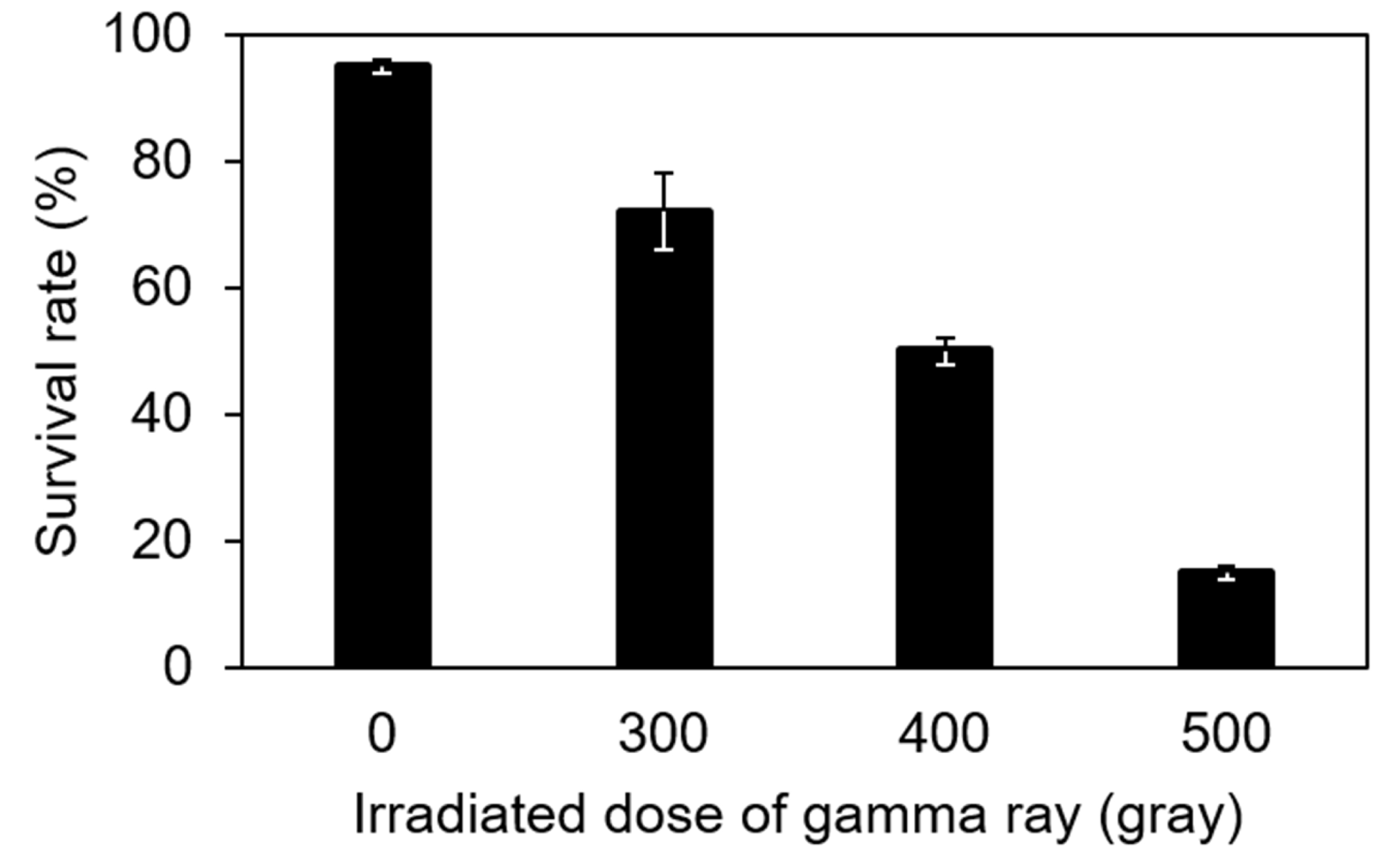
1 seeds irradiated with gamma-ray intensities of 300, 400, or 500 Gy were sown into pots and grown in the greenhouse to test the survival rate six weeks after sowing. Control plants showed a survival rate of 95%. Meanwhile, the survival rate for plants germinated from 300 Gy gamma-irradiated seeds was 15% lower but not statistically different from controls. In contrast, the plant survival rate of 400 Gy gamma-irradiated seeds was substantially reduced by 48%, while that of 500 Gy gamma-irradiated seeds decreased even further, by 75%, relative to control plants (
Fig. 4).
One-hundred and fifty M1 seeds from gamma-ray treated batches of seed at 300, 400, and 500 Gy were sown for cultivation to generate the new mutant population. Most plants produced fruits, but some fruits failed to produce any seed under our greenhouse conditions. Thus, while 138 control plants had seeds, only 92 M1 plants (lines) irradiated with 300 Gy produced M2 seeds (66%, compared with control plants), and only 22 M1 lines irradiated with 400 Gy produced M2 seeds (23%, compared with control plants). Furthermore, at 500 Gy, only one M1 line produced M2 seeds. In all, 115 among 450 M1 lines produced M2 seeds. The average number of seeds per plant was 25 ± 2.2, 21 ± 2.0, 14 ± 2.7, and 5 in control, 300, 400, and 500 Gy-irradiated plants, respectively.
Four M
2 seeds were grown per M
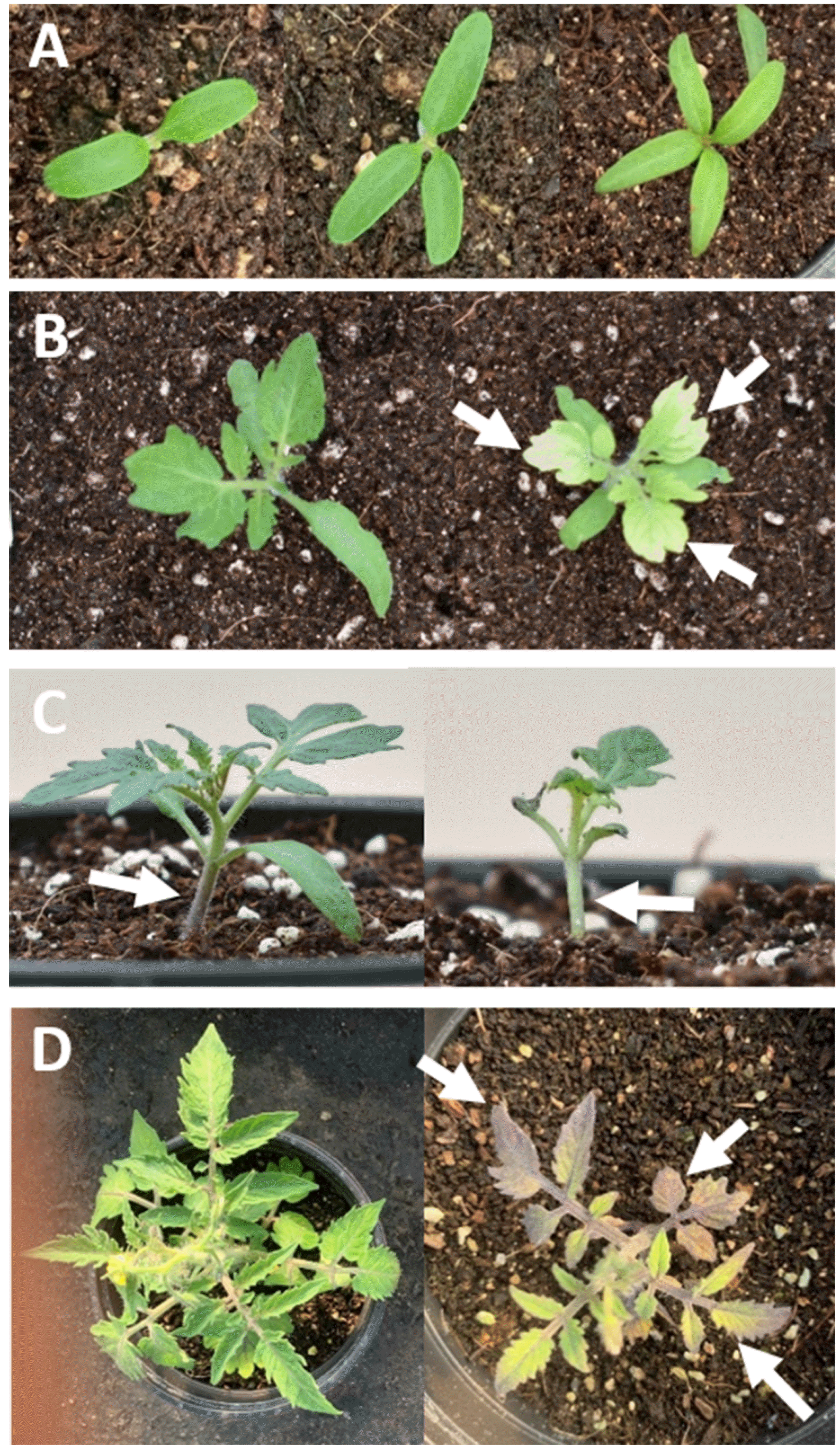
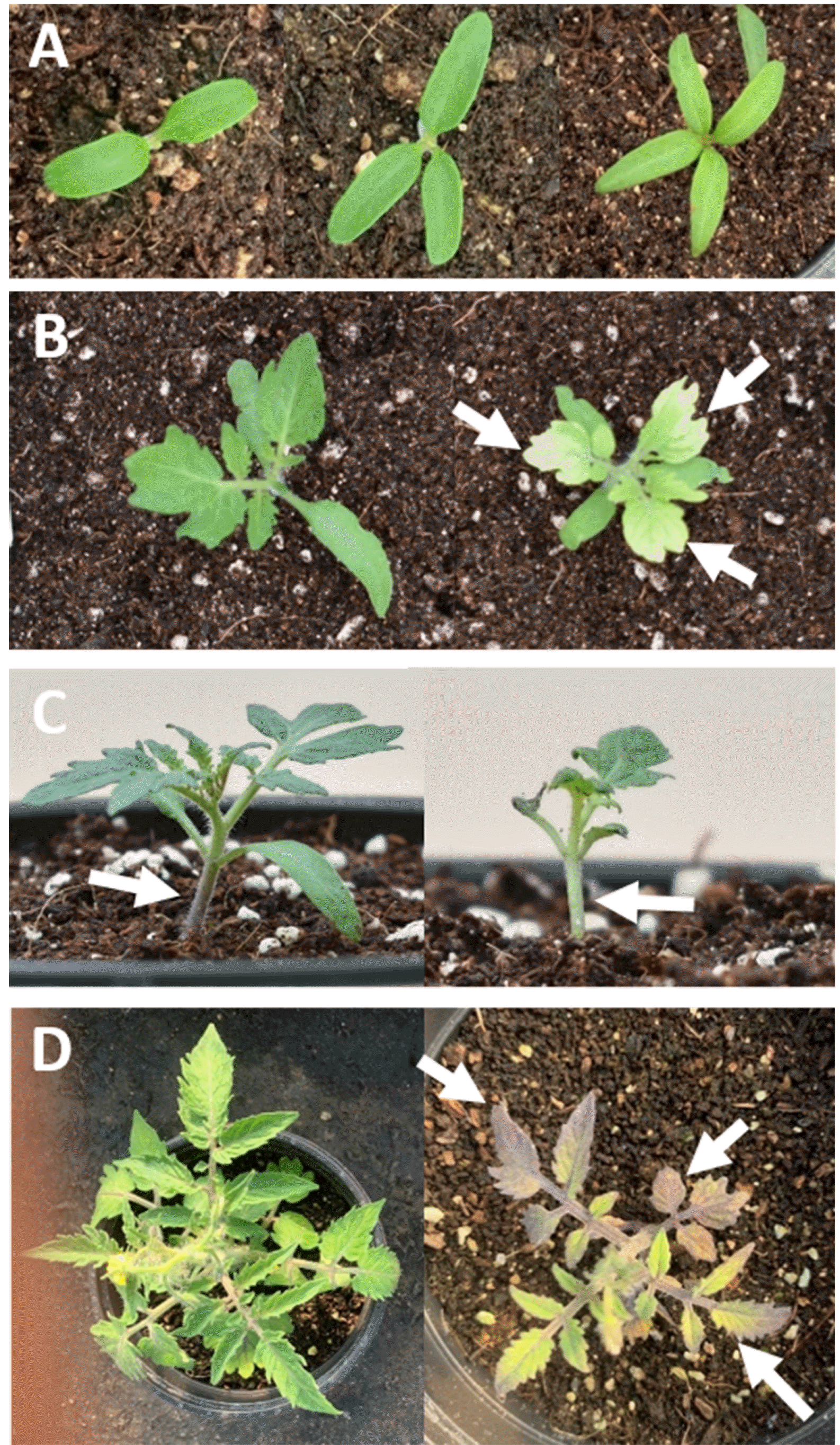
1 line that produced seeds (n, 115 × 4 = 460) to search for mutants. In all, we found five mutants in the entire population. Two mutant plants grown from seeds irradiated with 300 and 400 Gy had 3-4 cotyledons, instead of two as in the control plants (
Fig. 5A). One mutant plant grown from seed irradiated with 300 Gy had variegated instead of the uniformly green control leaves (
Fig. 5B), and two more mutants showed altered anthocyanin accumulation. Specifically, one of these mutants did not accumulate anthocyanin in the hypocotyl as the control plants, whereby the latter showed a red color (
Fig. 5C). The other mutant, which was grown from a plant irradiated with 400 Gy, had red leaves, indicating high anthocyanin accumulation (
Fig. 5D).
DISCUSSION
The expansion of germplasm variability is an essential requirement for research into gene function and the development of cultivars with desirable traits. In one strategy, artificial mutagenesis has been widely used in different plant species to create promising variants. In physical mutagenesis based on the use of gamma-ray radiation, determining the optimal intensity of irradiation is important for developing a mutant population with a variety of traits while minimizing deleterious effects. The lethal dose 50 (LD
50) has been extensively used in conventional plant mutagenesis research (
Saito et al. 2009;
Tadele 2016;
Lee et al. 2019). The ‘shoulder’ dose, marking a rapid decline in survival rate, has been shown to produce the highest number of mutant M
2 lines per unit M
1 seed sown (
Yamaguchi et al. 2009). In addition, 50%-75% of the ‘shoulder’ dose has been proposed for practical mutational breeding with appropriate M
1 plant fertility or ripening rate (
Hidema et al. 2003;
Jo and Kim 2019). Therefore, the purpose of mutagenesis and various physiological responses should be considered when determining the optimal radiation dose. Sensitivity to radiation can vary among plant species and trait types tested. For example, in
Arabidopsis, when different pollen developmental stages were irradiated with gamma rays, mature pollen irradiated with 400 Gy rendered 50% of seed abortion, whereas seed germination rate was not reduced from the control level (
Yang et al. 2004). In three different species of
Roegneria, the LD
50 for seed germination was 60-173 Gy (
Kim et al. 2019). Consistently, increasing gamma-ray doses reduced seed germination and survival in creeping bentgrass, and the corresponding LD
50 doses were 116 and 150 Gy, respectively (
Kim et al. 2019). These results suggest that gamma-ray LD
50 for seed germination differs among plant species.
Matsukura et al. (2007) reported that 300 Gy of gamma rays caused 30% of LD in the germination of Micro-Tom seeds, which were directly sown into the soil. In contrast, we found that the germination rate of Micro-Tom tomato seeds, which were sown onto MS with Gamborg’s B5 medium, was dose-independent within the 100-1000 Gy range of gamma-ray radiation. However, seedling growth and plant survival decreased significantly with increasing gamma-ray dose. These different results can be due to different germination media. Our results showed that the median dose and the dose reducing fertile plants by 50% laid between 300 and 400 Gy (
Fig. 3 and
4). Similar results were observed in rice cultivar MR219, in which case, the germination rate of gamma-ray-irradiated rice seeds did not correlate with the intensity of gamma irradiation (50-1000 Gy), but seedling height and root length were significantly reduced as the gamma-ray dose increased. Furthermore, the growth of seedlings cultured from seeds irradiated with 450 Gy was only half that of control seedlings (
Talebi et al. 2012). In the case of tomato and rice, an optimal gamma-ray dose cannot be determined from the radiation effects on the germination rate. However, other indicators, such as seedling growth, plant survival, and seed-setting rate, can be used to determine an optimal gamma-ray dose instead. Further, different plant tissues show varying LD
50 dose values. For example, in ginseng, various tissues such as somatic embryos, roots, and seeds were irradiated with gamma rays: LD
50 values ranged from 20 to 80 Gy for them (
Lee et al. 2019). Collectively, the results of these previous studies and the present study indicate that an optimal gamma-ray dose for plant mutagenesis depends on plant species and tissue type. According to the purpose of studies using a mutant population, a breeding population with low mutation rates but with an advantage in producing the next offspring or a mutant population for functional genomics with high mutation rates but with difficulty obtaining the next offspring will be created. Here we provided the data of seedling growth and fruits with seeds using the various gamma-ray doses. Our results can help to determine which gamma-ray dose is useful to generate a breeding mutant population or a genomics mutant population.
By screening a population of 115 M
1 lines (a total population of 460 M
2 plants), we found some mutants that were visually distinct from control plants. For example, two mutants were polycotyledonous (
Fig. 5A). A tri-cotyledonous mutant was previously reported in tomato. and the cotyledon phenotype was caused by altered auxin transport (
Al-Hammadi et al. 2003;
Madishetty et al. 2006). One mutant plant had leaves showing variegation (
Fig. 5B). A similar variegated leaf phenotype was found in the
ghost tomato mutants, in which case, a plastoquinol oxidase defect in the carotenoid biosynthesis pathway caused the variegated leaves (
Shahbazi et al. 2007). The mutated gene in the mutant we found seemingly might also be involved in carotenoid synthesis.
Additionally, we found two anthocyanin-related mutants. One mutant showed no anthocyanin accumulation, while the other showed an over-accumulation of anthocyanins (
Fig. 5C, D). Anthocyanins are synthesized through the phenylpropanoid pathways involving many biosynthetic enzymes, such as chalcone synthase, chalcone isomerase, and dihydroflavonol 4-reductase (
Tanaka and Ohmiya 2008;
Kang et al. 2014). Several transcription factors regulate anthocyanin synthesis (
Kang et al. 2018;
Jian et al. 2019). Therefore, our anthocyanin accumulation-lacking mutant may have a loss of function of biosynthetic genes or regulators involved in the anthocyanin biosynthesis pathway. Conversely, the anthocyanin over-accumulating mutant may result from an increased transcription level of biosynthetic or regulatory genes or enhanced stability and activity of proteins in the anthocyanin pathway. Future research will focus on the identification of mutated genes using map-based cloning or bulked-segregant analysis. Additionally, more mutant populations will be screened for valuable mutants. The mutant population developed in this study will help increase tomato genetic resources available for gene function studies and breeding for new varieties.
SUPPLEMENTARY MATERIALS
ACKNOWLEDGEMENTS
This work was supported by a grant from the Next-Generation BioGreen 21 Program (Plant Molecular Breeding Center No. PJ013268) of the Rural Development Administration, Republic of Korea, andgrants from the Nuclear R&D Program of the Ministry of Science and ICT (MSIT), and the research program of KAERI, Republic of Korea.
Notes
-
AUTHOR CONTRIBUTIONS
J-HK and J-BK designed all the experiments. J-IC, HK, and YDJ carried out the experiments. J-IC and HK analyzed the statistical data and verified the accuracy of the tests. J-IC and HK searched databases forliterature and prepared the first draft of the manuscript with support from YDJ and J-BK. J-HK prepared the final draft and is responsible for correspondence.
-
CONFLICT OF INTEREST
The authors declare that there is no conflict of interest.
Fig. 1Germination rate of seeds irradiated with increasing gamma-ray doses. Micro-Tom seeds were irradiated with gamma rays at 0 to 1000 Gy with 100 Gy intervals. One-hundred M1 seeds were germinated per treatment on an MS agar plate, and the germinated seeds were counted from five to eight days after germination. Any seeds with radicles were considered as germinated.
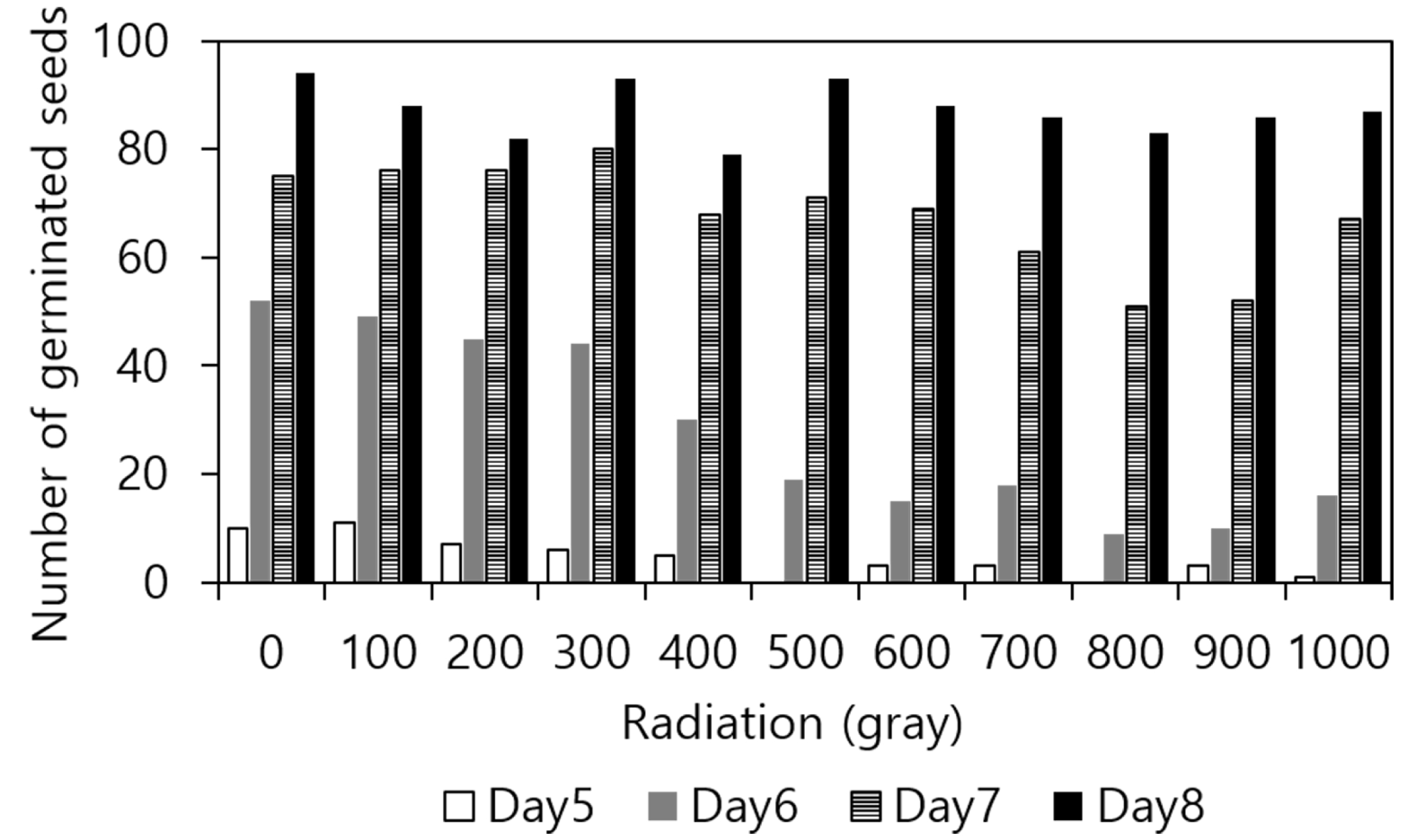
Fig. 2Germination test of seeds irradiated with various doses of gamma radiation. Each number represents an irradiation dose (Gy). The photograph was taken eight days after germination.
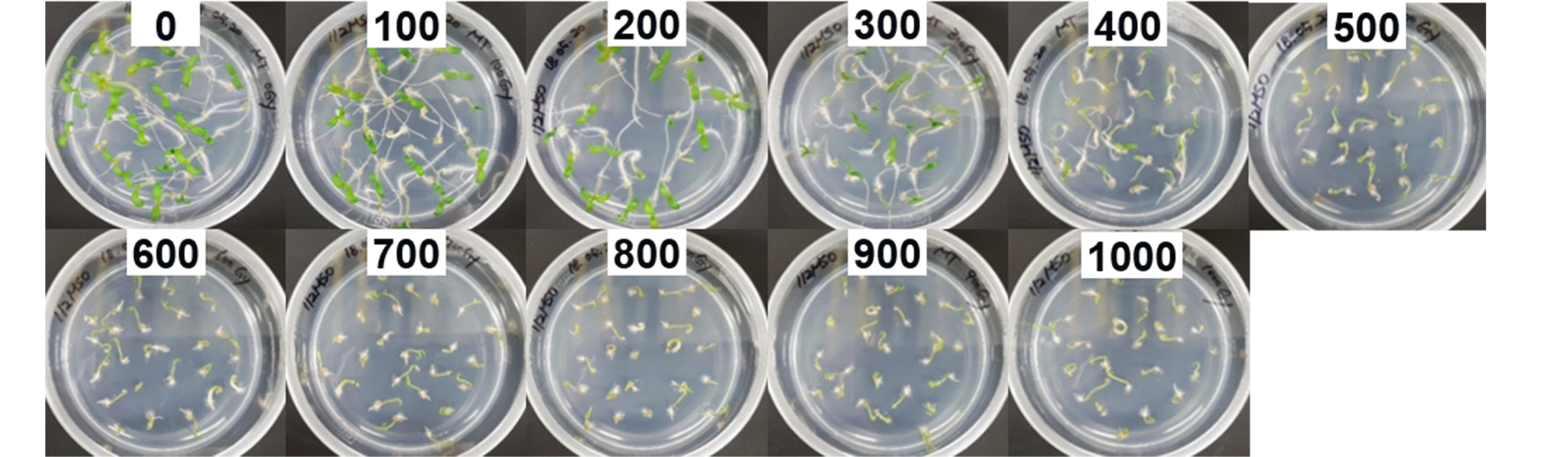
Fig. 3Effect of different gamma-ray intensities on the growth of hypocotyls and roots. (A) Representative image of 8-day-old seedlings germinated from seeds irradiated with gamma-ray doses ranging from 0 to 1000 Gy. Scale bar = 10 mm. (B) Hypo-cotyl and root length of 8-day-old seedlings germinated from seeds irradiated with gamma-ray doses ranging from 0 to 1000 Gy. Each data point represents the mean length (± SE) of one-hundred seedlings. Asterisks represent significant differences between control and gamma-irradiated seedlings (unpaired t-test: ***P < 0.001).
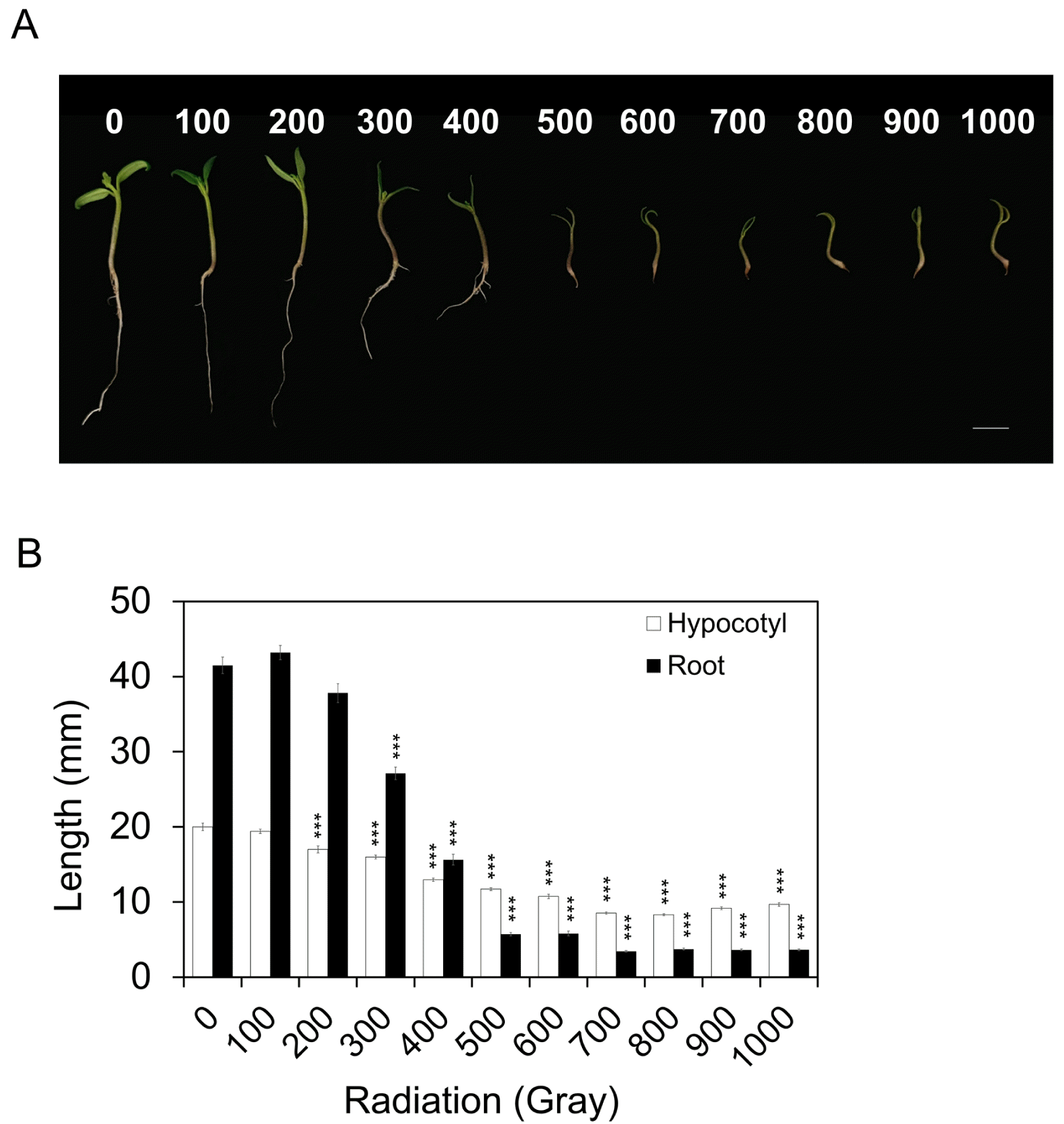
Fig. 4Survival rate of seedlings grown from seeds irradiated with 300, 400, or 500 Gy. Fifty seeds of each group were directly sown into pots 11 cm in diameter and grown in a greenhouse two times independently. Individuals that survived were counted six weeks after germination. Each data point represents the mean ± SE of the two replicates. Asterisks represent significant differences between control and gamma-irradiated seedlings (unpaired t-test: **P < 0.001; ***P < 0.001).
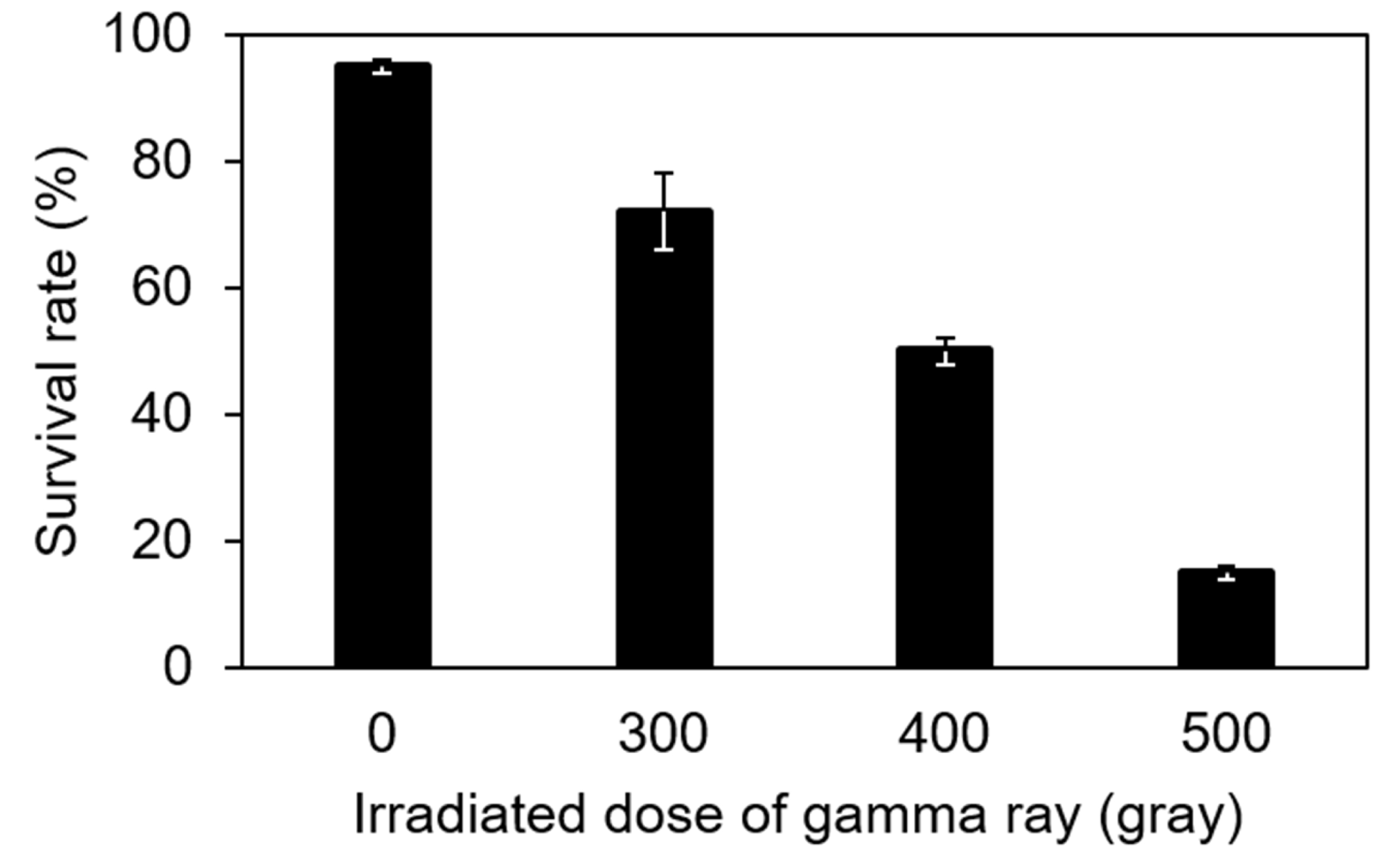
Fig. 5Various mutant phenotypes. (A) 3-4 cotyledons in the mutants. Left: control seedling, middle and right: mutants. (B) Variegated leaves in the mutant. Arrows show variegated leaves. Left: control plant, right: mutant. (C) Lack of anthocyanin accu-mulation in the mutant hypocotyl. Hypocotyls are indicated by arrows. Left: control plant, right: mu-tant. (D) High anthocyanin accumulation in mutant leaves. Arrows indicate leaves accumulating high anthocyanin levels. Left: control plant, right: mu-tant.
References
- Al-Hammadi ASA, Sreelakshmi Y, Negi S, Siddiqi I, Sharma R. 2003. The polycotyledon mutant of tomato shows enhanced polar auxin transport. Plant Physiol.. 133: 113-125.
- Ayan A, Celik O, Meric S, Topcuoglu B, Atak C. 2017. Two-dimensional protein profiles of drought tolerant tomato (Solanum lycopersicum) mutants improved by gamma radiation. J. Biotechnol.. 256: S106
- Bar M, Shtein I. 2019. Plant trichomes and the biomechanics of defense in various systems, with Solanaceae as a model. Botany. 97: 651-660.
- Foolad MR, Merk HL, Ashrafi H. 2008. Genetics, genomics and breeding of late blight and early blight resistance in tomato. Crit. Rev. Plant Sci.. 27: 75-107.
- Gerszberg A, Hnatuszko-Konka K, Kowalczyk T, Kononowicz AK. 2015. Tomato (Solanum lycopersicum L.) in the service of biotechnology. Plant Cell Tiss. Organ Cult.. 120: 881-902.
- Giuliano G. 2014. Plant carotenoids: genomics meets multi-gene engineering. Curr. Opin. Plant Biol.. 19: 111-117.
- Granier F, Lemaire A, Wang Y, LeBris P, Antelme S, Vogel J, et al. Vogel J., 2015. Chemical and radiation mutagenesis: induction and detection by whole genome sequencing. editor. Genetics and Genomics of Brachypodium. Springer. Switzerland: pp. 155-170.
- Hidema J, Yamamoto M, Kumagai T, Hase Y, Sakamoto A, Tanaka A. 2003. Biological effects of carbon ion on rice (Oryza sativa L.). JAERI-Rev.. 33: 85-87.
- Horn LN, Ghebrehiwot HM, Shimelis HA. 2016. Selection of novel cowpea genotypes derived through gamma irradiation. Front. Plant Sci.. 7: 262
- Jander G, Baerson SR, Hudak JA, Gonzalez KA, Gruys KJ, Last RL. 2003. Ethylmethanesulfonate saturation muta-genesis in Arabidopsis to determine frequency of herbi-cide resistance. Plant Physiol.. 131: 139-146.
- Jian W, Cao H, Yuan S, Liu Y, Lu J, Lu W, et al. 2019. SlMYB75, an MYB-type transcription factor, promotes anthocyanin accumulation and enhances volatile aroma production in tomato fruits. Hortic. Res.. 6: 1-5.
- Jo YD, Kim JB. 2019. Frequency and spectrum of radiation-induced mutations revealed by whole-genome sequencing analyses of plants. Quantum Beam Sci.. 3: 7
- Kang JH, McRoberts J, Shi F, Moreno JE, Jones AD, Howe GA. 2014. The flavonoid biosynthetic enzyme chalcone isomerase modulates terpenoid production in glandular trichomes of tomato. Plant Physiol.. 164: 1161-1174.
- Kang SI, Rahim MA, Afrin KS, Jung HJ, Kim HT, Park JI, et al. 2018. Expression of anthocyanin biosynthesis-related genes reflects the peel color in purple tomato. Hortic. Environ. Biotechnol.. 59: 435-445.
- Kennedy GG. 2003. Tomato, pests, parasitoids, and predators: tritrophic interactions involving the genus Lycopersicon. Annu. Rev. Entomol.. 48: 51-72.
- Kim SH, Kim YS, Lee HJ, Jo YD, Kim JB, Kang SY. 2019. Biological effects of three types of ionizing radiation on creeping bentgrass. Int. J. Radiat. Biol.. 95: 1295-1300.
- Lee GJ, Chung SJ, Park IS, Lee JS, Kim JB, Kim DS, et al. 2008. Variation in the phenotypic features and transcripts of color mutants of chrysanthemum (Dendranthema grandiflorum) derived from gamma ray mutagenesis. J. Plant Biol.. 51: 418-423.
- Lee IS, Kim DS, Lee SJ, Song HS, Lim YP, Lee YI. 2003. Selection and characterizations of radiation-induced salinity-tolerant lines in rice. Breed. Sci.. 53: 313-318.
- Lee JW, Jo IH, Kim JU, Hong CE, Bang KH, Park YD. 2019. Determination of mutagenic sensitivity to gamma rays in ginseng (Panax ginseng) dehiscent seeds, roots, and somatic embryos. Hortic. Environ. Biotechnol.. 60: 721-731.
- Li T, Yang X, Yu Y, Si X, Zhai X, Zhang H, et al. 2018. Domestication of wild tomato is accelerated by genome editing. Nat. Biotechnol.. 36: 1160-1163.
- Madishetty K, Bauer P, Sharada MS, Al-Hammadi ASA, Sharma R. 2006. Genetic characterization of the polycotyledon locus in tomato. Theor. Appl. Genet.. 113: 673-683.
- Matsukura C, Yamaguchi I, Inamura M, Ban Y, Kobayashi Y, Yin YG, et al. 2007. Generation of gamma irradiation-induced mutant lines of the miniature tomato (Solanum lycopersicum L.) cultivar 'Micro-Tom'. Plant Biotechnol.. 24: 39-44.
- Mayta ML, Arce RC, Zurbriggen MD, Valle EM, Hajirezaei MR, Zanor MI, et al. 2019. Expression of a chloroplast-targeted cyanobacterial flavodoxin in tomato plants increases harvest index by altering plant size and produc-tivity. Front. Plant Sci.. 10: 1432
- Pailles Y, Awlia M, Julkowska M, Passone L, Zemmouri K, Negrao S, et al. 2020. Diverse traits contribute to salinity tolerance of wild tomato seedlings from the Galapagos islands. Plant Physiol.. 182: 534-546.
- Pereira JA, Yu F, Zhang Y, Jones JB, Mou Z. 2018. The Arabidopsis elongator subunit ELP3 and ELP4 confer resistance to bacterial speck in tomato. Front. Plant Sci.. 9: 1066
- Perez-Fons L, Wells T, Corol DI, Ward JL, Gerrish C, Beale MH, et al. 2014. A genome-wide metabolomic resource for tomato fruit from Solanum pennellii. Sci. Rep.. 4: 1-8.
- Pulungan SI, Yano R, Okabe Y, Ichino T, Kojima M, Takebayashi Y, et al. 2018. SlLAX1 is required for normal leaf development mediated by balanced adaxial and abaxial pavement cell growth in tomato. Plant Cell Physiol.. 59: 1170-1186.
- Purwanto E, Yuwono SS, Yunindanova MB. Nandariyah2019. Induced mutation for genetic improvement in black rice using gamma-ray. J. Agric. Sci.. 41: 213-220.
- Ranjan A, Ichihashi Y, Sinha NR. 2012. The tomato genome: implications for plant breeding, genomics and evolution. Genome Biol.. 13: 1-8.
- Ryu HW, Cho BO, Ryu J, Jin CH, Kim JB, Kang SY, et al. 2017. Anthocyanin contents enhancement with gamma irradiated mutagenesis in blackberry (Rubus fructicosus). Nat. Prod. Commun.. 12: 1451-1454.
- Sagan M, Morandi D, Tarenghi E, Duc G. 1995. Selection of nodulation and mycorrhizal mutants in the model plant Medicago truncatula (Gaertn.) after γ-ray mutagenesis. Plant Sci.. 111: 63-71.
- Saito T, Asamizu E, Mizoguchi T, Fukuda N, Matsukura C, Ezura H. 2009. Mutant resources for the miniature tomato (Solanum lycopersicum L.) 'Micro-Tom'. J. Jpn. Soc. Hortic. Sci.. 78: 6-13.
- Shahbazi M, Gilbert M, Laboure AM, Kuntz M. 2007. Dual role of the plastid terminal oxidase in tomato. Plant Physiol.. 145: 691-702.
- Tadele Z. 2016. Mutagenesis and TILLING to dissect gene function in plants. Curr. Genomics. 17: 499-508.
- Talebi AB, Telebi AB, Jafarpour M. 2012. Identify the lethal dose of EMS and gamma radiation mutagenesis in rice MR219. 2012 2nd International Conference on Environment Science and Biotechnology. International Proceedings of Chemical, Biological and Environmental Engineering. 48: 22-26.
- Tanaka Y, Ohmiya A. 2008. Seeing is believing: engineering anthocyanin and carotenoid biosynthetic pathways. Curr. Opin. Biotechnol.. 19: 190-197.
- Till BJ, Cooper J, Tai TH, Colowit P, Greene EA, Henikoff S, et al. 2007. Discovery of chemically induced mutations in rice by TILLING. BMC Plant Biol.. 7: 19
- Watanabe S, Mizoguchi T, Aoki K, Kubo Y, Mori H, Imanishi S, et al. 2007. Ethylmethanesulfonate (EMS) mutagenesis of Solanum lycopersicum cv. Micro-Tom for large-scale mutant screens. Plant Biotechnol.. 24: 33-38.
- Wu L, Tian Z, Zhang J. 2018. Functional dissection of auxin response factors in regulating tomato leaf shape development. Front. Plant Sci.. 9: 957
- Yamaguchi H, Hase Y, Tanaka A, Shikazono N, Degi K, Shimizu A, et al. 2009. Mutagenic effects of ion beam irradiation on rice. Breed. Sci.. 59: 169-177.
- Yang C, Mulligan BJ, Wilson ZA. 2004. Molecular genetic analysis of pollen irradiation mutagenesis in Arabidopsis. New Phytol.. 164: 279-288.
- Zhang N, Roberts HM, Van Eck J, Martin GB. 2019. Gene-ration and molecular characterization of CRISPR/Cas9-induced mutations in63 immunity-associated genes in tomato reveals specificity and a range of gene modifications. Front. Plant Sci.. 11: 10