Abstract
Short duration oilseed Brassica varieties are important to increase cropping intensity as well as total oilseed production. In this research, genetic and multivariate analyses were conducted for 19 morphological characters of 48 rapeseed and mustard genotypes. Evaluation of oil content and fatty acid profiles were done for ten selected rapeseed and mustard genotypes. Significant genotypic variations were observed for all morphological characters except 1000 seeds weight. Days to 50% flowering, plant height, total number of siliqua per plant, number of seeds per siliqua, length of siliqua and days to maturity exhibited high broad sense heritability along with high genetic advance. Length of primary branches, number of primary branches, number of secondary branches, total number of siliqua per plant, number of siliqua per main axis and number of siliqua per primary branches had a significant and positive correlation with yield per plant. According to principal component analysis and cluster analysis, BARI Sarisha-9, BD-110455, BD-7113, BD-6954 and BD-6953 were the earliest genotypes and BD-10112, M-395 and M-119-5 were comparatively high yielding genotypes. The genotypes BD-6953, BD-6954, BD-10455, BD-10112 and BD-7113 had comparatively lower erucic acid and saturated fatty acid profiles that are regarded as better edible oil characteristics. The selected genotypes and associated traits could be utilized for developing short duration, high yielding and edible quality rapeseed-mustard varieties.
-
Key words: Rapeseed and mustard, Brassica, Heritability, Short duration, Oil content, Fatty acid content
INTRODUCTION
Rapeseed and mustard occupies the third position in the world among the edible oils in terms of total production after soybean and palm oil (Statista,
https://www.statista.com/statistics/263933/production-of-vegetable-oils-worldwide-since-2000/). Bangladesh imported over 2.9 million tons of oils and fats and spent about US $1.6 billion in recent years (Malaysia Palm Oil Council,
http://mpoc.org.bd/2019/01/oils-and-fats-market-scenarios-of-the-country/). To reduce the import of edible oils, it is essential to increase the yield of the existing varieties or bring out new high yielding varieties. In Bangladesh, Boro-T-aman rice is the most popular cropping pattern that covers more than 60% of the total cultivated crop area (
Zaman et al. 2007). Farmers in Bangladesh are reluctant to alter this cropping pattern because rice is their major cereal crop. However, there is about a 75-day gap between T-aman and Boro season crops wherein a short duration mustard can easily be fitted (
Karim et al. 2014). Some farmers in Bangladesh cultivate rapeseed and mustard within this time window without interrupting two major rice crops (
Hassan 2015;
Rahman et al. 2015).
Plant breeders in Bangladesh developed a few short duration rapeseed and mustard varieties with an average yield of around 1500 kg/ha (
Das and Malek 2004). Bangladesh Agricultural Research Institute (BARI) and Bangladesh Institute of Nuclear Agriculture (BINA) have developed 17 and 10 improved rapeseed and mustard varieties, respectively (
BARI 2018; DHCP,
https://bsmrau.edu.bd/cbt/digital-herbarium-of-crop-plants/crop-plants/). Nevertheless, a lion share of the total mustard growing areas in Bangladesh is occupied by a low yielding but short duration variety, Tori-7, because other varieties fail to at-tract farmers (
Miah et al. 2015). Moreover, farmers have both a deep inclination and requirement to cultivate early maturing rapeseed and mustard to catch the next Boro rice crop. Majority of the available short duration varieties are not only low yielding but also susceptible to different stress factors including
Alternaria blight, aphid and waterlogging (
Das et al. 2004). To cope with the biotic and abiotic stress factors, breeders are constantly looking for early maturing rapeseed and mustard cultivars along with resistance traits (
Das and Malek 2004). Therefore, the breeders in Bangladesh are interested in developing improved short duration and high yielding rapeseed and mustard varieties that would be locally adaptive. Generally, rapeseed and mustard oil contain 20-28% oleic acid, 10-12% linoleic, 9.0-9.5% linolenic acid, and 30-40% erucic acid (
Abul-Fadl 2011).
Brassica oil containing erucic acid between 35 and 44% is considered as undesirable for human consumption (
Getinet et al. 1997). The locally cultivated rapeseed and mustard varieties in Bangladesh usually contain 40-50% erucic acid which is hazardous for human consumption (
Rahman et al. 1990). Improved varieties should contain low levels of erucic acid.
Genetic diversity is essential to meet the diverse goals in plant breeding including developing any short duration and high yielding variety (
Nevo et al. 1982). Considering the fact above, the present research was undertaken to elucidate trait association and genetic variability in growth duration and yield contributing traits of 48 short duration genotypes of rapeseed and mustard. This study also looked into oil content and erucic acid content of the selected genotypes. Data generated in this study could be potentially utilized in developing short duration and high yielding varieties of rapeseed and mustard.
MATERIALS AND METHODS
Experiment for collecting morphological traits
Forty-eight rapeseed and mustard genotypes were selected in this study (
Supplementary Table S1). The selected genotypes were planted in two large field plots. Each of those large field plots consisted of 48 individual plots and each of the individual plot was of 2.0 × 1.0 m
2 in size (
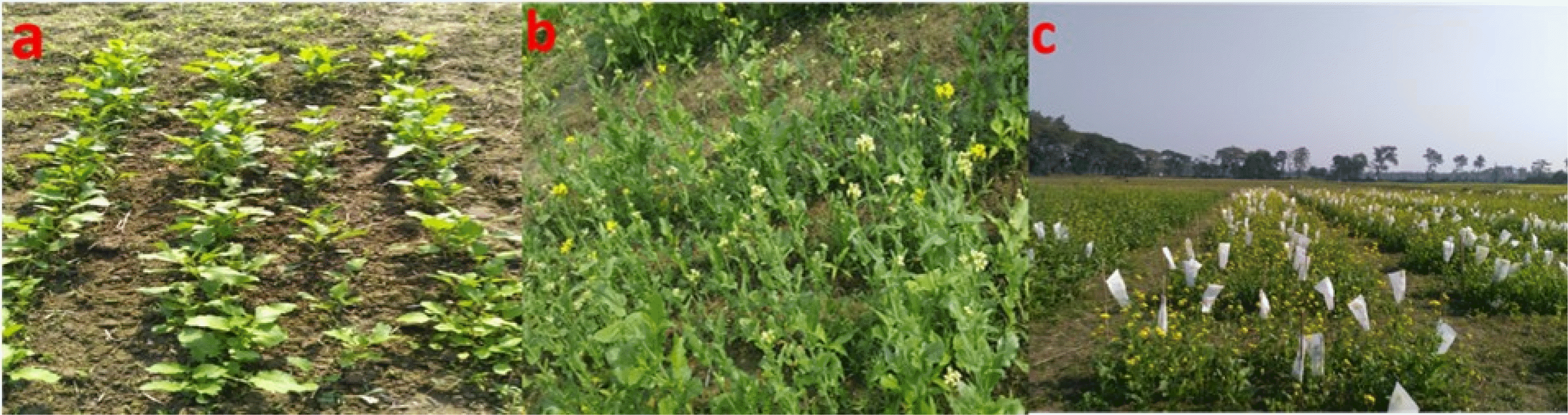
Fig. 1). Isolation distance between two adjacent plots was one meter. Seeds were sown in the individual plots in lines with 25 cm spacing between two lines. Thus, there were four lines per individual plots and each of the line was 2 m long (
Fig. 1A). Data were collected from three randomly selected plants. Data on 19 variables named days to first flowering, days to 50% flowering, days to first siliqua formation, plant height (cm), length of primary branches, length of secondary branches, number of primary branches per plant, number of secondary branches per plant, number of tertiary branches per plant, number of siliqua per plant, number of siliqua in the main axis, number of siliqua in primary branches, number of siliqua in secondary branches, number of siliqua in tertiary branches, number of seeds per siliqua, length of siliqua (cm), 1000 seeds weight (γ) and seeds yield per plant (γ) were collected. Among them days to first flowering, days to 50% flowering and days to maturity variables were recorded in the field condition (
Fig. 1B). We have also measured oil content and conducted fatty acid profiling of 10 selected early and high yielding genotypes of rapeseed and mustard among 48 genotypes (
Supplementary Table S2). Seeds were cleaned, sundried, stored in a plastic container in room temperature before fatty acid profiling (
Sharif et al. 2017).
Oil content was determined using the methods (Soxhlet) described by
Peña et al. (1992) with some modifications. For solvent extraction, mustard seeds were crushed in a grinding machine and then the seeds were dried in an oven at 60℃ for 30 minutes. 5 g of ground seeds were placed into a cellulose paper and oil was extracted using light petroleum ether (40-60℃) in a 2-1 Soxhlet extractor for 6 hours according to the AOCS method (AOCS, 1993). Subsequently, hexane was removed from the oil by a rotary evaporator under reduced pressure and the residual solvent was removed in a drying oven at 60℃ for 1 hours. The weights of the residual oils were calculated. All experiments were done in triplicate.
Fatty acid methyl esters (FAME) of the selected 10 varieties were measured according to the method described by
Goli et al. (2008). About 10-12 mustard seeds were crashed and were taken into a 15 mL screw capped pyrex glass tube having 15 cm length and 1 cm internal diameter. Then 5 mL of ethylate reagent (sodium hydroxide, ethanol and petroleum ether mixed) was added and the sample was vortexed in the tube for 1 minute. The glass vials were kept for 10-12 hours overnight and cooled. Then 5 mL of salt solution (sodium hydrogen sulphate and sodium chloride mixed) was added in each tube and was left for one min before shaking. After then the ether content was evaporated and the remaining oily surface was injected into the gas chromatography chamber for fatty acid profiling. The fatty acid profile of each genotype was collected three times.
The data were subjected to statistical analysis. Genotypic and phenotypic variances were estimated according to the formula given by
Johnson et al. (1955). Heritability in broad sense (h
2b) was estimated according to the formula suggested by
Johnson et al. (1955) and
Hanson et al. (1956). Genotypic and phenotypic coefficients of variations were determined by following
Kumar et al. (2013). Estimation of genetic advance was conducted following
Johnson et al. (1955). Genetic advance in percent of mean was calculated by using the formula of
Comstock and Robinson (1952). The analysis of variance of the different yield contributing parameters, Tukey's pairwise comparison, correlation coefficient and multivariate analysis
viz. principal component analysis (PCA) and cluster analysis were conducted by using the Minitab 17 statistical software package (Minitab Inc., State College, PA, USA).
RESULTS
Variation in morphology and growth duration
Significant genotypic variations were observed among the lines for all traits studied except 1000 seeds weight (
Table 1). Days to first flowering ranged from 26 to 32 (
Table 2). Genotypes BD-7114, M-7118, BD-110455 and BD-7113 required 26 days for first flowering whereas the M-395, M-39-1 and Binasharisha-6 required 32 days for flowering (
Table 2). Days to 50% flowering ranged from 28 to 38 (
Table 2). Genotype BD-6951 and BD-6954 required the lowest days to 50% flowering while M-42 required the highest days. Days required for siliqua formation ranged from 29 to 36 days (
Table 2). Genotype BD-6954 and BD-7113 took 29 days to first siliqua formation and M-119-5, M-397 and M-399 required 36 days. The mean days to maturity ranged from 79 to 95 (
Table 2). Genotype M-362, BARI Sarisha-9, BD-110455 and BD-7113 reached at the early physiological maturity stage at 79 days whereas the genotypes NAP-0724-2, BD-7118 and BD-10109 were at delayed by 15-20 days.
High broad sense heritability was estimated for phenological traits indicating an increase of dependent variables (e.g. yield per plant) along with independent variables. High heritability was possessed by the days to first flowering (55.5%), days to 50% flowering (75.1%), plant height (63.9%), total number of siliqua (60.5%), number of siliqua in primary branches (52.3%), number of siliqua in secondary branches (50.6%), number of seeds per siliqua (73.6%), length of siliqua (88.5%) and days to maturity (99.9%) while days to first siliqua formation (43.3%), length of primary branches (47.9%), length of secondary branches (41%), number of siliqua in tertiary branches (44.3%) and yield per plant (45.8%) showed moderate heritability (
Table 2). Days to maturity showed the similar phenotypic coefficient of variance (PCV) and genotypic coefficient of variance (GCV) values (5.3) while days of first flowering (3.9 and 5.2), days to 50% flowering (5.9 and 6.8), days to first siliqua formation (3.13 and 4.75), plant height (13.7 and 17.2), length of primary branches (16.8 and 24.3), total number of siliqua (48.15 and 61.90), number of seeds per siliqua (18.02 and 21.01) and length of siliqua (19.3 and 20.5) possessed almost similar values (
Table 2). On the contrary, length of secondary and tertiary branches; number of primary, secondary and tertiary branches; number of siliqua in main axis, primary branches, secondary branches and tertiary branches; yield per plant and days to maturity observed more than 15% differences between GCV and PCV value (
Table 2). Days to first flowering (5.96%), days to siliqua formation (4.2%) and 1000 seeds weight (6.5%) accounted for lower genetic advance of mean (GAM). While the days to 50% flowering (10.5%), number of siliqua in main axis (18.4%) and days to maturity 10.9%) recorded a comparatively moderate GAM (
Table 2). Other variables showed a high GAM and accounted for low to moderate heritability along with more than 15% difference between GCV and PCV (
Table 2).
The first three principal components (PC) explained about 60% of total variation of the dataset where PC1, PC2 and PC3 individually explained 36.6%, 15.1% and 7.7% data variation respectively, which are statistically significant for varieties (
Table 3). PC4 and PC5 individually explained 7% and 6% data variations, respectively and these two PCs did not explain any varietal variations. PC1 accounted positive coefficients for all the traits but plant height, length of primary branches, length of secondary branches, total number of siliqua, number of siliqua in primary and secondary branches and yield per plant had comparatively higher coefficients (
Table 3). On the other hand, PC2 showed genotypic variation for the positive coefficients of the days to first flowering, days to 50% flowering, days to first siliqua formation, plant height, length of primary branches, number of primary branches, number of siliqua in main axis and primary branches, number of seeds per siliqua, length of siliqua, weight of 1000 seeds, days to maturity and for the negative coefficients of the length of secondary branches, number of secondary and tertiary branches, total number of siliqua, number of siliqua in secondary and tertiary branches, yield per plant (
Table 3). PC3 accounted for large negative coefficient for the number of primary and secondary branches, number of siliqua in primary branches, number of seeds per siliqua, length of siliqua and for the positive coefficient of 1000 seed weight (
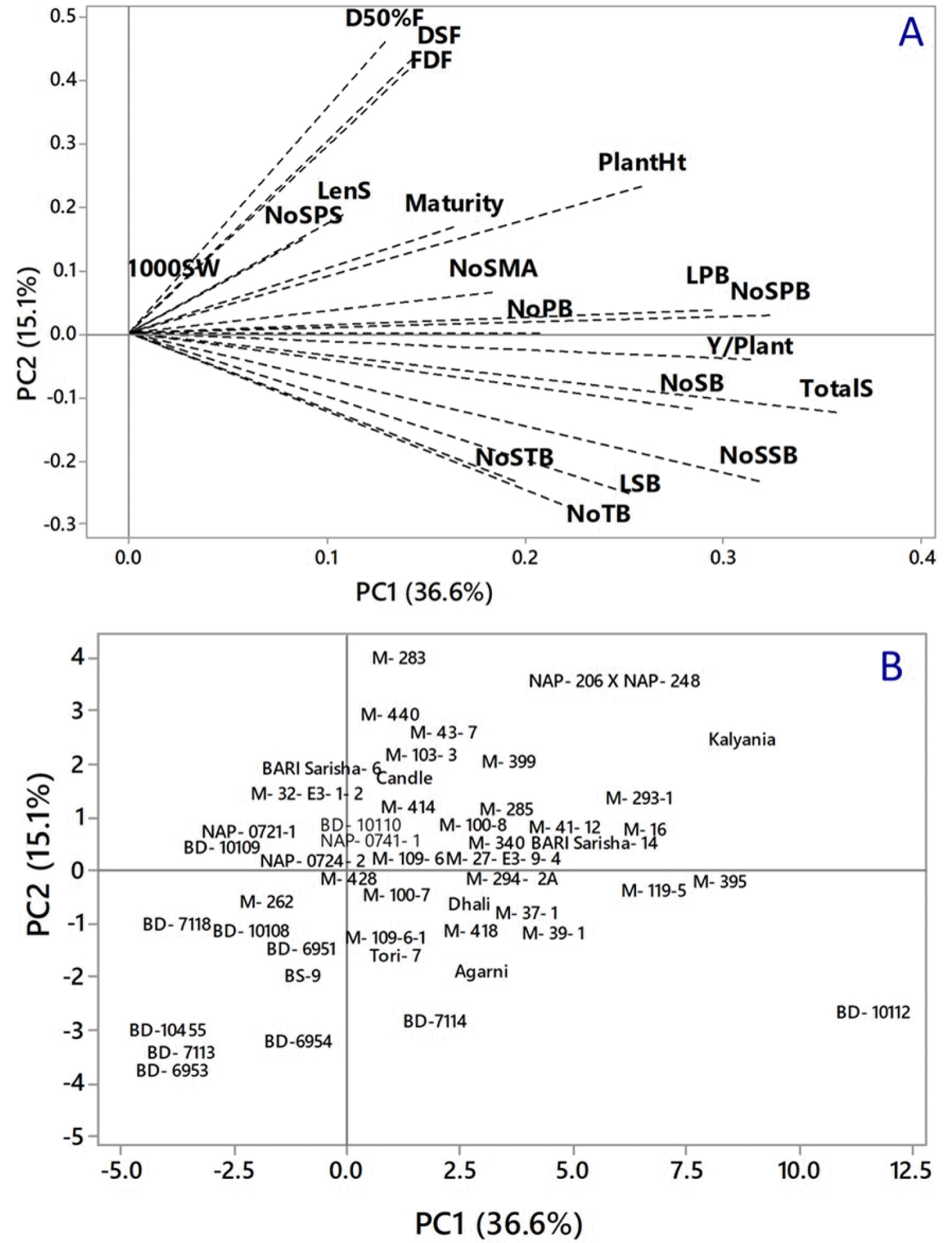
Table 3). Variables which gave positive and negative coefficient for the PC1 and PC2 are distributed in the loading plot (
Fig. 2). Loading plot exhibited that the PC1 that explained the largest amount of varietal variation showed separation due to greater coefficient of total of seeds, number of siliqua in primary and secondary branches, length of primary and secondary branches, number of secondary branches, plant height and yield per plant compared to lower coefficient of 1000s seed weight, length of siliqua and number of seeds per siliqua (
Fig. 2A). The PC scores of the genotypes separated them from each other due to variability in mor-phological traits along PC1 and PC2 (
Fig. 2B). PC2 se-parated short duration genotypes for their negative PC scores coupled with negative coefficients of days to first flowering, days to 50% flowering, days to first siliqua formation and days to maturity compared to long duration genotypes for their contrasting features (
Fig. 2B).
In this study, yield per plant exhibited significant and direct relationship with days to first flowering, days to 50% flowering, days to first siliqua formation, plant height, length of primary branches, length of secondary branches, number of primary branches, number of secondary branches, number of tertiary branches, total number of siliqua, number of siliqua in main axis, number of siliqua in primary, secondary and tertiary branches, length of siliqua and days to maturity but the relationship was non-significant with 1000 seed weight (
Supplementary Table S3).
In the research work, the mean performance of different clusters calculated for different traits revealed a wide range of differences among clusters concerning these traits (
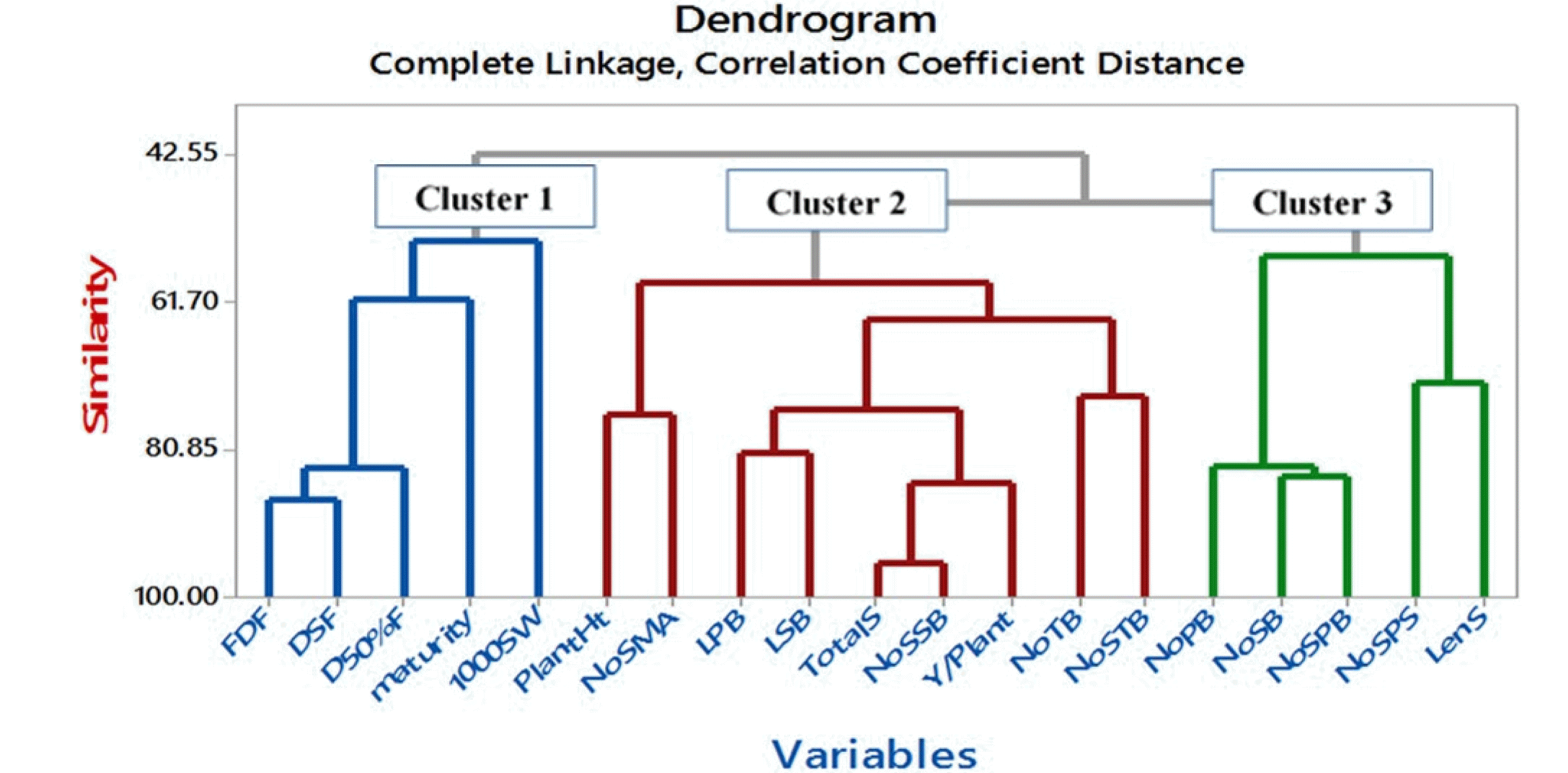
Supplementary Table S4). The cluster analysis for 19 studied traits in 48 genotypes distributed the traits into 3 clusters. Cluster III represented the hierarchal mean values whereas the cluster II represented the highest mean values for most of the variables (
Supplementary Table S4). Cluster I represented the traits which are responsible for the earliness of any genotypes, i.e. days to first flowering, days to 50% flowering, days to siliqua formation, 1000 seeds weight and days to maturity (
Fig. 3). Cluster II represented the genetic composition of traits such as plant height, length of primary and secondary branches, number of tertiary branches, total number of seeds, number of siliqua in main axis per plant, number of siliqua in secondary and tertiary branches and yield per plant (
Fig. 3).
Oil content ranged from 35.1 to 41.2% with an average of 37.7 where genotype M-119-5 significantly (
P ≤ 0.001) contained the highest amount of oil (41.1%), followed by BARI Sarisha-14 (40.1%). The genotype BD-10455 contained the lowest amount of oil content (
Table 4). This study revealed that saturated fatty acid (SFA), i.e. palmitic acid (C16:0) ranged between 2.24% to 5.94% (
Table 4). M-395, M-262, Tori-7 and BARI Sarisha-14 genotypes accounted for the lowest (2.24%) while BD-10455 measured the highest palmitic acid (5.94%) (
Table 4). Unsaturated fatty acids were also significantly differed among the 10 rapeseed and mustard genotypes, i.e. the MUFAs as well as the PUFAs comprising of oleic (C18:1), erucic (C22:1), linolenic (C18:3) and linoleic (C18:2) acids, respectively (
Table 4,
Fig. 4). Among the MUFAs, the amount of oleic acid in the 10 rapeseed and mustard genotypes contained from 13.5% up to 20.5% (
Table 4). Genotypes M-395, BD-6953, BD-6954 and BD-7113 occupied the high amount of oleic acid significantly (
P ≤ 0.001) (
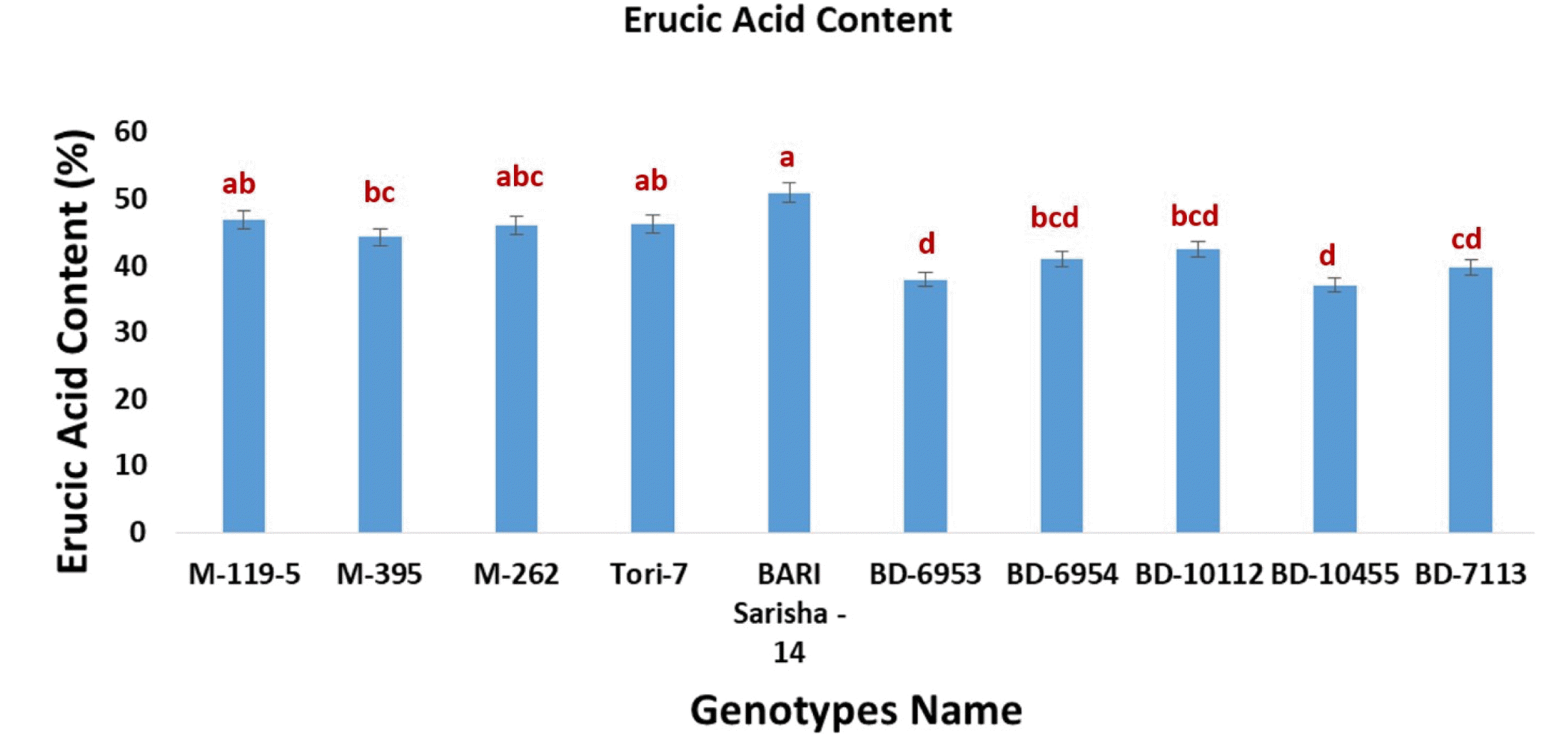
Table 4). Besides, another important MUFA is the erucic acid which is known to be anti-nutritional and undesirable for human consumption when present in higher amounts in edible oil, varied from 37.2 to 53.5% (
Fig. 4) among the 10 selected genotypes. BD-6953, BD-6954, BD-10112, BD-10455 and BD-7113 genotypes accounted for the lowest amount of erucic acid (
Fig. 4). The amount of linoleic and linolenic acids varied between 13.5 to 20.3% and 5.3 to 8.3 % in the studied genotypes, respectively (
Table 4). BD-6954 and BD-10455 genotypes estimated the highest linoleic content but the genotypes M-119-5, M-395, M-262, Tori-7 and BD-7113 estimated the lowest amount of linolenic acid (
Table 4). Another important omega-6 fatty acid named arachidic acid ranged from 6.42 to 10.15% in the presently studied genotypes (
Table 4). The genotypes M-395, M-262, BD-6964 and BD-7113 had significantly (
P ≤ 0.001) higher arachidic acid compared to other genotypes (
Table 4). Other minor fatty acids such as myristic acid, palmitoic acid, heptadecanoic acid, ecosadienoic acid, behenic acid, ligniceric acid and tricosanoic acid were also significantly differed (
P ≤ 0.001) among the 10 genotypes (
Table 4).
DISCUSSION
Yield is a complex trait being influenced by several interdependable quantitative characters. Thus selection for yield may not be effective unless the other yield components influencing it directly or indirectly are taken into consideration. Determination of correlation coefficients is an important statistical procedure to evaluate traits contributions to seed yield (
Khan et al. 2006;
Ivanovska et al. 2007;
Basalma 2008;
Sadat et al. 2010;
Belete 2011). Besides, multivariate analysis is a useful tool in quantifying the degree of divergence between the biological population at the genotypic level and in assessing the relative contribution of different components to the total divergence both at intra- and intercluster levels (
Jatasra and Paroda 1978).
Seed yield variable is complex along with the yield contributing characters those are considered as a collection of the defined gene pool. Genetic variability is measured for further improvement of desirable variety (
Kempthorne 1957). Other than heritability, genotypic coefficient of var-iability and phenotypic coefficient of variability are found to be significant in the genetic advancement of the selected traits (
Saini and Sharma 1995;
Lekh et al. 1998;
Ali et al. 2002). To select desirable genotypes for earliness as well as for high yield, high heritability coupled with high genetic gain are proved better than the heritability alone (
Johnson et al. 1955;
Khan et al. 2013). Phenotypic coefficient of variance (PCV) and genotypic coefficient of variance (GCV) having minor differences for certain traits indicate low environmental influence whereas large gap means high environmental impact among them (
Johnson and Hanson 2003). In this experiment, days to first flowering, days to 50% flowering, first day to siliqua formation and days to maturity exhibited high heritability, marginal difference between GCV and PCV and moderate genetic advance (GA) indicating that these characters related to earliness should be given more emphasis in germplasm selection for a short duration. The maturity related traits, seeds yield and other yield contributing characters, are preferred more in developing short duration and high yielding variety breeding programs (
Sikarwar et al. 2017).
In general, PCA is applied to find out the association and contrast between traits which are responsible for creating variation among the genotypes (
Belete 2011). In loading plot and biplot genotypes along with the associated traits having different locations perhaps accounted for variation in their genetic components (
Fig. 2). PC1 separated BD-10112 from other genotypes (
Fig. 2). From this, it can be commented on that this particular genotype bears a genetic constitution that favours higher yield and the higher yield is associated with total number of siliqua, number of secondary branches, number of siliqua in primary branches, number of siliqua in secondary branches per plant. PC2 differentiated short duration genotypes such as BD-10455, BD-7113, BD-6954 and BD-6953 from other genotypes as it mostly accounted for first day of flowering, days to 50% flowering, days to first siliqua formation and days to maturity which are considered as traits inducing earliness (
Fig. 2).
From correlation analysis, maturity related traits and yield contributing characters showed a significant positive correlation among them indicating that increasing days to maturity enhance yield. Plant height, number of primary branches, number of siliqua per plant and 1000 seeds weight were positively correlated with yield per pant which exhibited resemblance with previous studies—
Afrin et al. (2012) and
Dar et al. (2010). Results directly elucidate that the combined improvement of these variables is possible through a single breeding program.
Besides, cluster analysis can be used as a suitable method for classifying the high yielding genotypes and component traits (
Islam and Islam 2000). It is expected that traits that are under the same group will have similar behavior (
Fig. 3). For example, traits related to growth duration were clustered in cluster I and the yield contributing traits were clustered in cluster II (
Fig. 3).
The presence of genetic variation for fatty acid composition is found to be essential for improving the new cultivars with high oil quality (Murphy 1955;
Ohlrogge 1994). A large number of plants have been evaluated for their seed oil content and fatty acids from which some have been introduced as new oilseed species (
Velasco et al. 1998). Biological factors, environmental factors, soil and crop management practices might be the reasons for the variations in oil content. Seed oil content in
Brassica species denotes that it has potential and that can be exploited in future breeding programs (
Getinet et al. 1997). In the present study, a significant amount of variation was observed for oil content within the selected accessions, and it was noticed that the M-199-5 mustard genotype showed a substantial amount of oil content compared to others which means it can be utilized as a better source of oil. Nowadays, developing varieties with increased erucic acid level is suitable for commercial use but lower contents of erucic acid, higher levels of oleic acid, and lower content of linolenic acid are desirable for human consumption (
Sivaraman et al. 2004). In this present study, the genotypes BD-6953, BD-6954, BD-10455, BD-10112 and BD-7113 had low amount of erucic acid, higher oleic acid and linoleic acid compared to other genotypes, and so these genotypes can be utilized as germplasm for developing better quality mustard varieties. However, BARI Sarisha-14, Tori-7, M-263 and M-119-5 estimated comparatively higher erucic acid content, and these genotypes might be utilized as the mustard varieties for commercial use such as in industrial fuel production for transport.
CONCLUSION
A wide range of variation exhibited by the 48 rapeseed-mustard genotypes provides a large scope of selection for superior and desired genotypes. Considering both heritable and non-heritable components in the total variability—the following genotypes BD-6953, BD-6954, BD-10455, BD-10112 and BD-7113 have desirable criteria for exploiting them in future breeding programs for the development of nutritionally better as well as locally adaptable short duration cultivars.
SUPPLEMENTARY MATERIALS
ACKNOWLEDGEMENTS
The first author, MAUI, gratefully acknowledges his NST fellowship. The authors are grateful to the Bangladesh Agricultural Research Institute for giving access to gas chromatography facilities.
Notes
-
AUTHOR CONTRIBUTIONS
AHKR conceived the study. MAUI designed the experiments. MAUI and JAN conducted field experiments. MAUI analyzed the data and wrote the manuscript. AHKR critically revised the manuscript. All authors approved the final version of the manuscript.
-
FUNDING
This research was supported by the funding from Bangladesh Agricultural University Research Systems (Grant no. 2018/604/BAU).
-
CONFLICT OF INTEREST
No conflicts of interest exist.
Fig. 1Experimental layout and field view at different growth stages of plants. (a) An individual plot of 2 m × 1 m showing four lines of 2 m long with 25 cm spacing, (b) 50% flowering stage and (c) selfing in the selected plants.
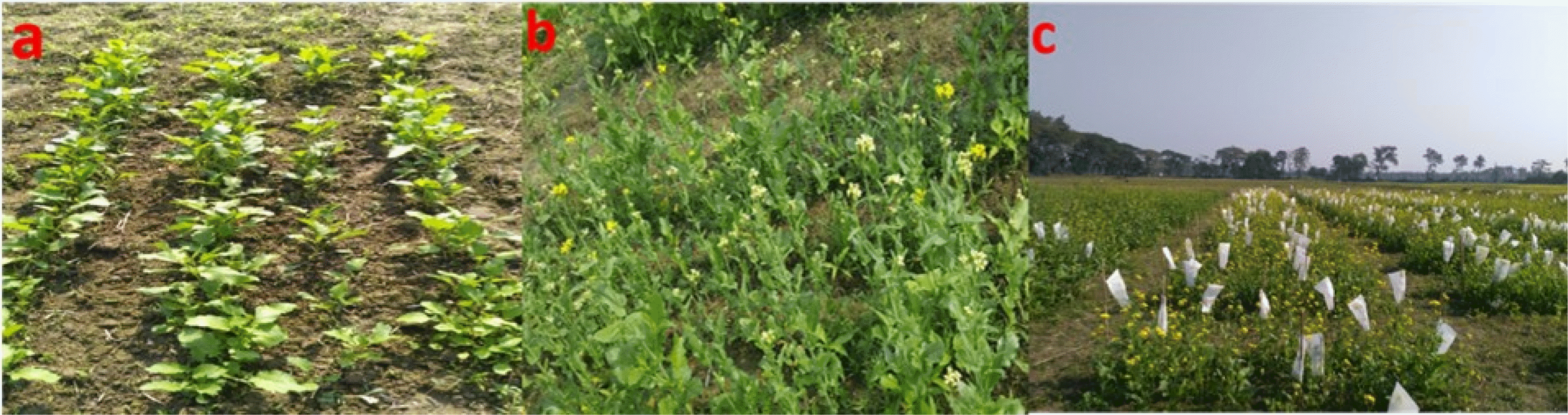
Fig. 2Loading plot (A) and Biplot (B) from principal component analysis showing the distribution of variables and 48 rapeseed and mustard genotypes.
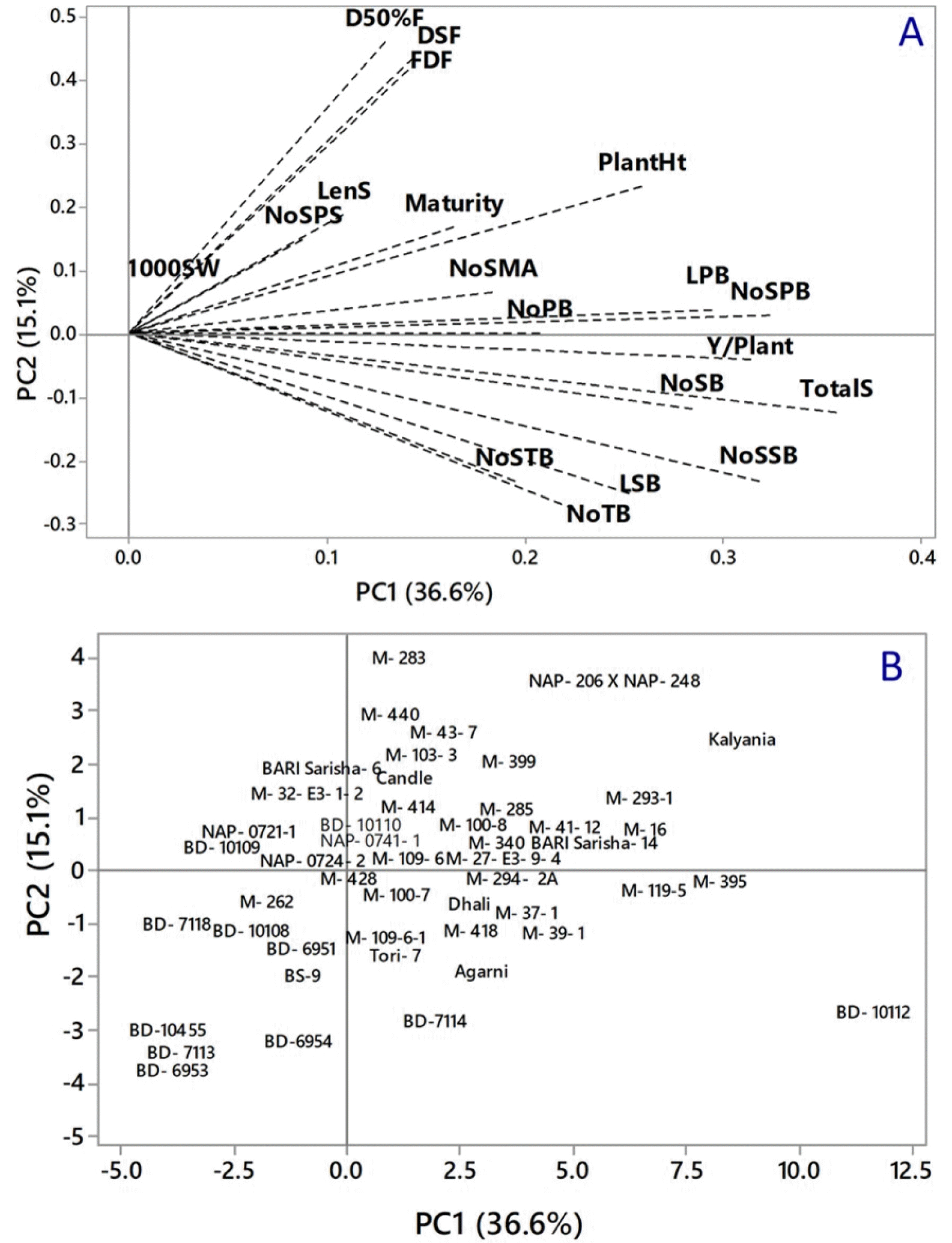
Fig. 3Dendogram from cluster analysis showing three clusters with 19 traits of 48 rapeseed and mustard genotypes.
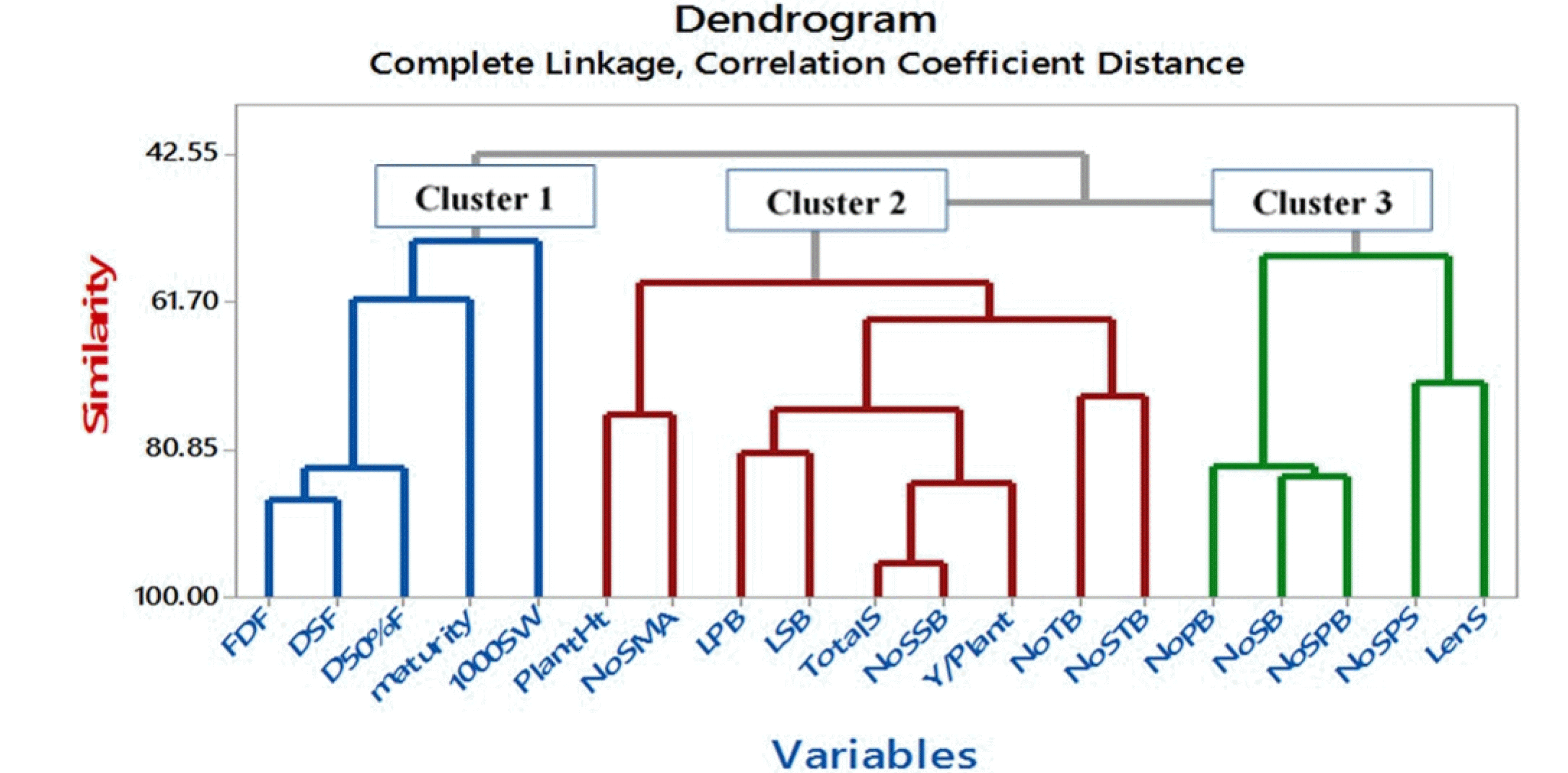
Fig. 4Bar diagram presents erucic acid content (%) in 10 selected genotypes.
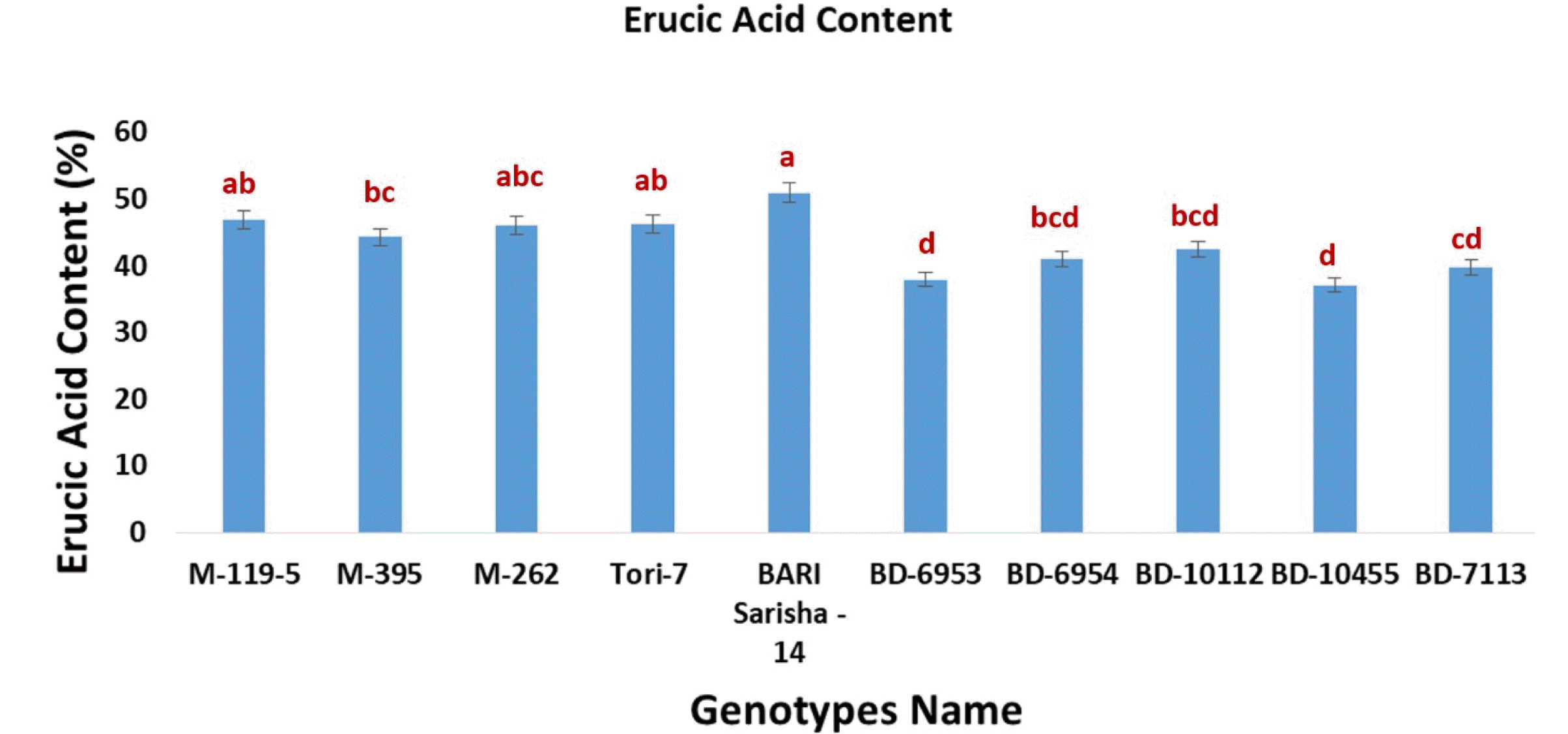
Table 1Analysis of variances for 19 yield and yield at-tributing characters of 48 rapeseed and mustard genotypes.
Table 1
|
Traits |
Genotypic
mean square |
Error
mean square |
F statistic |
P value |
|
FDF |
4.7 |
0.99 |
4.69 |
<0.0001 |
|
D50%F |
12.8 |
1.27 |
10.1 |
<0.0001 |
|
DSF |
4.3 |
1.31 |
3.17 |
<0.0001 |
|
PlantHt |
595.01 |
94.2 |
6.29 |
<0.0001 |
|
LPB |
578.1 |
153.9 |
3.72 |
<0.0001 |
|
LSB |
372.3 |
120.7 |
3.39 |
<0.0001 |
|
NoPB |
4.1 |
1.49 |
2.67 |
<0.0001 |
|
NoSB |
47.2 |
17.1 |
2.76 |
<0.0001 |
|
NoTB |
31.97 |
13.26 |
2.43 |
<0.0001 |
|
TotalS |
23046 |
4118 |
5.59 |
<0.0001 |
|
NoSMA |
193.5 |
102.5 |
1.89 |
0.004 |
|
NoSPB |
4314 |
1007 |
4.28 |
<0.0001 |
|
NoSSB |
6588 |
1613 |
4.2 |
<0.0001 |
|
NoSTB |
84.91 |
25.1 |
3.39 |
<0.0001 |
|
NoSPS |
35.7 |
3.81 |
9.38 |
<0.0001 |
|
LenS |
3.86 |
0.16 |
22.86 |
<0.0001 |
|
Y/Plant |
15.6 |
4.41 |
3.5 |
<0.0001 |
|
1000SW |
0.77 |
0.59 |
1.38 |
0.121 |
|
Maturity |
65.6 |
0.03 |
2361.2 |
<0.0001 |
Table 2Estimation of mean, variance components, coeffiients of variability and heritability of the 19 characters.
Table 2
|
Traits |
Genotypic variance |
Phenotypic variance |
Mean |
Minimum |
Maximum |
Heritability % |
Genotypic coefficient of variance (GCV) (%) |
Phenotypic coefficient of variance (PCV) (%) |
Genetic advance (GA) |
Genetic advance of mean (GAM) (%) |
|
FDF |
1.24 |
2.23 |
28.7 |
26 |
32 |
55.5 |
3.88 |
5.21 |
1.71 |
5.9 |
|
D50%F |
3.84 |
5.11 |
33.4 |
28 |
38 |
75.1 |
5.87 |
6.78 |
3.5 |
10.5 |
|
DSF |
1.0 |
2.31 |
32.0 |
29 |
36 |
43.3 |
3.13 |
4.75 |
1.36 |
4.24 |
|
PlantHt |
166.9 |
261.1 |
94.0 |
53.5 |
138 |
63.9 |
13.7 |
17.2 |
21.3 |
22.6 |
|
LPB |
141.4 |
295.3 |
70.6 |
36.4 |
142.3 |
47.9 |
16.8 |
24.3 |
16.9 |
24 |
|
LSB |
83.9 |
204.6 |
30.4 |
0 |
74 |
41 |
30.1 |
47 |
12.1 |
39.7 |
|
NoPB |
0.86 |
2.36 |
4.9 |
2 |
10 |
36.7 |
19 |
31.4 |
1.16 |
23.7 |
|
NoSB |
10.01 |
27.14 |
8.79 |
0 |
31 |
36.9 |
36 |
59.3 |
3.96 |
45 |
|
NoTB |
6.24 |
19.5 |
2.07 |
0 |
34 |
32 |
120.7 |
213.4 |
2.91 |
140.6 |
|
TotalS |
6309.3 |
10427.3 |
165 |
35 |
642 |
60.5 |
48.2 |
61.9 |
127.3 |
77.2 |
|
NoSMA |
30.3 |
132.8 |
29.5 |
0 |
55 |
22.8 |
18.7 |
39.1 |
5.42 |
18.4 |
|
NoSPB |
1102.3 |
2109.3 |
89.2 |
21 |
256 |
52.3 |
37.2 |
51.5 |
49.4 |
55.5 |
|
NoSSB |
1658.3 |
3271.3 |
44.7 |
0 |
322 |
50.7 |
91.1 |
128 |
59.7 |
133.7 |
|
NoSTB |
19.9 |
45 |
1.63 |
0 |
55 |
44.3 |
273.7 |
411.1 |
6.13 |
375.9 |
|
NoSPS |
10.6 |
14.4 |
18.1 |
9 |
28 |
73.6 |
18 |
21 |
5.76 |
31.9 |
|
LenS |
1.23 |
1.39 |
5.76 |
3 |
9.7 |
88.5 |
19.3 |
20.5 |
2.15 |
37.3 |
|
Y/Plant |
3.72 |
8.12 |
4.56 |
0.26 |
14.2 |
45.8 |
42.3 |
62.5 |
2.69 |
58.9 |
|
1000SW |
0.06 |
0.65 |
2.44 |
0.31 |
9.86 |
9.6 |
10.2 |
33 |
0.16 |
6.5 |
|
Maturity |
21.9 |
21.9 |
88.7 |
79 |
95 |
99.9 |
5.27 |
5.27 |
9.62 |
10.9 |
Table 3Coefficient of PCs of different traits of the 48 rapeseed and mustard genotypes.
Table 3
|
Variable |
PC1 |
PC2 |
PC3 |
|
FDF |
0.14 |
0.42 |
0.23 |
|
D50%F |
0.13 |
0.46 |
0.17 |
|
DSF |
0.14 |
0.44 |
0.17 |
|
PlantHt |
0.26 |
0.23 |
0.06 |
|
LPB |
0.29 |
0.04 |
0.08 |
|
LSB |
0.25 |
‒0.25 |
0.13 |
|
NoPB |
0.21 |
0.00 |
‒0.31 |
|
NoSB |
0.28 |
‒0.12 |
‒0.12 |
|
NoTB |
0.23 |
‒0.28 |
0.07 |
|
TotalS |
0.36 |
‒0.13 |
0.03 |
|
NoSMA |
0.18 |
0.07 |
0.09 |
|
NoSPB |
0.32 |
0.03 |
‒0.10 |
|
NoSSB |
0.32 |
‒0.23 |
0.10 |
|
NoSTB |
0.20 |
‒0.23 |
0.10 |
|
NoSPS |
0.09 |
0.15 |
‒0.56 |
|
LenS |
0.11 |
0.19 |
‒0.50 |
|
Y/Plant |
0.31 |
‒0.04 |
0.02 |
|
1000SW |
0.02 |
0.07 |
0.36 |
|
Maturity |
0.16 |
0.17 |
‒0.14 |
|
% variation |
36.6 |
15.1 |
7.7 |
|
P-value |
<0.001 |
<0.001 |
<0.001 |
Table 4Percentage of different oil content (%) and fatty acid content (%) in the 10 selected rapeseed and mustard genotypes.
Table 4
|
Genotype |
Oil content |
Palmetic |
Stearic |
Oleic |
Linoleic |
Linolenic |
Arachidic |
Myristic |
Palmitolic |
Hepa
decanoic |
Alpha
Linolenic |
Ecosa
diennoic |
Behenic |
Ligniceric |
Trico
sanoic |
|
M-119-5 |
41.1a |
2.89 d |
1.42 de |
16.9 bc |
14.4 cd |
7.15 α-d |
7.95 cd |
0.11 e |
0.14 e |
0.12 d |
0.77 ab |
0.32 c |
0.46 a |
0.52 d |
0.23 a |
|
M-395 |
40.1 b |
2.87 de |
1.39 de |
17.8 abc |
14.4 cd |
7.46 abc |
9.67 a |
0.07 f |
0.16 cde |
0.12 d |
0.81 a |
0.45 ab |
0.28 d |
0.57 d |
0.21 ab |
|
M-262 |
37.9 c |
2.36 e |
1.23 e |
16.8 bc |
14.2 d |
7.8 a |
9.2 ab |
0.04 f |
0.15 de |
0.12 d |
0.66 bc |
0.3 c |
0.16 f |
0.8 b |
0.2 b |
|
Tori-7 |
37.9 c |
2.59 de |
1.23 e |
15.5 cd |
15.5 bcd |
7.62 ab |
8.1 bc |
0.08 ef |
0.17 cde |
0.19 a |
0.79 a |
0.47 a |
0.37 bc |
0.69 c |
0.18 c |
|
BARI Sarisha -14 |
40.1 b |
2.77 de |
1.38 de |
14.2 d |
14.6 cd |
6.71 bcd |
6.76 d |
0.11 e |
0.11 f |
0.11 d |
0.73 abc |
0.31 c |
0.33 c |
0.99 a |
0.14 d |
|
BD-6953 |
35.3 d |
4.56 b |
2.35 a |
19.5 a |
17.3 ab |
6.32 de |
7.86 cd |
0.5 b |
0.19 c |
0.18 abc |
0.76 ab |
0.4 b |
0.28 d |
0.61 cd |
0 e |
|
BD-6954 |
35.9 d |
3.88 c |
1.79 bc |
18.3 ab |
16.6 bc |
5.62 e |
8.83 abc |
0.17 d |
0.23 b |
0.16 bc |
0.77 ab |
0.45 ab |
0.38 bc |
0.52 d |
0 e |
|
BD-10112 |
38.3 c |
3.9 c |
1.81 b |
16.3 cd |
16.7 bc |
7.87 a |
7.86 cd |
0.39 c |
0.16 de |
0.15 c |
0.62 c |
0.47 a |
0.25 de |
0.84 b |
0 e |
|
BD-10455 |
35.3 d |
5.66 a |
2.45 a |
18.7 ab |
19.4 a |
6.53 cde |
8.1 bc |
0.6 a |
0.43 a |
0.18 ab |
0.69 bc |
0.41 b |
0.23 e |
0.56 d |
0 e |
|
BD-7113 |
35.5 d |
3.61 c |
1.56 cd |
18.8 ab |
16.6 bc |
7.52 abc |
9.29 ab |
0.12 e |
0.17 cd |
0.17 abc |
0.71 abc |
0.47 a |
0.39 b |
0.68 c |
0 se |
References
- Abul-Fadl MM, El-Badry N, Ammar MS. 2011. Nutritional and chemical evaluation for two different varieties of mustard seeds. World Appl. Sci. J.. 15: 1225-1233.
- Afrin KS, Mahmud F, Bhuiyan M, Rashid S, Rahim M. 2012. Genetic divergence in advanced lines of oilseed rape (Brassica napus ssp. oleifera L.). Agric. Conspec. Sci.. 77: 81-85.
- Ali NA, Javidfar FA, Attary AA. 2002. Genetic variability, correlation and path analysis of yield and its components in winter rapeseed (Brassica napus L.). Pak. J. Bot.. 34: 145-150.
- Firestone D. American Oil Chemists' Society (AOCS).1993. Official methods and recommended practices of the American Oil Chemists' Society. AOCS Press. Champaign, IL, U.S.A: pp. 113-168.
- BARI, Krishi Projukti Hatboi (Handbook on Agro-Technology). 2018. Krishi Projukti Hatboi 2019 (8th Edition) with Bookmarks. Accessed on 20 February 2020
- Basalma D. 2008. The correlation and path analysis of yield and yield components of different winter rapeseed (Brassica napus ssp. oleifera L.) cultivars. Res. J. Agric. Biol. Sci.. 4: 120-125.
- Belete YS. 2011. Genetic variability, correlation and path analysis studies in Ethiopian mustard (Brassica carinata A. Brun) genotypes. Int. J. Plant Breed. Genet.. 5: 328-338.
- Comstock RE, Robinson HF. 1952. Genetic parameters, their estimation and significance. Proc. 6th Int. Grassland Cong. Vol. 1. PA. U.S.A. pp. 284-291..
- Dar ZA, Wani SA, Zaffar G, Habib M, Wani MA, Ashfaq A, et al. 2010. Variability studies in brown sarson (Brassica rapa L.). Res. J. Agric. Sci.. 1: 273-274.
- Das ML, Malek MA, Kashem MA, Begum M, Pathan AJ. 2004. Yield trials of Binasarisha-5 and Binasarisha-6, two new gamma ray induced salt tolerant mutant varieties of rapeseed. Bangladesh J. Agril. Sci.. 31: 77-82.
- Das ML, Malek MA. 2004. Genotype-environment interaction and stability of seed yield and yield components in rapeseed. Bangladesh J. Agric. Sci.. 31: 111-115.
- Getinet A, Rakow G, Raney JP, Downey RK. 1997. The inheritance of erucic acid content in Ethiopian mustard. Can. J. Plant Sci.. 77: 33-41.
- Goli SA, Sahri MM, Kadivar M. 2008. Enzymatic interesterification of structured lipids containing conjugated linoleic acid with palm stearin for possible margarine production. Eur. J. Lipid Sci. Technol.. 110: 1102-1108.
- Hanson CH, Robinson HF, Comstock RE. 1956. Biometrical studies of yield in segregating population of Korean lespedeza. J. Agron.. 48: 268-272.
- Sadat HA, Nematzadeh GA, Jelodar NB, Chapi OG. 2010. Genetic evaluation of yield and yield components at advanced generations in rapeseed (Brassica napus L.). Afr. J. Agric. Res.. 5: 1958-1964.
- Hassan L. 2015. Intensification of rice based cropping system incorporating short duration oilseed mustard varieties. J. Bangladesh Agril. Univ.. 13: 55-60.
- Islam MS, Islam MO. 2000. Genetic diversity in rapeseed and mustard (Brassica sp.). Bangladesh J. Pl. Breed. Genet.. 13: 25-30.
- Ivanovska S, Stojkovski C, Dimov Z, Marjanovic-Jeromela A, Jankulovska M, Jankuloski L. 2007. Interrelationship between yield and yield related traits of spring canola (Brassica napus L.) genotypes. Genetika. 39: 325-332.
- Jatasra DS, Paroda RS. 1978. Genetic divergence in wheat under different environmental conditions. Cereal Res. Commun.. 6: 307-317.
- Johnson BL, Hanson BK. 2003. Row spacing interaction on spring canola performance in the northern Great Plains. J. Agron.. 95: 703-708.
- Johnson HW, Robinson HF, Comstock RE. 1955. Estimation of genetic and environmental variability in soybeans. J. Agron.. 47: 314-318.
- Karim MM, Siddika A, Tonu NN, Hossain DM, Meah MB, Kawanabe T, et al. 2014. Production of high yield short duration Brassica napus by interspecific hybridization between Brassica oleracea and Brassica rapa. Breed. Sci.. 63: 495-502.
- Kempthorne O. 1957. The contributions of statistics to agronomy. Adv. Agron.. 9: 177-204.
- Khan FA, Ali S, Shakeel A, Saeed A, Abbas G. 2006. Correlation analysis of some quantitative characters in Brassica napus L. J. Agric. Res.. 44: 7-14.
- Khan MH, Bhuiyan SR, Rashid MH, Ghosh S, Paul SK. 2013. Variability and heritability analysis in short duration and high yielding Brassica rapa L. Bangladesh J. Agri. Res.. 38: 647-657.
- Kumar B, Singh CM, Jaiswal KK. 2013. Genetic variability, association and diversity studies in bread wheat (Triticum aestivum L.). The Bioscan. 8: 143-147.
- Lekh R, Hari S, Singh VP, Raj L, Singh H. 1998. Variability studies in rapeseed and mustard. Ann. Agril. Res.. 19: 87-88.
- Miah MM, Afroz S, Rashid MA, Shiblee SAM. 2015. Factors affecting the adoption of improved varieties of mustard cultivation in some selected sites of Bangladesh. Bangladesh J. Agric. Res.. 40: 363-379.
- Murphy DJ. 1995. The use of conventional and molecular genetics to produce new diversity in seed oil composition for the use of plant breeders-progress, problems, and future prospects. Euphytica. 85: 433-440.
- Nevo E, Golenberg E, Beiles A, Brown AH, Zohary D. 1982. Genetic diversity and environmental associations of wild wheat, Triticum dicoccoides, in Israel. Theor. Appl. Genet.. 62: 241-254.
- Ohlrogge JB. 1994. Design of new plant products: engineering of fatty acid metabolism. Plant Physiol.. 104: 821-826.
- de Peña DG, Anguiano GL, Arredondo JJM. 1992. Modification of the method 1 AOAC (CB-method) for the detection of aflatoxins. Bull. Environ. Contam. Toxicol.. 49: 485-489.
- Rahman A, Das ML, Howlider MAR. 1990. Alternaria disease reaction and fatty acid content in M3 mutants of mustard. Bangladesh J. Bot.. 19: 235-237.
- Rahman MM, Rahman MA, Ahmed M, Uddin MM, Choudhury AK. 2015. Improvement from mustard-Boro-T. Aman cropping pattern to mustard-Boro-Jute-T. Aman. Bangladesh J. Agr. Res.. 40: 259-270.
- Saini HP, Sharma P. 1995. Model plant architecture through association and path coefficient analysis in Indian colza. Ind. J. Agric. Res.. 29: 109-115.
- Sharif RH, Paul RK, Bhattacharjya DK, Ahmed KU. 2017. Physicochemical characters of oilseeds from selected mustard genotypes. J. Bangladesh. Agril. Univ.. 15: 27-40.
- Sikarwar RS, Satankar N, Kushwah MK, Singh AK. 2017. Genetic variability, heritability and genetic advance studies in yellow sarson (Brassica rapa Var. Yellow Sarson). Int. J. Agric. Innov. Res.. 5: 2319-1473.
- Sivaraman I, Arumugam N, Sodhi YS, Gupta V, Mukhopadhyay A, Pradhan AK, et al. 2004. Development of high oleic and low linoleic acid transgenics in a zero erucic acid Brassica juncea L. (Indian mustard) line by antisense suppression of the fad2 gene. Mol. Breed.. 13: 365-375.
- Velasco L, Goffman FD, Becker HC. 1998. Variability for the fatty acid composition of the seed oil in a germplasm collection of the genus Brassica. Genet. Resour. Crop Evol.. 45: 371-382.
- Zaman SM, Amin MR, Choudhury DA, Choudhury RU, Hossain MI. 2007. Yield response of Boro and T. Aman rice to NPKs fertilizers in high Ganges river floodplain soil. Int. J. Sustain. Crop Prod.. 2: 18-22.