Abstract
Interspecific hybrids of eggplants (Salanum species) are of prime concern to breeders, as they allow introgression of useful genes from wild species to cultivated ones. However, successful hybridization between species is usually very low. This hampers development of improved hybrids. In-vitro culture techniques may be used to overcome interspecific barriers. Seeds and excised embryos obtained from two crosses (Solanum (S.) melongena × S. torvum and S. melongena × S. anguivi) were inoculated on Murashige and Skoog (MS) basal medium supplemented with varying concentrations of 3-indoleacetic acid (IAA) and 6-benzylaminopurine (BAP). Addition of hormones in the culture medium significantly (P < 0.05) improved root and shoot emergence, seed germination and seedling survival. However, excised embryos cultured on the same medium did not develop. Hybrid seeds cultured on MS medium supplemented with different concentrations of IAA and BAP germinated within 6-14 days (SM001-07 × ST004-03) and 4-10 days (SM001-07 × San005-01). Optimal concentration of IAA and BAP for seed germination and seedling survival depended on hybrid type. Regenerated plantlets were successfully transferred to the field after initial acclimatization. High levels of heterosis observed for number of seeds/fruit and fruit breadth suggested an opportunity for developing F1 hybrids with desirable fruit characters for improved fruit yield.
-
Key words: Eggplants, Germination, In-vitro, Root emergence, Shoot emergence
INTRODUCTION
Eggplant (
Solanum melongena L.) is an important vege-table crop widely consumed in different parts of the world. This has been ascribed to the nutritional, medicinal and economic values of the fruits and leaves (
Yan et al. 2014). However, this vegetable crop often displays insufficient levels of resistance to soil pests and diseases, which cause significant yield losses (
Daunay 2008;
Oliveira et al. 2014;
Prodhan et al. 2018). Two wild relatives of eggplant,
Solanum (
S.)
torvum and
Solanum (
S.)
anguivi, are known to be resistant to several diseases. In
S. torvum, resistance to root-knot nematodes and other soil-borne diseases, such as those caused by
Ralstonia (
R.)
solanacearum,
V. dahlia Klebahn and
Fusarium (
F.)
oxysporum f. sp.
Melongenaehas has been reported (
Yamaguchi et al. 2010).
S. anguivi on the other hand, is known for its resistance to bacterial wilt caused by
R. solanacearum (
Schippers 2000). Besides, both species produce higher numbers of fruits per plant and contain appreciably higher levels of nutrients, mineral ele-ments and antioxidants than the cultivated
S. melongena (
Chah et al. 2000;
Loganayaki et al. 2010;
Afful et al. 2019). Therefore, interspecific hybrids of
S. melongena ×
S. torvum and
S. melongena ×
S. anguivi hold much pro-mise of yielding novel genetic combinations for the development of new eggplant varieties that are high yielding and disease resistant.
Although interspecific hybrids between cultivated and wild eggplant species have been reported, these hybrids were characterized by low fruit set, seedless fruits (par-thenocarpy) or fruits with very few seeds. Moreover, the seeds were either sterile or only partially fertile (
Rotino et al. 2014;
Kouassi et al. 2016;
Plazas et al. 2016). Thus, there is a need to supplement interspecific hybridization with biotechnological techniques (e.g., plant tissue culture) to enhance the success rate of such hybrids.
Plant tissue culture has been successfully employed to regenerate hybrids in a large number of genera to overcome post-zygotic incompatibilities that hamper the production of desirable hybrid seedlings. For instance, in tomato, re-sistance to tospovirus has been transferred from wild
Lycopersicon (
L.)
peruvianum to cultivated
Solanum (
S.)
lycopersicum through embryo rescue (
Kharkongar et al. 2013;
Sohrab et al. 2014), whereas in eggplant, inter-specific hybrids between
S. melongena and
S. torvum were obtained via ovule culture (Blestos
et al. 1998). Further, reports exist on the production of interspecific hybrids through immature embryo culture following hybridization between
S. melongena and
S. torvum,
S. melongena and
S. aethiopicum and
S. melongena and
S. insanum (
Ali and Fujieda 1990;
Ano et al. 1991;
Rotino et al. 2014;
Plazas et al. 2016). However, the level of success from these crosses ranged from very low (3.3%) to average (24%). This was attributed to various causes, such as different genetic backgrounds of the parents involved in the crosses, type of culture medium, explant type, hormone type and concen-tration of hormones used (
Chauhan et al. 2009;
Manzur et al. 2014).
In Ghana,
S. melongena exists as landrace varieties, which are consumed by both urban and rural families on a daily basis for their nutritious fruits. Commercial-scale production of this vegetable serves as an income-generating activity for smallholder farmers (
Danquah-Jones 2000). However, the cultivation of the vegetable crop is plagued by many disease-causing organisms (bacteria, viruses, fungi) as well as a host of insect pests that cause damage at all stages of growth. Their combined effect is a drastic reduc-tion in fruit yield and fruit quality (
Owusu 2012).
In several countries, the development of resistant vari-eties to most of these pathogens and pests through breeding (introgression) has reached an advanced stage. In Ghana, no resistant hybrid variety, of the above-mentioned patho-gens and pests, has been released for commercial cultiva-tion (
Yeboah 2014). The aim of this study was to develop an
in-vitro regeneration protocol for eggplant hybrids via seed and embryo, to evaluate the influence of different concen-trations of plant growth regulators on germination and survival, and to compare fruit production of the hybrids against those of the parents.
MATERIALS AND METHODS
Plant material and seed collection
The eggplant hybrids (F
1) used in this study were derived from two crosses, SM001-07 × ST004-03 and SM001-07 × San005-01. One accession of
S. melongena,
viz., SM001-07, and two indigenous wild accessions, ST004-03 (
S. torvum) and San005-01 (
S. anguivi), were used as female and male parents, respectively. These accessions were selfed three times during three cropping seasons, prior to hybridization. The crossing was carried out at the research field of the Faculty of Agriculture, Kwame Nkrumah University of Science and Technology. For hybridization studies, young and healthy flower buds were emasculated early in the mor-ning (06.00 to 09.00 hours) a day prior to anthesis (flower opening) to prevent accidental self-pollination. The stigma(s) of emasculated flowers were immediately dusted with pol-len collected from the wild accessions and covered with paper bags to prevent pollination from any unknown source(s). Each flower was labeled showing the details of the cross. Hybrid fruits were harvested 40 days after pollination (ripe fruits). Seeds extracted from these hybrid fruits were cul-tured
in-vitro to overcome hybrid inviability and enhance production of F
1 seedlings, as previous attempts using soil culture failed (
Afful et al. 2018).
Prior to sterilization, fruits were washed thoroughly under running tap water for 30 minutes to remove dust and fine sand, which had settled on the fruit surface. After that, they were sterilized with 70% ethanol for 10 minutes. This was followed by washing with three changes of sterile distilled water. Fruits were then cut open with a knife and seeds were extracted. The hybrid seeds were also sterilized by immersing them in 70% ethanol for 5 minutes, followed by washing in three changes of sterile distilled water. For embryo culture, sterilized seeds were cut off at the micro-pyle end (helium) and then gentle pressure was ap-plied at the opposite end of the seed to push out the embryo through the opening under a light microscope using forceps and a scalpel. All sterilization and isolation of explants were carried out under laminar flow cabinet conditions.
Culture medium
Excised embryos and seeds were immediately cultured in baby jars (14.5 × 2.7 cm) and test tubes (6.5 × 5.7 cm) respectively, both containing the same Murashige and Skoog (1962) basal salt (MS) (Sigma Chemical Company, St Louis, USA), supplemented with different concen-trations of IAA (0, 0.2, 0.5 and 1 mg/L), BAP (0, 0.5, 1, 2, 4 mg/L) and GA3 (0.1 mg/L). The pH of the medium was adjusted to 5.8 prior to addition of phytagel and autoclaved at 121℃ for 15 minutes at a pressure of 15 psi.
Culture incubation
All cultures were covered and sealed with parafilm, and incubated in the growth room with a photoperiod of 16 hours light and 8 hours darkness, temperature of 28℃ and light intensity of 3000 Lux, provided by white fluorescent tubes.
Hardening and acclimatization
Well-developed plantlets of both hybrid seeds (SM001-07 × ST004-03 and SM001-07 × San005-03) developing in-vitro were removed from the culture vessels and phy-tagel washed off in buckets of tap water, after which the plantlets were transferred into pots containing black soil, chicken manure and sawdust mixture in the ratio of 1:1:1 (v/v/v). Thereafter, they were watered with NPK (15:15:15) fertilizer solution and then covered with transparent plastic cups to serve as a humidity chamber. The cups were re-moved after seven days and the plants were watered two to three times a week, depending on the soil moisture and finally transferred to the field for further growth.
Data collection and analysis
The cultures were observed daily and data were taken on the number of days to root and shoot emergence, number of germinations after 2 weeks and seedling survival after 6 weeks of culture. The experiments were set up in a completely randomized design (CRD). Each experimental treatment was replicated four times, with five explants per replicate. Data collected were subjected to analysis of variance (ANOVA) (GenStat Statistical Software, 11th edition) and means were separated by the Tukey’s pairwise comparison (P < 0.05). Heterosis, expressed as percent increase or decrease in hybrid (F1) performance over mid-parent (MP) value or better-parent (BP) value, was calcul-ated using the following formula.
Where, F1_ = Mean of F1 generation, MP_ = Mean of mid-parent
Where, P1_ = Mean of parent one, and P2_ = Mean of parent two
Where, F1_ = Mean of F1 generation; and BP_ = Mean performance of better parent.
RESULTS
Effect of BAP and IAA concentrations on germination and survival of hybrid seeds
The analysis of variance showed that the two hybrids were significantly different (
P < 0.05) for all the germina-tion parameters measured (
Table 1). Coefficient of vari-ation (CV) values for germination characters ranged from 5.2 to 14.31% (SM001-07 × ST004-03) and 7.1 to 14.7% (SM001-07 × San005-01) (
Table 1).
Seeds extracted from hybrid fruits of the crosses SM001-07 × ST004-03 and SM001-07 × San005-01, cultured on MS medium supplemented with different concentrations of IAA and BAP germinated within 6 to 14 days for SM001-07 × ST004-03 and within 4 to 10 days for SM001-07 × San005-01 (
Tables 2,
3). In general, the presence of hor-mones in the culture medium significantly (
P < 0.05) im-proved root and shoot emergence, seed germination and seedling survival (
Tables 2,
3). In both crosses, shoot emer-gence was preceded by root emergence. However, zygotic embryos cultured on the same culture medium did not develop.
The mean number of days for root and shoot emergence for SM001-07 × ST004-03 hybrid seeds varied across the hormone concentrations. Generally, increasing concentration of BAP at a concentration of IAA in the culture medium, significantly (
P < 0.05) decreased the mean number of days for root and shoot emergence, except at 1 mg/L IAA, where an increase in BAP concentration significantly (
P < 0.05) increased the mean number of days for root and shoot emergence (
Table 2). The highest number of days for root (14 days) and shoot (18 days) emergence was obtained in the medium supplemented with 0.5 mg/L BAP + 0.2 mg/L IAA and 0.5 mg/L IAA and 0.5 mg/L BAP, respectively. This was significantly different (
P < 0.05) from all other concentrations, except 1 mg/L BAP + 0.2 mg/L IAA. The lowest number of days to root (6 days) and shoot (9 days) emergence was observed at a concentration of 2 mg/L BAP + 0.5 mg/L IAA (
Table 2).
In the case of cross SM001-07 × San005-01, IAA at a concentration of 0.2 mg/L showed a significantly higher range of mean number of days to root (8 to 10 days) and shoot (9 to 10 days) emergence, compared with concentra-tions 0.5 mg/L (4 to 7 and; 5 to 9 days) and 1 mg/L IAA (6 to 8 and 7 to 9 days). However, at concentrations of 2 mg/L BAP + 0.5 mg/L IAA, 4 mg/L BAP + 0.5 mg/L IAA and 4 mg/L BAP + 1 mg/L IAA, the difference was not signifi-cant (
P > 0.05) (
Table 3).
Further, in the medium supplemented with 0.2 mg/L IAA, the number of days for root and shoot emergence decreased, irrespective of the concentration of BAP, except at the concentration of 4 mg/L BAP + 0.2 mg/L IAA (
Table 3). Conversely, at the concentration of 0.5 or 1 mg/L IAA, the number of days for root and shoot emergence increased as the concentration of BAP increased in the culture medium. The lowest mean number of days to root (5 days) and shoot (6 days) emergence was recorded in the medium supplemented with 0.5 mg/L IAA + 0.5 mg/L BAP and was significantly different (
P < 0.05) from values obtained for all other concentrations, except 1 mg/L BAP + 0.5 mg/L IAA. The highest number of days (10 days) was observed in the medium containing 4 mg/L BAP + 0.2 mg/L IAA, 0.2 mg/L IAA + 0.5 mg/L BAP, 2 mg/L IAA + 1 mg/L BAP and 0.2 mg/L IAA + 4 mg/L BAP (
Table 3).
The response of hybrid seeds (SM001-07 × ST004-03) regarding germination and seedling survival were signifi-cantly different (
P < 0.05) across hormone concentrations. Seed germination ranged between 2 and 17, whereas seed-ling survival ranged from 2 to 15. The highest germination and seedling survival (15 and 17, respectively) were re-corded in the medium supplemented with 2 mg/L BAP + 0.5 mg/L IAA and were significantly different (
P < 0.05) from values obtained for the other concentrations (
Table 2). The lowest seed germination (2) was observed in the medium supplemented with 2 mg/L BAP + 1 mg/L IAA (2) and the lowest seedling survival (2) was observed in medium supplemented with 2 mg/L BAP + 0.2 mg/L IAA. Comparatively, IAA at the concentration of 0.5 mg/L showed the highest germination and seedling survival, followed by 1 mg/L IAA and 0.2 mg/L IAA, respectively (
Table 2).
Similar observation was recorded for hybrid seeds of the cross SM001-07 × San005-01. Seed germination and seed-ling survival after two and six weeks, respectively, were significantly different (
P < 0.05) across the various hor-mone concentrations used. Generally, at concentrations of 0.5 or 1 mg/L IAA, mean number of seeds that germinated and survived significantly decreased (
P < 0.05) with increasing concentration of BAP. However, at the concen-tration of 0.2 mg/L IAA, mean seed germination and seed-ling survival increased, as the concentration of BAP in-creased in the culture medium (
Table 3). The highest mean seed germination and seedling survival (10 and 8, re-spectively) was obtained at 0.5 mg/L BAP + 0.5 mg/L IAA, and was significantly different (
P < 0.05) from values obtained for all other concentrations tested. The lowest was observed in the medium supplemented with 2 mg/L BAP + 1 mg/L IAA and 0.5 mg/L BAP + 0.2 mg/L IAA for seed germination (2) and seedling survival (2), respectively (
Table 3).
Comparing hybrid seeds from the two crosses, it was observed that seeds from cross SM001-07 × ST004-03 showed higher mean germination and seedling survival than those of cross SM001-07 × San005-01 (
Tables 2,
3). Furthermore, the mean number of seeds that germinated and seedling survival in both hybrid seeds decreased after the optimum hormone concentration, except when IAA concentration in the culture medium was 0.2 mg/L (
Tables 2,
3). Generally, higher concentrations of hormones pro-duced seedlings with profuse callus at the base of the root that affected further root development (
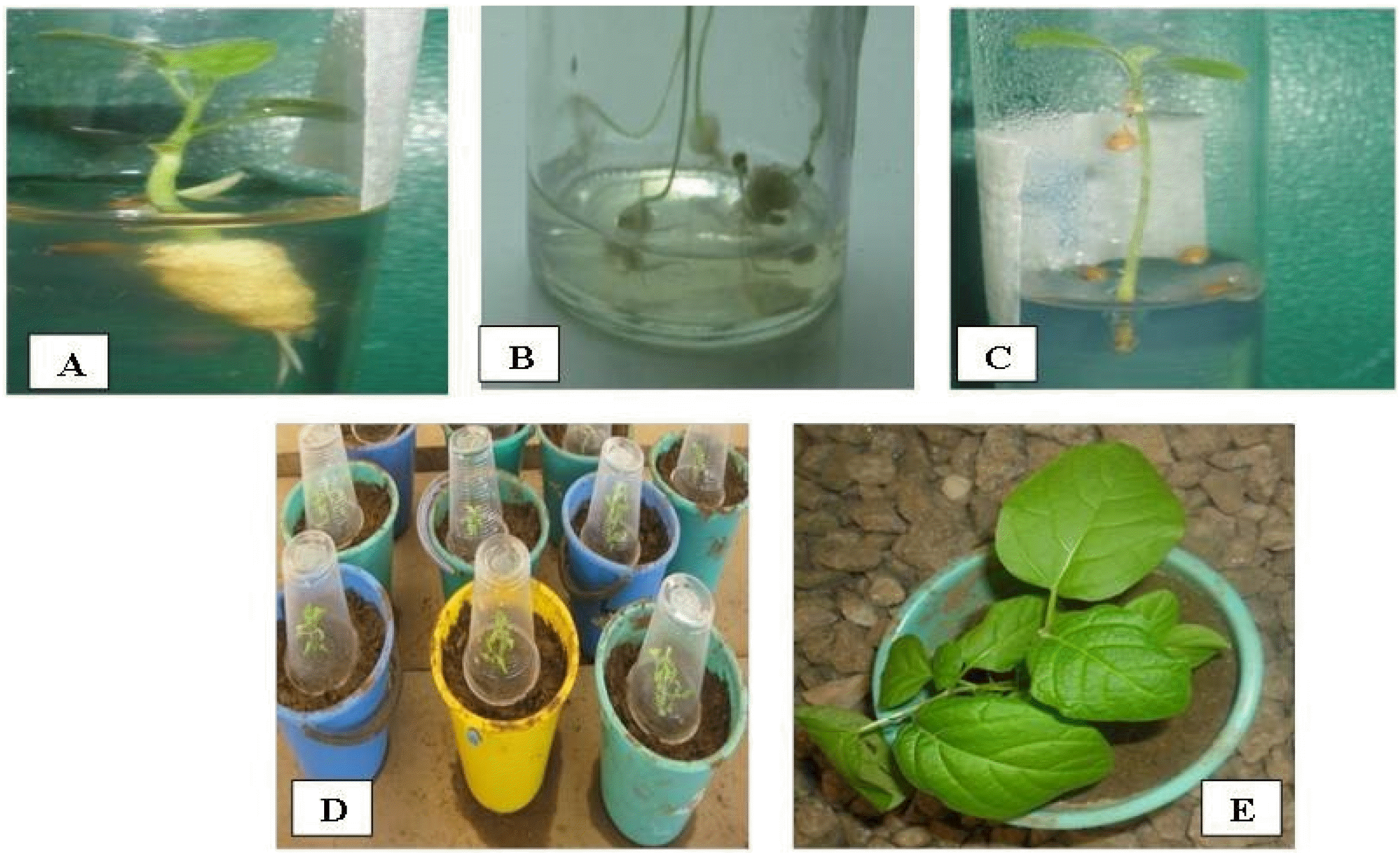
Fig. 1B).
Healthy seedlings with well-developed roots and shoots were acclimatized in the plant house after transferring them to a mixture of sterile black soil, chicken manure and sawdust. While seedlings with under-developed roots or shoots could not be weaned (
Fig. 1B, C). The percentage survival was 80% (SM001-07 × ST004-03) and 88% (SM001-07 × San005-01) after six weeks of hardening (
Fig. 1D, E). Field planted seedlings grew successfully to produce flowers which were subsequently selfed and backcrossed (BC
1 and BC
2) to produce F
2, BC
1 and BC
2 generations (data not shown;
Afful et al. 2019).
Heterosis, measured as the superior performance of the two hybrid plants (SM001-07 × ST004-03 and SM001 07 × San005-01) compared to the mid-parent (MP) and better-parent (BP) values for eight agronomic traits are presented in
Tables 4,
5. Significant heterosis (
P < 0.05) was observed for most of the measured traits in both crosses. Negative and significant values were recorded for traits, such as number of fruits/plant, fruit weight/plant, days to flowering and number of seeds/fruit (
Tables 4,
5). However, hybrid plants from the two crosses (SM001-07 × ST004-03 and SM001-07 × San005-01) exhibited signifi-cant and positive mid-parent heterosis (MPH) for number of primary branches at flowering, with values of 35.09 and 6.58%, respectively. Similarly, positive MPH was observed for fruit breadth (28.19%) in hybrid SM001-07 × San005-01 (
Tables 4,
5). The highest negative MPH and BPH of ‒89.61% and ‒83.12% were recorded in the hybrid SM001 07 × San005-01 for number of seeds/fruit and number of fruits/plant, whereas the hybrid SM001-07 × ST004-03 had the lowest negative values of ‒0.80% and ‒25.24 for fruit length and fruit weight/plant, respectively (
Tables 4,
5).
DISCUSSION
Seed germination and survival
The degree of success and survival of interspecific hybrids of eggplant is dependent on many factors with the most important ones being wild and cultivated species involved, the direction of hybridization and
in-vitro tech-niques used (
Verba et al. 2010;
Kharkongar et al. 2013;
Plazas et al. 2016). In this study, the different range of values observed for seed germination between the two hybrid seeds (SM001-07 × ST004-03 and SM001-07 × San005-01) may be attributed to genotypic differences since the germination was conducted in a controlled en-vironment. In addition, the presence of hormones in the culture medium significantly improved root and shoot emergence, seed germination and seedling survival in both hybrids. The inclusion of hormones in the culture medium might have stimulated
in-vitro germination of seed embryos. This is due to the fact that the action of auxin (BAP) is linked with cell permeability and ion uptake while cyto-kinin acts on cell multiplication and elongation, leading to growth (
Sharma et al. 1996). Similar reports indicate that, the use of cytokinins alone or in combination with auxins improves germination of hybrid seeds (
Wei 2010;
Kumchai et al. 2013;
Rattan et al. 2015). However, zygotic embryos cultured on the same culture medium did not germinate. The successful production of seedlings through embryo culture depends on many factors including species type, media, growth conditions, seed size and method used in extracting embryo among others (
Li et al. 2013). The seeds from the F
1 fruits were very small in size and thus, it is possible that the procedure of pushing out underdeveloped embryos from the micropyle might have unduly damaged them beyond survival.
The significant differences observed for mean number of days to root and shoot emergence between the two hybrids could be ascribed to genetic effect, hormone type and concentration in the culture medium. For instance, for the hybrid SM001-07 × ST004-03, an increase in BAP con-centration in the culture medium, generally, decreased the mean number of days for root and shoot emergence while in SM001-07 × San005-01, increase in the concentration of IAA decreased number of days to root and shoot emer-gence. Moreover, while SM001-07 × ST004-03 showed the lowest mean number of days for root and shoot emer-gence (6 and 9 days, respectively) in a medium supple-mented with 2 mg/L BAP + 0.5 mg/L IAA; SM00-07 × San005-01 recorded the lowest emergence in 4 and 5 days (0.5 mg/L BAP + 0.5 mg/L IAA). The evidence for hor-mone involvement comes from correlation of hormone concentration with specific development stages, effect of applied hormones and the relationship of hormones to metabolic activity (
Chauhan et al. 2009). Cytokinins such as BAP have been reported to enhance seed germination. They are active in all stages of seed germination and activities of meristematic cells in roots and shoots (Nikolic
et al. 2006;
Riefler et al. 2006). Although auxin (IAA) by itself is not required for germination, it has been found in seed radicle tip during and after seed germination. IAA was able to affect seed germination by affecting the activity of enzymes. For example, in pea seeds the activity of glyoxalase 1 was regulated by IAA resulting in higher rates of cell growth and development (
Hentrich et al. 2013). Furthermore, the fact that the two wild accessions (
S. torvum and
S. anguivi) are genetically different and conse-quently belong to different gene pools may explain their different responses to
in-vitro culture (
Plazas et al. 2016).
Age of explant and composition of artificial culture medium have great influence on the success of rescued hybrids. Different authors have reported on varying levels of germination and seedling survival using different media combinations (
Hossain et al. 2003;
Bhattarai et al. 2009;
Kharkongar et al. 2013). In this study, MS medium sup-plemented with 2 mg/L BAP + 0.5 mg/L IAA (SM001 07 × ST004-03) and 0.5 mg/L BAP + 0.5 mg/L IAA (SM001 07 × San005-01) was observed as the best culture medium for seed germination and seedling survival of seed explants (harvested 40 days after pollination).
Rattan et al. (2015) also reported of best seed germination on MS medium supplemented with BAP and IAA. However,
Plazas et al. (2016),
Verba et al. (2010) reported highest seed ger-mination response in MS medium containing 0.01 mg/L IAA + 0.01 mg/L GA3 and 0.1 mg/L thidiazuron (TDZ). The differential response of cultured seeds to optimum germination could be associated to genetic differences be-tween the seeds and/or hormones used.
Of the two hybrid seeds investigated, SM001-07 × ST004-03 had comparatively higher mean seed germina-tion and seedling survival than SM001-07 × San005-01; but seeds of SM001-07 × San005-01 germinated earlier than those of SM001-07 × ST004-03. This result was ex-pected as seeds of
S. torvum have been previously shown to exhibit poor and irregular germination caused by seed dormancy (
Miura et al. 1993;
Gousset et al. 2005;
Hayati et al. 2005). It is possible this trait has been transferred from the wild accession to the progeny (hybrid seeds). More-over, the mean number of germinated seeds and seedling survival in both hybrid seeds decreased after the optimum hormone concentration; higher concentrations of hormones produced seedlings with profuse callus at the base of the root. These findings indicate that high levels of BAP dra-matically decrease the survival of
Solanum seedlings while the detrimental effect of similar levels of IAA is relatively low. Thus, exogenous auxins at low concentrations pro-moted normal embryo growth, while high levels either proved inhibitory or promoted unorganized callus growth (
Manzur et al. 2014).
In general, the culture of the two sets of hybrids seeds showed a comparatively higher germination and seedling survival compared to earlier reports by
Blestos et al. (1998);
Kumchai et al. (2013);
Rattan et al. (2015). In the report by
Blestos et al. (1998), although F
1 plants (‘Langada’ × S. torvum) were self-pollinated and backcrossed to both parents, fruits were produced only when the F
1 hybrid was backcrossed as female to the eggplant cultivar ‘Langada’. Similar observation was reported by
Rattan et al. (2015). However, in our studies fruits were produced from both backcrosses (BC
1 and BC
2) (
Afful et al. 2019). Further, the duration for culture and weaning of hybrids by
Blestos et al. (1998) was comparatively longer than the duration in our studies. While
Blestos et al. (1998) took 120 days (60 days for culture, 60 days for weaning); our studies took 70 days (28 days for culture; 42 days for weaning). In the case of
Kumchai et al. (2013) few seeds germinated (21 seed-lings) and germinated hybrid seeds were further subcul-tured as single node cuttings for further shoot and root development prior to weaning. In our studies, however, cultured seeds developed both shoot and roots (over 60 seedlings) and hence were weaned directly for field studies.
The ultimate success of
in-vitro culture depends on the ability to transfer plantlets out of the artificial culture medium with high survival rates (
Chandra et al. 2010). This is of prime importance because during field transfer,
in-vitro plantlets are unable to compete with soil microbes and to cope with stressful environmental conditions. The culture conditions result in plantlets with altered mor-phology, anatomy and physiology. Therefore, a sudden change to lower humidity and greater light in the plant house can increase mortality rate of plantlets
ex-vitro (
Kyte and Kleyn 1996).
In this study, the utilization of well-developed plantlets (plantlets with roots and shoots) enhanced post-flask ac-climatization and final transfer to the field. The transitional humid environment provided by plastic cups as well as reduced light levels in the weaning barn, reduced water stress and therefore promoted autotrophy and improved survival rate of the plantlets. Survival rates of 80 and 88% were recorded for the two hybrid lines SM001-07 × ST004-03 and SM001-07 × San005-01, respectively.
The high survival rates of the hybrids in this study indicate that higher numbers of interspecific hybrids in eggplant could be obtained through embryo culture. These findings are similar to findings of
Plazas et al. (2016) and
Kumchai et al. (2013) who also observed high survival rate of interspecific hybrids of eggplant. However, their hybrids were highly sterile whereas the present studies found the two sets of interspecific hybrids to be both fertile. Although hybrids in both studies were crosses between
S. melongena and
S. torvum, the differential response may be due to dif-ferences in ploidy level between the diploid
S. melongena (2n = 24) and the wild species
S. torvum (2n = 24, 48).
The degree by which the mean performance of F
1 (population) exceeds its mid-parent (MP) or the better-parent (BP) is known as heterosis (H). The magnitude of heterosis is determined by the accumulation of favourable dominant alleles in the F
1 generation (
Amaefula et al. 2014). Significant and positive mid-parent heterosis re-corded for number of primary branches at flowering and fruit breadth in this study indicates that the hybrids SM001-07 × ST004-03 and SM001-07 × San005-01 performed better than the mean of their parental values for these traits. Negative and significant values of MPH and BPH recorded in both hybrids for days to flowering and number of seeds/ fruit also indicate that the hybrids are good materials for developing early maturing varieties which may bear fruits with less seeds. However, the negative and significant values observed for number of fruits/plant and fruit weight is not desirable for producing higher number of fruit/plant and higher fruit weight. The negative values for these traits may be attributed to genetic and epigenetic reprogramming of genes in the two hybrids resulting from the blending of two genomic makeups. These findings are in congruence with the results of
Mistry et al. (2018) and
Sharma et al. (2016) who reported negative values for number of fruits/plant and fruit weight.
In conclusions, Seed culture has been successfully em-ployed to obtain hybrid plantlets from both crosses (SM001 07 × ST004-03; SM001-07 × San005-01). The mean num-ber of days to root and shoot emergence, number of ger-minated seeds and seedling survival varied significantly between hybrid seeds. However, root emergence preceded shoot emergence in both lines. Of all the hormone con-centrations tested, maximum number of germinations and seedling survival were obtained at 2 mg/L BAP + 0.5 mg/L IAA for SM001-07 × ST004-03 and 0.5 mg/L BAP + 0.5 mg/L IAA for SM001-07 × San005-01, respectively. High heterosis observed for number of primary branches at flowering, number of seeds/fruit and fruit breadth indicates that these two hybrids could be studied further for their stability of these traits. The results in the present study will be useful for geneticists and genetic enhancers interested in applying germination techniques conducted in vitro for interspecific hybrids of eggplant.
Fig. 1In vitro germination of hybrid seeds. (A) Seedling with shoot and root. (B) Callus formed at the base of roots. (C) Seedling without root. (D) Acclimatization of plantlets. (E) Regenerated plants in a pot.
Table 1Analysis of variance for evaluated in vitro germination and plantlet survival in eggplant (Solanum species) hybrids.
Table 1
|
Source of variation |
df |
RE |
SE |
SG |
SS |
|
Cross SM001-07 × ST004-03 |
|
|
|
|
|
|
Treatment |
12 |
54.15** |
92.77** |
82.52** |
61.31** |
|
Error |
39 |
0.39 |
0.47 |
0.31 |
0.42 |
|
Total |
51 |
|
|
|
|
|
CV (%) |
|
7.10 |
5.20 |
8.50 |
14.31 |
|
Cross SM001-07 × San005-01 |
|
|
|
|
|
|
Treatment |
12 |
24.39** |
29.91** |
26.99** |
15.52** |
|
Error |
39 |
0.22 |
0.30 |
0.35 |
0.32 |
|
Total |
51 |
|
|
|
|
|
CV (%) |
|
7.10 |
7.10 |
12.1 |
14.7 |
Table 2Germination of hybrid seeds (SM001-07 × ST004-03) on MS medium supplemented with BAP and IAA in different concentrations.
Table 2
|
Hormone (mg/L) |
Number
Cultured |
Root emergence
(Days) |
Shoot emergence
(Days) |
No germination |
No Seedling survival
(4 weeks) |
|
|
BAP |
IAA |
|
0 |
0 |
20 |
0.00 a |
0.00 a |
0.00 a |
0.00 a |
|
0.5 |
0.2 |
20 |
14.25 f |
16.50 fg |
4.00 cd |
1.75 b |
|
1 |
0.2 |
20 |
13.25 ef |
17.00 gh |
3.75 cd |
4.00 c |
|
2 |
0.2 |
20 |
12.00 e |
14.75 de |
3.25 bc |
1.50 ab |
|
4 |
0.2 |
20 |
10.00 d |
16.00 efg |
7.00 fg |
5.00 c |
|
0.5 |
0.5 |
20 |
10.00 d |
18.25 h |
9.50 h |
4.00 c |
|
1 |
0.5 |
20 |
6.75 bc |
10.00 bc |
11.00 i |
8.00 d |
|
2 |
0.5 |
20 |
6.00 b |
9.50 b |
17.25 j |
14.50 e |
|
4 |
0.5 |
20 |
6.25 bc |
15.00 def |
9.75 hi |
7.00 d |
|
0.5 |
1 |
20 |
9.50 d |
11.50 c |
5.75 ef |
3.50 c |
|
1 |
1 |
20 |
9.75 d |
14.50 de |
7.75 g |
7.50 d |
|
2 |
1 |
20 |
7.75 c |
16.50 fg |
2.00 b |
1.50 ab |
|
4 |
1 |
20 |
10.00 d |
14.00 d |
4.75 de |
1.50 ab |
|
CV (%) |
|
7.5 |
5.2 |
8.5 |
14.3 |
Table 3Germination of hybrid seeds (SM001-07 × San005-01) on MS medium supplemented with BAP and IAA in different concentrations.
Table 3
|
Hormone (mg/L) |
Number
Cultured |
Root emergence
(Days) |
Shoot emergence
(Days) |
No germination |
No Seedling survival
(4 weeks) |
|
|
BAP |
IAA |
|
0 |
0 |
20 |
0.00 a |
0.00 a |
0.00 a |
0.00 a |
|
0.5 |
0.2 |
20 |
9.00 ef |
10.00 g |
4.00 cd |
2.00 b |
|
1 |
0.2 |
20 |
8.00 de |
10.00 g |
3.00 bc |
3.00 bcd |
|
2 |
0.2 |
20 |
8.00 de |
9.00 efg |
6.00 ef |
3.00 bcd |
|
4 |
0.2 |
20 |
10.00 f |
10.00 g |
8.00 g |
5.25 f |
|
0.5 |
0.5 |
20 |
4.75 b |
5.75 b |
10.00 0 |
8.25 g |
|
1 |
0.5 |
20 |
5.00 b |
6.00 b |
6.75 fg |
4.25 def |
|
2 |
0.5 |
20 |
7.00 cd |
8.00 cde |
6.00 ef |
5.00 f |
|
4 |
0.5 |
20 |
7.00 cd |
9.00 efg |
4.75 de |
4.50 ef |
|
0.5 |
1 |
20 |
6.50 c |
8.50 def |
5.50 ef |
3.50 cde |
|
1 |
1 |
20 |
8.00 de |
9.50 fg |
5.25 de |
4.25 def |
|
2 |
1 |
20 |
6.50 c |
7.50 cd |
3.00 bc |
2.75 bc |
|
4 |
1 |
20 |
7.00 cd |
7.00 bc |
2.25 b |
2.25 ef |
|
CV (%) |
|
7.1 |
7.1 |
12.1 |
14.7 |
Table 4Estimate of mid and better parent heterosis for agronomic traits in hybrid SM001-07 (S. melongena) × San005-01 (S. anguivi).
Table 4
|
Trait |
P1
|
P2
|
F1
|
MP |
MPH |
BPH |
|
DF |
98.30 ± 0.31 |
79.30 ± 0.31 |
86.67 ± 1.00 |
88.80 |
‒2.39* |
9.29ns
|
|
PH |
42.49 ± 0.10 |
49.44 ± 0.10 |
45.02 ± 0.10 |
45.97 |
‒2.06* |
5.95* |
|
PB |
10.11 ± 0.10 |
8.67 ± 0.10 |
9.98 ± 0.10 |
9.39 |
6.28* |
‒1.29* |
|
FL |
8.36 ± 0.10 |
1.16 ± 0.10 |
7.13 ± 0.10 |
4.76 |
49.79ns
|
‒14.71* |
|
FB |
8.43 ± 0.10 |
0.90 ± 0.31 |
5.98 ± 0.10 |
4.67 |
28.19* |
‒29.06* |
|
NF/P |
8.33 ± 0.99 |
148.11 ± 10.00 |
25 ± 1.00 |
78.22 |
‒68.04* |
‒83.12* |
|
FW/P |
408.80 ± 10.02 |
32.10 ± 3.15 |
332.40 ± 9.99 |
220.45 |
50.78ns
|
‒18.69* |
|
NS/F |
1449.00 ± 1.00 |
46.00 ± 1.00 |
77.66 ± 1.23 |
747.50 |
‒89.61* |
68.83ns |
Table 5Estimate of mid- and better-parent heterosis for agronomic traits in hybrid SM001-07 (S. melongena) × ST004-03 (S. torvum).
Table 5
|
Trait |
P1
|
P2
|
F1
|
MP |
MPH |
BPH |
|
DF |
98.30 ± 0.31 |
152.30 ± 0.31 |
120.00 ± 2.44 |
125.15 |
‒4.12* |
22.08ns
|
|
PH |
42.49 ± 0.10 |
59.62 ± 0.10 |
32.30 ± 0.31 |
51.055 |
‒36.73* |
‒23.98* |
|
PB |
10.11 ± 0.10 |
7.33 ± 0.10 |
5.66 ± 0.10 |
8.72 |
35.09* |
‒44.02* |
|
FL |
8.36 ± 0.10 |
1.58 ± 0.10 |
4.93 ± 0.31 |
4.97 |
‒0.80* |
‒41.03* |
|
FB |
8.43 ± 0.10 |
1.18 ± 0.10 |
3.90 ± 0.31 |
4.805 |
‒18.83* |
‒53.74* |
|
NF/P |
8.33 ± 0.99 |
202.89 ± 10.06 |
37.12 ± 1.42 |
105.61 |
‒64.85* |
345.62* |
|
FW/P |
408.80 ± 10.02 |
252.80 ± 10.00 |
305.63 ± 7.59 |
330.8 |
‒7.61* |
‒25.24* |
|
NS/F |
1449.00 ± 1.00 |
216.00 ± 1.00 |
264.00 ± 1.00 |
832.5 |
‒68.29* |
‒81.78* |
References
- Afful NT, Nyadanu D, Akromah R, Amoatey HM, Annor C, Diawuoh RG. 2019. Nutritional and antioxidant com-position of eggplant accessions in Ghana. Afr. Crop Sci. J.. 27: 193-211.
- Afful NT, Nyadanu D, Akromah R, Amoatey HM, Amiteye S, Annor C. 2019. Genetic analysis of nutritional and antioxidant traits in eggplant (S. melongena). Aust. J. Crop Sci.. 13: 1495-1502.
- Afful NT, Nyadanu D, Akromah R, Amoatey HM, Annor C, Diawouh RG. 2018. Evaluation of crossability studies between selected eggplant accessions with wild relatives S. torvum, S. anguivi and S. aethopicum (Shum group). J. Plant Breed. Crop Sci.. 10: 1-12.
- Ali M, Fujieda K. 1990. Cross compatibility between eggplant (Solanum melongena L.) and wild relatives. J. Jpn. Soc. Hort. Sci.. 58: 977-984.
- Amaefula C, Agbo CU, Nwofia GE. 2014. Hybrid vigour and genetic control of some quantitative traits of tomato (Solanum lycopersicum L.). Open J. Genet.. 4: 30-39.
- Ano G, Hebert Y, Prior P, Messiaen CM. 1991. A new source of resistance to bacterial wilt of eggplants obtained from a cross: Solanum aethiopicum L. × Solanum melongena L. Agronomie. 11: 550-560.
- Bhattarai SP, de la Pena RC, Midmore DJ, Palchamy K. 2009. In vitro culture of immature seed for rapid generation advancement in tomato. Euphytica. 167: 23-30.
- Blestsos FA, Roupakias DG, Tsaktsira ML, Scaltsojannes AB, Thanassoulopoulos CC. 1998. Interspecific hybrids between three eggplant (Solanum melongena L.) cul-tivars and two wild species (Solanum torvum Sw. and Solanum sisymbriifolium Lam.). Plant Breed.. 117: 159- 164.
- Chah KF, Muko KN, Oboegbulem SI. 2000. Antimicrobial activity of methanolic extract of Solanum torvum fruit. Fitoterapia. 71: 187-189.
- Chandra S, Bandopadhyay R, Kumar V, Chandra R. 2010. Acclimatization of tissue cultured plantlets: from labo-ratory to land. Biotechnol. Lett.. 32: 1199-1205.
- Chauhan JS, Tomar YK, Singh NI, Ali S, Debarati . 2009. Effect of growth hormones on seed germination and seedling growth of black gram and horse gram. J. Am. Sci.. 5: 79-84.
- Danquah-Jones A. 2000. Variation and correlation among agronomic traits in eggplant (S. gilo Radii). M.S. Thesis. University of Ghana. Legon, Accra, Ghana.
- Daunay MC. Prohens J., Nuez F., 2008. Eggplant. editors. Handbook of plant breeding: Vegetables II. Springer. New York, U.S.A: pp. 163-220.
- Gousset C, Collonnier C, Mulya K, Mariska I, Rotino GL, Besse P, et al. 2005. Solanum torvum, as a useful source of resistance against bacterial and fungal diseases for improvement of eggplant (S. melongena L.). Plant Sci.. 168: 319-327.
- Hayati NE, Sukprakarn S, Juntakool S. 2005. Seed ger-mination enhancement in Solanum stramonifolium and Solanum torvum. Kasetsart J. (Nat. Sci.). 39: 368-376.
- Hentrich M, Boettcher C, Duchting P, Cheng Y, Zhao Y, Berkowitz O, et al. 2013. The jasmonic acid signaling pathway is linked to auxin homeostasis through the modulation of YUCCA8 and YUCCA9 gene expression. Plant J.. 74: 626-637.
- Hossain MA, Minami M, Nemoto K. 2003. Immature embryo culture and interspecific hybridization between Capsicum annuum L. and C. frutescens L. via embryo rescue. Jpn. J. Trop. Agr.. 47: 9-16.
- Oliveira IT, Lopes CA, Moura AB. 2014. Fruit yield and bacterial wilt symptoms on eggplant genotypes grown in soil infested with Ralstonia solanacearum. Hortic. Bras.. 32: 453-457.
- Kharkongar HP, Khanna VK, Tyagi W, Rai M, Meetei NT. 2013. Wide hybridization and embryo-rescue for crop improvement in Solanum. Agrotechnology. 11: 1-6.
- Kouassi B, Prohens J, Gramazio P, Kouassi AB, Vilanova S, Galán-Ávila A, et al. 2016. Development of backcross generations and new interspecific hybrid combinations for introgression breeding in eggplant (Solanum melongena). Sci. Hortic.. 213: 199-207.
- Kumchai J, Wei YC, Lee CY, Chen FC, Chin SW. 2013. Production of interspecific hybrids between commercial cultivars of eggplant (Solanum melongena L.) and its wild relative S. torvum. Genet. Mol. Res.. 12: 755-764.
- Kyte L, Kleyn J. 1996. Plants from test tubes: An introduction to micropropagation. 3rd edition. Timber Press. Portland, Oregon, U.S.A.
- Li GR, Wang G, Wang YJ. 2013. Embryo rescue to obtain progeny from seedless grapes (Vitis vinifera L.) × wild Chinese Vitis species. J. Food Agric. Environ.. 11: 1058- 1062.
- Loganayaki N, Siddhuraju P, Manian K. 2010. Antioxidant activity of two traditional Indian vegetables: Solanum nigrum L. and Solanum torvum L. Food Sci. Biotechnol.. 19: 121-127.
- Manzur JP, Calvache-Asensio M, Rodriguez-Burruezo A. 2014. Growth regulators and darkness increase efficiency in in vitro culture of immature embryos from peppers. Sci. Agric. (Piracicaba, Braz.). 71: 488-493.
- Mistry CR, Kathiria KB, Sabolu S, Kumar S. 2018. Heterosis and inbreeding depression for fruit yield attributing traits in eggplant. Curr. Plant Biol.. 16: 27-31.
- Miura H, Yoshida M, Yamasaki A. 1993. Improved emer-gence of Solanum torvum by seed treatment. HortScience. 28: 529.
- Nikolic R, Mitic N. Effects of cytokinins on in vitro seed germination and early seedling morphogenesis in Lotus corniculatus L. J. Plant Growth Regul. 25: pp. 187-194.
- Owusu DO. 2012. Effect of crude ethanolic leaf extract of soursop (Annona muricata L.) on eggplant shoot and fruit borer (Leucinodes orbonalis Guen). Ph.D. Thesis. Kwame Nkrumah university of Science and Technology. Kumasi, Ghana.
- Plazas M, Vilanova S, Gramazio P, Rodríguez-Burruezo A, Fita A, Herraiz FJ, et al. 2016. Interspecific hybridization between eggplant and wild relatives from different gene-pools. J. Am. Soc. Hortic. Sci.. 141: 34-44.
- Prodhan MZH, Hasan MT, Chowdhury MMI, Alam MS, Rahman ML, Azad AK, et al. 2018. Bt eggplant (Solanum melongena L.) in Bangladesh: Fruit production and con-trol of eggplant fruit and shoot borer (Leucinodes orbonalis Guenee), effects on non-target arthropods and economic returns. PLoS One. 13: 1-17.
- Rattan P, Kumar S, Salgotra RK, Samnotra RK, Sharma F. 2015. Development of interspecific F1 hybrids (Solanum melongena × Solanum khasianum) in eggplant through embryo rescue technique. Plant Cell Tissue Organ Cult.. 120: 379-386.
- Riefler M, Novak O, Strnad M, Schmulling T. 2006. Arabidopsis cytokinin receptor mutants reveal functions in shoot growth, leaf senescence, seed size, germination, root development and cytokinin metabolism. Plant Cell. 18: 40-54.
- Rotino GL, Sala T, Toppino L. Pratap A., Kumar J., 2014. Eggplant. editors. Alien gene transfer in crop plants. Springer. New York, U.S.A: pp. 381-409.
- Schippers RR. 2000. African indigenous vegetables: An over-view of the cultivated species. University of Greenwich, Natural Resources Institute. London, U.K.
- Sharma TK, Pant SC, Kumar K, Kurrey VK, Pandy PK, Bairwa PL. 2016. Studies on heterosis in brinjal (Solanum melongena L.). Int. Bio-resource Str. Man.. 7: 964-969.
- Sharma DR, Kaur R, Kumar K. 1996. Embryo rescue in plants-a review. Euphytica. 89: 325-337.
- Sohrab SS, Bhattacharya PS, Rana D, Kamal MA, Pande MK. 2014. Development of interspecific Solanum lycopersicum and screening for Tospovirus resistance. Saudi J. Biol. Sci.. 22: 730-738.
- Verba VM, Mamedov MI, Pyshnaya ON, Suprunova TN, Shmykova NA. 2010. Isolation of eggplant interspecific hybrids by the method of embryo culture. Agric. Biol.. 5: 66-71.
- Wei YC. 2010. Interspecific hybridization between eggplant (Solanum melongena L.) and the related wild species Solanum torvum SW. M.S. Thesis. National Pingtung University of Science and Technology. Taiwan.
- Yamaguchi H, Fukuoka H, Arao T, Ohyama A, Nunome T, Miyatake K, et al. 2010. Gene expression analysis in cadmium-stressed roots of a low cadmium-accumulating solanaceous plant, Solanum torvum. J. Exp. Bot.. 61: 423- 437.
- Yan H, Lu L, Alzate A, Ceballos H, Hershey C, Chen S, et al. 2014. Fruit, seed and embryo development of different cassava (Manihot esculenta Crantz) genotypes and embryo rescue. Afr. J. Biotechnol.. 13: 1524-1528.
- Yeboah A. 2014. Screening of eggplant genotype for resistance to anthracnose. Ph.D. Thesis. Accra: University of Ghana. Legon.