Abstract
We have developed a multi-layer pipeline that uses transcriptomic data to identify candidate genes associated with complex pathways in plants. We used this multi-layer approach, incorporating microarray, RNA sequencing, polymerase chain reaction (PCR), and protein-protein interaction analyses, to identify 14 genes associated with drought tolerance in potato. We generated transgenic potato lines that over-express bZIP28, one of the genes selected by our pipeline, to confirm the involvement of that gene in drought tolerance. The protein interactions of the products of the screened genes were assessed using yeast two-hybrid and bimolecular fluorescence complementation analyses. Overall, this study demonstrated the utility of our multi-layer approach for deciphering complex biosynthetic pathways using transcriptomic data.
-
Key words: Multi-layer approach, Potato drought, RNA sequencing
INTRODUCTION
Transcriptional profiling analysis of altered gene expression can provide invaluable information about cellular regulatory pathways and metabolism in plants (
Shi et al. 2016). Whole-genome transcriptomic approaches have been used to identify candidate genes, thereby allowing for genetic dissections of complex and quantitative traits. Traditionally, such approaches seek to identify target genes associated with specific traits and pathways, without performing detailed analyses of the complex biological processes (
Vinocur and Altman 2005). These approaches have been effective in identifying genetic architecture of complex traits when integrated with
in silico analysis (
Zhu and Zhao 2007).
To date, various strategies have been developed for the identification of candidate genes involved in specific pathways. Such methods identify candidate genes using gene ontology (GO) enrichment analyses (
Woldesemayat et al. 2018), quantitative trait locus (QTL) mapping (Wayne and McIntyre 2002), digital candidate gene approaches (
Zhu et al. 2010), and cross-species approaches utilizing well-characterized gene models (
Young 2001). Advances in next-generation sequencing have facilitated the development and use of integrated approach methods utilizing functional genome databases (
Schwerin et al. 2006), combined microarrays (
Weisschuh et al. 2007), and Endeavour web resources (
Tranchevent et al. 2016). Despite successful outcomes, such candidate gene identification approaches are largely limited by their reliance on
a priori knowledge of the physiological, biochemical, or functional aspects of target systems and potential gene candidates (
Zhu and Zhao 2007;
Tranchevent et al. 2016).
Potato drought tolerance was recently studied using molecular tools such as microarrays, RNA sequencing (RNA-seq), genome-wide mapping, and proteomic techniques. Some functions of drought-related genes in potato were revealed by the identification of putative genes involved in transpiration efficiency, detoxification of reactive oxygen, and protection of proteins from water stress damage (
Monneveux et al. 2013;
Gong et al. 2015;
Kikuchi et al. 2015;
Sprenger et al. 2018). However, the complex mechanisms of drought tolerance in potato involve numerous genes and the signaling of various pathways (
Obidiegwu et al. 2015). Thus, efficient identification of specific genes involved in drought-responsive biosynthesis requires integrative approaches for screening candidate genes.
In this study, we developed a multi-layer screening method to identify, characterize, and validate candidate genes associated with drought tolerance in potato. We identified candidate genes using transcriptomic data obtained from drought-resistant mutant potato plants and subsequently validated these findings using two polymerase chain reaction (PCR) methods, yeast two-hybrid (Y2H) assays, and bimolecular fluorescence complementation (BiFC) analysis. This study presents a unique approach that complements existing gene candidate identification efforts and further elucidates drought-responsive gene expression in potato.
MATERIALS AND METHODS
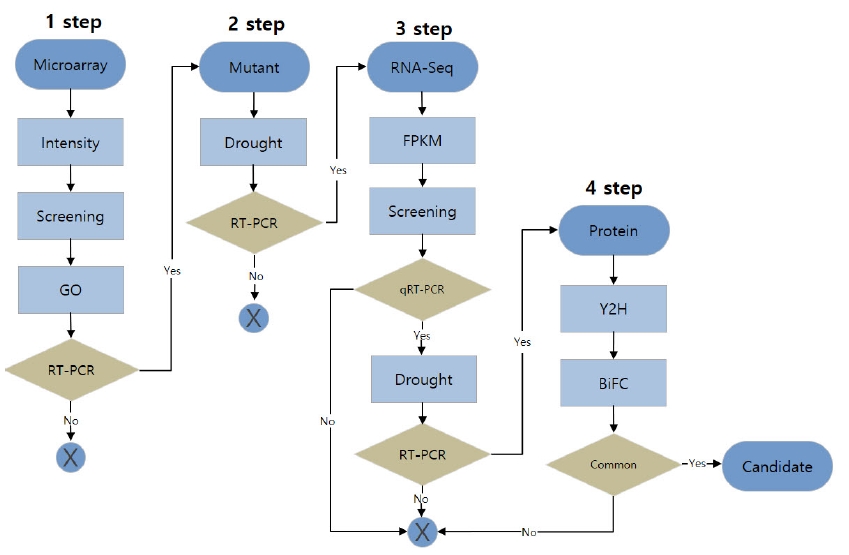
We have developed a multi-layer four-step pipeline to identify and validate candidate genes associated with drought tolerance metabolism in potato (
Fig. 1). First, we screened the potential drought-related genes using a potato microarray. Second, we generated transgenic potatoes to test the drought tolerance response. Third, we screened the drought response genes using RNA-seq supplemented with two PCR methods. Finally, we validated protein interactions of the products of the screened genes using Y2H and BiFC analyses.
Four potato (Solanum tuberosum L.) plants, three drought-tolerant (T1, T2, and T3 accessions) and one wild-type control (Sumi cultivar), used in this study were obtained from the National Institute of Crop Science (Wanju, South Korea). Three previously generated drought-tolerant mutants (T1, T2, and T3) were compared to the wild-type cultivar, cv. Sumi. Total RNA was extracted from plants subjected to abiotic stress (as described below) using the RNeasy RNA extraction kit (QIAGEN, Valencia, CA, USA). Gene expression was assessed and validated using reverse transcription (RT)-PCR and quantitative (q)RT-PCR. RT-PCR was performed using M-MLV reverse transcriptase (Promega, Madison, WI, USA), and qRT-PCR was performed using SYBR Premix Ex Taq (Takara, Kanagawa, Japan). The gene encoding actin was used as an internal housekeeper control to normalize relative gene expression changes.
Candidate gene approach algorithm
We developed a new method for classifying potential candidate genes using the microarray intensity and the RNA-seq fragments per kilobase per million (FPKM) parameters.
Variables P (gene identification), R (replication of experimental treatment), and Z (expression value) in the transcriptome experiments are denoted as:
where i = gene ID number, j = treatment replicate number.
Zij represents the function F (Pi Rj) of to be the values of the P, R, and Z variables:
Generally, Rj values are calculated using mean, median, and frequency values. However, we defined a new factor (ΔPRi), which is a ratio of the gene expression value. This factor (ΔPRi) substitutes the Rj value and is set to (Rmax/Rmin), where Rmax is the maximum value and Rmin is the minimum value in the replication of experimental treatment (Rj) range of gene identification (Pi)
where i = gene ID number, Rmax = maximum value, Rmin = minimum value in the replication of experimental treatment range of gene identification (Pi).
We assumed that the ΔPRi value is an important factor in evaluating gene selection. A high value for this ratio indicates substantial differences between treatments, even in the case of low-value raw data. The new factor (ΔPRi) was calculated using a simple transformation procedure, in a manner that performs category identification differently relative to other methods of candidate gene selection. Therefore, the ΔPRi values facilitate the discovery of new potential genes with low absolute abundance but significant between-treatment differences in expression.
Microarray for candidate gene identification
The potato microarray experiments were performed using the 12 × 135K format arrays without replication (
Supplementary Fig. S1). The potato microarray was manufactured by Roche NimbleGen (http://www.nimblegen. com/), and signals were digitized and analyzed using Nimblescan (Nimblegen,
http://www.nimblegen.com/). For the drought test, 2-week-old plants were transferred to pots, acclimatized for 3 days, and cultivated for 4 weeks with ample watering in a greenhouse. Six-week-old plants were subjected to drought stress by withholding watering for 3 weeks, followed by a 6-day recovery. The gene expression profiles of three drought-tolerant accessions and one control accession were compared at 0, 6, and 12 hours after the start of drought treatment. The ΔPR
i values of genes were calculated and used for selection. To compare GO term enrichment, GO terms with false discovery rate values below 0.05 were selected using GOMINER (
http://discover.nci.nih.gov/gominer/).
The association of the selected genes with drought response was verified by RT-PCR following plant treatment with drought-related factors, including salt and polyethylene glycol (PEG), after 0, 0.5, 3, 6, 12, and 24 hours. In addition, we compared the differentially expressed genes identified using our multi-layer approach with those identified using the limma program (
Ritchie et al. 2015) (log2FC > 1.0 or < ‒1.0,
P-value < 0.05) and the edgeR program (
Robinson et al. 2010) (log2FC > 1.0 or < ‒1.0, adj. FDR < 0.05).
The
bZIP28 gene, selected via the microarray analysis, was amplified following first-strand cDNA synthesis performed using the Sprint
TM RT Complete-Oligo (dT) kit according to the manufacturer’s instructions (Clontech Laboratories, Inc.; Takara Bio, Inc.). The amplified
bZIP28 gene construct was cloned into pGreenII under the control of the
pCaMV35S promoter. The
pCaMV35S:AtZIP28 binary vector structure is shown in (
Supplementary Fig. S2).
Agrobacterium-mediated transformation, selection, and regeneration of potato were performed as previously described (
Na et al. 2017). To select drought-tolerant mutants, we performed two drought stress treatments: water deficiency and NaCl exposure. For the water deficiency treatment, water was withheld from 3-week-old plants for 12 days (
Supplementary Fig. S3A). For the NaCl treatment, 3-week-old plants were exposed to 250 mM NaCl for 9 days (
Supplementary Fig. S3B). In addition, potato production was evaluated following harvesting (
Supplementary Fig. S4). The transgenic plant demonstrating the highest degree of drought tolerance was subsequently used for RT-PCR analysis of
bZIP28 expression under 4 drought-related stress conditions: 10 mg/mL tunicamycin (TM), 20 mM dithiothreitol (DTT), 250 mM NaCl, and dimethyl sulfoxide (DMSO). Plants following 0, 3, 6, 12, and 72 hours of treatment were tested.
We performed eight RNA-seq experiments (without replication) to compare gene expression between the selected drought-tolerant
Z-3 mutant and the wild-type control accessions. Plants were exposed to drought stress via treatment with 10 mg/mL TM or 250 mM NaCl for 9 hours. Untreated plants (0 hour) were used as controls. Library construction was performed using the public protocol. Sequencing and assembly were performed using the Illumina Hi-Seq 1000 platform (Hayward, CA, USA). CLC Assembly Cell 3.2 was used to perform quality control analysis of the raw sequence data and to predict transcripts sequences (CLC Bio, Aarhus, Denmark). We tested transcript expression using the Bowtie mapping program (http://bowtie-bio.sourceforge.net/), with a false discovery rate of 5%. We identified genes that were differentially expressed between the drought-tolerant Z-3 mutant and the wild-type samples using Cufflinks with the Cuffdiff function (version 2.2.1) (
Trapnell et al. 2013). RNA-seq results were validated by using RT-PCR to test the expression of selected genes in response to four drought-related stress conditions, including 10 mg/mL TM, 20 mM DTT, 250 mM NaCl, and DMSO. All treatments were carried out for 12 hours.
We performed Y2H and BiFC analyses to assess protein-protein interactions of the products of the selected candidate genes. Y2H analysis was performed using a StraGene protocol with the pGBKT7 bait vector and the pGADT7 prey vector (
Tian et al. 2010). Strains bearing the Y2H vectors were initially selected by growth on a yeast synthetic defined medium lacking leucine, tryptophan, histidine, and adenine (SD/L-T-H-A). Interactions of fusion proteins from the two vectors were assessed by growth on SD/L-T-H-A with X-a-gal (Takara, Kanagawa, Japan). BiFC assays are based on the restoration of fluorescence upon association of the N-terminal and C-terminal parts of a fluorescent protein facilitated by fused target protein interactions. Candidate genes were cloned into vectors containing coding sequences for the N-terminal and C-terminal fragments of the yellow fluorescent protein (
Supplementary Fig. S5). Following transformation, the N-and C-terminally tagged forms were expressed in potato through the action of the 35S CaMV promoter, and fluorescence was observed in epidermal cell layers 3 to 7 days after infiltration.
RESULTS AND DISCUSSION
Gene identification using microarrays
Using the 42,224-gene microarrays, we compared relative expression levels between four accessions of
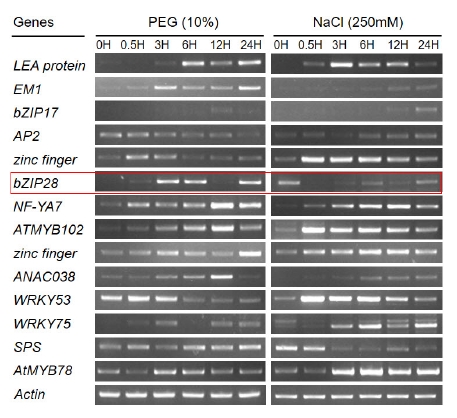
Solanum tuberosum L. under conditions of drought stress. Using our newly developed algorithm, we identified 18,239 genes in expression under drought conditions. To narrow this list down to differentially expressed genes related to drought tolerance pathways, we performed GO term enrichment analysis, which led to the selection of 23 genes. Out of these 23 drought-related genes, the expression of 14 genes was verified using RT-PCR (
Fig. 2). We hypothesized that the nine genes that were not verified by RT-PCR were either expressed at low levels or expressed only at specific times in the drought reaction. For comparison, we analyzed potato microarray data using the limma and edgeR programs. Limma and edgeR selected 5,784 genes and 947 genes, respectively, as significantly differentially expressed genes. Among the 18,239 genes selected on the basis of ΔPRi values, 2,600 (14.2%) and 853 (4.7%) were also selected by limma and edgeR, respectively, while 15,145 genes were selected only on the basis of ΔPRi values (
Supplementary S6). In addition, the number of genes selected on the basis of ΔPRi values was greater than the number of transcripts (3,189) identified by transcriptome sequencing of drought-treated potatoes (
Gong et al. 2015). That indicates that our algorithm could identify more differentially expressed genes than were identified using other methods, suggesting that our approach may be used as a new alternative method to identify genes that are differentially expressed under stress conditions.
To further analyze the association between drought tolerance and the 14 selected genes, we assessed available information regarding these genes and regulatory pathways using published literature, KEGG (http://www.genome.jp/ kegg/), and NCBI (https://www.ncbi.nlm.nih.gov/). Late embryogenesis abundant (
LEA) proteins,
EM1,
zinc finger proteins,
ANAC, and
MYB family proteins play roles in stress or embryo-development responses in plants (
Hundertmark and Hincha 2008;
Tian et al. 2010;
Magwanga et al. 2018). In addition,
bZIP17 (
Nawkar et al. 2018),
WRKY family genes (
Hu et al. 2012), and
AP2 (
Lata et al. 2014) genes have been linked to drought response. Especially,
bZIP28, encoding a membrane-associated basic domain/ leucine zipper (
bZIP) transcription factor, was previously reported to play an important role in increasing stress tolerance in
A. thaliana (
Liu et al. 2007;
Tian et al. 2010;
Srivastava et al. 2014;
Iwata et al. 2017). Despite those reports, the specific role of
bZIP28 in drought tolerance remains poorly characterized in potato. Therefore, we selected
bZIP28 for further analysis and generation of transgenic potato plants.
We generated 12 independent transgenic potato lines overexpressing
bZIP28. Three transgenic lines, Z-3, Z-6, and Z-8, demonstrated phenotypic differences under drought stress conditions, as well as following harvesting (
Supplementary Fig. S3 and S4). The Z-3 plants exhibited the greatest increase in the phenotypic manifestation of drought tolerance relative to the wild type and were, thus, selected for further analysis. Subsequently, using RT-PCR, we compared the expression of
bZIP28 in Z-3 and wild-type control plants under 4 drought-related stress conditions, including TM, DTT, NaCl, and DMSO. At all five sampling time points, Z-3 demonstrated greater
bZIP28 transcript abundance under all conditions tested (
Supplementary Fig. S7). These results confirmed the successful generation of a
bZIP28-overexpressing transgenic line that could be used to further identify candidate genes using RNA-seq.
To further screen for genes related to the drought tolerance pathway, we performed RNA-seq experiments comparing the transcriptomes of the
bZIP28-overexpressing transgenic Z-3 line and the wild-type control under drought stress conditions (
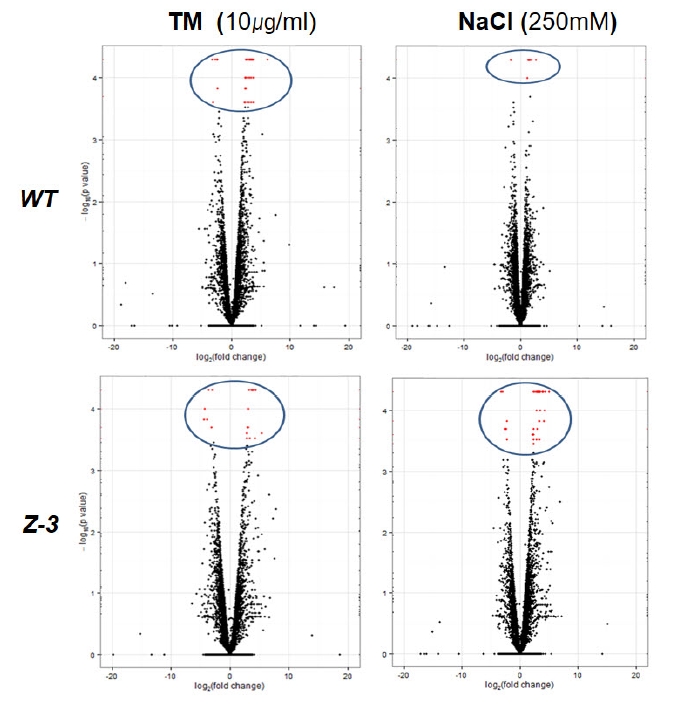
Table 1). We identified 46 differentially expressed genes based on FPKM values for each treatment between Z-3 and the wild type. Of these, 12 genes demonstrated altered expression following both TM and NaCl treatments (
Fig. 3). We subsequently tested the effects of four different drought-related stress conditions (TM, DMSO, NaCl, and DTT) on the expression of these 12 genes. RT-PCR analysis identified eight potential drought-responsive genes (
Supplementary S8). The drought-related expression profiles of these genes were confirmed using qRT-PCR (
Supplementary S9). Among the eight candidate genes,
BiP,
CAMTA3,
AP2, and
bZIP28 were upregulated under all conditions tested, whereas
HSP 17.6 was downregulated upon treatment with DMSO and TM (
Supplementary S9). Two genes,
AP2 and
bZIP28, were identified using both the microarray and the RNA-seq analyses. We have confirmed that these genes play regulatory roles in drought tolerance and are involved in drought stress signaling during metabolite biosynthesis (
Liu et al. 2007;
Lata et al. 2014;
Iwata et al. 2017).
We assessed the protein interaction of the bZIP28 product. Previous work utilizing Y2H and BiFC assays has demonstrated that
A. thaliana bZIP28, mobilized in response to endoplasmic reticulum (ER) stress, recruits nuclear factor Y (NF-Y) to induce the expression of ER stress-responsive elements (
Tian et al. 2010). Therefore, we performed protein-protein interaction assays using bZIP28 and 22 NF-Y family members, which were identified using the potato genome database (
Kahle et al. 2005;
Sharma et al. 2013). To identify the potato NF-Y family genes associated with ER stress, we performed four ER stress-related treatments. Six NF-Y family genes demonstrated ER stress-associated expression patterns (
Supplementary Fig. S10). We found homologs for all but one of the identified genes (
St-9934) in the
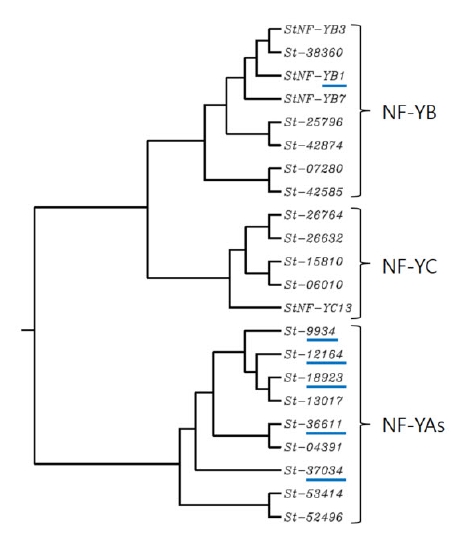
A. thaliana sequence database (TAIR, https://www.arabidopsis.org/). Phylogenetic analysis demonstrated that the 22 potato NF-Y family genes clustered into three groups, with five of the six candidate genes grouping into the same cluster (
Fig. 4).
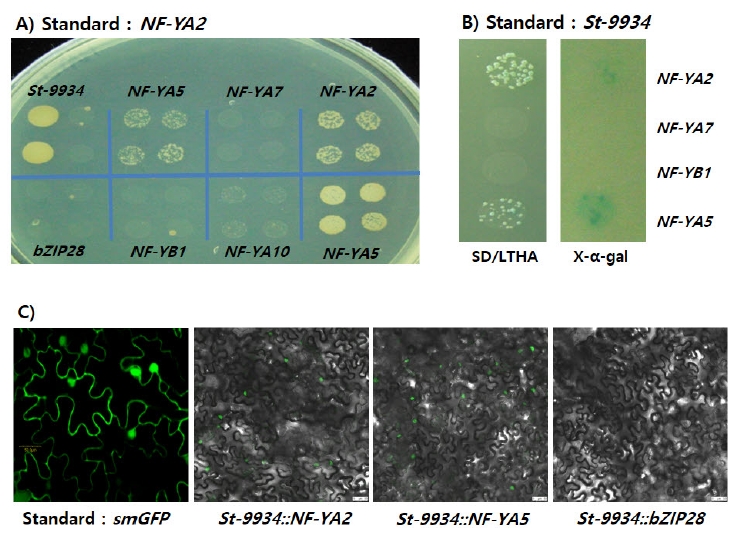
To examine protein-protein interactions between NF-Y family proteins and bZIP28, we performed Y2H assays. Using
NF-YA2 (
St-37034) in the bait vector and the six NF-Y genes and
bZIP28 in the prey vectors, we observed NF-YA2/NF-YA5 (St-12164), NF-YA2/St-9934, and NF-YA2/NF-YA2 interactions. However, the interaction with bZIP28 appeared to be very weak, as evidenced by barely detectable clones (
Fig. 5A). These results indicated a weak physical interaction/association between bZIP28 and NF-YA2. A weak signal also appeared when
bZIP28 was used in the standard bait vector. We further validated our findings using a
St-9934 bait vector that was differentially expressed during PEG treatment. St-9934 interacted with NF-YA2 and NF-YA5, confirming the results of the experiment where
St-9934 was used in the prey vector (
Fig. 5B). In order to verify the Y2H results, we assessed the interactions of St-9934 with bZIP28, NF-YA2, and NF-YA5 using a BiFC approach. NF-YA2 and NF-YA5 showed interactions with St-9934, as evidenced by strong fluorescence signals. The interactions were detected only in the nucleus of the potato cells, whereas
smGFP (standard) was detected in most parts of the cell, including the nucleus and the plasma membrane. The interaction between bZIP28 and St-9934, however, was very weak, as evidenced by a barely detectable fluorescence signal (
Fig. 5C). Based on the protein interaction experiments, we propose that bZIP28 is associated with the NF-Y family, as well as another gene pathway. Our data also suggest that, within the 22-member potato NF-Y family, the St-9934 protein plays an essential role in drought response. Therefore, based on our multi-layer approach, we suggest that
St-9934 is candidate gene associated with drought tolerance and the response to drought stress.
We applied a multi-layer screening strategy integrating microarray, RT-PCR, and RNA-Seq experiments with transgenic phenotyping to identify and functionally cha racterize genes for drought tolerance in potato. Our multi-layer approach identified candidate genes associated with drought tolerance pathways in potatoes. Our method utilizes a pipeline to efficiently find candidate genes using transcriptomic data and information about complex biosynthetic pathways. Although our findings require additional validation and testing in other plant species, our present work suggests that the selected genes play an important role in the regulation of drought tolerance. Our study demonstrates the potential of using multi-layer screening of transcriptomic data to identify genes involved in complex biosynthetic pathways and metabolism.
Supplementary Information
ACKNOWLEDGEMENTS
This study was conducted with support from the Next-Generation BioGreen 21 Program (SSAC, Grant no. PJ011 05104, PJ013469), Rural Development Administration.
Fig. 1Flowchart of the multi-layer screening approach strategy used in this study. A multi-layer four-step pipeline to identify and validate candidate genes associated with drought tolerance metabolism in the specific plant. 1 step: screened the potential drought-related genes using a potato microarray. 2 step: generated transgenic potatoes to test the drought tolerance response. 3 step: screened the drought response genes using RNA-seq supplemented with two PCR methods. 4 step: validated protein interactions of the products of the screened genes using Y2H and BiFC analyses.
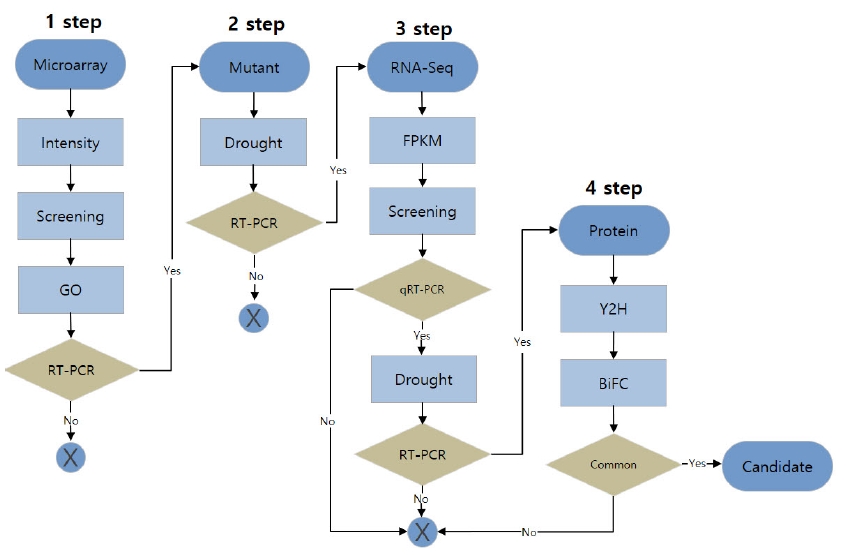
Fig. 2RT-PCR analysis of potato genes differentially expressed under drought conditions. Expression of 14 candidate genes, identified via microarray analysis as differentially expressed under drought conditions, was assessed following two drought-related treatments (10% PEG and 250 mM NaCl) at six time points.
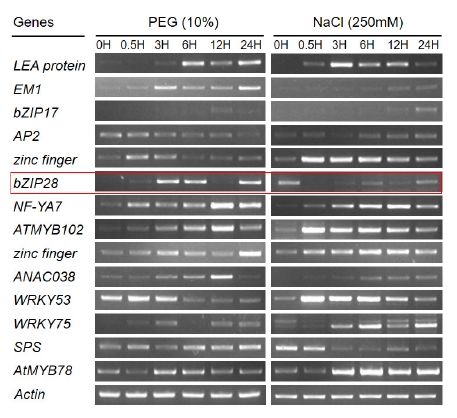
Fig. 3RNA sequencing analysis of Z-3 mutant and wild-type plants under drought-related stress conditions. Z-3 bZIP28-overexpressing and wild-type control plants were subjected to 10 mg/mL TM or 250 mM NaCl treatment for 9 hr. RNA-seq analysis was performed to compare gene expression patterns of mutant and wild-type treated and untreated plants. Volcano plots of differentially expressed genes, showing the magnitude of expression fold change against respective statistical significance values, are shown. The circle represents significantly differentially expressed genes at P < 0.05.
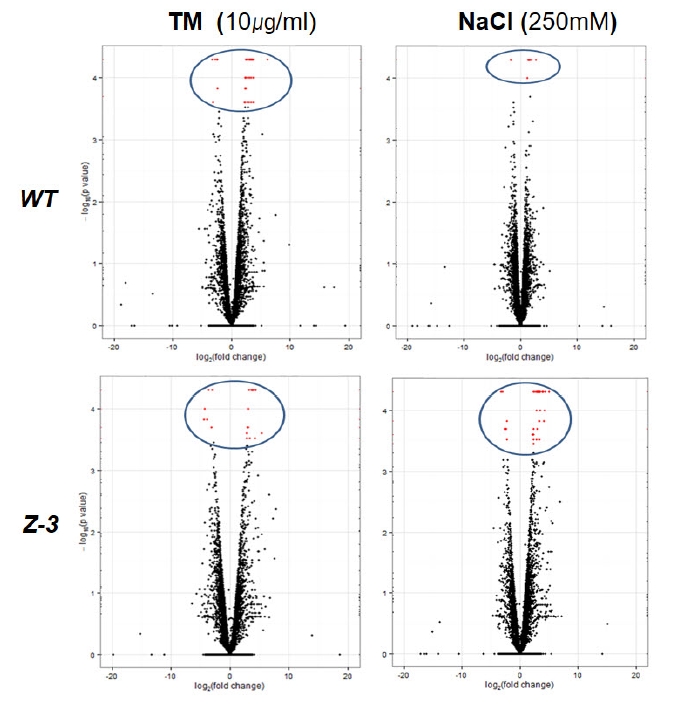
Fig. 4Phylogenetic relationships between potato nuclear factor Y (NF-Y) genes. The six endoplasmic reticulum (ER) stress-responsive genes are underlined with a blue line. The phylogenetic tree was generated with 1,000 bootstrap repetitions.
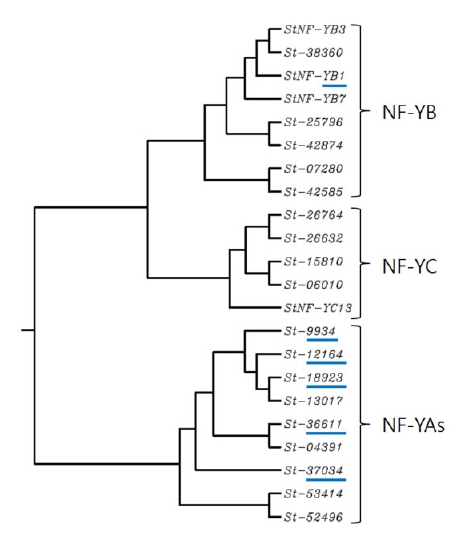
Fig. 5Protein-protein interactions between nuclear factor Y (NF-Y) family members and bZIP28 in potato plants. (A) yeast two-hybrid (Y2H) assays of protein interactions between NF-YA2 and six NF-Y proteins and bZIP28. (B) Y2H assays of interactions between St-9934 and four NF-Y proteins. (C) Subcellular localization signals of interactions between St-9934 and NF-YA2, NF-YA5, or bZIP28, as revealed using bimolecular fluorescence complementation (BiFC) analysis. smGFP was used as a positive control.
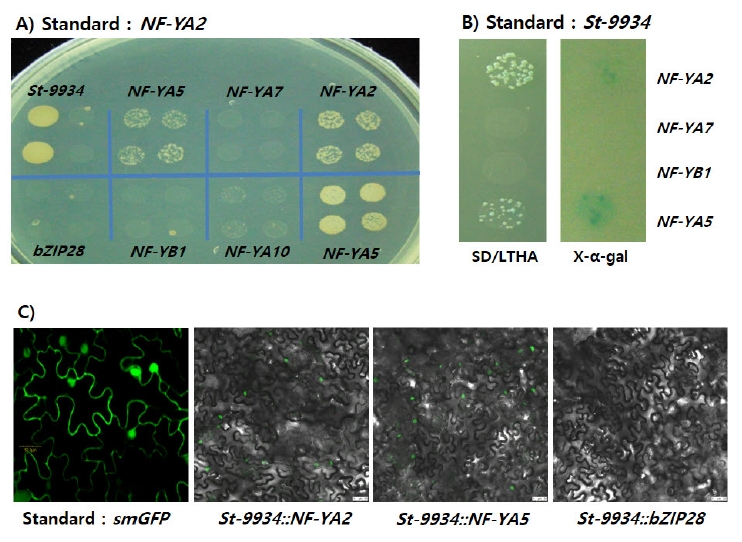
Table 1Overview of RNA-Seq data used in this study.
Table 1
|
Samples |
Reads |
Bases |
N (%) |
GC (%) |
Q20 (%) |
Q30 (%)z)
|
|
WT-None |
33,564,250 |
4,560,636,882 |
0.014 |
52.4 |
84.7 |
74.1 |
|
WT-TMy)
|
33,306,028 |
4,488,808,938 |
0.014 |
51.6 |
85.7 |
75.1 |
|
WT-Naclx)
|
36,322,908 |
4,877,426,659 |
0.013 |
51.5 |
85.8 |
75.1 |
|
Z3-None |
39,475,594 |
5,348,172,991 |
0.014 |
52.1 |
85.7 |
75.3 |
|
Z3-TM |
30,017,188 |
4,047,212,380 |
0.012 |
51.8 |
85.2 |
74.5 |
|
Z3-Nacl |
34,381,490 |
4,646,389,062 |
0.014 |
51.9 |
85.4 |
74.8 |
References
Reference
- Atkinson NJ, Lilley CJ, Urwin PE. 2013. Identification of genes involved in the response of Arabidopsis to simultaneous biotic and abiotic stresses. Plant Physiol.. 162: 2028-2041.
- Gong L, Zhang H, Gan X, Zhang L, Chen Y, Nie F, et al. 2015. Transcriptome profiling of the potato (Solanum tuberosum L.) plant under drought stress and water-stimulus conditions. PLoS One. 10: e0128041
- Hu Y, Dong Q, Yu D. 2012. Arabidopsis WRKY46 coordinates with WRKY70 and WRKY53 in basal resistance against pathogen Pseudomonas syringae
. Plant Sci.. 185: 288-297.
- Hundertmark M, Hincha DK. 2008. LEA (late embryogenesis abundant) proteins and their encoding genes in Arabidopsis thaliana
. BMC Genomics. 9: 118
- Iwata Y, Ashida M, Hasegawa C, Tabara K, Mishiba Ki, Koizumi N. 2017. Activation of the Arabidopsis membrane‐ bound transcription factor bZIP 28 is mediated by site‐2 protease, but not site‐1 protease. Plant J.. 91: 408-415.
- Kahle J, Baake M, Doenecke D, Albig W. 2005. Subunits of the heterotrimeric transcription factor NF-Y are imported into the nucleus by distinct pathways involving importin b and importin 13. Mol. Cell Biol.. 25: 5339-5354.
- Kikuchi A, Huynh HD, Endo T, Watanabe K. 2015. Review of recent transgenic studies on abiotic stress tolerance and future molecular breeding in potato. Breed. Sci.. 65: 85-102.
- Lata C, Mishra AK, Muthamilarasan M, Bonthala VS, Khan Y, Prasad M. 2014. Genome-wide investigation and expression profiling of AP2/ERF transcription factor superfamily in foxtail millet (Setaria italica L.). PLoS One. 9: e113092
- Liu J-X, Srivastava R, Che P, Howell SH. 2007. An endoplasmic reticulum stress response in Arabidopsis is mediated by proteolytic processing and nuclear relocation of a membrane-associated transcription factor, bZIP28. Plant Cell. 19: 4111-4119.
- Liu S, Wang X, Wang H, Xin H, Yang X, Yan J, et al. 2013. Genome-wide analysis of ZmDREB genes and their association with natural variation in drought tolerance at seedling stage of Zea mays L. PLoS Genet.. 9: e1003790
- Magwanga RO, Lu P, Kirungu JN, Lu H, Wang X, Cai X, et al. 2018. Characterization of the late embryogenesis abundant (LEA) proteins family and their role in drought stress tolerance in upland cotton. BMC Genet.. 19: 6
- Monneveux P, Ramírez DA, Pino M-T. 2013. Drought tolerance in potato (S. tuberosum L.): can we learn from drought tolerance research in cereals? Plant Sci. 205: 76-86.
- Na J-K, Huh S-M, Yoon I-S, Byun M-O, Lee Y-H, Lee K-O, et al. 2014. Rice LIM protein OsPLIM2a is involved in rice seed and tiller development. Mol. Breed.. 34: 569-581.
- Na J-K, Kim KH, Seong E-S, Kim B-G, Cho KS, Cho JH, et al. 2017. Overexpression of Nuclear Factor Y subunit StNF-YA7 enhances drought tolerance in potato. Hortic. Environ. Biote.. 58: 170-177.
- Nawkar GM, Lee ES, Shelake RM, Park JH, Ryu SW, Kang CH, et al. 2018. Activation of the transducers of unfolded protein response in plants. Front. Plant Sci.. 9: 214
- Nguyen T, Klueva N, Chamareck V, Aarti A, Magpantay G, Millena A, et al. 2004. Saturation mapping of QTL regions and identification of putative candidate genes for drought tolerance in rice. Mol. Genet. Genomics. 272: 35-46.
- Obidiegwu JE, Bryan GJ, Jones HG, Prashar A. 2015. Coping with drought: stress and adaptive responses in potato and perspectives for improvement. Front. Plant Sci.. 6: 542
- Ritchie ME, Phipson B, Wu D, Hu Y, Law CW, Shi W, et al. 2015. limma powers differential expression analyses for RNA-sequencing and microarray studies. Nucleic Acids Res.. 43: e47
- Robinson MD, McCarthy DJ, Smyth GK. 2010. edgeR: a Bioconductor package for differential expression analysis of digital gene expression data. Bioinformatics. 26: 139-140.
- Schwerin M, Kuehn C, Wimmers S, Walz C, Goldammer T. 2006. Trait‐associated expressed hepatic and intestine genes in cattle of different metabolic type-putative functional candidates for nutrient utilization. J. Anim. Breed. Genet.. 123: 307-314.
- Sharma SK, Bolser D, de Boer, Sønderkær M, Amoros W, Carboni MF, et al. 2013. Construction of reference chromosome-scale pseudomolecules for potato: integrating the potato genome with genetic and physical maps. G3 (Bethesda). 3: 2031-2047.
- Shi X, Zhang C, Liu Q, Zhang Z, Zheng B, Bao M. 2016. De novo comparative transcriptome analysis provides new insights into sucrose induced somatic embryogenesis in camphor tree (Cinnamomum camphora L.). BMC Genomics. 17: 26
- Sprenger H, Erban A, Seddig S, Rudack K, Thalhammer A, Le MQ, et al. 2018. Metabolite and transcript markers for the prediction of potato drought tolerance. Plant Biotechnol. J.. 16: 939-950.
- Srivastava R, Deng Y, Howell SH. 2014. Stress sensing in plants by an ER stress sensor/transducer, bZIP28. Front. Plant Sci.. 5: 59
- Tian ZD, Zhang Y, Liu J, Xie CH. 2010. Novel potato C2H2‐type zinc finger protein gene, StZFP1, which responds to biotic and abiotic stress, plays a role in salt tolerance. Plant Biol. (Stuttg). 12: 689-697.
- Tranchevent L-C, Ardeshirdavani A, ElShal S, Alcaide D, Aerts J, Auboeuf D, et al. 2016. Candidate gene prioritization with Endeavour. Nucleic Acids Res.. 44: W117-W121.
- Trapnell C, Hendrickson DG, Sauvageau M, Goff L, Rinn JL, Pachter L. 2013. Differential analysis of gene regulation at transcript resolution with RNA-seq. Nat. Biotechnol.. 31: 46
- Vinocur B, Altman A. 2005. Recent advances in engineering plant tolerance to abiotic stress: achievements and limitations. Curr. Opin. Biotech.. 16: 123-132.
- Wayne ML, McIntyre LM. 2002. Combining mapping and arraying: an approach to candidate gene identification. Proc. Natl. Acad. Sci. U.S.A.. 99: 14903-14906.
- Weisschuh N, Alavi MV, Bonin M, Wissinger B. 2007. Identification of genes that are linked with optineurin expression using a combined RNAi-microarray approach. Exp. Eye Res.. 85: 450-461.
- Woldesemayat AA, Modise DM, Gemeildien J, Ndimba BK, Christoffels A. 2018. Cross-species multiple environmental stress responses: An integrated approach to identify candidate genes for multiple stress tolerance in sorghum (Sorghum bicolor (L.) Moench) and related model species. PLoS One. 13: -e0192678.
- Woldesemayat AA, Van Heusden, Ndimba BK, Christoffels A. 2017. An integrated and comparative approach towards identification, characterization and functional annotation of candidate genes for drought tolerance in sorghum (Sorghum bicolor (L.) Moench). BMC Genet.. 18: 119
- Young LJ. 2001. Oxytocin and vasopressin as candidate genes for psychiatric disorders: lessons from animal models. Am. J. Med. Genet.. 105: 53-54.
- Zhu M-J, Li X, Zhao S-H. Webb M.. 2010. Digital candidate gene approach (DigiCGA) for identification of cancer genes, p.
- Zhu M, Zhao S. 2007. Candidate gene identification approach: progress and challenges. Int. J. Biol. Sci.. 3: 420-427.