Abstract
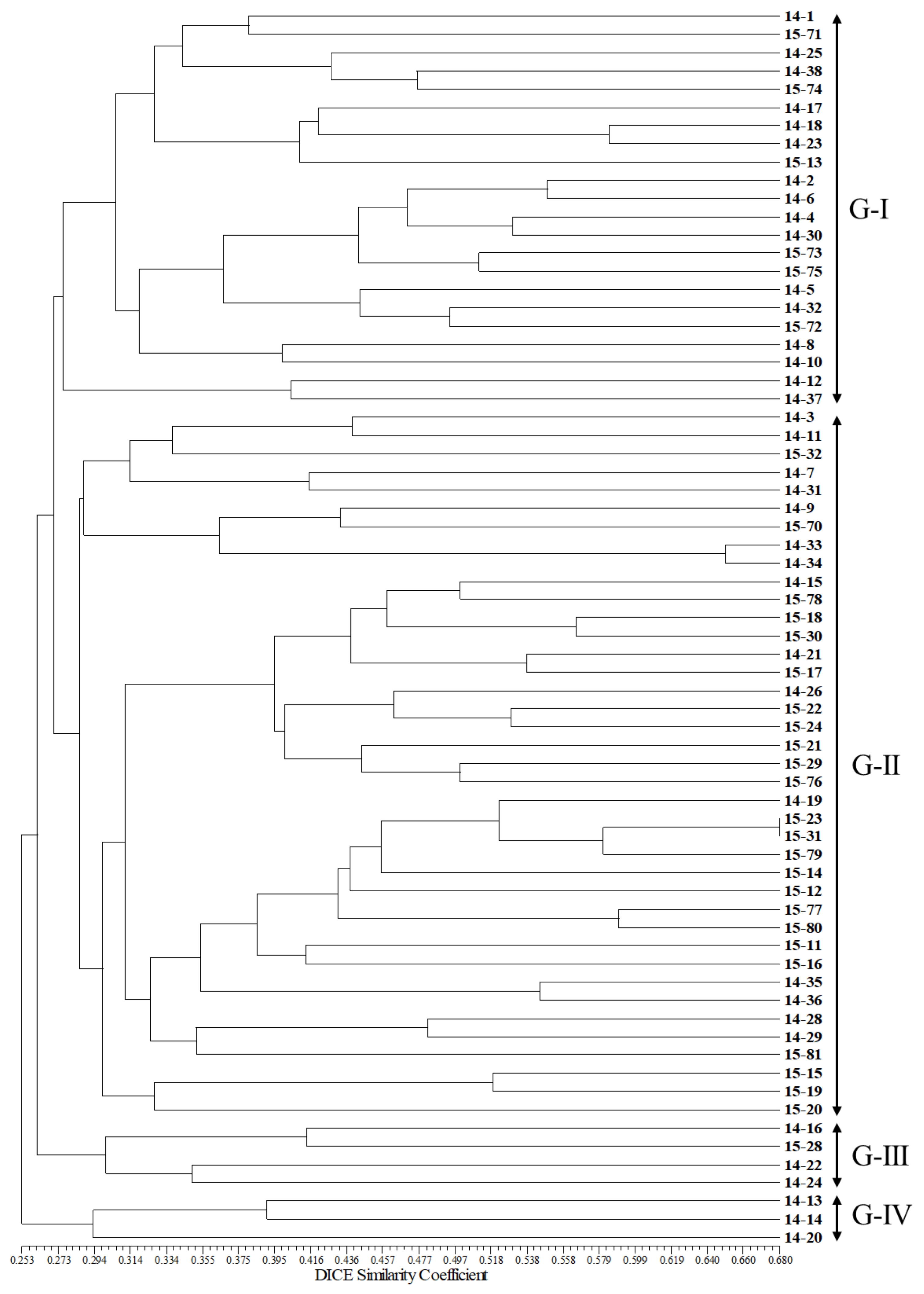
We selected 68 Chinese maize inbred lines to understand the genetic diversity, population structure, and marker-trait associations for eight agronomic traits and 50 simple sequence repeats (SSRs) markers. In this study, effective traits, such as days of anthesis (DA), days of silking (DS), ear height (EH), plant to ear height ratio (ER), plant height (PH), and leaf width (LW) were divided into PC1 and PC2 by PCA analysis for maize inbred lines. Genetic diversity analysis revealed a total of 506 alleles at 50 SSR loci. The mean number of alleles per locus was 10.12. The averages of genetic diversity (GD) and polymorphic information content (PIC) values were 0.771 and 0.743, respectively. Based on a membership probability threshold of 0.80, the population structure revealed that the total inbred lines were divided into three major groups with one admixed group. A marker-trait association using Q + K MLM showed that nine SSR markers (bnlg1017, umc2041, umc2400, bnlg105, umc1229, umc1250, umc1066, umc2092, and umc1426) were related with seven agronomic traits. Among these SSR markers, eight SSR markers were associated with only one agronomic trait (DA, DS, ER, LL, LW, PH, and ST), whereas one SSR marker (umc1229) was associated with two agronomic traits (DA and ST). These results will help in optimizing the choice of inbred lines for cross combinations, as well as in selecting markers for further maize breeding programs.
-
Key words: Maize inbred lines, Genetic diversity, Association analysis, Population structure, Agronomic traits
INTRODUCTION
Maize (
Zea mays L.) is one of the valuable agriculture crops grown widely in the world. Maize has high economic importance as it is a major staple food, feedstock, biofuel, and raw ingredient for industrial purposes. For breeding crop plants, characterization of genotypes, assessment of genetic diversity, and genetic relationship studies are important (
Bharadwaj 2018). Contributing factors for maize yield are vital for increasing total maize grain production (
Sangoi 2001); and, with global population increasing substantially, the food security issue is becoming a primary concern (
Godfray et al. 2010). The primary goal of maize breeders is to improve maize yield related attributes as the demand for maize will increase exponentially in the coming years (
Fisher et al. 2015). The basic steps for overcoming the growing population are to develop new inbred lines and accessions. Selecting prospective parent lines is a prerequisite for hybrid development. Heterosis is likely to depend on the nature of the genetic divergence of parental lines (
Saxena et al. 2010). Maize breeders are consistently emphasizing the importance of diversity among maize parental genotypes, which makes a significant contribution to obtaining heterotic hybrids (
Azad et al. 2012).
In conventional breeding programs, the genetic relationship and gene diversity among inbred lines or accessions are evaluated based on the pedigree of the inbred lines, morphophysiological characters, and the extent of heterosis expressed in the hybrid (
Lasley et al. 1994). Measured agronomic traits such as plant height, ear height, leaf length, and leaf width are indirect traits for grain yield and production as these traits affect plant growth and density. These traits are considered as important phenotypic characteristics by breeders for the development of new varieties. Besides, the ratio of plant height to ear height is directly related to plant lodging resistance. Maize plants having lower ear height may be resistant to lodging; however, genetic mechanisms controlling plant height and ear height may be different (
Wei et al. 2016). Crop production has been increased markedly with improvement of lodging resistance (
Farkhari et al. 2013). In recent decades, plant height has been a major breeding target because it is directly related with plant canopy photosynthesis, yield, and forage biomass as well as being related to lodging resistance (
Cai et al. 2012).
Meanwhile, conventional breeding has numerous limitations, for example morphophysiological characters do not reflect the exact genetic relationship as gene and environment interactions influence plant growth and development (
Breseghello and Coelho 2013). In addition, the pedigree data of inbred lines requires precise documentation (
Parker et al. 2002) and much time and money is required to find appropriate test crosses using several testers (
Morris et al. 2003). An understanding of the genetic diversity and population structure among inbred lines would make a significant contribution to the development and release of new varieties because it is useful for allocating lines for heterotic groups, arranging crosses for inbred lines and hybrids, and maintaining plant genomes (
Zhang et al. 2018). Similarly, knowledge of genetic diversity and the gene relationships of inbred lines ensures that plant breeders are able to establish a wide genetic approach for sustainable genetic improvement along with identification of genotypes having better performance on phenotypic characters for the development of improved varieties and cultivars (
Warburton et al. 2008).
In maize breeding programs, improving yield and other quality attributing factors is difficult because they are controlled by polygenes that have low inheritance (
Langade et al. 2013). As conventional breeding depends only on phenotypic characterization, which is difficult to measure and requires a long time, marker assisted selection (MAS) provides a platform for improvement of crop plants by selecting appropriate phenotypes based on their genetic composition (
Collard et al. 2005). Recently, association analysis has enabled identification of different marker-trait associations that have numerous advantages over those previously identified along with reduction of experimental time and cost (
Flint-Garcia et al. 2005;
Yu and Buckler 2006). Therefore, association analysis is used extensively for a variety of crops (
Borba et al. 2010;
Xue et al. 2013;
Hu et al. 2014). Molecular markers have been widely used for quantitative trait loci (QTL) mapping and association studies, marker-assisted selection (MAS) for breeding and genetic research, and gene cloning (
Mohan et al. 1997). Among polymerase chain reaction (PCR) based markers, microsatellite, or simple sequence repeat (SSR), is the most popular marker in genetics research and is a codominant marker having short nucleotide sequences (1–6) containing high polymorphism with a large number of alleles per locus (
Ditta et al. 2018). It has been successfully used for plant crop characterization and studies of genetic diversity and gene association analysis (
Kalivas et al. 2011).
In a preliminary survey, we collected commercial maize cultivars in China with the aim of exporting maize to China. To understand genetic diversity, 68 maize cultivars that are commercially available in the Nanjing, Beijing, Dandong, and Yanbian areas in China were selected for analysis. Then this study was conducted to assess genetic diversity and relationships and population structure as well as to determine associations between 50 SSR markers and eight agronomic traits using the 68 Chinese maize inbred lines. The study explored genetic diversity and marker-trait association of Chinese maize inbred lines, which may help maize breeders to use available germplasm resources for breeding and broadening the genetic population.
MATERIALS AND METHODS
Plant materials and phenotypic evaluation
We studied 68 Chinese maize cultivars collected from China, and these were deposited in the National Agrobio-diversity Center, Rural Development and Administration, Jeonju, Republic of Korea, for permanent seed preservation. Commercial maize cultivars collected in China have been developed as inbred lines through self-correction for more than 4 years in order to use them as breeding materials for breeding. The entry number and pedigree of the 68 Chinese maize inbred lines are listed in
Table 1. To evaluate the phenotypic variation of Chinese maize inbred lines, five individuals of each accession were grown using a completely randomized block design method with two replicates and 70 × 25 cm spacing at Kangwon National University Research Center, Chuncheon, Korea, in 2018. This study assessed eight agronomic traits, namely days of anthesis (DA), days of silking (DS), plant height (PH), ear height (EH), plant to ear height ratio (ER), stem thickness (ST), leaf length (LL), and leaf width (LW) (
Table 2).
Maize genomic DNA was extracted from young leaves following the protocol of
Dellaporta et al. (1983) with minor modifications. DNA concentration was measured using a spectrophotometer (Colibri, Titertek-Berthold, Pforzheim, Germany). The 50 SSR markers used in this study are polymorphic and distributed across the 10 maize chromosomes, and their characteristics were obtained from the maize database (
http://www.maizeGDB.com). For each sample, PCR amplifications were performed in a total volume of 20 μL containing 20 ng genomic DNA. The PCR profiles were obtained with an initial denaturation step at 94°C for 4 minutes, followed by 25 cycles of denaturation at 94°C for 10 seconds, primer annealing at 65°C for 20 seconds, extension at 72°C for 1 minute, and finally heating at 72°C for 3 minutes. DNA electrophoresis analysis was performed through QIAxcel advanced system (QIAGEN Co., Hilden, Germany) following the protocol described in the QIAxcel DNA Handbook. The samples were run on a QIAxcel advanced electrophoresis system and separation of samples was obtained in 15 minutes. Gel images were obtained as the results, and the quantification analysis was carried out through QIAxcel software. The results were displayed as gel image and electropherogram as obtained from QIAxcel advanced system software.
Correlations between agronomic traits were conducted using SPSS version 23 (SPSS Inc., New York, USA). To calculate a diversity index such as gene diversity (GD) and polymorphic information content (PIC), this study used Power marker version 3.25 (
Liu and Muse 2005). The genetic similarities (GS) were calculated for each pair of lines using the Dice similarity index (
Dice 1945). The similarity matrix was then used to construct an Unweighted Pair Group Method with an Arithmetic Mean Algorithm (UPGMA) dendrogram with the help of SAHN-clustering from NTSYSpc version 2.1 (
Rohlf 2000). In addition, a principal component analysis (PCA) was carried out to estimate relationships for phenotypic variance among maize inbred lines using the NTSYSpc software package (
Rohlf 2000).
We used the model-based program STRUCTURE 2.2 (
Pritchard et al. 2003) to analyze the population structure for the 68 Chinese maize inbred lines. The membership coefficient of each cluster (K) at each subpopulation was processed for five times ranging from 1–10 using an admixture model. For each run, burn-in and run length were set to 100,000. With the purpose of compensating for the overestimation of subgroups, ad hoc criterion (ΔK) was used as mentioned by
Evanno et al. (2005) for finding the most probable K value. The run of estimated subgroups containing maximum likelihood was assigned to clusters. Maize inbred lines with membership probabilities < 0.80 were assigned to a mixed group (
Wang et al. 2008). Association analysis was performed for marker-trait association using TASSEL 3.0 (
Bradbury et al. 2007). We used a Q + K mixed linear model (MLM), which used a kinship K matrix and the population-structure Q matrix at
P < 0.05.
RESULTS
Phenotypic characterization and correlation analysis
Phenotypic evaluation of eight agronomic traits in 68 Chinese maize inbred lines is shown in
Table 2. In 68 inbred lines, the average value of DA was 70.3 ± 4.3 days, ranging from 60.0 to 80.0 days. The DS value ranged from 66.0 to 84.0 days, with an average of 72.7 ± 4.0 days. The average PH value was 165.9 ± 25.8 cm, ranging from 123.0 cm to 249.6 cm. The EH value ranged from 29.6 cm to 98.8 cm, with an average of 58.0 ± 14.0 cm. The average ER value was 35.1 ± 7.9%, ranging from 21.4% to 63.7%. The ST value ranged from 1.0 cm to 3.5 cm, with an average of 2.1 ± 0.6 cm. The LL value ranged from 42.9 cm to 78.8 cm, with an average of 64.7 ± 6.4 cm. The LW value ranged from 5.2 cm to 10.1 cm, with an average of 7.4 ± 1.1 cm.
We carried out a correlation analysis among eight agronomic traits in 68 Chinese maize inbred lines (
Table 2). Among all the combinations, the combinations of DA and DS (0.792**), DS and ER (0.338**), PH and EH (0.485**), EH and ER (0.780**), and LL and LW (0.340**) showed a statistically significant positive correlation at the 0.01 significance level. In addition, the DA and EH (0.259*), DA and ER (0.389*), PH and LL (0.271*), and EH and LL (0.303*) combinations showed a statistically significant positive correlation at the 0.05 significance level (
Table 2).
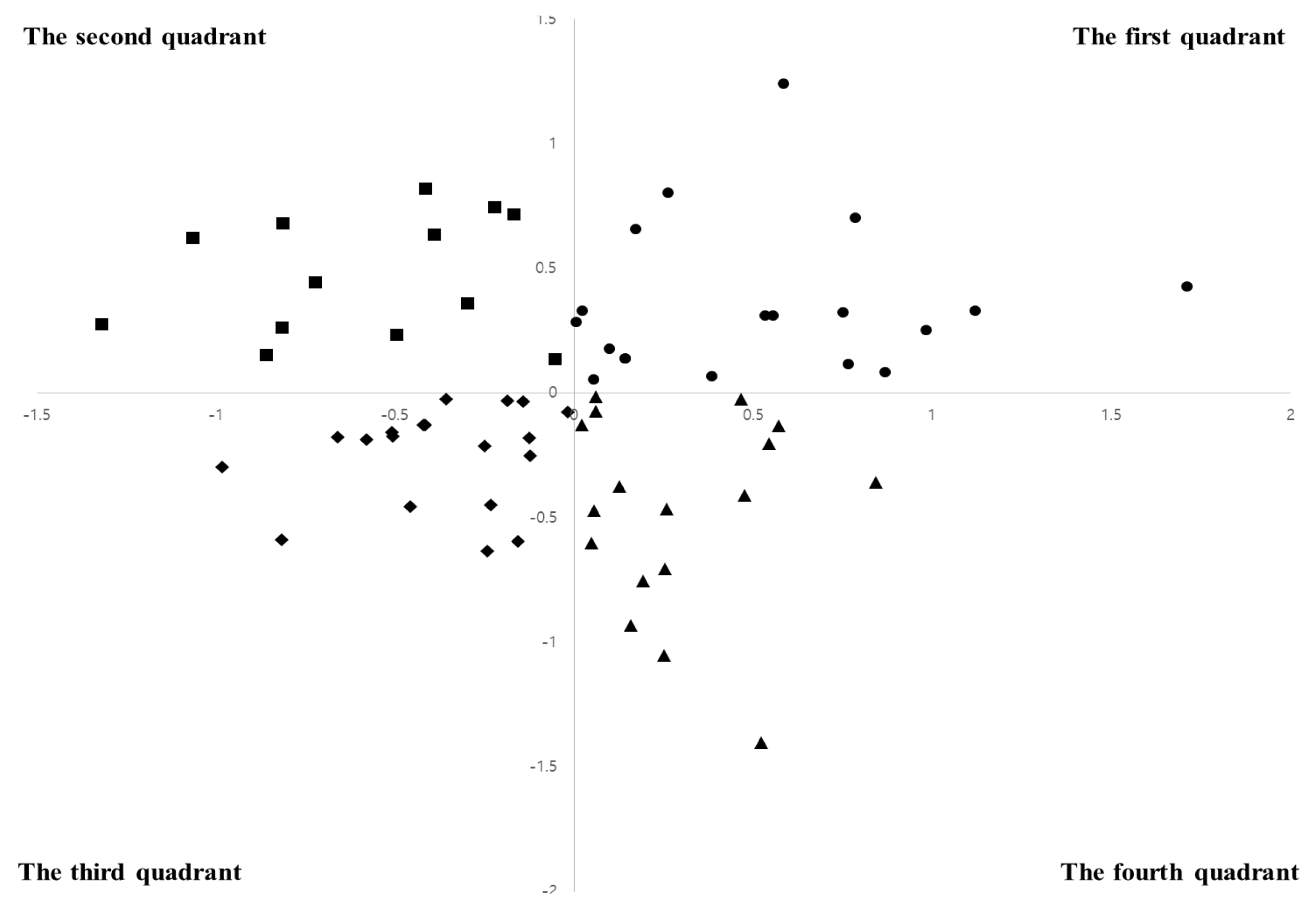
Principal component analysis (PCA) was used to evaluate the differentiation among the 68 maize inbred lines. The first and second principal components accounted for 31.808% and 23.733% of the total variance, respectively (
Table 3). Among all traits, three traits, DA (0.747), EH (0.759), and ER (0.736), greatly contributed to the positive direction of the principal components I (PC1), whereas the PH (−0.735) and LW (−0.718) traits remarkably contributed to the negative direction of the principal components II (PC2) (
Table 3). A scatter diagram of four quadrants is represented in
Fig. 1 based on PC1 and PC2 for the 68 maize inbred lines.
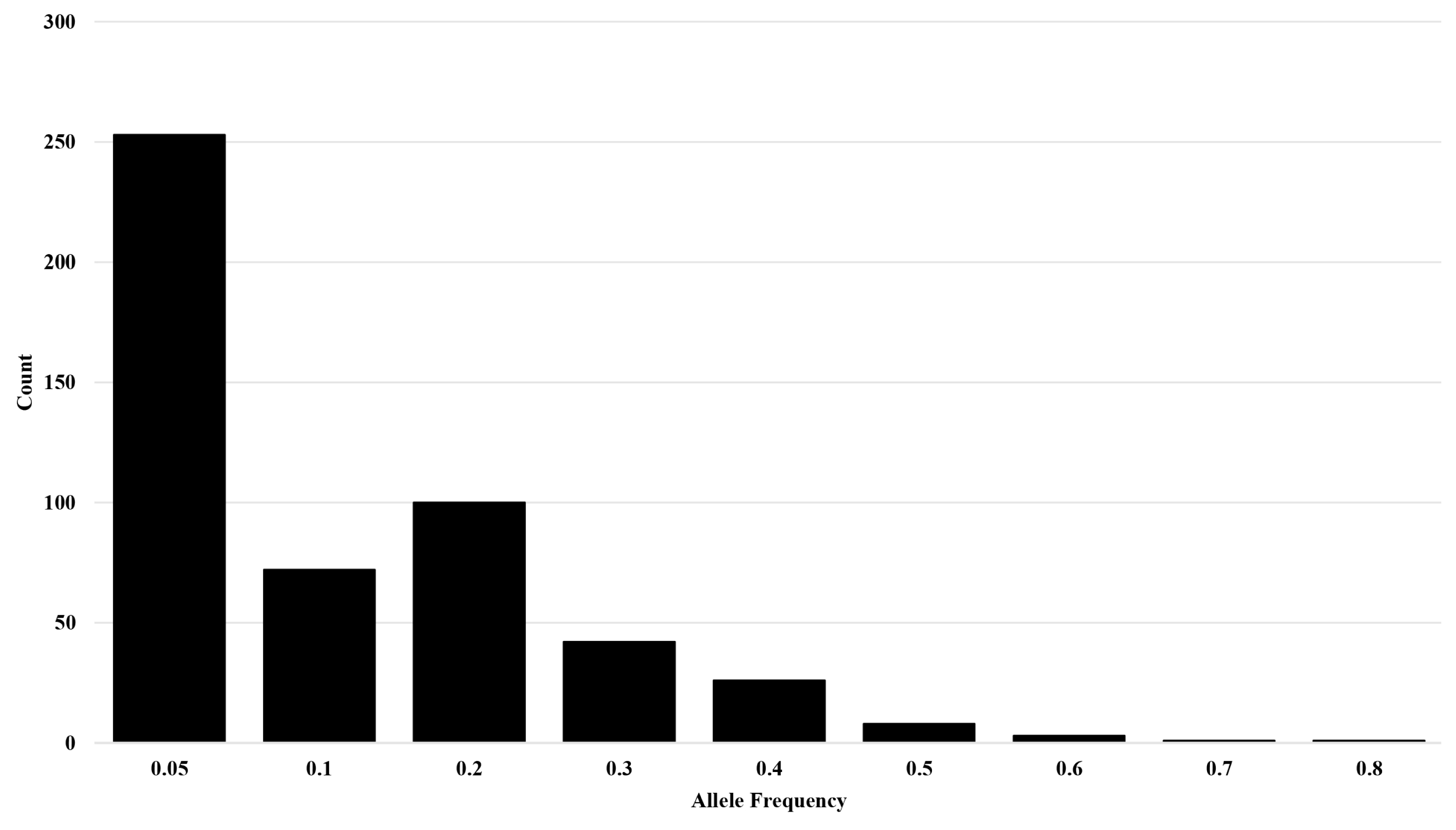
In our study, a total of 50 SSR loci were used to calculate the major allele frequency (MAF), gene diversity (GD), polymorphic information content (PIC), number of alleles, and allele frequency (f) among 68 Chinese maize inbred lines (
Table 4,
Fig. 2). A total of 506 alleles were found in 68 maize inbred lines. The number of alleles per locus ranged from 4 to 17 with an average value of 10.12 (
Table 4). The major allele frequency mean value was 0.350 and ranged from 0.147 to 0.779, whereas the genetic diversity ranged from 0.356 to 0.910 with a mean value of 0.771. PIC for each locus ranged from 0.311 to 0.903 with a mean value of 0.743 (
Table 4). Among 506 alleles, 253 private alleles (f < 0.1) were identified in 68 inbred lines, which comprised 50% of the total alleles (
Fig. 2). Similarly, the intermediate (f 0.1–0.5) alleles consisted of 248 alleles (49.01%), and abundant alleles (f > 0.5) consisted of 5 alleles (0.99%) (
Fig. 2).
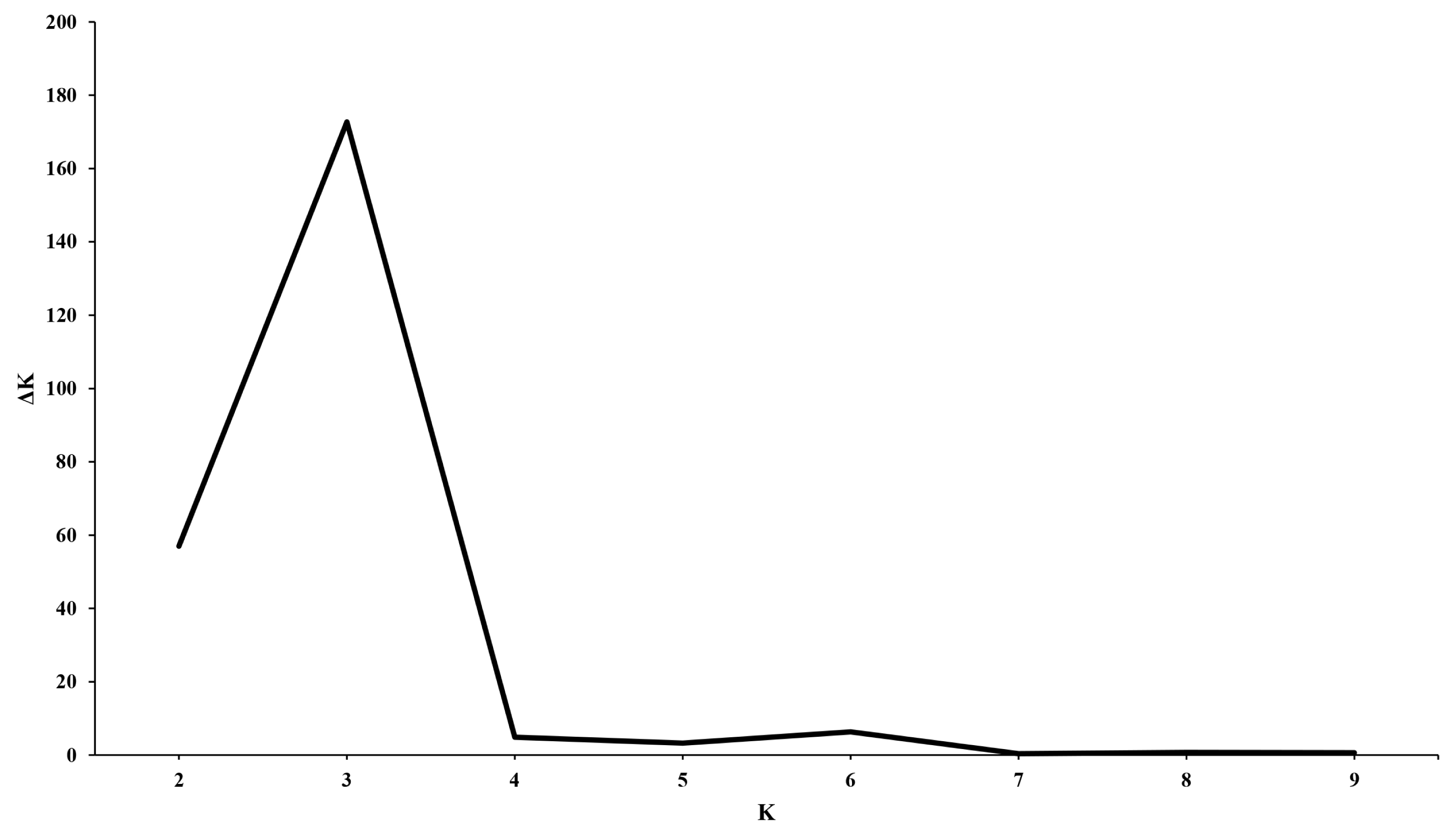
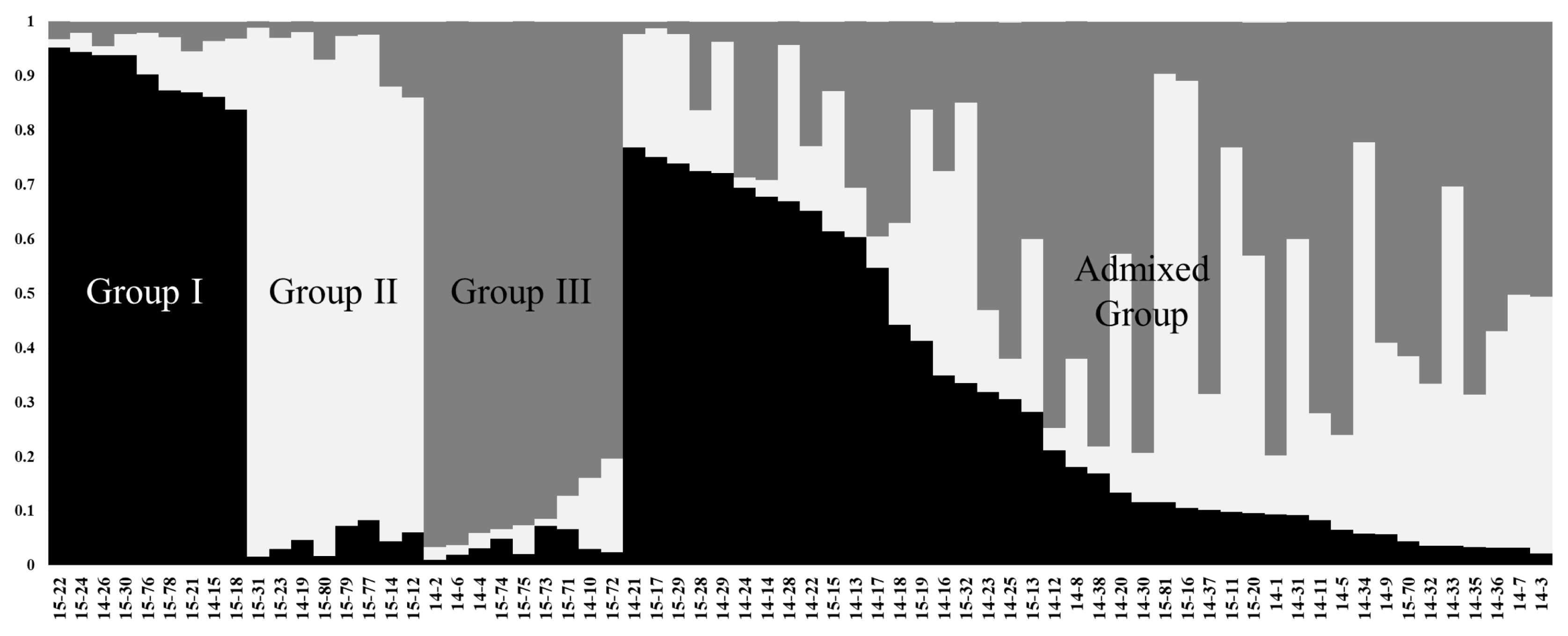
For all the Chinese maize inbred lines, the highest Δ
K value was observed for K = 3 (
Fig. 3). Based on the membership probability threshold of over 0.80, the whole inbred lines were divided into groups I, II, III, and an admixed group. Nine maize inbred lines were assigned to each of group I and group III, eight maize inbred lines were assigned to group II, and the remaining 42 maize inbred lines were contained in the admixed group (
Fig. 4). The dendrogram of the 68 maize inbred lines developed by UPGMA analysis is presented in
Fig. 5. In accordance with the UPGMA analysis, the 68 Chinese inbred lines were separated into four groups with a genetic similarity of 27.3%. Group I contained 22 maize inbred lines, group II included 39 maize inbred lines, group III contained four maize inbred lines, and group IV only contained three maize inbred lines.
Association analysis between 50 SSR marker sets and eight phenotypic traits in the 68 Chinese maize inbred lines was performed using a Q and K matrix (Q + K MLM) at the 0.05 significance level. In nine SSR markers (bnlg1017, umc2041, umc2400, bnlg105, umc1229, umc1250, umc1066, umc2092, and umc1426), all agronomic traits except EH were involved in marker-trait associations (
Table 5). Among ten marker-trait associations, eight SSR markers were associated with only one trait, whereas SSR marker umc1229 was associated with DA and ST. Among ten marker-trait associations, the highest
R2 was found in umc1229 associated with stem thickness (
R2 = 78.5), while the lowest
R2 was detected in umc2092 associated with plant height (
R2 = 14.8).
DISCUSSION
Knowledge of morphological variation, genetic diversity and relationships, and population structure is the most useful information for developing new elite varieties or inbred lines in crop breeding programs. Morphological characterization is the most basic method to evaluate genetic variation and diversity in plant breeding programs. For the assessment of phenotypic variation, a total of eight agronomic traits were measured in 68 maize inbred lines. PCA analysis used eight traits to confirm effective traits for dividing the 68 maize inbred lines. Among all the traits, five traits (DA, EH, ER, PH, and LW) greatly contributed to PC1 and PC2 (
Table 3). Thus, these traits may be considered as helpful traits for differentiating between the Chinese maize inbred lines. Flowering time is an important trait for crop yield as well as crop distribution. Major traits associated with flowering time are DA and DS. Too-short or too-long DA and DS may have a risk of final yield loss or damage from low-temperatures in northern regions, respectively (
Yang et al. 2007). Therefore, flowering time is an important trait in maize breeding programs. In addition, plant height (PH), ear height (EH), and plant to ear height ratio (ER) are direct factors for maize crop yield, plant density, and lodging resistance (
Zhang et al. 2011). In general, plants with higher PH, EH, and ER had weak lodging resistance in maize. Based on PC1 and PC2 (
Fig. 1), most accessions with longer DA and DS and higher EH and ER occupied the positive side of PC1, whereas accessions with higher PH were placed on the negative side of PC2. These results of our accessions are offered as information for selecting suitable breeding materials for improvement of traits related to flowering time, PH, EH, and ER.
Genetic diversity is estimated throughout the all-natural gene pool to find polymorphisms along with evaluating phenotypic distribution (
Ewens and Spielman 2001). Genetic distances and diversity information have been used to predict hybrid performance. For example, previous studies observed a high correlation between genetic distance and hybrid performance (
Ajmone-Marsan et al. 1998). SSR markers help to confirm genetic diversity and population structure of plant materials and genetic resources (
Powell et al. 1996). Thus, 50 SSR loci for all maize chromosomes were used to evaluate the genetic diversity and population structure of the 68 maize inbred lines in this study. The results showed that the 68 inbred lines contained a total of 506 alleles with an average of 10.12 alleles per locus and the average values of GD and PIC were 0.771, and 0.743, respectively. The plant materials collected from China appears to have high genetic variation and diversity. Chinese common maize inbred lines are influenced by the environment and human-driven selection and possess a high range of genetic diversity (
Hao et al. 2015). Several previous studies have suggested that waxy maize originated from Southwestern China (
Zheng et al. 2013). There is a higher genetic diversity of waxy maize in various agronomic traits in those regions, which indicates that China is the center of diversity and origin for waxy maize (
Liu et al. 2005;
Tian et al. 2009).
Gaining knowledge on the population structure and genetic diversity of maize inbred lines would make a notable contribution to maize improvement programs (
Liu et al. 2003). In our study, the population structure of 68 Chinese maize inbred lines was investigated by using a model based clustering method (STRUCTURE) and distance based phylogenetic methods (NTSYS). The model based clustering method revealed K = 3 as a maximum ΔK value and the inbred lines were divided into groups I, II, III, and an admixed group. Groups I, II, and III supported the presence of three genetically distinct groups in the 68 Chinese inbred lines and the admixed group revealed that a few inbred lines are of mixed pedigree, possibly because of introgression of gene when developing the inbred line. The phylogenetic relationship was developed using UPGMA clustering analysis, and the 68 inbred lines were clustered into four major groups (I, II, III, and IV) with 27.2% genetic similarity (
Fig. 5). As Chinese maize inbred lines do not have their pedigree and ancestral records, the structural information obtained from this study will be important in selecting similar genetic populations for further study. In our study, a two model-based clustering method (STRUCTURE, NTSYS) revealed that 68 Chinese maize inbred lines were divided into four groups. The results of this study will provide useful information to breeders for composition of crossbreeding and inbred line selection, etc., even though there were differences in the identification of the inbred line of each group.
Choice of plant materials for association analysis is one of the prime factors to be considered for obtaining successful association analysis. As suggested by
Malosetti et al. (2007), good examples of plant populations used in genetic association analysis are mostly taken from breeding pools or existing breeding lines and germplasms. The materials in this study were breeding lines, and the variation and GD of these maize materials indicated that they are well suited for genetic association analysis. Association analysis is the study of a genetic population to identify their marker-trait associations based on linkage disequilibrium (
Dinges et al. 2001). The study of association analysis provides a background for germplasm selection as the genetic variation under this study will increase quantitatively and qualitatively because of the presence of more than two alleles at each locus (
Abdurakhmonov and Abdukarimov 2008). For association analysis, an association panel was used by using a mixed linear model of a Q and K matrix. This model can reduce Type I error in association mapping even in complex families and pedigrees (
Upadhyaya et al. 2012). The Q + K MLM model using population structure and kinship identified eight markers (bnlg1017, umc2041, umc2400, bnlg105, umc1250, umc1066, umc2092, and umc1426) associated with only one trait whereas one marker (umc1229) was associated with two traits (
Table 5). Some SSR markers used in this study have been mentioned by other association analysis or QTL mapping studies. The marker umc1229 detected in DA and ST in this study is linked to QTLs of ear length (
Austin and Lee 1996) and plant height (
Bohn et al. 1997). The marker umc2400 related to DA in the present study is mentioned by
Osman et al. (2013) for the QTLs related to PH and root dry weight. In addition, the present study identified marker umc2041 related to ER, and this marker is considered to be an important marker for association analysis because it is related to QTL for ear length, kernel number, and grain yield (
Wei et al. 2016) as well as coleoptile length (
Zhang et al. 2012). Likewise, the umc1250 marker associated in the present study with LL was cited by
Sa et al. (2015) as a significant marker for pericarp thickness and by
Ma et al. (2007) for kernel weight. In a previous report by
Benke et al. (2014), umc2092 was associated with shoot water content, but in the present study it was associated with PH. Moreover, the bnlg105 marker associated with ST in this study was linked with the QTL of days to pollen shedding, kernel moisture, and kernel weight by
Frascaroli et al. (2009). These studies suggest that individual SSR markers interact differently for quantitative traits depending upon maize genetic composition and environmental conditions.
ACKNOWLEDGEMENTS
This study was supported by the Golden Seed Project (No. 213009-05-1-WT821, PJ012650012017), Ministry of Agriculture, Food, and Rural Affairs (MAFRA), Ministry of Oceans and Fisheries (MOF), Rural Development Administration (RDA), and Korea Forest Service (KFS), Republic of Korea.
Fig. 1Scatter diagram of 68 maize inbred lines based on principal components I (PC1) and II (PC2).
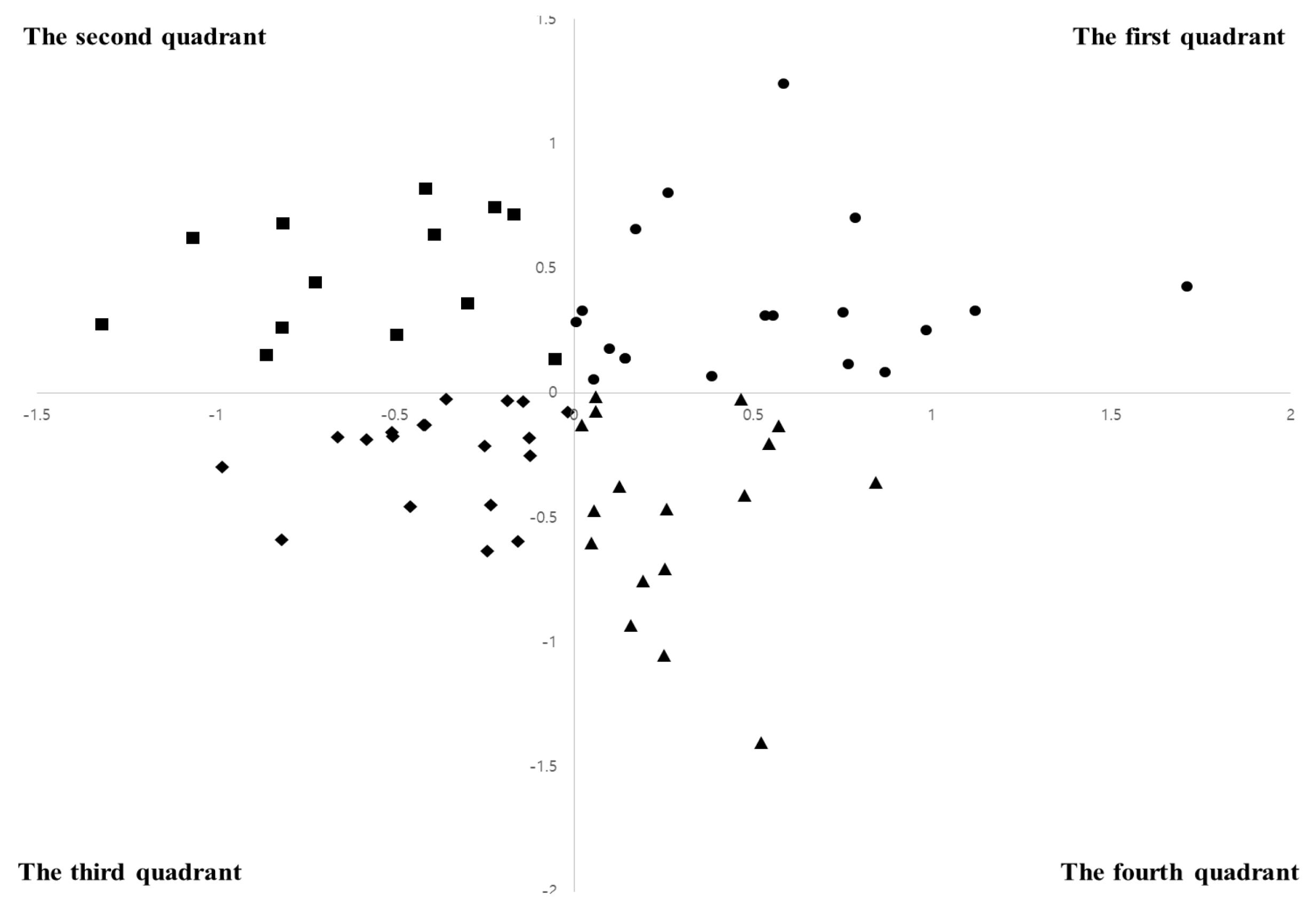
Fig. 2Histogram of frequencies of alleles for 506 alleles in 68 Chinese maize inbred lines.
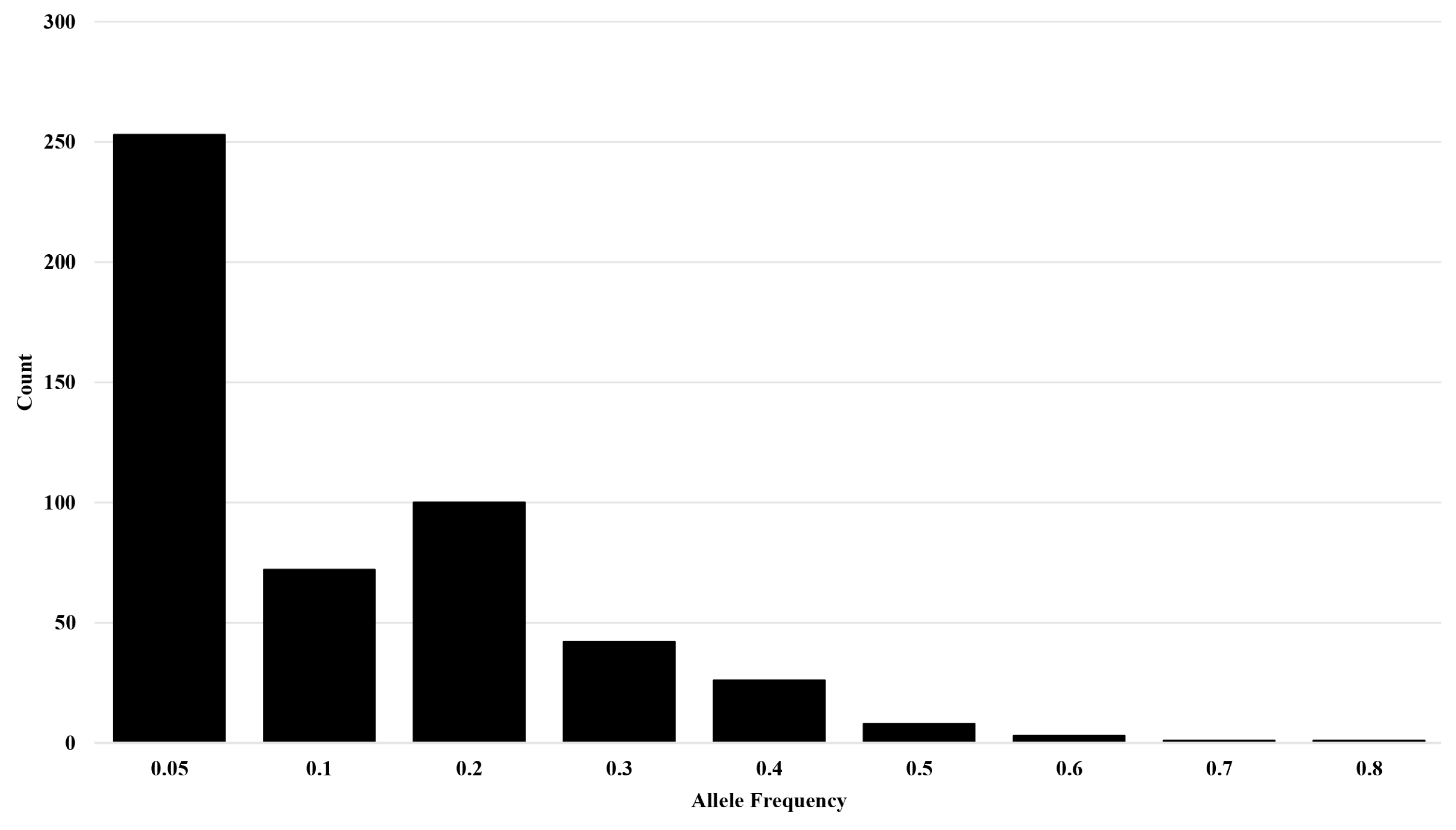
Fig. 3Rate of change in log probability of data between true K values (ΔK).
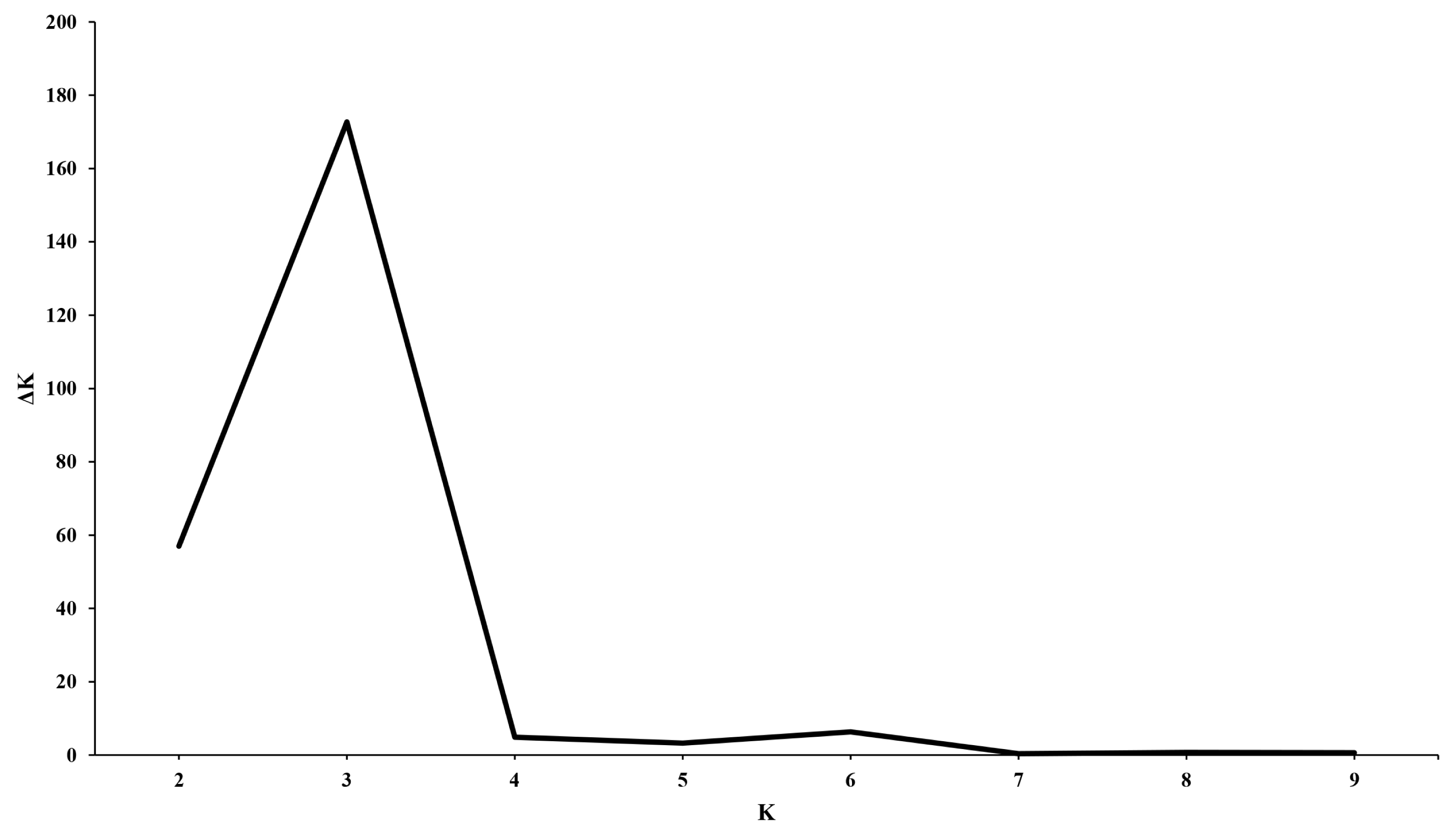
Fig. 4Assignment of 68 Chinese maize inbred lines to K = 3 by population structure using 50 SSR markers.
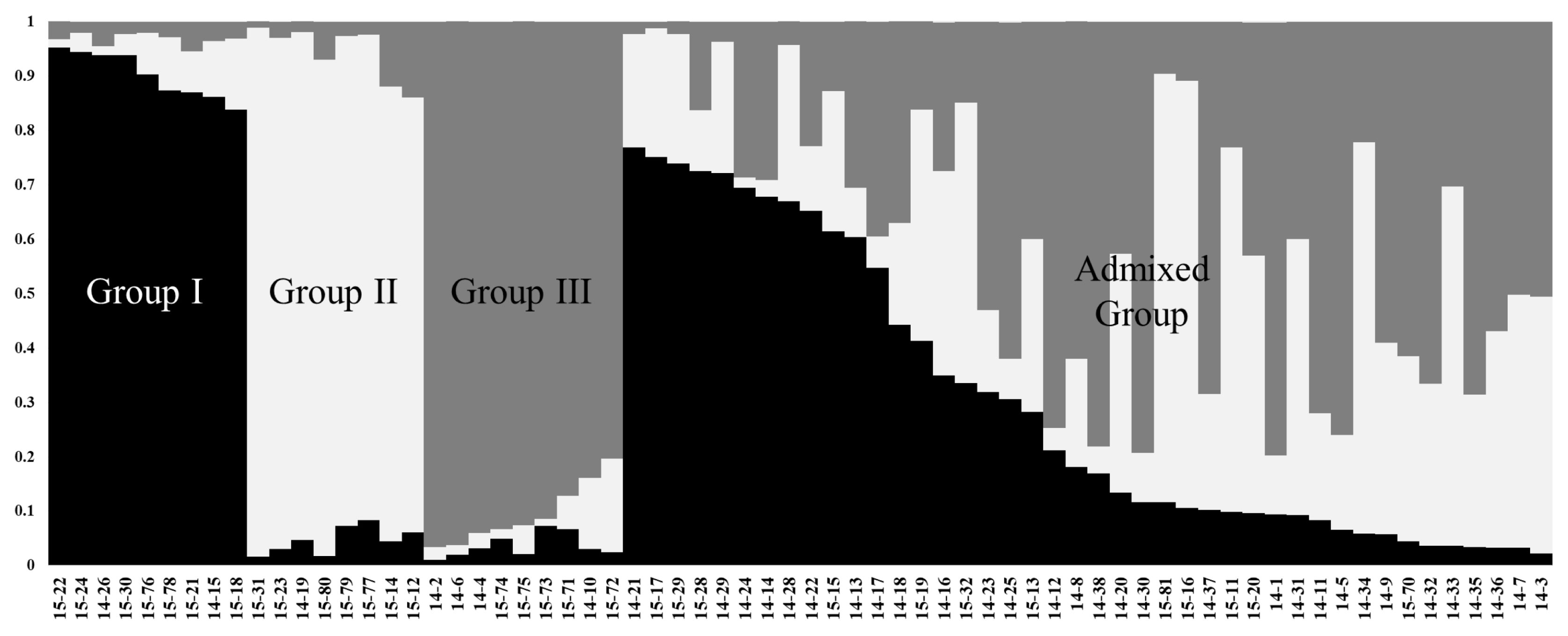
Fig. 5UPGMA dendrogram based on 50 SSR markers in 68 Chinese maize inbred lines.
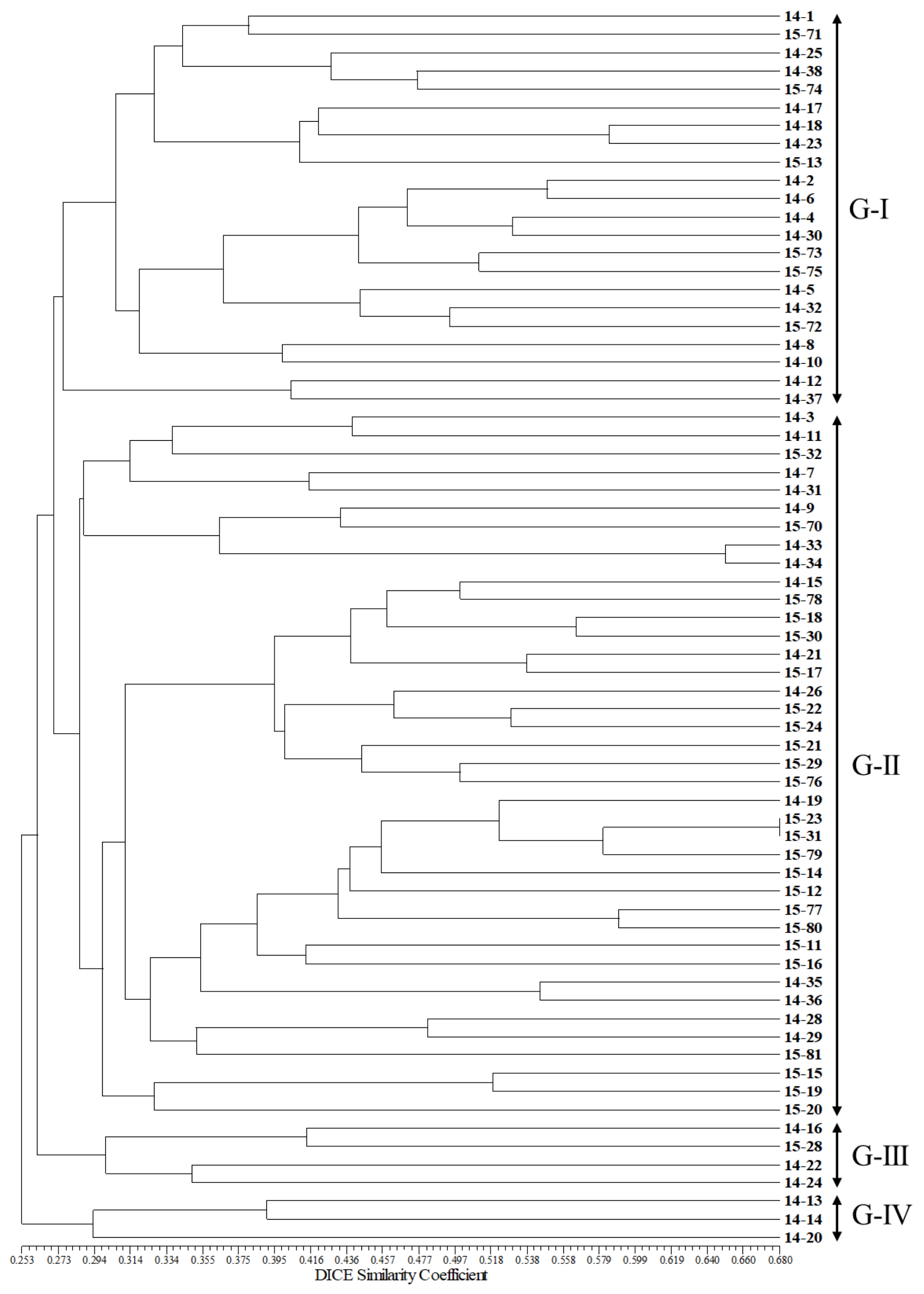
Table 1Derivation of 68 Chinese inbred lines used in this study.
Table 1
|
Code No. |
Entry No. |
Pedigree |
Kernel Type |
|
1 |
14-1 |
Long Dan No.13 |
normal |
|
2 |
14-2 |
Jin Yu NO.9 |
normal |
|
3 |
14-3 |
Jiu long NO.5 |
normal |
|
4 |
14-4 |
Ji Yu 301 |
normal |
|
5 |
14-5 |
Yi Dan 59 |
normal |
|
6 |
14-6 |
Jiu Long NO.14 |
normal |
|
7 |
14-7 |
Sui Feng 10 |
normal |
|
8 |
14-8 |
Sho Hara 78 |
normal |
|
9 |
14-9 |
Shuang yue 1 |
normal |
|
10 |
14-10 |
Yuandan 68 |
normal |
|
11 |
14-11 |
Mudan 9 |
normal |
|
12 |
14-12 |
Fu yuan 3 |
normal |
|
13 |
14-13 |
Luse Xian Feng |
sweet |
|
14 |
14-14 |
Zhong Nuo NO.1 |
waxy |
|
15 |
14-15 |
Jing ke nuo 2000 |
waxy |
|
16 |
14-16 |
Zhong cai tian nuo NO.8 |
sweet & waxy |
|
17 |
14-17 |
Shuiguo tian yu NO.4 |
sweet |
|
18 |
14-18 |
Shuangse mi yu |
sweet |
|
19 |
14-19 |
Ken zhan NO.1 |
waxy |
|
20 |
14-20 |
San bei hei nuo NO.4 |
waxy |
|
21 |
14-21 |
Zhong nuo 301 |
waxy |
|
22 |
14-22 |
Zihua 923 |
waxy |
|
23 |
14-23 |
Jingpin chang tian 100 |
sweet |
|
24 |
14-24 |
Kyo sai 2000 |
waxy |
|
25 |
14-25 |
E tian yu NO.3 |
sweet |
|
26 |
14-26 |
Hua nuo NO.2 |
waxy |
|
27 |
14-28 |
Su ke hua nuo 2008 |
waxy |
|
28 |
14-29 |
Su ke nuo NO.2 |
waxy |
|
29 |
14-30 |
P335 |
normal |
|
30 |
14-31 |
Ji lin 1 |
normal |
|
31 |
14-32 |
Ji lin 2 |
normal |
|
32 |
14-33 |
Lian dan 26 |
normal |
|
33 |
14-34 |
Ji dan 27 |
normal |
|
34 |
14-35 |
hei 301 |
normal |
|
35 |
14-36 |
De mei ya NO.3 |
normal |
|
36 |
14-37 |
Zhi nong 35 |
normal |
|
37 |
14-38 |
Kykypy3a |
popcorn |
|
38 |
15-11 |
Hei Ni Sheng Bao |
waxy |
|
39 |
15-12 |
Cai Nian Bang |
waxy |
|
40 |
15-13 |
Si Da 204 |
waxy |
|
41 |
15-14 |
Jin Nuo Wang |
waxy |
|
42 |
15-15 |
Fu Hua Tian |
supersweet |
|
43 |
15-16 |
Huo Hong Corn King |
waxy |
|
44 |
15-17 |
Nan Yue Hua Nuo |
waxy |
|
45 |
15-18 |
Xiang Tian Bai Nuo |
waxy |
|
46 |
15-19 |
Jia Mei No.1 |
supersweet |
|
47 |
15-20 |
Super sweet Jin Yin Su NO.2 |
supersweet |
|
48 |
15-21 |
Zhong Ke Hua Xiang Waxy 23 |
waxy |
|
49 |
15-22 |
Cai Hong Fruit corn |
sweet & waxy |
|
50 |
15-23 |
Xin Yu Waxy Corn |
waxy |
|
51 |
15-24 |
Jing Jing Nuo Corn |
waxy |
|
52 |
15-28 |
Hua Tian Nuo |
sweet & waxy |
|
53 |
15-29 |
Tian Jia Nuo No.2 |
sweet & waxy |
|
54 |
15-30 |
Xiang Wei |
waxy |
|
55 |
15-31 |
Bang Laoda |
waxy |
|
56 |
15-32 |
Zi Nuo |
waxy |
|
57 |
15-70 |
Feng Ze 118 |
normal |
|
58 |
15-71 |
Ming Feng 159 |
normal |
|
59 |
15-72 |
He Yu 187 |
normal |
|
60 |
15-73 |
Xian Yu 696 |
normal |
|
61 |
15-74 |
Song Yu 410 |
normal |
|
62 |
15-75 |
Da Min 899 |
normal |
|
63 |
15-76 |
Zi Ru Yi |
waxy |
|
64 |
15-77 |
Huang Nian No.5 |
waxy |
|
65 |
15-78 |
Xiangxiang Yintian Nuo |
sweet & waxy |
|
66 |
15-79 |
Fu er Jin Nuo |
sweet & waxy |
|
67 |
15-80 |
Xin Nuo |
waxy |
|
68 |
15-81 |
Naiyou Xiangnuo |
waxy |
Table 2Correlation coefficient, mean, and standard deviation for eight agronomic traits in the 68 Chinese maize inbred lines.
Table 2
|
Traits |
DA (days) |
DS (days) |
PH (cm) |
EH (cm) |
ER (%) |
ST (cm) |
LL (cm) |
LW (cm) |
|
Days of Anthesis (DA) |
|
0.792**
|
−0.142 |
0.259*
|
0.389*
|
0.22 |
0.196 |
0.232 |
|
Days of Silking (DS) |
|
|
−0.177 |
0.187 |
0.338**
|
0.195 |
0.148 |
0.036 |
|
Plant Height (PH) |
|
|
|
0.485**
|
−0.158 |
−0.134 |
0.271*
|
0.068 |
|
Ear Height (EH) |
|
|
|
|
0.780**
|
−0.069 |
0.303*
|
−0.018 |
|
Plant to Ear Height |
|
|
|
|
|
0.026 |
0.157 |
−0.078 |
|
Ratio (ER) |
|
|
|
|
|
|
|
|
|
Stem Thickness (ST) |
|
|
|
|
|
|
0.003 |
0.076 |
|
Leaf Length (LL) |
|
|
|
|
|
|
|
0.340**
|
|
Leaf Width (LW) |
|
|
|
|
|
|
|
|
|
Average |
70.3 |
72.7 |
165.9 |
58.0 |
35.1 |
2.1 |
64.7 |
7.4 |
|
SD |
4.3 |
4.0 |
25.8 |
14.0 |
7.9 |
0.6 |
6.4 |
1.1 |
|
Min |
60.0 |
66.0 |
123.0 |
29.6 |
21.4 |
1.0 |
42.9 |
5.2 |
|
Max |
80.0 |
84.0 |
249.6 |
98.8 |
63.7 |
3.5 |
78.8 |
10.1 |
Table 3Eigen vector and cumulative variance of the first and second principal components.
Table 3
|
Traits |
Eigen vector |
|
|
PC1 |
PC2 |
|
Days of Anthesis (DA) |
0.747 |
0.380 |
|
Days of Silking (DS) |
0.651 |
0.531 |
|
Plant Height (PH) |
0.174 |
−0.735 |
|
Ear Height (EH) |
0.759 |
−0.225 |
|
Plant to Ear Height Ratio (ER) |
0.736 |
0.266 |
|
Stem Thickness (ST) |
0.221 |
−0.283 |
|
Leaf Length (LL) |
0.520 |
−0.465 |
|
Leaf Width (LW) |
0.311 |
−0.718 |
|
Cumulative variance (%) |
31.808 |
23.733 |
Table 4Characteristics of the 50 SSR loci including allele size, allele number, MAF, GD, and PIC among 68 Chinese inbred lines.
Table 4
|
SSR Loci |
Chr. |
Allele size |
Alleles No. |
MAFz)
|
GDy)
|
PICx)
|
|
bnlg1203 |
1 |
190–235 |
14 |
0.221 |
0.876 |
0.864 |
|
phi037 |
1 |
125–170 |
10 |
0.279 |
0.806 |
0.781 |
|
umc1118 |
1 |
140–155 |
9 |
0.250 |
0.812 |
0.786 |
|
umc1514 |
1 |
100–120 |
12 |
0.368 |
0.747 |
0.711 |
|
bnlg1017 |
2 |
165–205 |
12 |
0.221 |
0.856 |
0.840 |
|
umc1024 |
2 |
130–190 |
17 |
0.324 |
0.830 |
0.814 |
|
umc1065 |
2 |
100–130 |
9 |
0.456 |
0.739 |
0.714 |
|
umc1265 |
2 |
105–120 |
7 |
0.324 |
0.774 |
0.739 |
|
umc2372 |
2 |
110–160 |
13 |
0.353 |
0.811 |
0.793 |
|
umc1167 |
3 |
80–100 |
9 |
0.368 |
0.757 |
0.721 |
|
umc1844 |
3 |
120–150 |
7 |
0.382 |
0.743 |
0.703 |
|
umc2020 |
3 |
110–125 |
4 |
0.632 |
0.539 |
0.489 |
|
umc2275 |
3 |
110–135 |
15 |
0.206 |
0.872 |
0.860 |
|
umc1667 |
4 |
125–155 |
14 |
0.309 |
0.847 |
0.833 |
|
umc2041 |
4 |
135–170 |
14 |
0.235 |
0.851 |
0.834 |
|
umc2278 |
4 |
80–120 |
8 |
0.382 |
0.750 |
0.715 |
|
bnlg105 |
5 |
80–130 |
16 |
0.162 |
0.902 |
0.894 |
|
bnlg1208 |
5 |
100–125 |
8 |
0.471 |
0.711 |
0.679 |
|
umc1056 |
5 |
105–155 |
12 |
0.353 |
0.787 |
0.761 |
|
umc1221 |
5 |
75–100 |
13 |
0.382 |
0.795 |
0.775 |
|
umc1557 |
5 |
95–120 |
10 |
0.235 |
0.825 |
0.802 |
|
umc1692 |
5 |
145–165 |
8 |
0.353 |
0.795 |
0.770 |
|
umc2036 |
5 |
150–170 |
7 |
0.412 |
0.665 |
0.604 |
|
umc2113 |
5 |
145–160 |
8 |
0.471 |
0.672 |
0.621 |
|
umc2373 |
5 |
145–175 |
9 |
0.279 |
0.839 |
0.821 |
|
umc2400 |
5 |
110–120 |
5 |
0.324 |
0.758 |
0.718 |
|
umc2406 |
5 |
130–145 |
4 |
0.779 |
0.356 |
0.311 |
|
umc1002 |
6 |
140–180 |
12 |
0.338 |
0.814 |
0.795 |
|
umc1018 |
6 |
90–100 |
8 |
0.368 |
0.777 |
0.749 |
|
umc1127 |
6 |
150–200 |
6 |
0.324 |
0.766 |
0.730 |
|
umc1133 |
6 |
95–115 |
12 |
0.441 |
0.747 |
0.722 |
|
umc1229 |
6 |
220–280 |
14 |
0.176 |
0.888 |
0.877 |
|
umc1250 |
6 |
140–160 |
11 |
0.324 |
0.806 |
0.783 |
|
umc2056 |
6 |
150–165 |
8 |
0.309 |
0.722 |
0.739 |
|
umc1066 |
7 |
135–160 |
11 |
0.265 |
0.838 |
0.819 |
|
umc1159 |
7 |
130–160 |
13 |
0.324 |
0.820 |
0.800 |
|
umc1241 |
7 |
140–160 |
6 |
0.574 |
0.597 |
0.546 |
|
umc1401 |
7 |
130–155 |
11 |
0.309 |
0.820 |
0.799 |
|
umc1409 |
7 |
120–140 |
11 |
0.265 |
0.858 |
0.843 |
|
umc1426 |
7 |
125–145 |
8 |
0.529 |
0.645 |
0.602 |
|
umc1666 |
7 |
140–165 |
15 |
0.206 |
0.872 |
0.860 |
|
umc1929 |
7 |
140–160 |
13 |
0.221 |
0.850 |
0.834 |
|
umc1983 |
7 |
130–160 |
17 |
0.147 |
0.910 |
0.903 |
|
umc2092 |
7 |
125–140 |
5 |
0.529 |
0.571 |
0.486 |
|
umc1340 |
8 |
115–125 |
7 |
0.309 |
0.802 |
0.775 |
|
umc1360 |
8 |
140–155 |
8 |
0.412 |
0.745 |
0.712 |
|
umc1913 |
8 |
135–160 |
10 |
0.412 |
0.760 |
0.733 |
|
umc1743 |
9 |
120–130 |
7 |
0.368 |
0.734 |
0.691 |
|
umc1061 |
10 |
95–110 |
9 |
0.324 |
0.798 |
0.771 |
|
umc2016 |
10 |
115–130 |
10 |
0.500 |
0.676 |
0.638 |
|
Average |
|
|
10.12 |
0.350 |
0.771 |
0.743 |
|
Total |
|
|
506 |
|
|
|
Table 5List of significant markers detected with the Q + K MLM model.
Table 5
|
Locus |
Chr. |
Trait |
P value |
R2
|
|
bnlg1017 |
2 |
LW |
0.023 |
36.9 |
|
umc2041 |
4 |
ER |
0.046 |
36.5 |
|
umc2400 |
5 |
DA |
0.024 |
24.2 |
|
bnlg105 |
5 |
ST |
0.048 |
43.7 |
|
umc1229 |
6 |
DA |
0.005 |
55.9 |
|
|
ST |
0.000 |
78.5 |
|
umc1250 |
6 |
LL |
0.035 |
31.7 |
|
umc1066 |
7 |
DS |
0.046 |
28.4 |
|
umc2092 |
7 |
PH |
0.029 |
14.8 |
|
umc1426 |
7 |
LW |
0.028 |
23.9 |
References
- Abdurakhmonov IY, Abdukarimov A. 2008. Application of association mapping to understanding the genetic diversity of plant germplasm resources. Int J Plant Genomics. 2008: 574927
- Ajmone-Marsan P, Castiglioni P, Fusari F, Kuiper M, Motto M. 1998. Genetic diversity and its relationship to hybrid performance in maize as revealed by RFLP and AFLP markers. Theor Appl Genet. 96: 219-227.
- Austin D, Lee M. 1996. Comparative mapping in F 2: 3 and F 6: 7 generations of quantitative trait loci for grain yield and yield components in maize. Theor Appl Genet. 92: 817-826.
- Azad M, Biswas B, Alam N, Alam SS. 2012. Genetic diversity in maize (Zea mays L.) inbred lines. The Agriculturists. 10: 64-70.
- Benke A, Urbany C, Marsian J, Shi R, von Wirén N, Stich B. 2014. The genetic basis of natural variation for iron homeostasis in the maize IBM population. BMC Plant Biol. 14: 12
- Bharadwaj DN. 2018. Advanced molecular plant breeding: meeting the challenge of food security. Apple Academic Press. Florida, U.S.A:
- Bohn MM, Khairallah M, Jiang C, González-de-León D, Hoisington DA, Utz HF, et al. 1997. QTL mapping in tropical maize: II. Comparison of genomic regions for resistance to Diatraea spp. Crop Sci. 37: 1892-1902.
- Borba TCDO, Brondani RPV, Breseghello F, Coelho ASG, Mendonça JA, Rangel PHN, et al. 2010. Association mapping for yield and grain quality traits in rice (Oryza sativa L.). Genet Mol Biol. 33: 515-524.
- Bradbury PJ, Zhang Z, Kroon DE, Casstevens TM, Ramdoss Y, Buckler ES. 2007. TASSEL: software for association mapping of complex traits in diverse samples. Bioinformatics. 23: 2633-2635.
- Breseghello F, Coelho ASG. 2013. Traditional and modern plant breeding methods with examples in rice (Oryza sativa L.). J Agric Food Chem. 61: 8277-8286.
- Cai H, Chu Q, Gu R, Yuan L, Liu J, Zhang X, et al. 2012. Identification of QTLs for plant height, ear height and grain yield in maize (Zea mays L.) in response to nitrogen and phosphorus supply. Plant Breed. 131: 502-510.
- Collard BC, Jahufer MZZ, Brouwer JB, Pang ECK. 2005. An introduction to markers, quantitative trait loci (QTL) mapping and marker-assisted selection for crop improvement: The basic concepts. Euphytica. 142: 169-196.
- Dellaporta SL, Wood J, Hicks JB. 1983. A plant DNA minipreparation: Version II. Plant Mol Biol Rep. 1: 19-21.
- Dice LR. 1945. Measures of the amount of ecologic association between species. Ecology. 26: 297-302.
- Dinges JR, Colleoni C, Myers AM, James MG. 2001. Molecular structure of three mutations at the maize sugary1 locus and their allele-specific phenotypic effects. Plant Physiol. 125: 1406-1418.
- Ditta A, Zhou Z, Cai X, Wang X, Okubazghi K, Shehzad M, et al. 2018. Assessment of genetic diversity, population structure, and evolutionary relationship of uncharacterized genes in a novel germplasm collection of diploid and allotetraploid Gossypium accessions using EST and genomic SSR markers. Int J Mol Sci. 19: 2401
- Evanno G, Regnaut S, Goudet J. 2005. Detecting the number of clusters of individuals using the software STRUCTURE: a simulation study. Mol Ecol. 14: 2611-2620.
- Ewens WJ, Spielman RS. 2001. Locating genes by linkage and association. Theor Popul Biol. 60: 135-139.
- Farkhari M, Krivanek A, Xu Y, Rong T, Naghavi MR, Samadi BY, et al. 2013. Root-lodging resistance in maize as an example for high-throughput genetic mapping via single nucleotide polymorphism-based selective genotyping. Plant Breed. 132: 90-98.
- Fisher M, Abate T, Lunduka RW, Asnake W, Alemayehu Y, Madulu RB. 2015. Drought tolerant maize for farmer adaptation to drought in sub-Saharan Africa: Determinants of adoption in eastern and southern Africa. Clim Change. 133: 283-299.
- Flint-Garcia SA, Thuillet AC, Yu J, Pressoir G, Romero SM, Mitchell SE, et al. 2005. Maize association population: a high-resolution platform for quantitative trait locus dissection. Plant J. 44: 1054-1064.
- Frascaroli E, Cane MA, Pe ME, Pea G, Morgante M, Landi P. 2009. QTL detection in maize testcross progenies as affected by related and unrelated testers. Theor Appl Genet. 118: 993-1004.
- Godfray HCJ, Beddington JR, Crute IR, Haddad L, Lawrence D, Muir JF, et al. 2010. Food security: the challenge of feeding 9 billion people. Science. 327: 812-818.
- Hao D, Zhang Z, Cheng Y, Chen G, Lu H, Mao Y, et al. 2015. Identification of genetic differentiation between waxy and common maize by SNP genotyping. PLoS One. 10: e0142585
- Hu Z, Zhang D, Zhang G, Kan G, Hong D, Yu DJBs. 2014. Association mapping of yield-related traits and SSR markers in wild soybean (Glycine soja Sieb. and Zucc.). Breed Sci. 63: 441-449.
- Kalivas A, Xanthopoulos F, Kehagia O, Tsaftaris AS. 2011. Agronomic characterization, genetic diversity and association analysis of cotton cultivars using simple sequence repeat molecular markers. Genet Mol Res. 10: 208-217.
- Langade DM, Shahi JP, Srivastava K, Kumar P, Sharma A. 2013. Heterosis breeding for maturity and quality traits in diallel crosses of maize. J Appl Biosci. 39: 109-114.
- Lasley BL, Loskutoff NM, Anderson GB. 1994. The limitation of conventional breeding programs and the need and promise of assisted reproduction in nondomestic species. Theriogenology. 41: 119-132.
- Liu K, Goodman M, Muse S, Smith JS, Buckler E, Doebley J. 2003. Genetic structure and diversity among maize inbred lines as inferred from DNA microsatellites. Genetics. 165: 2117-2128.
- Liu K, Muse SV. 2005. PowerMarker: an integrated analysis environment for genetic marker analysis. Bioinformatics. 21: 2128-2129.
- Liu Y, Huang YB, Rong TZ. 2005. Comparative analysis of genetic diversity in landraces of waxy maize from Yunnan and Guizhou using SSR markers. Agr Sci China. 4: 648-653.
- Ma X, Tang J, Teng W, Yan J, Meng Y, Li JS. 2007. Epistatic interaction is an important genetic basis of grain yield and its components in maize. Mol Breed. 20: 41-51.
- Malosetti M, van der Linden CG, Vosman B, van Eeuwijk FA. 2007. A mixed-model approach to association mapping using pedigree information with an illustration of resistance to Phytophthora infestans in potato. Genetics. 175: 879-889.
- Mohan M, Nair S, Bhagwat A, Krishna T, Yano M, Bhatia C, et al. 1997. Genome mapping, molecular markers and marker-assisted selection in crop plants. Mol Breed. 3: 87-103.
- Morris M, Dreher K, Ribaut J-M, Khairallah M. 2003. Money matters (II): costs of maize inbred line conversion schemes at CIMMYT using conventional and marker-assisted selection. Mol Breed. 11: 235-247.
- Osman KA, Tang B, Wang Y, Chen J, Yu F, Li L, et al. 2013. Dynamic QTL analysis and candidate gene mapping for waterlogging tolerance at maize seedling stage. PLoS One. 8: e79305
- Parker G, Fox P, Langridge P, Chalmers K, Whan B, Ganter PF. 2002. Genetic diversity within Australian wheat breeding programs based on molecular and pedigree data. Euphytica. 124: 293-306.
- Powell W, Morgante M, Andre C, Hanafey M, Vogel J, Tingey S, et al. 1996. The comparison of RFLP, RAPD, AFLP and SSR (microsatellite) markers for germplasm analysis. Mol Breed. 2: 225-238.
- Pritchard JK, Wen W, Falush D. 2003. Documentation for structure software: Version 2:3.
- Rohlf FJ. 2000. NTSYS-pc: numerical taxonomy and multivariate analysis system, ver. 2.1. Exeter Software Setauket. NY.
- Sa K, Park J, Choi S, Kim B, Park K, Lee JK. 2015. Genetic diversity, population structure, and association mapping of agronomic traits in waxy and normal maize inbred lines. Genet Mol Res. 14: 7502-7518.
- Sangoi L. 2001. Understanding plant density effects on maize growth and development: an important issue to maximize grain yield. Ciênc Rural. 31: 159-168.
- Saxena RK, Saxena K, Varshney RK. 2010. Application of SSR markers for molecular characterization of hybrid parents and purity assessment of ICPH 2438 hybrid of pigeonpea [Cajanus cajan (L.) Millspaugh]. Mol Breed. 26: 371-380.
- Tian ML, Tan GX, Liu YJ, Rong TZ, Huang YB. 2009. Origin and evolution of Chinese waxy maize: evidence from the Globulin-1 gene. Genet Resour Crop Ev. 56: 247-255.
- Upadhyaya HD, Wang Y-H, Sharma S, Singh S, Hasenstein KH. 2012. SSR markers linked to kernel weight and tiller number in sorghum identified by association mapping. Euphytica. 187: 401-410.
- Wang R, Yu Y, Zhao J, Shi Y, Song Y, Wang T, et al. 2008. Population structure and linkage disequilibrium of a mini core set of maize inbred lines in China. Theor Appl Genet. 117: 1141-1153.
- Warburton ML, Reif JC, Frisch M, Bohn M, Bedoya C, Xia XC, et al. 2008. Genetic diversity in CIMMYT non-temperate maize germplasm: landraces, open pollinated varieties, and inbred lines. Crop Sci. 48: 617-624.
- Wei X, Lu X, Zhang Z, Xu M, Mao K, Li W, et al. 2016. Genetic analysis of heterosis for maize grain yield and its components in a set of SSSL testcross populations. Euphytica. 210: 181-193.
- Xue Y, Warburton ML, Sawkins M, Zhang X, Setter T, Xu Y, et al. 2013. Genome-wide association analysis for nine agronomic traits in maize under well-watered and water-stressed conditions. Theor Appl Genet. 126: 2587-2596.
- Yang GB, Liu XY, Gao DJ, Tan FZ, He CA, Mao YZ, et al. 2007. Constrict factors and countermeasures of maize planting in northern premature areas of Heilongjiang. Heilongjiang Agric Sci. 6: 18-19.
- Yu J, Buckler ES. 2006. Genetic association mapping and genome organization of maize. Curr Opin Biotechnol. 17: 155-160.
- Zhang H, Ma P, Zhao Z, Zhao G, Tian B, Wang J, et al. 2012. Mapping QTL controlling maize deep-seeding tolerance-related traits and confirmation of a major QTL for mesocotyl length. Theor Appl Genet. 124: 223-232.
- Zhang R, Xu G, Li J, Yan J, Li H, Yang X. 2018. Patterns of genomic variation in Chinese maize inbred lines and implications for genetic improvement. Theor Appl Genet. 131: 1207-1221.
- Zhang Y, Li Y, Wang Y, Peng B, Liu C, Liu Z, et al. 2011. Correlations and QTL detection in maize family per se and testcross progenies for plant height and ear height. Plant Breed. 130: 617-624.
- Zheng H, Wang H, Yang H, Wu J, Shi B, Cai R, et al. 2013. Genetic diversity and molecular evolution of Chinese waxy maize germplasm. PLoS One. 8: e66606